

 +86-0515-86223369
  0
0 en
en English
 日本語
日本語 Español


If you need any help, please feel free to contact us
 Products & Solutions
What are the main differences between JGS1, JGS2, and JGS3 materials?
Content
In the high-performance glass market, Quartz Glass Plate, with their superior physical and chemical properties, have become important materials for high-tech industries such as semiconductors, optics, lasers, and aerospace.
What is a quartz glass plate?
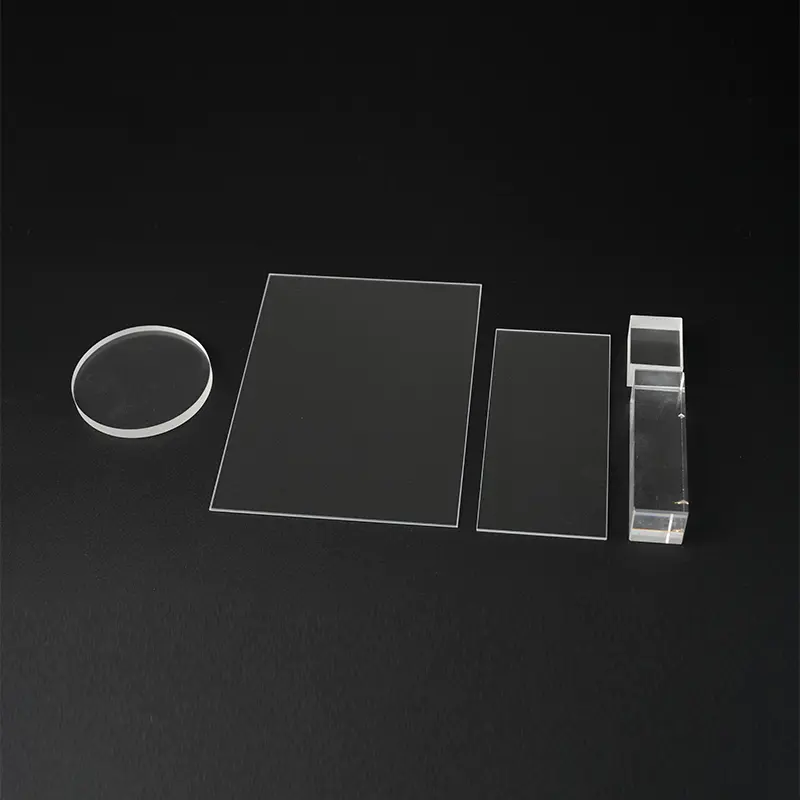
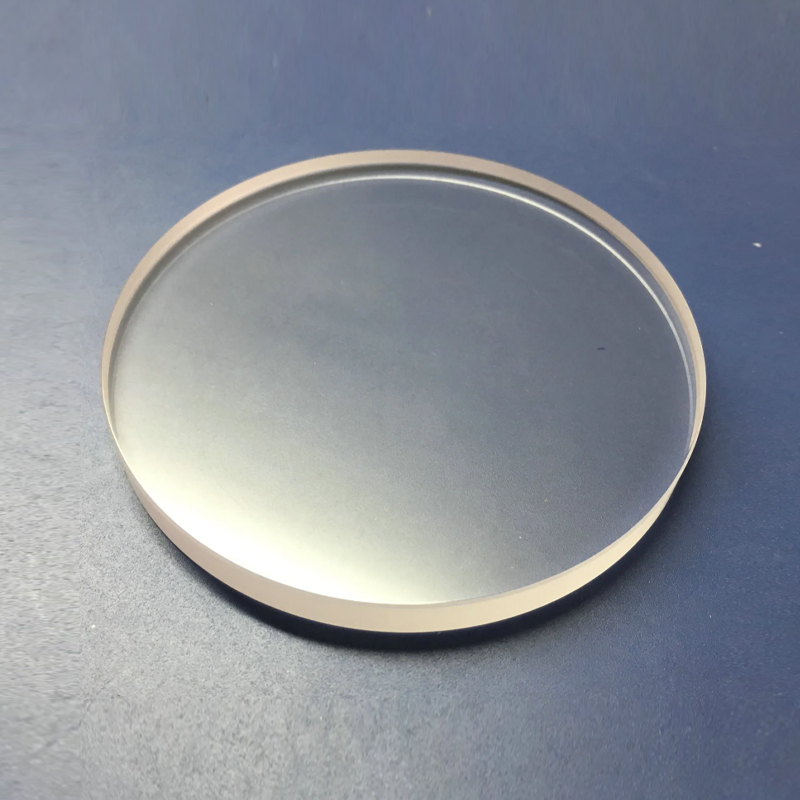
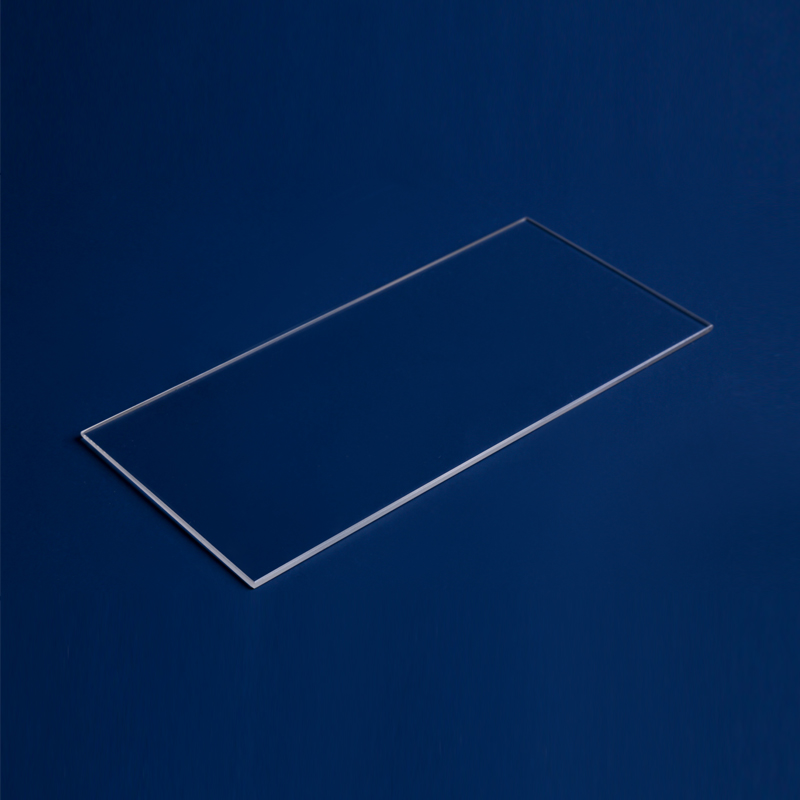
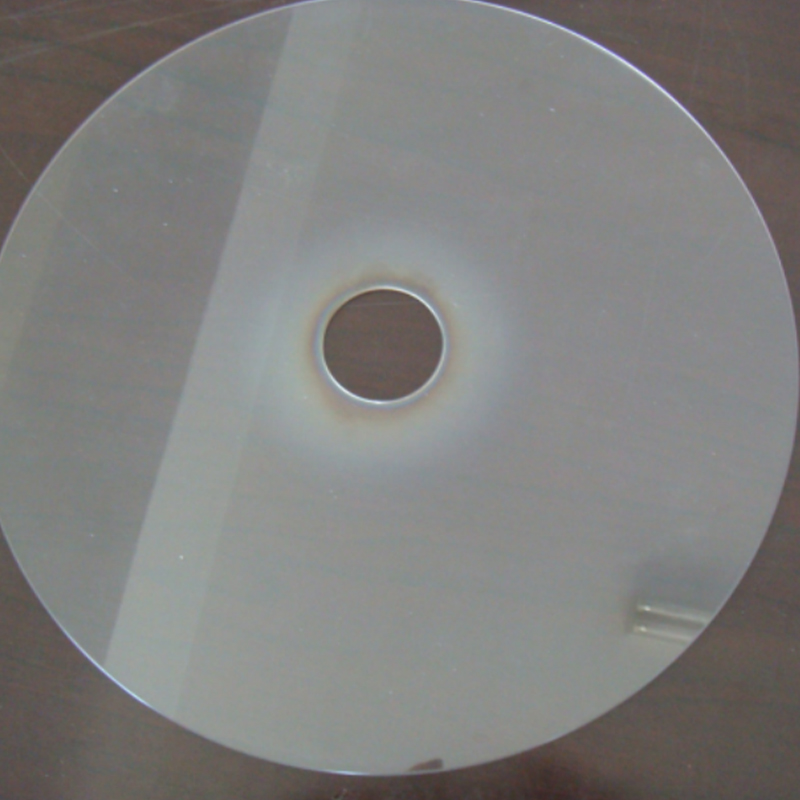
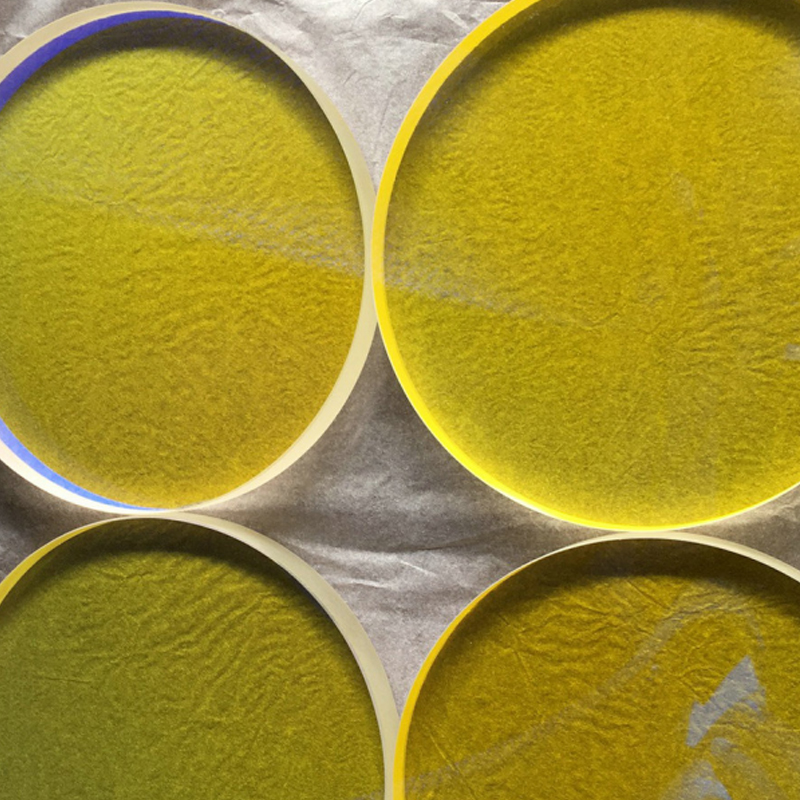
A quartz glass plate is a special industrial technical glass made of pure silicon dioxide ($SiO_2$). It not only has an extremely low thermal expansion coefficient and extremely high temperature resistance, but also boasts a wide spectral transmittance from ultraviolet to infrared. Based on its optical characteristics and manufacturing process, it is usually classified into three main grades internationally: JGS1, JGS2, and JGS3.
JGS1: Far Ultraviolet Optical Quartz Glass
JGS1 is the highest purity quartz material with the best optical performance, usually produced by vapor phase synthesis (flame hydrolysis method).
Core characteristics: Extremely high transmittance in the ultraviolet band (especially 185nm-250nm).
Optical advantages: No internal bubbles, extremely low striations, and free of any metal impurities.
Applications: Commonly used in the manufacture of high-precision lenses, quartz glass windows, observation windows for UV sterilization equipment, laser scanning systems, and precision optical instruments.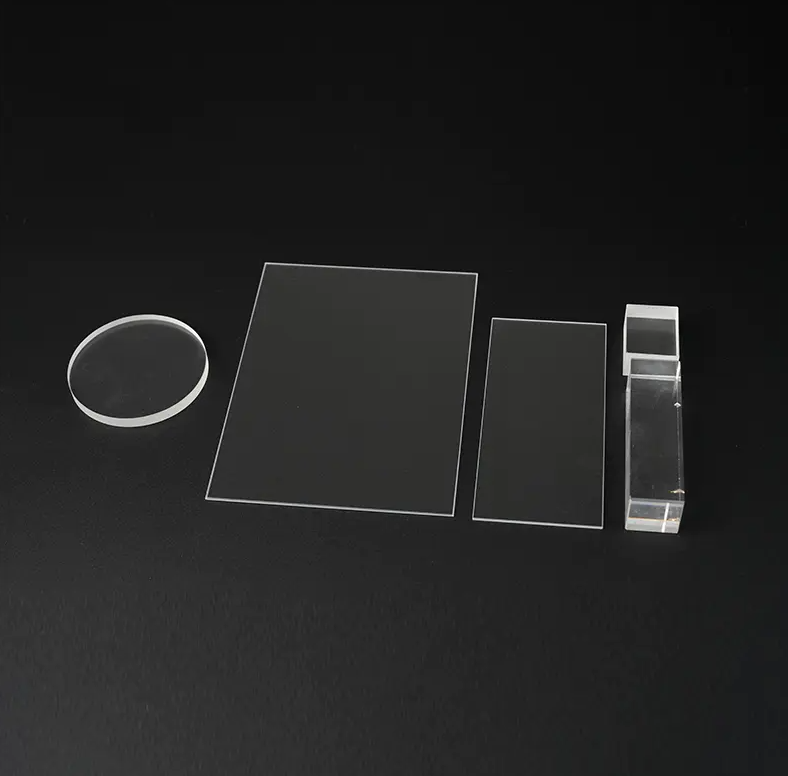
JGS2: Ultraviolet Optical Quartz Glass
JGS2 is the most widely used quartz glass plate material, usually melted from natural high-quality crystal powder using the gas melting method.
Core characteristics: Excellent performance in the visible and near-ultraviolet bands, but its transmittance in the far-ultraviolet region (<200nm) is slightly lower than JGS1.
Cost-effectiveness advantage: Compared to JGS1, its production cost is more competitive, while retaining the excellent heat resistance and chemical stability of quartz glass.
Applications: Widely used in laboratory high-temperature sight glasses, industrial observation windows, UV curing equipment, and general vacuum windows.
JGS3: Infrared Optical Quartz Glass
JGS3 is also known as "hydroxyl-free quartz glass," and it is produced by the electric melting method in a vacuum environment.
Core characteristics: Excellent transmittance in the infrared band, its biggest feature being extremely low hydroxyl (-OH) content (usually less than 2 ppm). This effectively eliminates the absorption peak in the infrared spectrum at 2.73 μm.
Technical Specifications: Maintains extremely high transmittance in the infrared band of 2600nm-3500nm.
Applicable Scenarios: It is the ideal quartz glass plate material for infrared thermometers, infrared sensors, optoelectronic instrument windows, and thermal radiation detection equipment.
Comparison of the Three:
1. JGS1: Far Ultraviolet Optical Quartz Glass (Synthetic Quartz)
JGS1 represents the highest standard in optical purity for Quartz Glass Plate, especially suitable for applications with extremely high requirements for short-wave ultraviolet light.
Manufacturing Process: Made from high-purity silicon tetrachloride as raw material, using a gas-phase synthesis method through hydrogen-oxygen flame hydrolysis.
Spectral Performance: Excellent performance in the far ultraviolet band, with a transmittance of over 90% at 185nm, and no significant absorption bands in the 185-2500nm range.
Key Parameters: High hydroxyl (-OH) content, usually between 1000-2000ppm.
Core Applications: It is the core quartz glass plate material for manufacturing ultraviolet lasers, precision optical lenses, analytical instrument spectrometers, and semiconductor photomasks.
2. JGS2: Ultraviolet Optical Quartz Glass (Flame-Fused Quartz)
JGS2 is currently the most widely used quartz glass plate in industrial applications. While maintaining excellent physical properties, it offers extremely high cost-effectiveness.
Manufacturing Process: Made from high-quality natural crystal or high-purity quartz sand as raw materials, melted by the hydrogen-oxygen flame fusion method.
Spectral Performance: Transmittance range covers 220-2500nm. Although its performance in the deep ultraviolet region is slightly inferior to JGS1, it has excellent transparency in the visible and near-infrared regions.
Key Parameters: Moderate hydroxyl content, generally controlled at 150-200ppm.
Core Applications: Widely used in high-temperature observation windows, laboratory glassware, ultraviolet curing lamp covers, and general industrial-grade quartz glass plate windows.
3. JGS3: Infrared Optical Quartz Glass (Electrically Fused Quartz)
JGS3 is a quartz glass plate specifically designed for infrared technology. Its greatest technological breakthrough lies in completely solving the problem of infrared absorption interference.
Production Process: Made from natural high-purity quartz sand, melted at high temperature in a vacuum electric furnace.
Spectral Performance: Exhibits extremely high transmittance in the 260-3500nm range. Its most significant feature is the virtual absence of absorption peaks near 2.73μm, ensuring accurate transmission of infrared signals.
Key Parameters: It is an ultra-low hydroxyl material, with an -OH content typically below 2ppm (and can even reach <1ppm).
Core Applications: Ideal for infrared thermometer windows, thermal imaging systems, infrared light source protective plates, and photoelectric detection equipment.
How to Choose the Right Quartz Glass Plate?
As a professional Quartz Glass Plate manufacturer, we recommend following these principles when purchasing:
Clearly define the working wavelength range: If ultraviolet operation below 200nm is involved, be sure to choose JGS1.
Consider the impact of hydroxyl groups: If used for infrared spectroscopy or temperature measurement, low-hydroxyl JGS3 must be selected to avoid absorption interference.
Balance budget and performance: For applications where extreme spectral requirements are not necessary, JGS2 is a very cost-effective option.
If you have special requirements for the tolerance, coating, or temperature resistance of the quartz glass plate, please contact us. We can provide customized processing solutions for you.
Featured Products
Copyright © Yancheng Mingyang Quartz Products Co., Ltd. All Rights Reserved.
Wholesale Quartz Products Manufacturer Quartz Glass Factory