

 +86-0515-86223369
  0
0 en
en English
 日本語
日本語 Español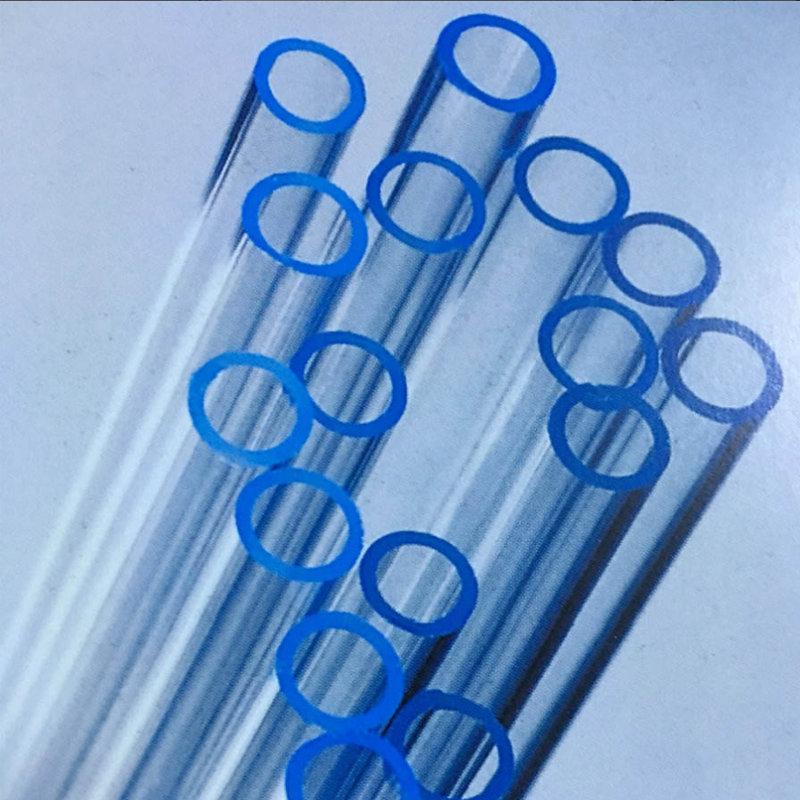

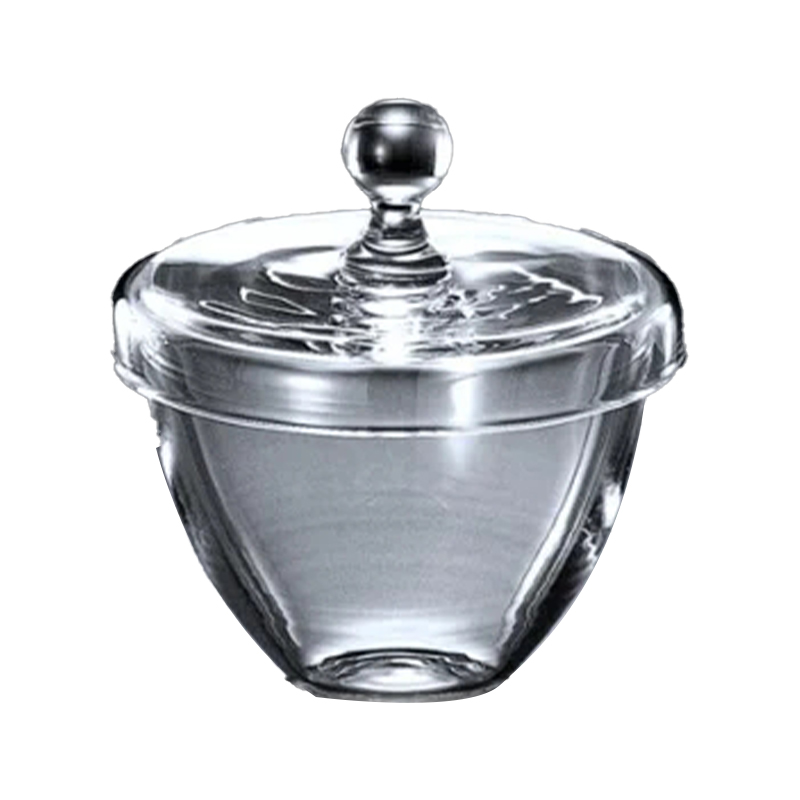
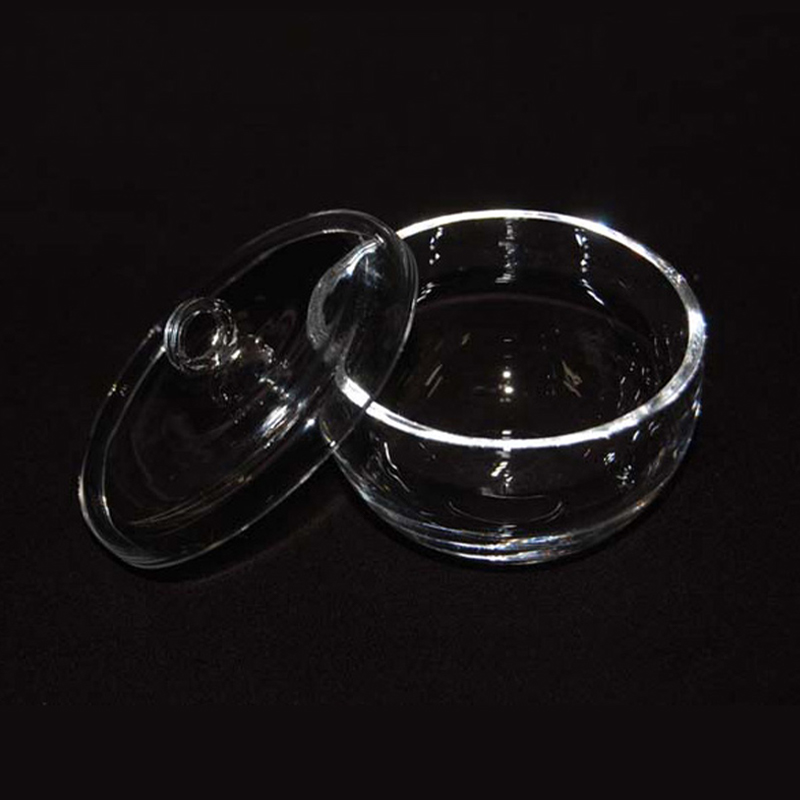
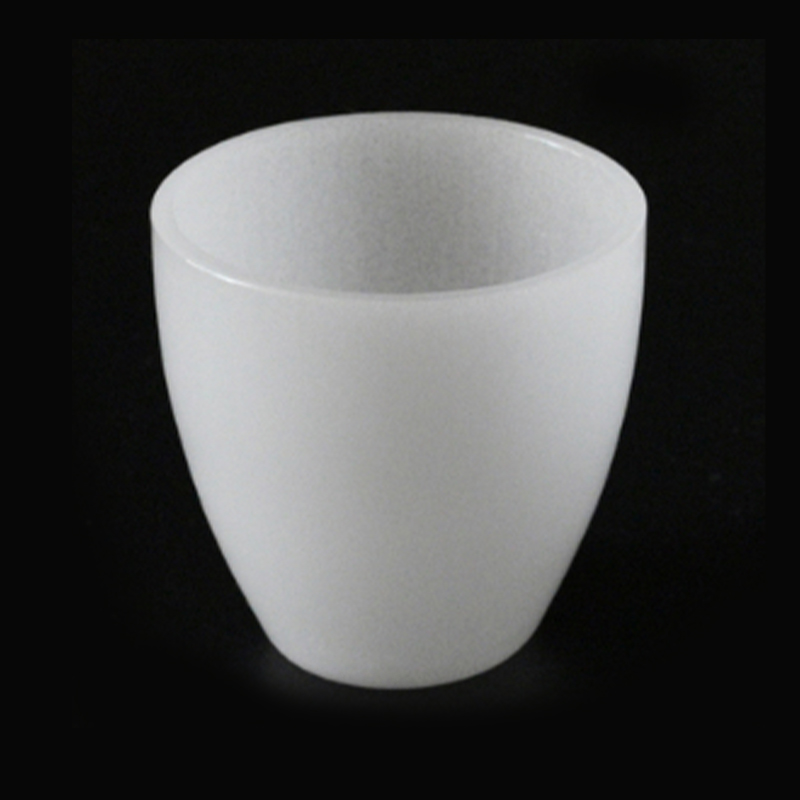
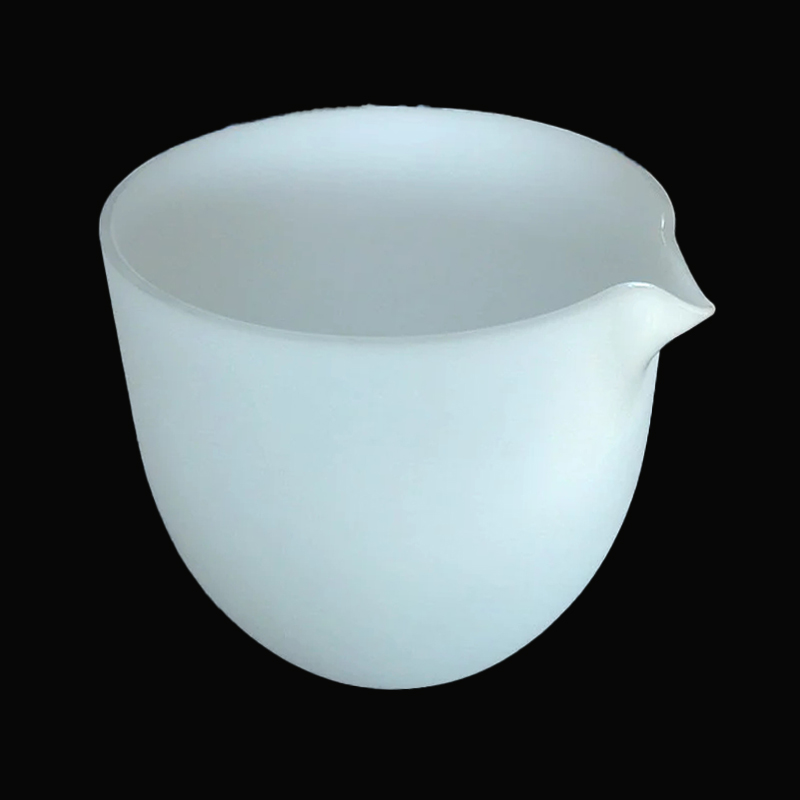

If you need any help, please feel free to contact us
 Products & Solutions
Home / News / Industry News / Fused Quartz Thermal Conductivity: Real Values, Trends & Sourcing Guide
Fused Quartz Thermal Conductivity: Real Values, Trends & Sourcing Guide
Content
- 1 What Fused Quartz Thermal Conductivity Actually Measures
- 2 Fused Quartz Thermal Conductivity vs Temperature
- 3 Grade, OH Content and Opacity: Why the Same Material Gives Different Numbers
- 4 Fused Quartz Compared with Borosilicate, Alumina, Graphite and Stainless Steel
- 5 How Fused Quartz Thermal Conductivity Is Measured and Reported
- 6 Specifying Quartz Ware When Thermal Conductivity Drives the Design
- 7 Application Scenarios Where Fused Quartz Thermal Conductivity Decides the Outcome
- 8 Sourcing Fused Quartz from a Manufacturer: What to Verify
- 9 Maintenance and Handling That Protects Thermal Performance
- 10 FAQ: Fused Quartz Thermal Conductivity
- 10.1 What is the thermal conductivity of fused quartz?
- 10.2 Does fused quartz thermal conductivity increase with temperature?
- 10.3 Is fused quartz a good thermal insulator?
- 10.4 How does fused quartz compare with borosilicate glass for thermal use?
- 10.5 Does OH content change thermal conductivity?
- 10.6 What is the maximum working temperature of fused quartz?
- 10.7 Can I use the room-temperature value for a 900 °C design?
- 11 Related Quartz Products and Further Reading
Fused quartz thermal conductivity is 1.4 W/m·K at 20 °C. That single figure sits behind a surprising amount of engineering: it decides how thick a furnace tube wall needs to be, how quickly a viewport reaches thermal equilibrium, why a 900 °C infrared heater does not melt the terminal block behind it, and how much of a wafer boat's heat load actually reaches the wafers it carries.
It is also one of the most misread numbers in quartz glass specification. Datasheets quote it at room temperature, designers apply it to a 900 °C hot zone, and the result is a wall thickness or a ramp rate that is either wasteful or unsafe. Fused quartz is not a metal. Its thermal conductivity rises with temperature instead of falling, and the gap between a room-temperature value and a hot-zone value can exceed 80%.
This guide collects the working numbers, the temperature curve, the grade-to-grade differences, the measurement pitfalls and the practical selection rules that matter when heat flow through quartz glass is part of the design problem. It is written for process engineers, equipment builders, laboratory managers and procurement teams who need to specify quartz tubes, rods, plates, crucibles, windows and heaters with confidence rather than guesswork.
- How fused quartz conducts heat, and why the mechanism differs from metals and dense ceramics.
- Thermal conductivity values from 20 °C to 1000 °C, and what the curve means in practice.
- How transparency, bubble content and hydroxyl (OH) content shift the effective number.
- How fused quartz compares with borosilicate glass, alumina, graphite and stainless steel.
- How the value is measured, and where high-temperature measurements go wrong.
- Specification, sourcing, quality control and maintenance rules for real projects.
Bottom line: treat 1.4 W/m·K as a room-temperature reference point only. For any hot-zone design above 400 °C, calculate with 1.8 to 2.6 W/m·K and confirm the grade with your quartz supplier.
What Fused Quartz Thermal Conductivity Actually Measures
Thermal conductivity is the rate at which heat passes through a unit thickness of material for a given temperature difference. The working equation for a flat wall is simple: heat flux equals conductivity multiplied by the temperature difference, divided by the wall thickness. A tube adds a logarithmic term because the area changes with radius, but the logic is identical. Every practical decision about quartz wall thickness, insulation backing, cooling air or ramp rate comes back to that equation.
What makes fused quartz interesting is how it carries heat. Metals conduct through free electrons, which is why copper reaches roughly 400 W/m·K. Fused quartz has no free electrons worth counting; it is an excellent electrical insulator at room temperature, and heat moves almost entirely through lattice vibrations, called phonons. In a crystal, those vibrations travel long distances before scattering. In fused quartz, the network of silicon-oxygen tetrahedra is disordered, so the mean free path of a phonon is limited to roughly interatomic distances. Heat gets scattered almost immediately, and the conductivity stays low.
Crystalline quartz proves the point by contrast. Measured along its optical axis, single-crystal quartz conducts heat at roughly 10.7 W/m·K at room temperature; across the axis the value falls to about 6.2 W/m·K. Fused quartz, having no axes, settles at about 1.4 W/m·K and stays isotropic in every direction. That isotropy is a genuine engineering advantage in round tubes, domes and crucibles, where a directional material would create hot stripes.
A worked example that shows the scale
Take a furnace tube with a 10 mm wall, 800 °C on the inside face and 200 °C on the outside face. Using a temperature-averaged conductivity of about 2.1 W/m·K, the heat flux is roughly 2.1 multiplied by 600, divided by 0.01 metres, which comes to about 126,000 W/m², or 12.6 W/cm². Put the same gradient across a 96% alumina wall and the flux jumps by more than an order of magnitude. That difference is why quartz is chosen for heated sight glasses and why it is never chosen as a structural thermal bridge.
The other half of the story is thermal shock. Fused quartz expands at roughly 0.55 ppm per °C, about one sixth that of borosilicate glass and one thirtieth that of stainless steel. A low expansion coefficient combined with moderate conductivity means the material tolerates steep gradients that would shatter soda-lime glass instantly. Low conductivity is not a defect here; it is part of a package.
Key point: fused quartz conducts heat through phonons in a disordered network, which is why it is isotropic, electrically insulating and about ten times less conductive than alumina at room temperature.
Fused Quartz Thermal Conductivity vs Temperature
Thermal conductivity is not a fixed number for fused quartz; it is a curve, and the shape of that curve surprises people who are used to metals. The value printed on almost every datasheet is measured at 20 °C, and that single data point says very little about how a furnace tube behaves at 900 °C. Because fused silica has no crystal lattice, heat is carried by phonons whose mean free path is already limited by the disordered atomic network, so the mechanism that governs the temperature response is different from both metals and dense ceramics. Metals lose conductivity as they heat up, and most crystalline ceramics do the same. Fused quartz does the opposite across most of its working range. That is why the chart below matters more than any single datasheet figure.
Thermal conductivity of clear fused quartz from 20 °C to 1000 °C (W/m·K)
1.4
20 °C
1.6
200 °C
1.8
400 °C
2.0
600 °C
2.3
800 °C
2.6
1000 °C
Indicative published values for clear fused quartz. Actual figures vary with grade, OH content, bubble class and measurement method.
Read the chart from left to right and the trend is unmistakable: the material becomes a better conductor as it gets hotter. At room temperature the value sits close to 1.4 W/m·K. By 400 °C it has climbed to roughly 1.8 W/m·K, an increase of about 30%. At 800 °C it approaches 2.3 W/m·K. Near 1000 °C it lands in the 2.5 to 2.8 W/m·K band, which is close to double the room-temperature figure.
The physics behind the rise is worth understanding because it explains why the curve never behaves the way a metal curve does. In an amorphous solid the phonon mean free path is already pinned near the interatomic spacing, so it cannot shrink much further with rising temperature. What changes instead is the population of vibrational modes that are excited. Above the Debye temperature, which for silica sits well below room temperature, the heat capacity of the glass approaches a constant while the conductivity continues to rise roughly in proportion to absolute temperature. In other words, the material is not creating better pathways for heat; it is filling the pathways it already has with more thermal energy.
Practically, that means a furnace tube running at 1000 °C transfers heat through its wall noticeably faster than a room-temperature datasheet predicts, and a thermal model built on 1.4 W/m·K will underestimate losses by nearly a factor of two. It also means the temperature gradient across the wall is smaller at high temperature than a naive calculation suggests, which is generally good news for stress analysis, because a smaller gradient means less differential expansion across the wall thickness.
A second contributor appears above roughly 600 °C: radiation. Photons begin to carry a meaningful share of the energy through a transparent silica wall, adding to the phonon contribution and pushing the effective conductivity higher still. This is where transparent and opaque quartz start to diverge. The micro-bubbles trapped in milky, opaque quartz scatter infrared radiation, suppressing the radiative term and making the material behave more like a pure phonon conductor at high temperature.
In an infrared heating tube, that scattering is deliberate. An opaque quartz envelope diffuses radiation into the chamber instead of letting it pass straight through, which improves uniformity and reduces hot spots on the target surface. For a sight glass or an optical window, transparency is the entire point, so the radiative term stays in play and the effective conductivity is higher than an opaque equivalent of the same dimensions.
Measurement becomes harder in the same temperature range. Contact resistance between the sample and the sensor, the sample's own emission, and heat loss through the fixture all influence high-temperature readings, which is why published curves for the same nominal material can differ by 15% or more above 800 °C. For design work, build the calculation from a temperature-averaged value across the actual operating band rather than from one endpoint, and always ask the supplier which grade the curve belongs to.
| Temperature | Thermal conductivity (W/m·K) | Ratio to 20 °C | Practical implication |
|---|---|---|---|
| 20 °C | 1.4 | 1.00 | Datasheet reference value used for most published comparisons |
| 100 °C | 1.5 | 1.07 | Barely different; low-temperature models hold |
| 200 °C | 1.6 | 1.14 | Oven and drying applications; losses slightly higher than quoted |
| 400 °C | 1.8 | 1.29 | Gradient across the wall becomes worth modelling |
| 600 °C | 2.0 | 1.43 | Radiative contribution begins to be measurable in clear quartz |
| 800 °C | 2.3 | 1.64 | Furnace tube losses materially higher than room-temperature estimates |
| 1000 °C | 2.6 | 1.86 | Close to double; use a temperature-averaged value for sizing |
Key point: fused quartz thermal conductivity roughly doubles between 20 °C and 1000 °C, so a single room-temperature datasheet value will understate heat loss in any hot-zone design.
Grade, OH Content and Opacity: Why the Same Material Gives Different Numbers
Two quartz tubes with identical dimensions and identical purity can still transfer heat at different rates above 600 °C. The reason is that conduction is only part of the story once radiation joins in, and radiation is highly sensitive to how the glass is made.
Transparent versus opaque quartz
Clear fused quartz is fully dense and transmits visible and near-infrared light. Opaque, milky white quartz contains a controlled dispersion of microscopic bubbles, typically a few micrometres across. Those bubbles do two things: they scatter radiation, and they slightly reduce the solid fraction of the wall. The result is a lower effective conductivity at high temperature, which is exactly what you want in an infrared heater envelope or a diffusion furnace baffle. Photon transport, not phonon transport, is the parameter being engineered.
Hydroxyl content
Hydroxyl groups dissolved in the silica network absorb strongly in the infrared, with a well-known band near 2.73 micrometres and a weaker overtone near 1.38 micrometres. Standard fused quartz carries roughly 150 to 200 ppm of OH; low-OH grades keep the figure below about 10 ppm. The difference has a small effect on lattice conduction but a very visible effect on infrared transmission, which in turn changes the radiative component of heat transfer through the wall. Low-OH fused silica is therefore the preferred grade for infrared windows, high-temperature sight glasses and any optical path that must carry mid-infrared energy. It also has a higher viscosity at elevated temperature, which improves sag resistance in horizontal furnace tubes.
Doping and special grades
Doped quartz tubing, produced by adding elements such as titanium or cerium to the melt, is used to filter specific ultraviolet wavelengths in germicidal lamps and UV reactors. Doping changes both the optical absorption edge and, marginally, the thermal behaviour of the glass. Semiconductor-grade quartz is a purity specification rather than a thermal one, but it matters in practice: metallic contamination on the surface of a quartz part acts as a flux, lowering the temperature at which the surface devitrifies into cristobalite. Crystallised silica has a different expansion behaviour from the glass, so a contaminated hot spot becomes a crack initiation site long before the material's nominal maximum temperature is reached.
Key point: above 600 °C the effective conductivity depends as much on bubble content and OH level as on the base material, so specify the grade, not just the dimensions.
Fused Quartz Compared with Borosilicate, Alumina, Graphite and Stainless Steel
Choosing fused quartz is rarely about conductivity alone. It is about the combination of conductivity, expansion, maximum service temperature and chemical inertness. Borosilicate glass is cheaper and easier to form but softens around 500 °C. Alumina conducts heat twenty times faster and handles higher temperatures, but it is brittle under steep gradients and cannot be quenched. Graphite is an excellent conductor and survives extreme temperatures in inert atmospheres, yet it cannot be used in oxidising conditions without a coating. Stainless steel is tough and weldable but expands thirty times more than quartz and contaminates sensitive processes.
| Material | Thermal conductivity (W/m·K) | Expansion coefficient (ppm/°C) | Maximum continuous use | Thermal shock behaviour |
|---|---|---|---|---|
| Fused quartz | 1.4 | 0.55 | 1000 to 1100 °C | Excellent; survives rapid quenching from red heat |
| Borosilicate glass 3.3 | 1.1 | 3.3 | 450 to 500 °C | Good, but limited by softening |
| Soda-lime glass | 1.0 | 9.0 | 300 to 400 °C | Poor; cracks under modest gradients |
| 96% alumina ceramic | 25 | 7.5 | 1500 °C | Fair; requires controlled ramps |
| Graphite (fine grain) | 100 to 150 | 4 to 5 | 2500 °C in inert gas | Good in non-oxidising atmospheres |
| Stainless steel 304 | 16 | 17 | 870 °C | Fair; distorts and oxidises |
The pattern is consistent: fused quartz sits at the bottom of the conductivity table and simultaneously at the top of the thermal shock table. That combination is unusual. Most low-conductivity materials are also fragile under steep gradients, because the surface and the core expand by different amounts. Fused quartz avoids that trap because its expansion coefficient is so small that even a large temperature gradient produces a modest strain.
There is a formal way to express this. The thermal shock resistance parameter combines tensile strength, Poisson's ratio, elastic modulus and expansion coefficient. For fused quartz, the low expansion term dominates the calculation and pushes the parameter high enough that a 3 mm wall can be quenched from 1000 °C into water without failing, provided the surface is clean and free of deep flaws. Alumina, with a similar strength but fourteen times the expansion, cannot survive the same treatment.
Where alumina wins is in total heat throughput. If a process needs to move heat quickly through a wall, quartz is the wrong choice. Where the process needs to hold a gradient, protect a seal, isolate a hot zone from a cold one, or let radiation through, quartz wins.
Key point: the value of fused quartz is the combination of very low conductivity and very low expansion; neither property alone explains why it survives thermal cycling that destroys denser materials.
How Fused Quartz Thermal Conductivity Is Measured and Reported
Understanding how the number is produced helps you judge whether a quoted value applies to your situation. Several methods are in common use, and they do not all measure the same thing.
- Transient plane source, also called the hot disk method. A flat sensor acts as both heater and thermometer, and the thermal conductivity is derived from the temperature rise over a few seconds. It is fast, works from cryogenic temperatures to roughly 1000 °C, and is covered by ISO 22007-2. It is the most common method used for reporting a single number on a quartz datasheet.
- Laser flash diffusivity. A short laser pulse heats one face of a disc and an infrared detector records the temperature rise on the opposite face. The method yields thermal diffusivity, which is converted to conductivity by multiplying by density and specific heat. It is governed by ASTM E1461 and is the standard route for high-temperature data.
- Guarded hot plate. A steady-state method in which a sample is sandwiched between a hot and a cold plate. It is accurate but slow, and it struggles above a few hundred degrees because of heat losses around the edges.
- Radial flow and comparative cut-bar methods. These are steady-state techniques suited to cylindrical or bar specimens and remain useful for fused quartz tubes because they can be applied to the actual product geometry rather than a machined coupon.
- Three-omega and thin-film methods. Reserved for films and coatings, where the substrate dominates and ordinary bulk methods cannot resolve the layer being tested.
Each method carries its own error budget. Transient methods are sensitive to how well the sensor contacts a smooth, hard surface, and fused quartz is both smooth and hard, so contact can be imperfect. Steady-state methods are sensitive to edge losses and to the thermal resistance of the interface. Above roughly 800 °C, radiative exchange between the specimen and the surrounding fixture becomes significant in every method, and the reported value may include a contribution that depends on the apparatus rather than the material.
There is also a specification question that buyers should ask directly: is the reported value a single room-temperature measurement, a curve, or a temperature-averaged figure? A datasheet that lists one number at 20 °C is perfectly adequate for a room-temperature optical application and completely inadequate for a 1000 °C furnace tube. A supplier who can provide a measured curve for the specific grade, or at least a set of three or four points across the working range, is telling you something valuable about their process control.
Key point: always confirm whether a quoted conductivity is a single 20 °C value or a temperature-resolved curve, because the two answer different engineering questions.
Specifying Quartz Ware When Thermal Conductivity Drives the Design
Once you accept that conductivity varies with temperature, the specification process becomes more concrete. The goal is to fix the variables that actually influence heat flow and to leave as little as possible to assumption.
Wall thickness and diameter
Heat flow through a cylindrical wall is inversely proportional to the logarithm of the outer-to-inner radius ratio. Doubling the wall thickness does not halve the losses; it reduces them by a smaller amount than most people expect. Because quartz tubing is available in a wide range of wall thicknesses, from thin capillary bore to heavy-wall sleeves, the practical advice is to start from the mechanical and process requirement and then check whether the resulting heat loss is acceptable, rather than adding wall thickness purely as insulation.
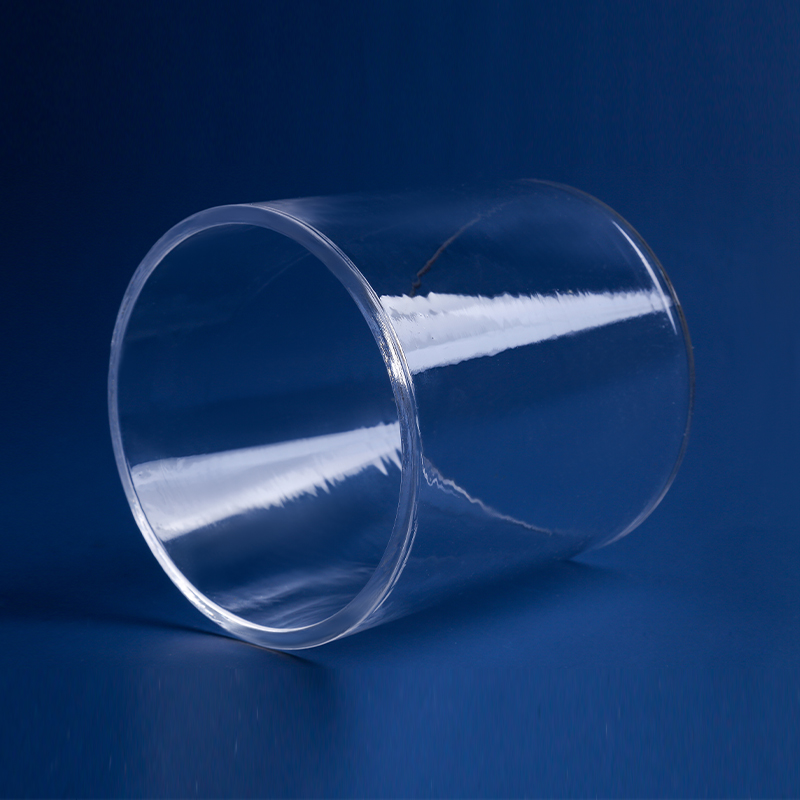
Large diameter tubing for furnace and UV reactor service is a good example. A 150 mm outer diameter tube with a 4 mm wall is stiff enough for most vertical furnace applications and loses far less heat than a 10 mm wall of the same diameter. If the tube must also support a load or resist vacuum collapse, the thickness decision belongs to the mechanical engineer, and the thermal calculation follows.
Geometry, tolerance and finish
- Diameter and ovality tolerances, which control how well the tube fits a flange or a heated block and therefore how uniform the contact is.
- Wall thickness tolerance, which affects local heat flux and can produce hot stripes in a heating element.
- Bubble class and inclusion limits, which influence both radiation scattering and mechanical strength.
- OH content, which controls infrared transmission in window and heater applications.
- Annealing state, since residual stress from forming can reduce thermal shock performance even when the geometry is correct.
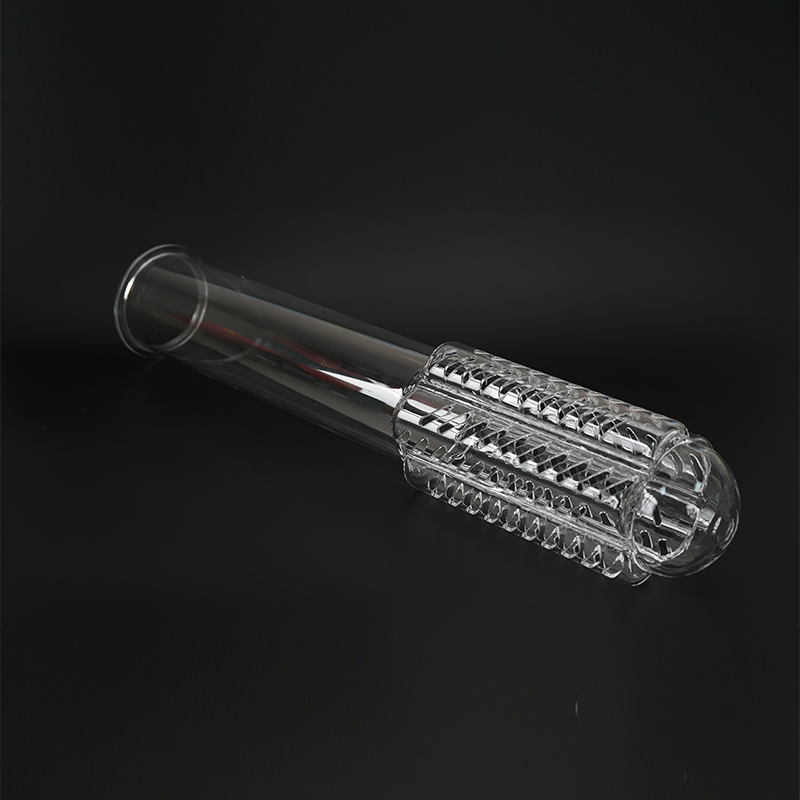
For custom work, the design conversation usually moves quickly from a standard tube to a fabricated assembly. Flanged tubes, domes, viewports and precision windows all involve joints that must survive the same thermal cycles as the body.
Standard transparent quartz tubing remains the workhorse of the catalogue, and its published dimensions usually cover the wall thickness range needed for most furnace and reactor builds.
Key point: specify wall thickness from mechanical need first, then verify the resulting heat loss with a temperature-averaged conductivity rather than adding thickness as a substitute for insulation.
Application Scenarios Where Fused Quartz Thermal Conductivity Decides the Outcome
In several industries the conductivity value stops being an academic property and becomes the reason a component exists in quartz rather than in another material.
Semiconductor and photovoltaic processing
Diffusion furnace tubes, wafer boats and crucibles operate between 1000 °C and 1450 °C depending on the process. The quartz wall must hold a steep gradient, remain dimensionally stable, and avoid releasing contaminants. Low conductivity keeps the outer wall cool enough for elastomer seals and metal flanges, while low expansion keeps the tube from stressing the support structure. Crucibles for crystal growth face a different problem: the melt must be held while the crucible itself resists softening, and controlled heat extraction through the crucible wall partly determines crystal quality.
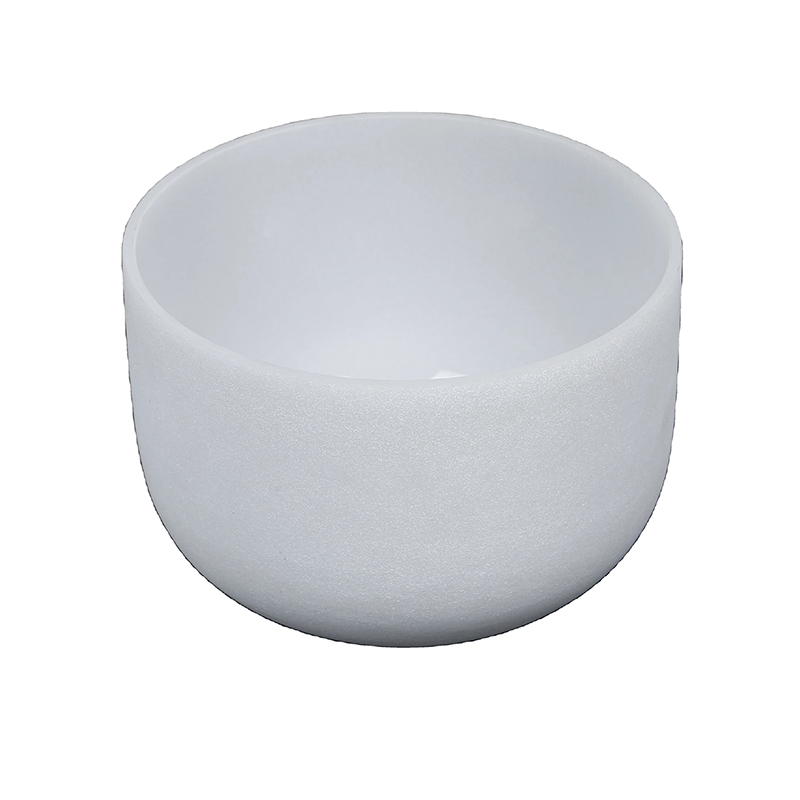 Semiconductor (electronic grade) quartz crucibleSemiconductor quartz crucibles have high purity requirements, generally requiring SiO2 purity to exceed 99.998%, impurity content to be less than 10ppm, and gas-liquid...View Product →
Electronic-grade crucibles are specified for exactly this combination of purity, thermal stability and predictable heat transfer.
Infrared heating
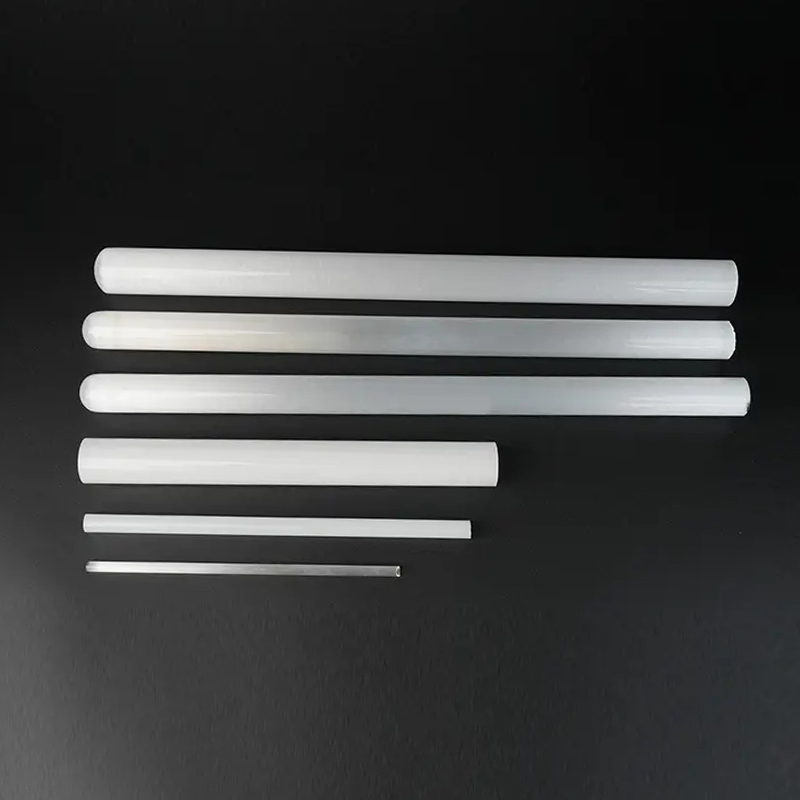
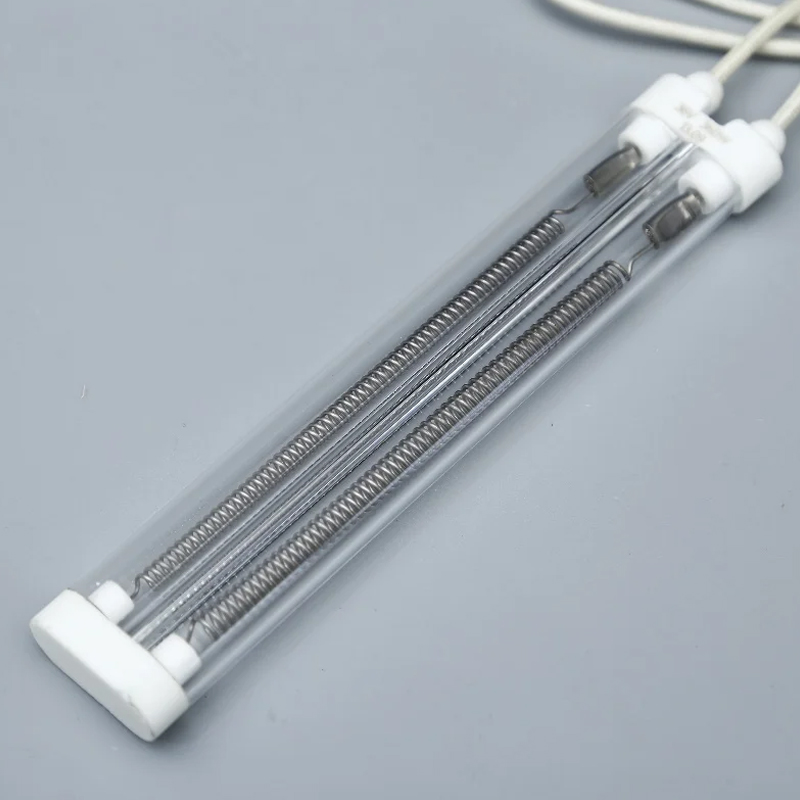
Quartz infrared heating tubes work because the envelope can be at 800 °C or more while remaining transparent or translucent to the emitted radiation. Carbon fibre, nickel-chromium alloy and tungsten filament elements are all sealed inside quartz envelopes for this reason. Opaque quartz is frequently chosen because the micro-bubbles diffuse the radiation and produce a broader, more uniform heating pattern, which matters in thermoforming, paint curing and food processing.
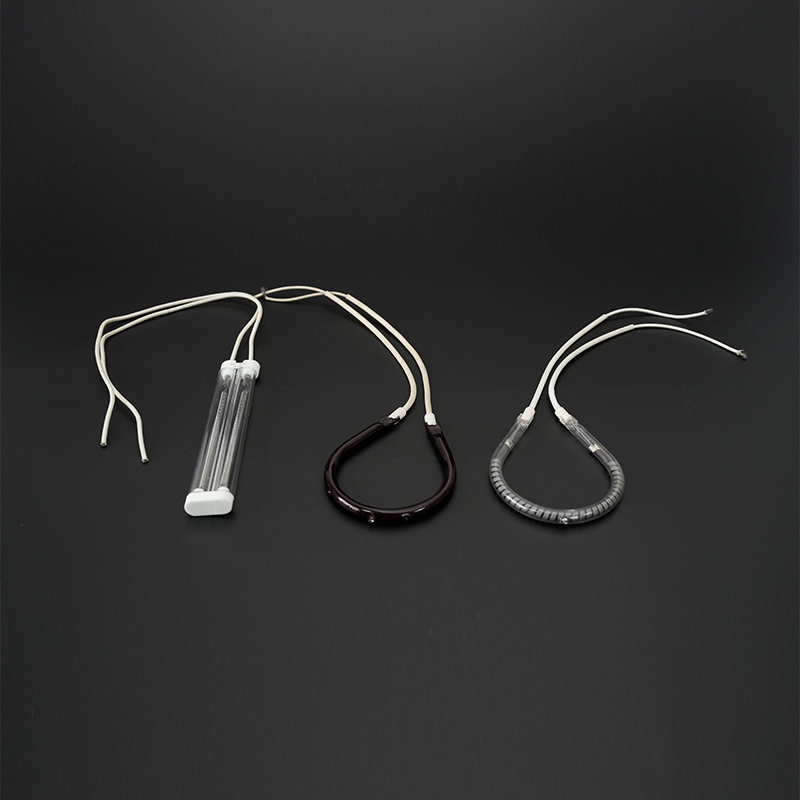
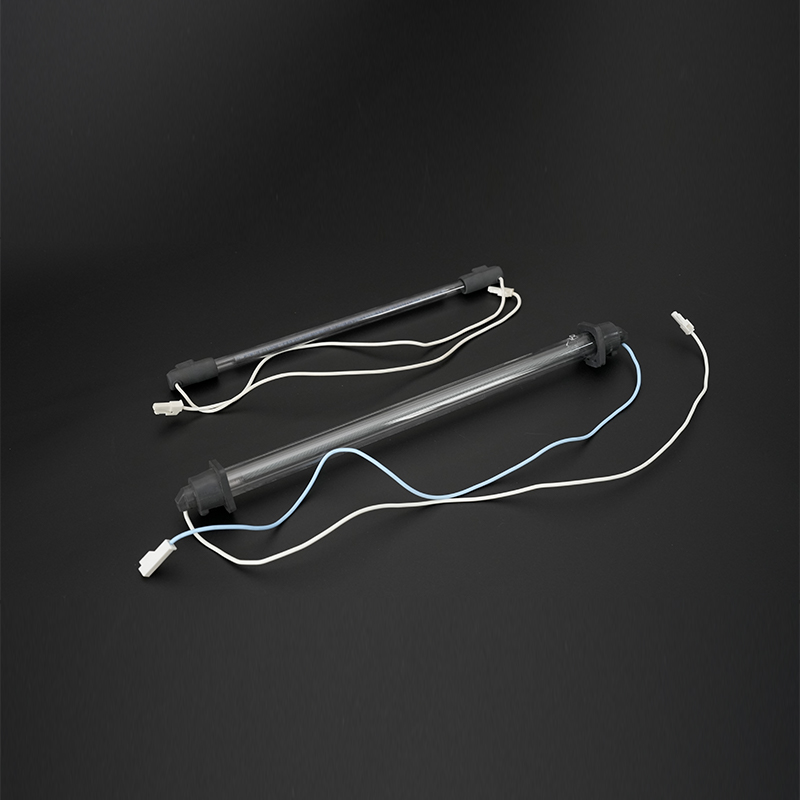
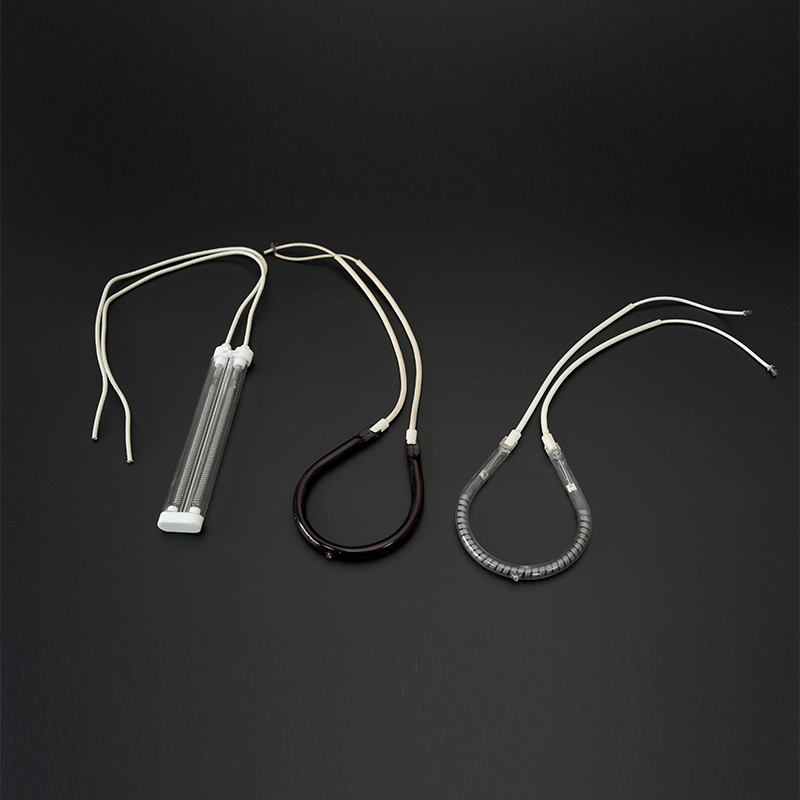 Transparent Quartz Infrared Heating TubeTransparent quartz infrared heating tube is a heating device that uses high-purity quartz glass as the shell and has a built-in heating element (such as nickel-chromiu...View Product →
Transparent infrared heating tubes are used where direct radiant transfer and fast response are more important than diffusion.
Laboratory, optical and ultraviolet equipment
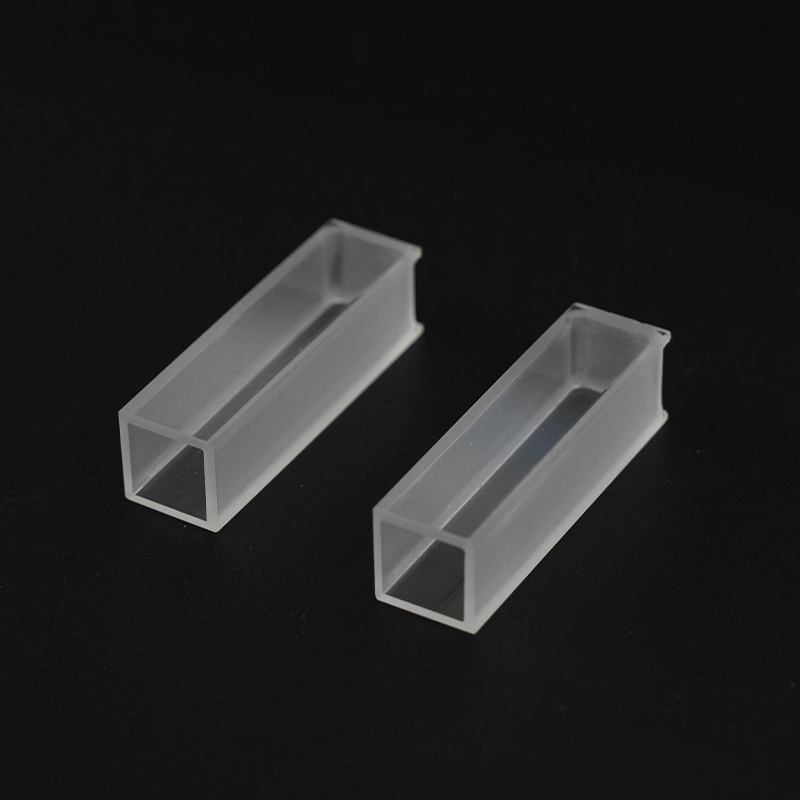
Cuvettes, digestion tubes, evaporating dishes and combustion boats all rely on the same combination of chemical inertness and controlled heat transfer. In analytical instruments, a quartz cuvette that conducted heat like metal would distort its own optical path within seconds of being placed in a heated cell holder. Optical windows and sight glasses face the opposite constraint: they must transmit radiation while limiting conducted heat to the mounting flange, which is why thin, low-OH windows with flanged or domed profiles are common in high-temperature viewing ports.
Ultraviolet disinfection and reactors
Germicidal lamps and UV reactors use quartz sleeves because the material transmits the 254 nm emission line and tolerates the thermal load of the lamp. Doped quartz grades can be tuned to filter unwanted wavelengths while keeping the sleeve mechanically stable.
Key point: quartz appears in these applications precisely because low conductivity protects seals and sensors while low expansion allows the part to survive the resulting gradients.
Sourcing Fused Quartz from a Manufacturer: What to Verify
Because conductivity, OH content and bubble class are all process-dependent, the supplier's control of the melting and forming process determines whether the delivered part matches the datasheet. A few checks separate a reliable quartz manufacturer from a trader who resells unspecified stock.
- Ask for the grade designation, not just the product name. Clear, opaque, low-OH, doped and semiconductor-grade materials behave differently and are ordered differently.
- Request traceability from the ingot or tube batch to the finished part, particularly for semiconductor and photovoltaic applications where contamination control matters.
- Confirm dimensional tolerances in writing, including wall thickness variation along the length, which directly affects local heat flux.
- Ask whether the supplier can provide measured thermal data or only published literature values, and whether those values correspond to the grade being quoted.
- Check annealing practice. A properly annealed part has lower residual stress and therefore better thermal shock performance.
- Clarify the dimensional and optical inspection routine: bubble count, inclusion size limits, transmission checks for optical grades, and visual standards for surface flaws.
- Confirm packaging and handling, because surface contamination from cardboard, tape residue or bare hands can seed devitrification at high temperature.
For volume programmes, the commercial questions matter as much as the technical ones. A wholesaler or distributor can move standard catalogue items quickly, but custom diameters, non-standard wall thicknesses, flanged assemblies and precision-ground components usually require direct engagement with the production plant. That is where batch consistency, lead time and the ability to hold a specification over multiple deliveries become the deciding factors.
Consider requesting a sample for verification before committing to a production run. A short thermal cycling test on a sample tube, combined with a dimensional check, will reveal more about process control than any certificate alone. If the application is sensitive to infrared transmission, ask for a transmission measurement on the actual delivered batch rather than a generic curve from the material family.
Key point: specify the grade, the tolerances and the inspection method together; a quotation that lists only dimensions has not yet specified the part.
Maintenance and Handling That Protects Thermal Performance
Quartz components rarely fail because the thermal conductivity changed. They fail because the surface changed. Devitrification, contamination and mechanical damage all alter how a part behaves under thermal load, and most of that damage is preventable.
Avoid devitrification
Above roughly 1100 °C, fused silica begins converting to cristobalite, starting at the surface. The transformation is dramatically accelerated by alkali and alkaline-earth contamination, which acts as a flux. Sodium from fingerprints, calcium from tap water, and potassium from some refractory cements are the usual suspects. Clean the part before it enters a hot zone, and store it wrapped rather than stacked on an open shelf.
Control ramp rates
Fused quartz tolerates fast ramps better than almost any other transparent material, but that tolerance is not unlimited, and it depends on geometry. Thin-walled tubes and small windows can be pushed hard. Thick flanges, heavy-wall sleeves and large domes develop larger internal gradients and should be brought up to temperature more slowly, particularly if the part has any prior surface damage.
Support the part properly
Quartz that is clamped rigidly between metal fixtures will be stressed when the assembly heats up, because the metal expands far more than the glass. Use compliant supports, generous clearances and materials with expansion coefficients closer to silica where possible. Where a quartz tube passes through a metal plate, a fibrous gasket or a machined graphite ring usually performs better than a hard contact.
Clean without scratching
Abrasive cleaning creates surface flaws, and flaws concentrate stress. Mild detergent, deionised water and a lint-free wipe are usually sufficient. For heavy deposits, dilute acid followed by thorough rinsing is safer than mechanical scraping. Abrasion-resistant quartz grades exist for applications where the surface will be exposed to particulate wear, and they are worth specifying at the design stage rather than after the first failure.
Watch the hot spots
A localised hot spot on a quartz part usually indicates uneven contact, a partially blocked infrared path or a conductive contaminant. Because fused quartz does not conduct heat away quickly, the hot spot stays hot, and devitrification begins there. Periodic inspection with a thermal camera during operation will catch the problem long before the part cracks.
Key point: contamination control and compliant mounting protect thermal performance more effectively than any change to the material specification.
FAQ: Fused Quartz Thermal Conductivity
What is the thermal conductivity of fused quartz?
At 20 °C, clear fused quartz has a thermal conductivity of approximately 1.4 W/m·K. The value is isotropic, meaning it is the same in every direction, because the material is amorphous rather than crystalline.
Does fused quartz thermal conductivity increase with temperature?
Yes. It rises gradually to around 1.8 W/m·K at 400 °C, 2.3 W/m·K at 800 °C, and roughly 2.6 W/m·K at 1000 °C. The increase is a consequence of phonon transport in a disordered network, and it is the opposite of the behaviour seen in most metals.
Is fused quartz a good thermal insulator?
Compared with metals and dense ceramics, yes. It is roughly ten times less conductive than 96% alumina and more than ten times less conductive than stainless steel. For comparison with purpose-made insulation, however, it is not competitive; mineral wool and silica aerogel have far lower conductivity, and quartz is chosen for its transparency, purity and thermal shock resistance rather than for insulation value alone.
How does fused quartz compare with borosilicate glass for thermal use?
Borosilicate glass 3.3 conducts heat at about 1.1 W/m·K, slightly less than fused quartz, but its expansion coefficient is six times higher and its maximum continuous service temperature is roughly half. For high-temperature work, fused quartz wins on thermal shock resistance and service temperature even though its conductivity is marginally higher.
Does OH content change thermal conductivity?
The lattice contribution changes only slightly, but hydroxyl content strongly affects infrared absorption, which changes the radiative component of heat transfer at high temperature. Low-OH grades are preferred for infrared windows and for applications where transmission of mid-infrared energy matters.
What is the maximum working temperature of fused quartz?
Transparent fused quartz is typically rated for continuous service around 1000 to 1100 °C, with short excursions somewhat higher. The practical limit is usually set by devitrification and by the mechanical load on the part rather than by thermal conductivity itself.
Can I use the room-temperature value for a 900 °C design?
No. Using 1.4 W/m·K at 900 °C will underestimate heat flow by roughly 70 to 80%. Use a temperature-averaged value across the operating range, typically 1.9 to 2.2 W/m·K for a service band spanning 200 °C to 900 °C, and verify with the supplier whether their grade data supports it.
Key point: one number at 20 °C is a starting reference, not a design value; the grade and the operating temperature together define usable fused quartz thermal conductivity.
Related Quartz Products and Further Reading
If the thermal calculation points to a specific geometry or grade, the following catalogue pages cover the two most commonly requested directions.
- Large diameter quartz tubing for furnace tubes and UV reactor sleeves, where wall thickness selection directly controls heat loss and mechanical stability.
- Low-OH fused silica for infrared windows, sight glasses and high-temperature optical paths where hydroxyl absorption and radiative transfer both matter.
Both directions share the same underlying rule: the thermal behaviour of the finished part depends on the grade, the geometry and the surface condition together, so the specification should be written as a single package.
Key point: match the grade to the heat-transfer mechanism that dominates in your application, whether that is phonon conduction, radiative transmission or both.
Fused quartz thermal conductivity is best understood as a range rather than a constant: approximately 1.4 W/m·K at room temperature, rising to about 2.6 W/m·K near 1000 °C, and further influenced by whether the glass is clear or opaque, high-OH or low-OH, thin-walled or heavy-walled. Engineers who carry that range into their calculations avoid the two most common mistakes in quartz design, which are undersizing insulation around a hot tube and overestimating the heat that can be dumped through a quartz wall into a cooling system.
The practical workflow is short. Fix the mechanical and process requirement first. Select the grade on the basis of transmission, purity and temperature. Calculate heat flow with a temperature-averaged conductivity. Confirm the numbers with a supplier who can speak to the specific batch, and then protect the part with clean handling, compliant mounting and a controlled ramp. Do those four things and the material will outperform almost anything else available at the same cost.
Featured Products
Copyright © Yancheng Mingyang Quartz Products Co., Ltd. All Rights Reserved.
Wholesale Quartz Products Manufacturer Quartz Glass Factory