

 +86-0515-86223369
 0
 en
 English
 日本語
 Español


If you need any help, please feel free to contact us
 Products & Solutions
Home / News / Industry News / Fused Silica Melting Point: Thermal Limits for Industrial and Lab Buyers
Fused Silica Melting Point: Thermal Limits for Industrial and Lab Buyers
Content
- 1 Fused silica melting point: the number to use before you buy
- 2 Why fused silica has no single melting point
- 3 The practical temperature envelope for quartz parts
- 4 What changes melting and softening behavior
- 5 Melting point versus working temperature: specifications that prevent failures
- 6 Matching fused silica grade to application
- 7 How to evaluate a quartz glass supplier or wholesaler
- 8 Quality checks before production
- 9 FAQ: fused silica melting point and working limits
- 10 Getting the specification right
Fused silica melting point: the number to use before you buy
A furnace engineer comparing a 1,200 °C tube with a 1,650 °C window does not need a single melting figure as much as a temperature map. The fused silica melting point is commonly quoted near 1,713 °C, but that number sits at the end of a process, not at the start of a practical specification.
The useful answer is this: specify fused silica by softening point, strain point, working temperature, thermal shock, and application environment, then use the melting range as a reference. A part can be well below its melting point and still deform, devitrify, or fail in service if the grade and geometry are wrong.
For purchasing decisions, treat 1,713 °C as a reference melting range, not as a safe operating temperature for a finished quartz part.
Why fused silica has no single melting point
Fused silica is an amorphous glass, not a crystalline solid with a sharp lattice collapse point. As it heats, it passes through a strain point, an annealing range, and a softening range before it reaches a liquidus region. That is why the melting temperature of fused quartz is often described as a range or a reference value rather than a precise working limit.
For buyers, this matters because two suppliers can quote the same “melting point” while offering materials with different hydroxyl content, bubble classes, dopants, and surface conditions. The better question is not only “What is the melting point?” but also “Where does this grade stop holding shape under my load, atmosphere, and cycle?”
| Reference point | Typical value | What it means for a quartz part | Purchasing question |
|---|---|---|---|
| Strain point | About 1,070 °C | Internal stress begins to relax quickly; dimensional stability becomes a concern. | Will the part be supported and cooled slowly after high-temperature use? |
| Annealing point | About 1,140 °C | Stress relief is practical, but the glass is not ready for heavy load at this level. | Does the supplier control annealing for tubes, rods, and custom assemblies? |
| Softening point | About 1,665 °C | The glass softens enough to deform under its own weight or external load. | Is the actual service temperature continuous or a short excursion? |
| Melting range | About 1,713 °C | A reference liquidus value for high-purity fused silica, not a routine use limit. | Is the quote based on material data or on a finished-part test? |
| Common continuous use range | About 1,100 to 1,200 °C | Many industrial grades are used in this band with appropriate support and cycling control. | Can the manufacturer confirm grade, load, atmosphere, and expected life? |
The melting point of fused silica is a material reference; the real limit for a part is usually set by softening, stress, and service conditions.
The practical temperature envelope for quartz parts
Quartz glass melting point figures are often compared side by side, but a temperature chart is more useful when it separates reference points from use limits. The values below show why a part rated for 1,200 °C service should not be treated as if it were operating near 1,713 °C.
Approximate fused silica temperature thresholds, °C
Strain point
1,070
Annealing point
1,140
Softening point
1,665
Melting range reference
1,713
The chart helps explain why transparent quartz tubes, fused silica rods, and optical plates are selected by application rather than by one headline number. A large-diameter tube under vacuum may need a lower surface temperature than a small, well-supported window because mechanical load changes the risk. A quartz infrared heating tube may tolerate rapid cycles that would be unwise for a thick sight glass with a sealed flange.
Yancheng Mingyang Quartz Products covers several product families that sit at different points on this temperature map, from high-purity fused quartz material to finished tubes, rods, plates, crucibles, and labware. That range matters because a supplier who understands both material grade and part geometry can quote a realistic working limit instead of repeating a generic melting point.
When comparing quotes, ask for the expected continuous temperature, the short-term excursion, the atmosphere, the support method, and the cleaning process. Those five details often separate a part that lasts from one that sags, cracks, or devitrifies after a few cycles.
A quartz part is more likely to be limited by its support, geometry, and thermal cycle than by the published fused silica melting point.
What changes melting and softening behavior
Purity and hydroxyl content
High-purity fused quartz is chosen for low metallic contamination and controlled hydroxyl levels. Low-OH fused silica can be preferred where infrared transmission or dimensional stability matters, while standard grades may suit general lab or industrial work. These differences do not usually move the quoted melting range by hundreds of degrees, but they can change viscosity, bubble behavior, and the way a part performs near its upper temperature limit.
Dopants and opacity
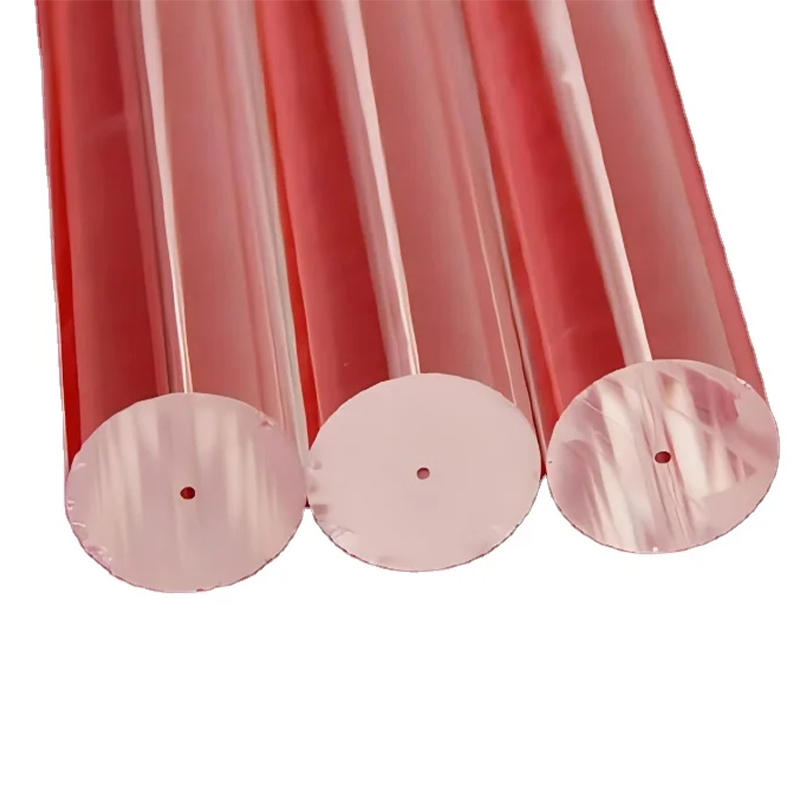
Doped quartz tubing, milky quartz, and red quartz are made for specific optical or thermal effects. A dopant or opacifier can change absorption and heat distribution, so the surface may run hotter than the furnace set point. For UV filtration or infrared heating, the material grade should be matched to the wavelength and thermal load, not selected only by melting point.
Geometry, load, and surface condition
A thin capillary tube, a heavy-wall sleeve, a flanged sight glass, and a crucible all respond differently to heat. Thick sections can carry more load but may develop larger thermal gradients. Scratches, cutting marks, and contaminated surfaces can become initiation points for cracks or devitrification. For custom parts, the drawing tolerance and edge finish deserve as much attention as the material data sheet.
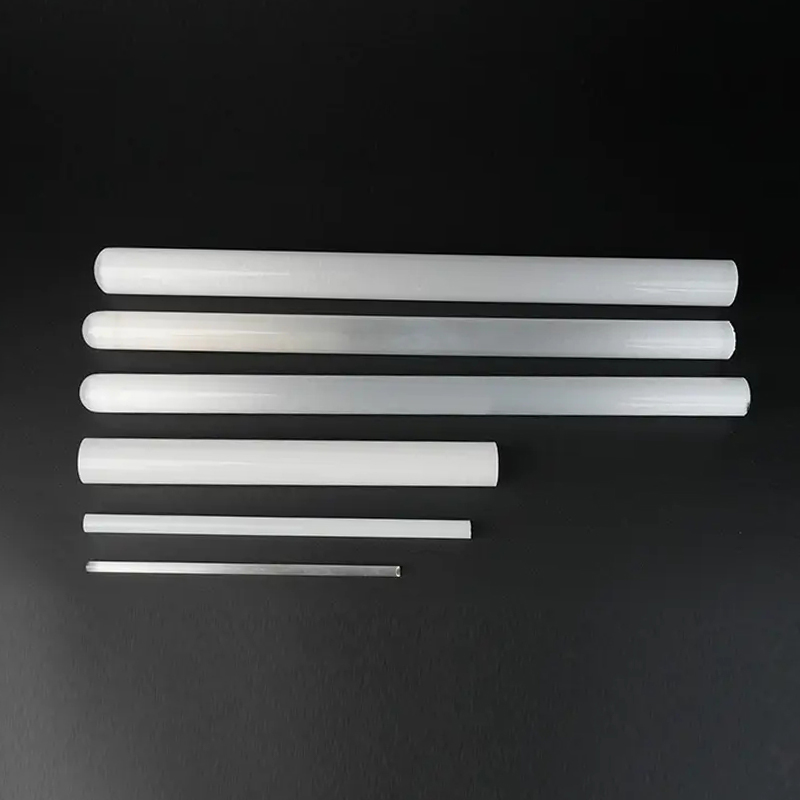
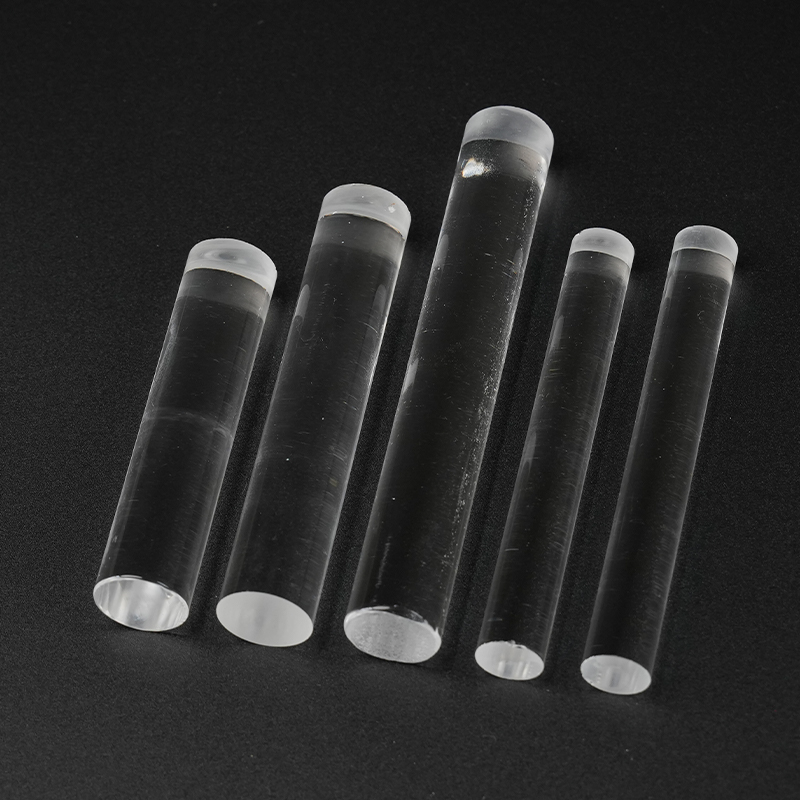
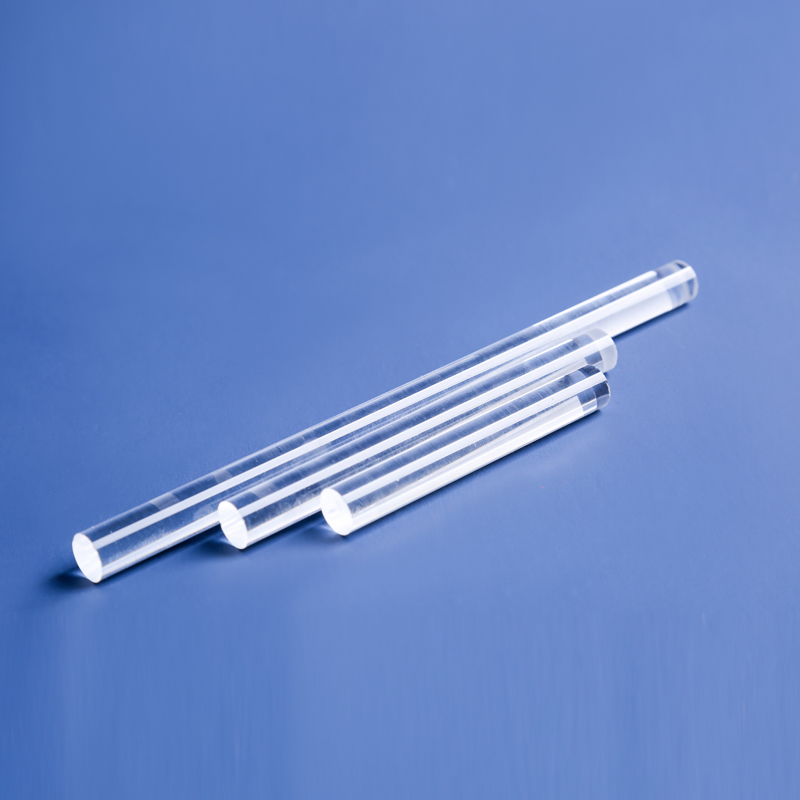
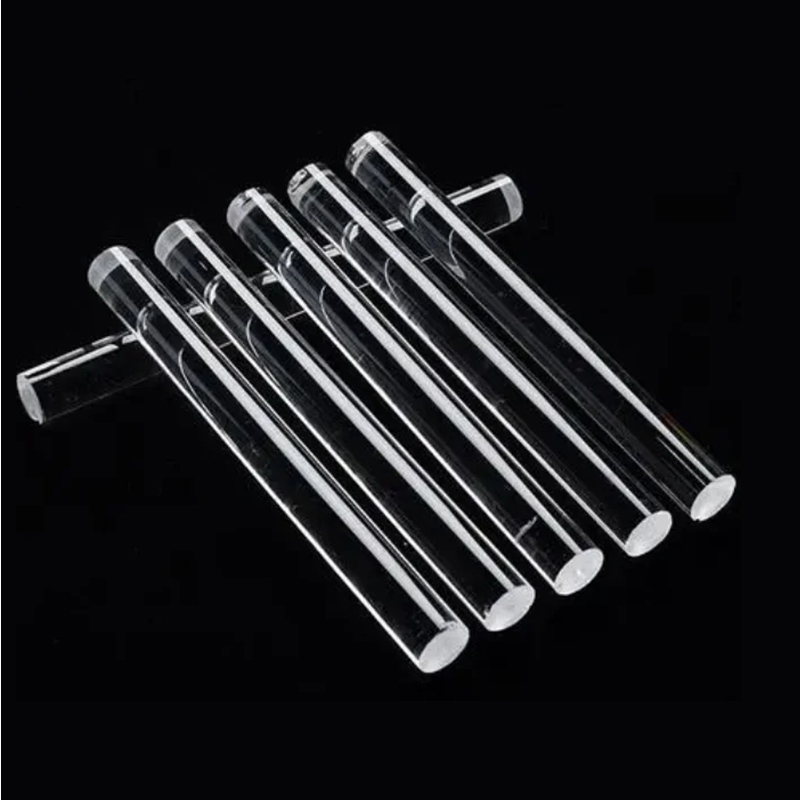
 High-Temperature Resistant Quartz Rods for Furnace and Lab UseQuartz glass rods rated for high-temperature use, available in clear or opaque forms and multiple diameters; check furnace duty and end connections.View Product →
For high-temperature rod applications, a grade such as high-temperature resistant quartz rod is often evaluated together with the support span, end connection, and cleaning routine. A buyer should confirm whether the rod is intended for continuous furnace use, a short thermal pulse, or a vacuum feedthrough.
Grade, dopant, thickness, surface finish, and mechanical load can shift the safe working limit even when the base fused silica melting point is unchanged.
Melting point versus working temperature: specifications that prevent failures
A specification that says only “fused silica, melting point 1,713 °C” leaves too much open. The purchasing team still needs to know the maximum continuous temperature, the allowable short excursion, the thermal shock profile, the atmosphere, and the acceptance criteria for bubbles, inclusions, and dimensions.
Thermal shock
Fused silica has a low coefficient of thermal expansion, which helps it resist thermal shock compared with many other glasses. That advantage does not remove the need for controlled heating and cooling, especially in thick parts, sealed flanges, and large-diameter tubing. A fast quench from a hot furnace to room air can create tensile stress at edges and joints.
Devitrification and contamination
At high temperature, surface contamination from oils, fingerprints, dust, or certain metals can promote devitrification, where the glass begins to crystallize. The result can be a cloudy surface, local stress, or particle generation. For semiconductor, photovoltaic, and analytical applications, cleaning and handling instructions are part of the product specification, not an afterthought.
Vacuum, pressure, and support
A quartz tube under vacuum is not in the same mechanical state as a free-standing tube in air. Pressure differential, end constraints, and support spacing can lower the safe temperature because the glass softens under load long before it melts. Similarly, a quartz plate used as a window must be assessed for clamping force and gasket compression.
- State the continuous temperature and the duration of any peak temperature.
- Describe the atmosphere, including vacuum, inert gas, air, or process vapors.
- Provide the load, support method, and any rigid connections.
- Set limits for bubbles, inclusions, hydroxyl content, and dimensional tolerance.
- Agree on cleaning, packaging, and handling before the first production run.
Write the working temperature, thermal cycle, atmosphere, and support method into the purchase specification; a melting point alone is not enough.
Matching fused silica grade to application
Semiconductor and photovoltaic processes
Semiconductor and solar processes use quartz crucibles, boats, furnace tubes, and other high-purity parts where contamination control is critical. The melting point reference is useful for material understanding, but the buying decision usually turns on purity, dimensional stability, bubble class, and the supplier’s ability to clean and pack the part for a cleanroom or furnace environment.
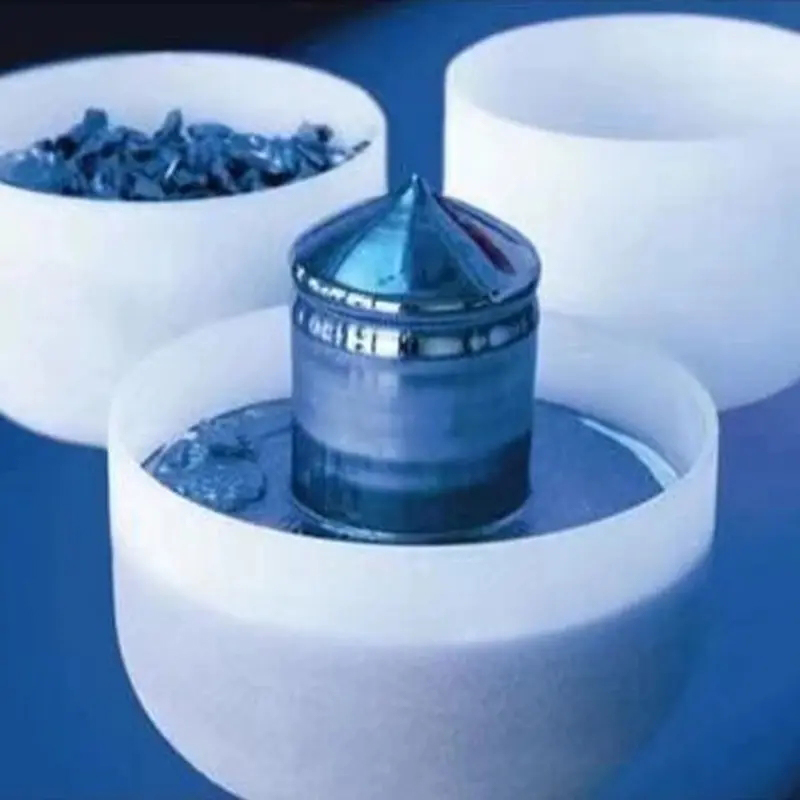
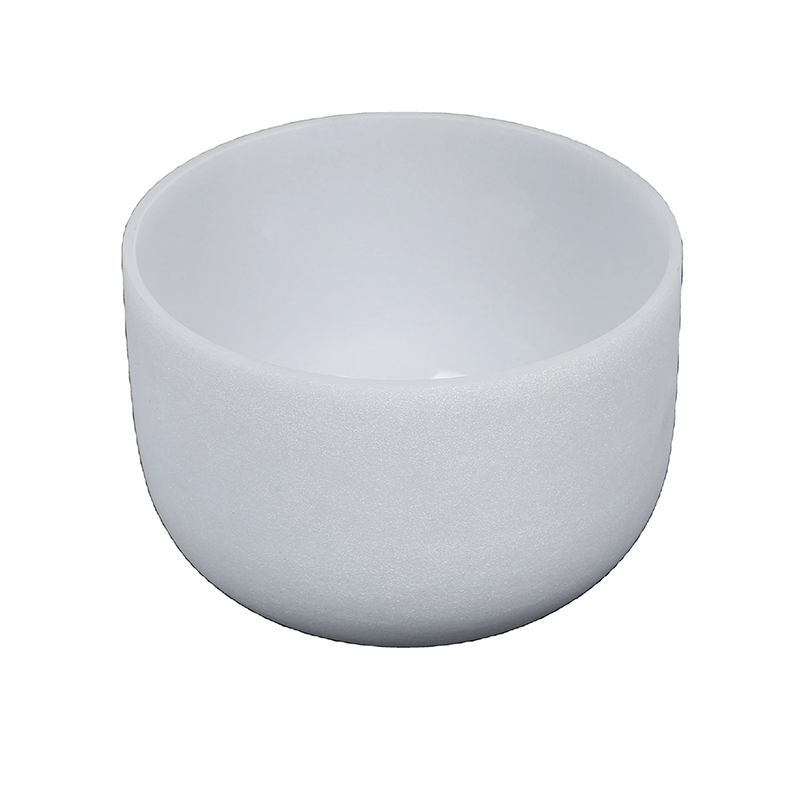 Electronic-Grade Quartz Crucibles for Semiconductor and Solar ProcessesHigh-purity quartz crucibles with specified impurity limits and sizes from 14 to 28 inches; review melt material, thermal cycle, and wall thickness.View Product →
For crucible inquiries, a manufacturer should ask about the melt material, the thermal cycle, the required wall thickness, and the expected handling method. A quartz glass manufacturer with experience in electronic-grade and solar-grade parts can often flag a drawing issue before production, which is more valuable than a lower unit price.
Laboratory and analytical work
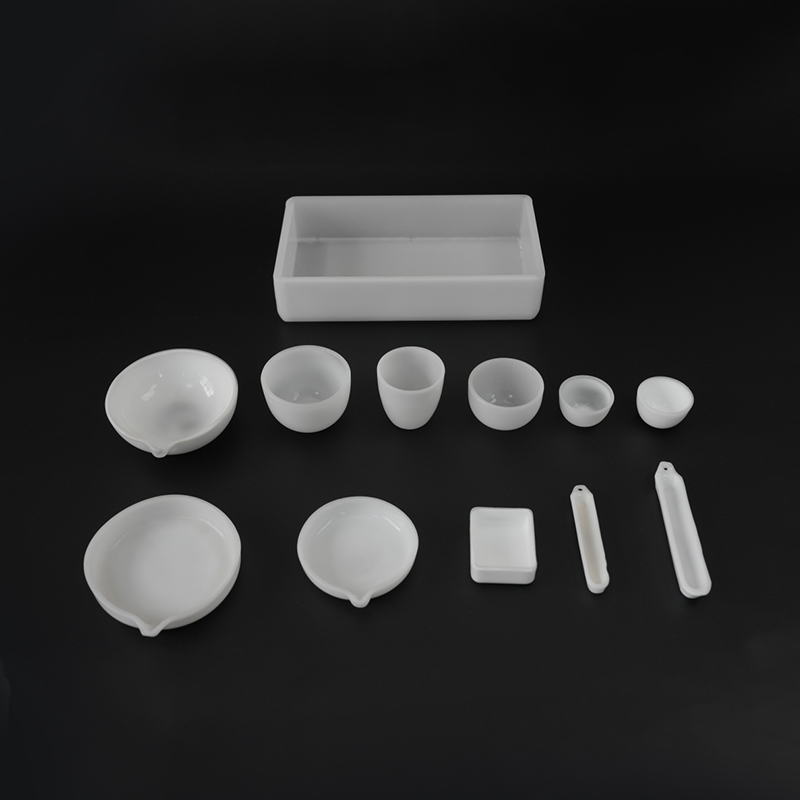
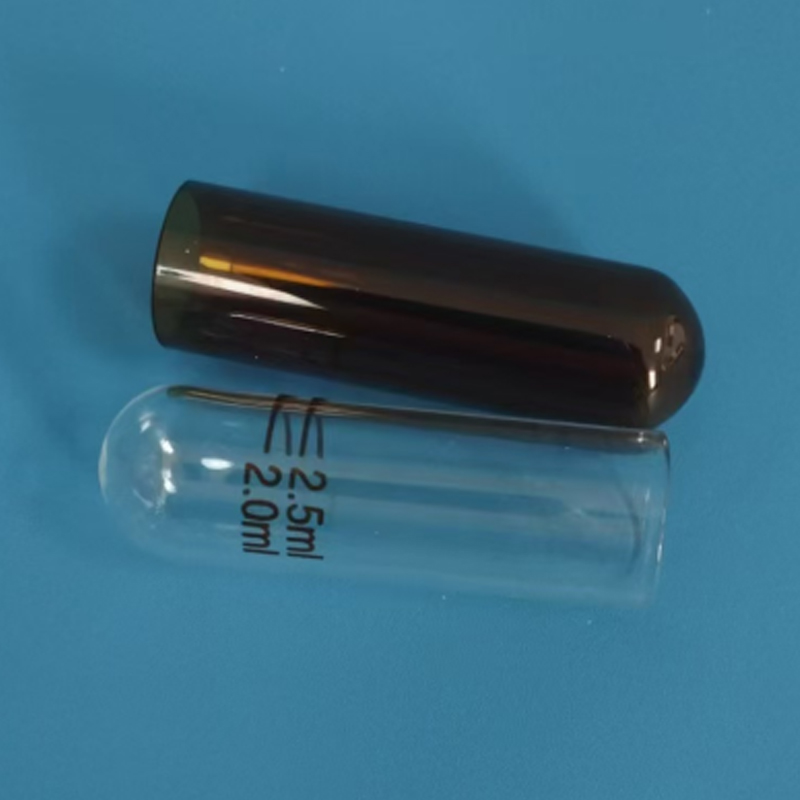
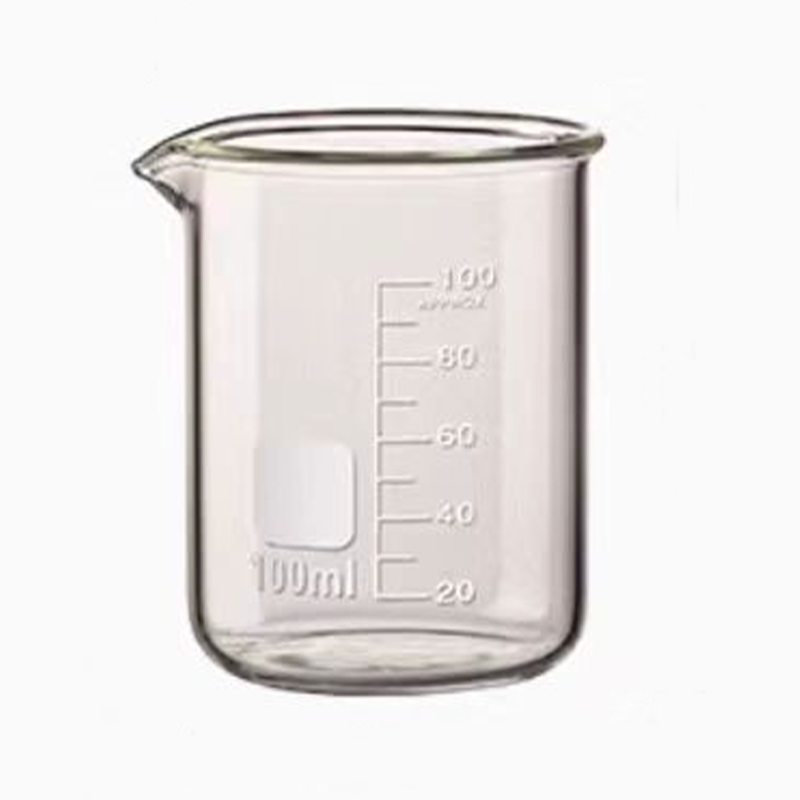
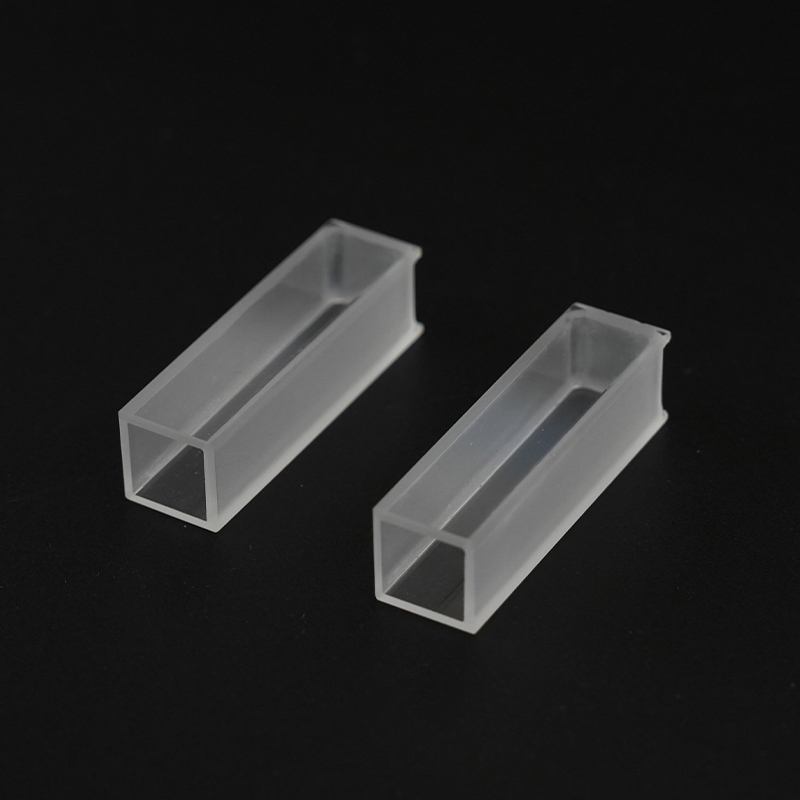
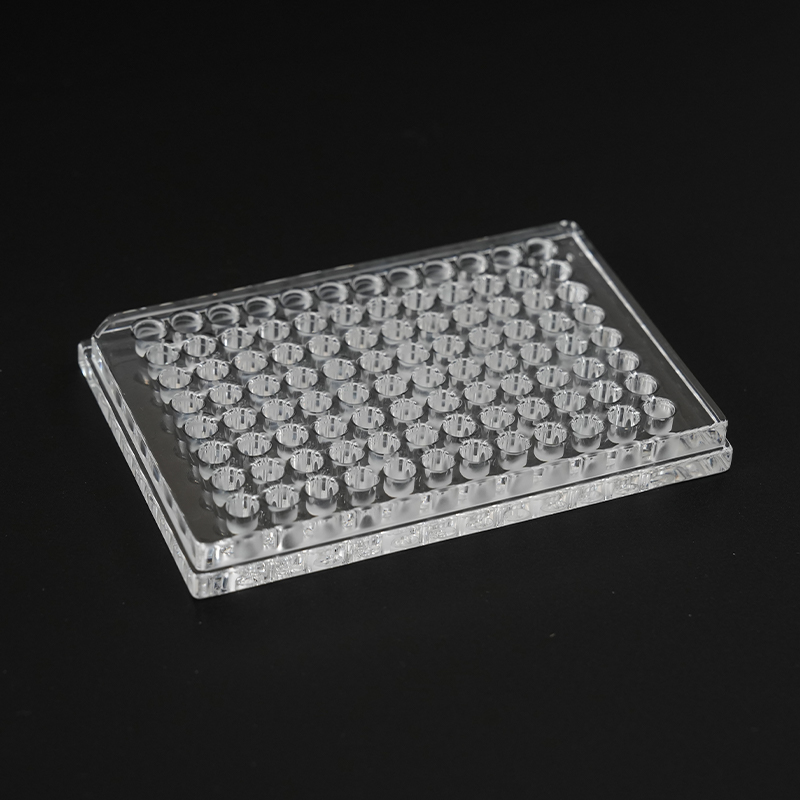
Quartz cuvettes, digestion tubes, beakers, boats, and ELISA plates are selected for chemical resistance, optical clarity, and low contamination. In a lab, the practical temperature limit may be set by the sample, the heating block, or the cleaning cycle rather than by the fused silica melting point. Buyers should confirm whether the part will be used in a muffle furnace, a microwave digestion system, or a routine benchtop protocol.
Optical and UV applications
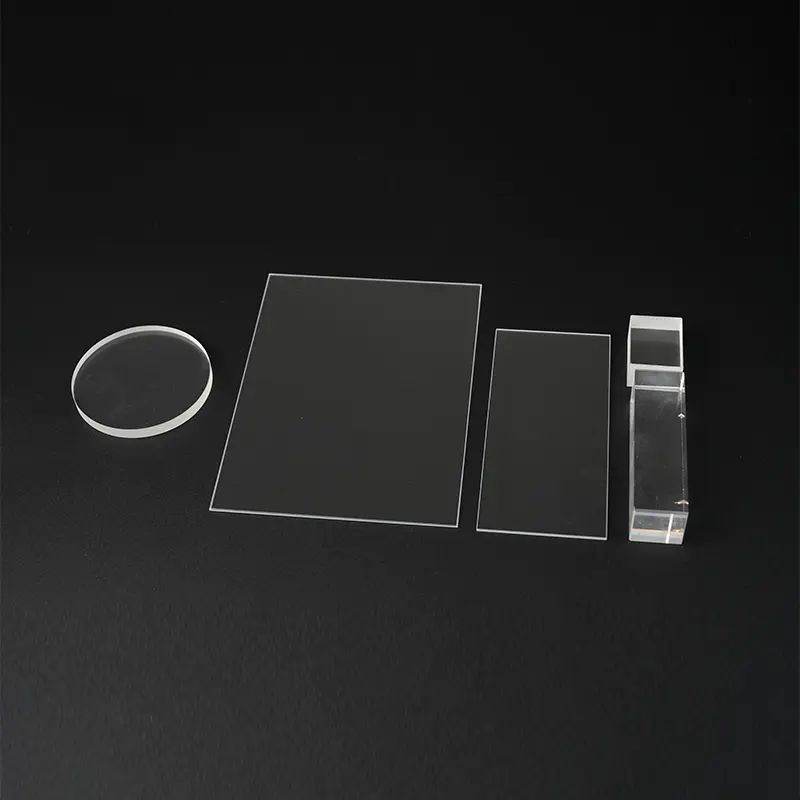
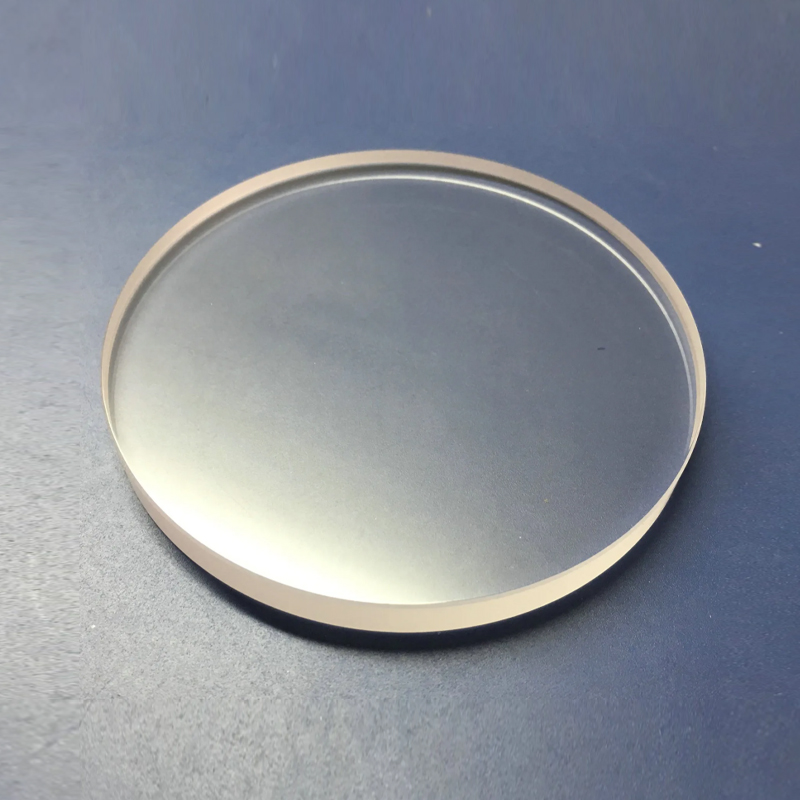
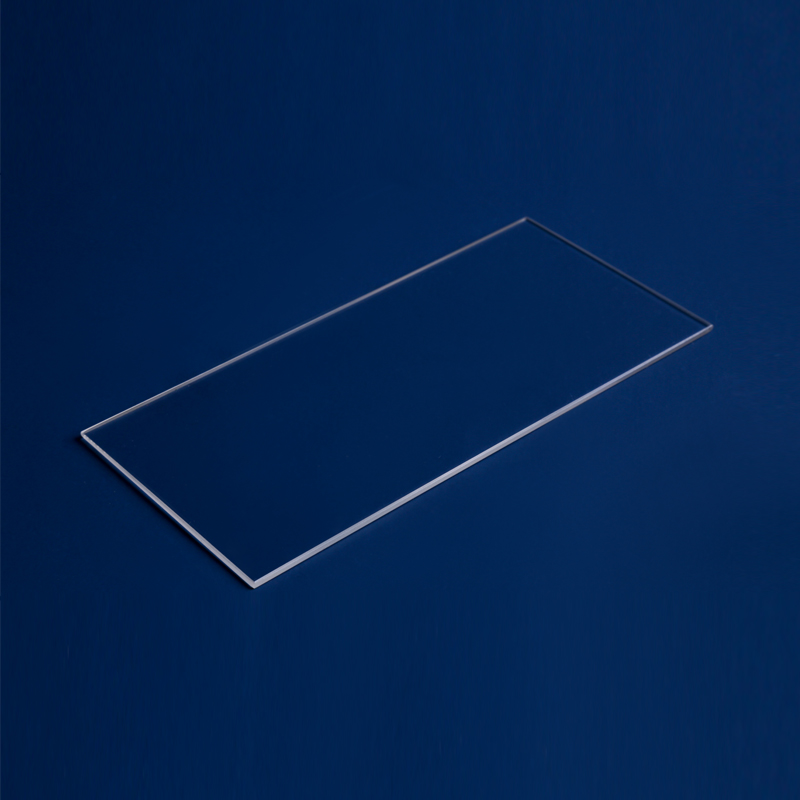
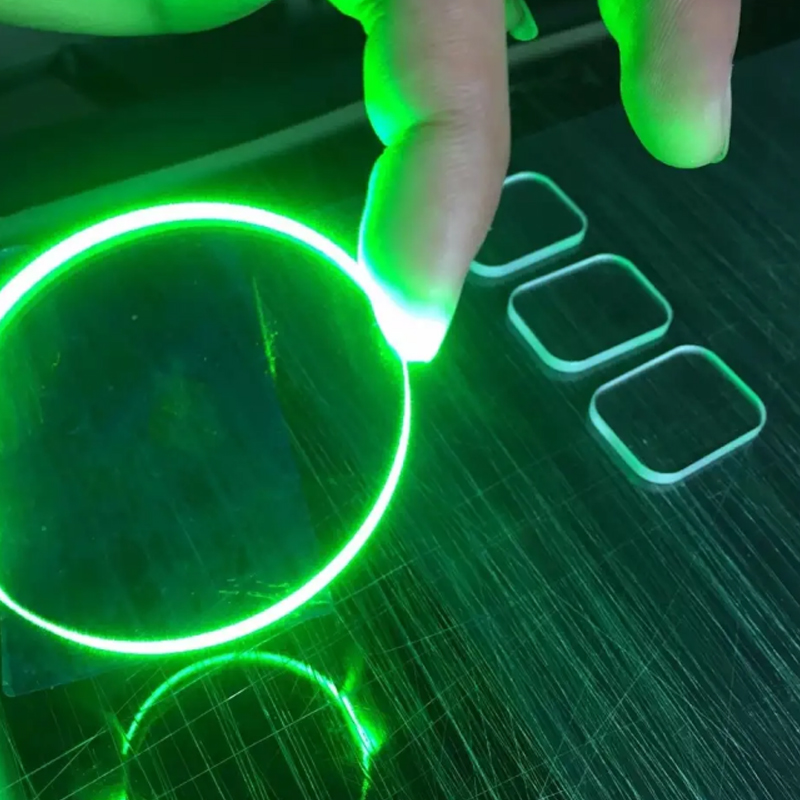
Optical quartz plates are often specified by transmission band. JGS1, JGS2, and JGS3 grades are not interchangeable simply because they are all fused silica. A deep UV window, a visible light sight glass, and an infrared optical plate may share a similar melting range but differ in hydroxyl content, absorption, and internal quality.
Heating and infrared equipment
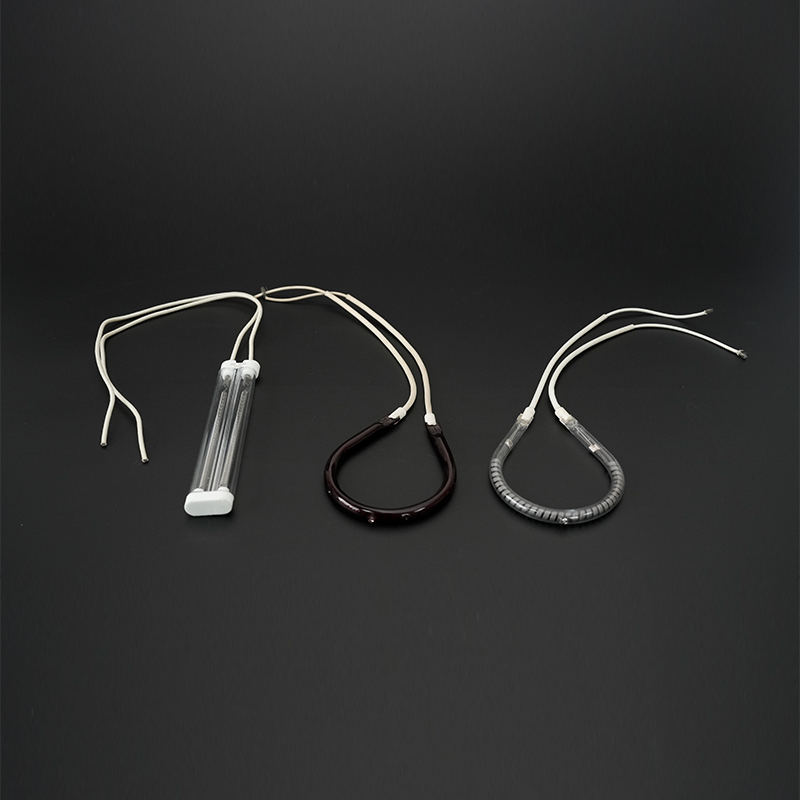
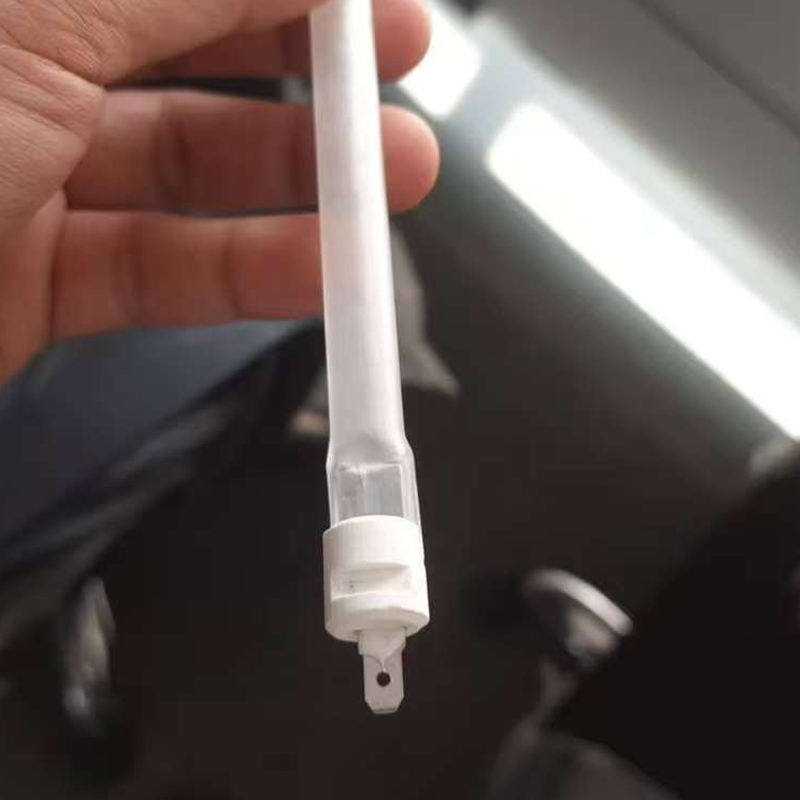
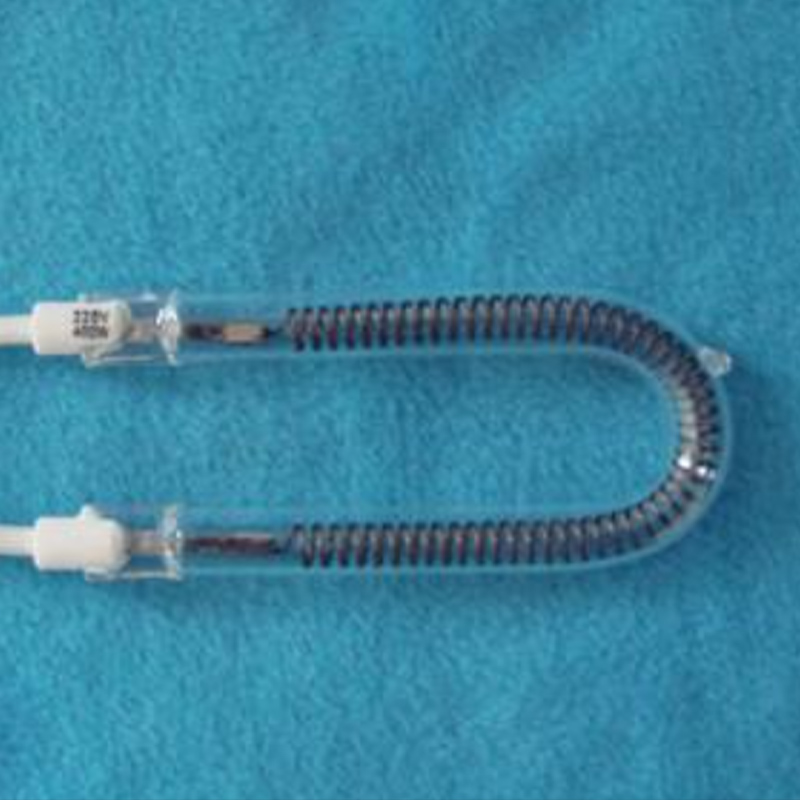
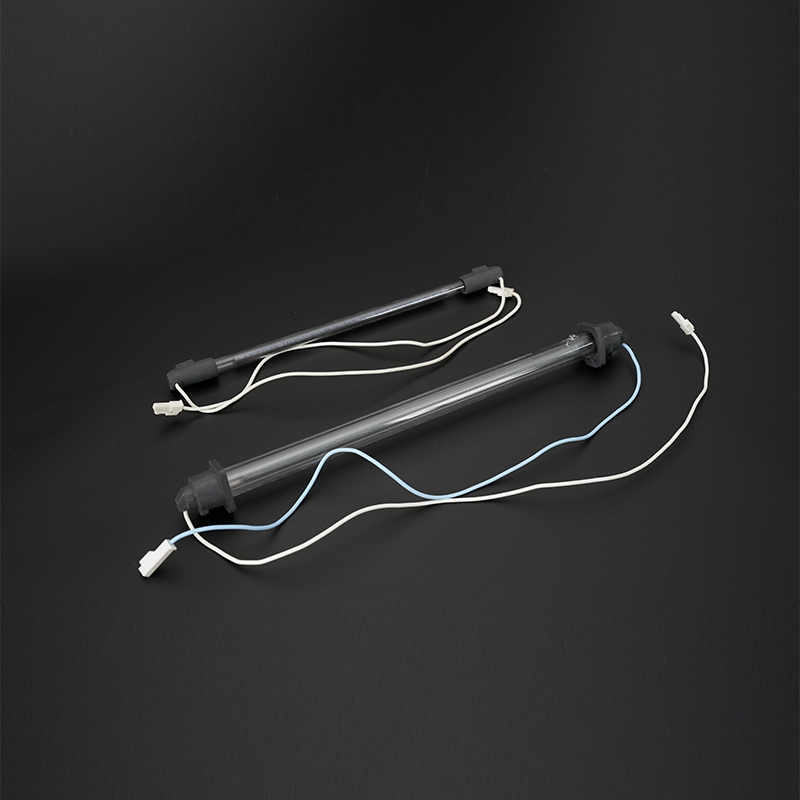
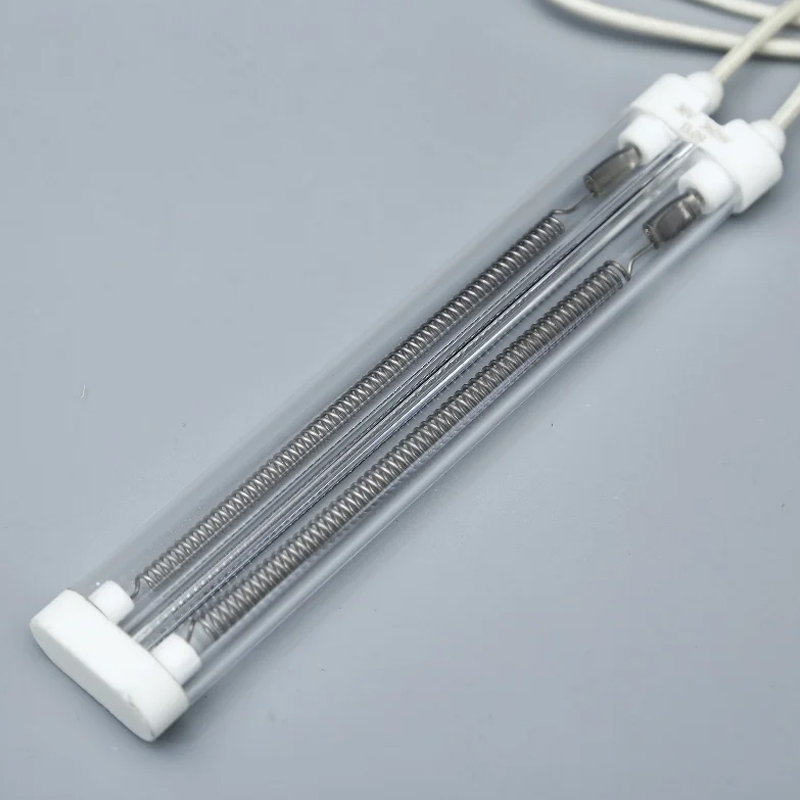
Quartz infrared heating tubes and lamps use the glass as both a structural envelope and a transmission path for infrared energy. The heating element, coating, and tube diameter influence how hot the quartz surface becomes. In these products, the key specification is often the radiant profile and the cycle life, not the melting point of the glass envelope.
Choose the quartz grade by application, wavelength, purity, and thermal cycle; use the fused silica melting point only as a baseline reference.
How to evaluate a quartz glass supplier or wholesaler
A buyer comparing a local fabricator, an overseas manufacturer, and a wholesale supplier should look past the headline melting temperature. Fused silica parts fail for practical reasons: poor annealing, unclear grade control, rough edges, wrong hydroxyl content, or packaging that introduces chips. The evaluation should connect material data to production control.
- Ask for the grade name and the key optical or thermal properties, not just a generic fused silica label.
- Request a drawing review before quoting, especially for flanges, sealed windows, and large-diameter tubes.
- Confirm tolerance, edge finish, bubble class, and cleaning method in writing.
- Review the supplier’s ability to handle small prototype orders and repeat production orders.
- Clarify packing, replacement policy, and the inspection standard for chips and scratches.
Yancheng Mingyang Quartz Products operates as a quartz products manufacturer with a catalog that spans high-purity fused quartz, tubes, rods, plates, crucibles, labware, heating elements, and custom fabrication. For international buyers, that combination can simplify sourcing because the same supplier can discuss raw material grade and finished-part geometry in one conversation.
A wholesaler may offer fast access to standard sizes, while a manufacturer is usually better placed to control material traceability and custom tolerances. Neither model is automatically better. The right choice depends on whether the project needs standard catalog parts, repeated production, or drawing-based development.
Evaluate a quartz supplier on grade control, drawing review, tolerances, cleaning, and packaging, not on the melting point alone.
Quality checks before production
Before a quartz part goes into a furnace, an optical bench, or a lab protocol, a few checks can prevent expensive surprises. The first is dimensional: verify the outer diameter, wall thickness, flange flatness, and cut length against the drawing. The second is visual: look for chips, scratches, seeds, bubbles, and surface contamination under suitable lighting.
The third is thermal: confirm the intended continuous temperature, peak temperature, heating rate, and cooling rate. If the part will be sealed to metal or clamped between gaskets, check the joint design and the expected differential expansion. A low-expansion material can still crack if the assembly constrains it or if the mating parts expand differently.
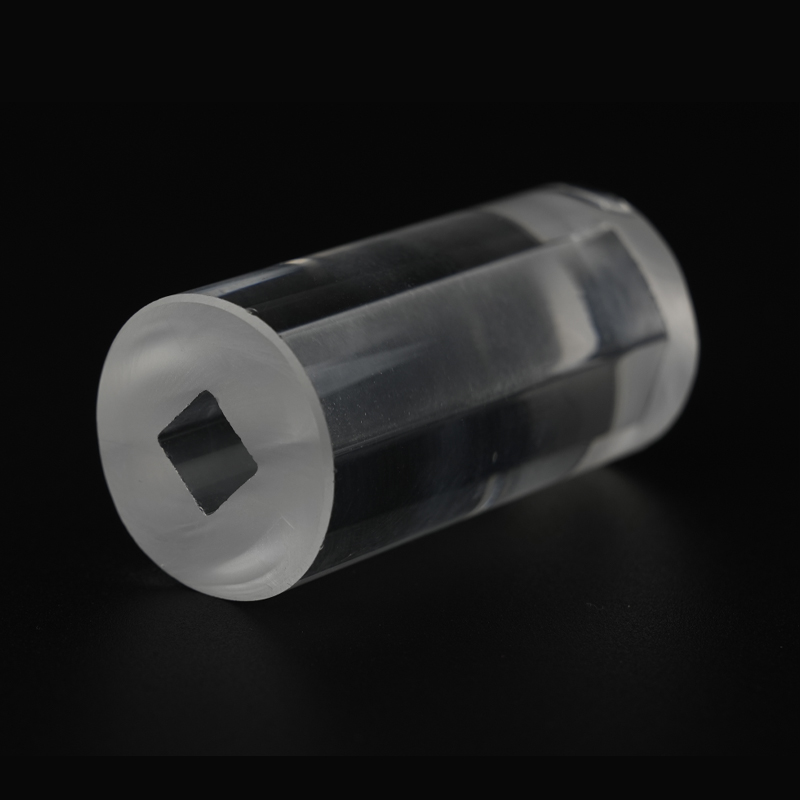
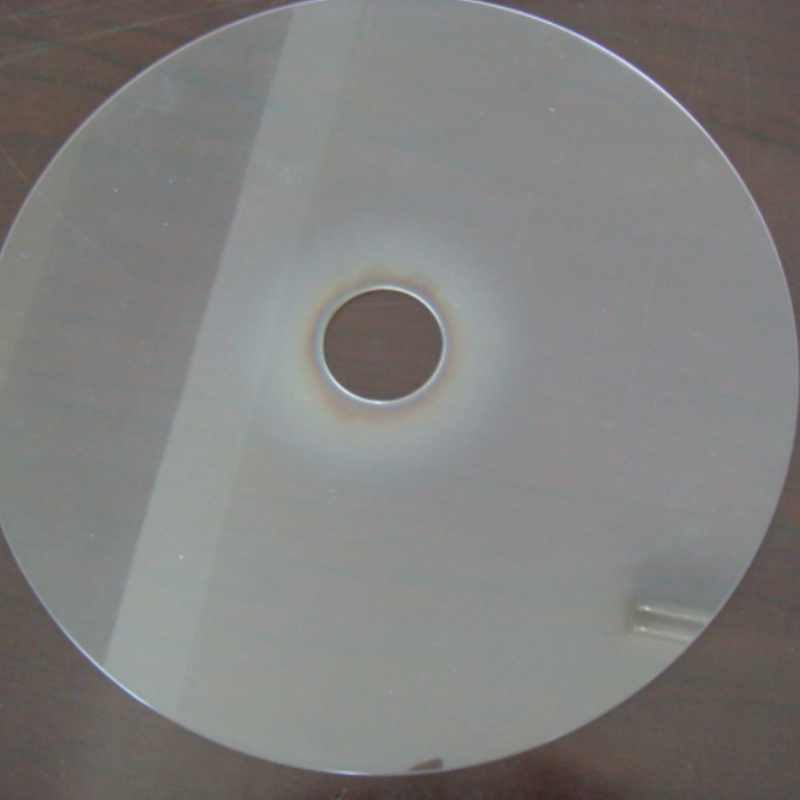
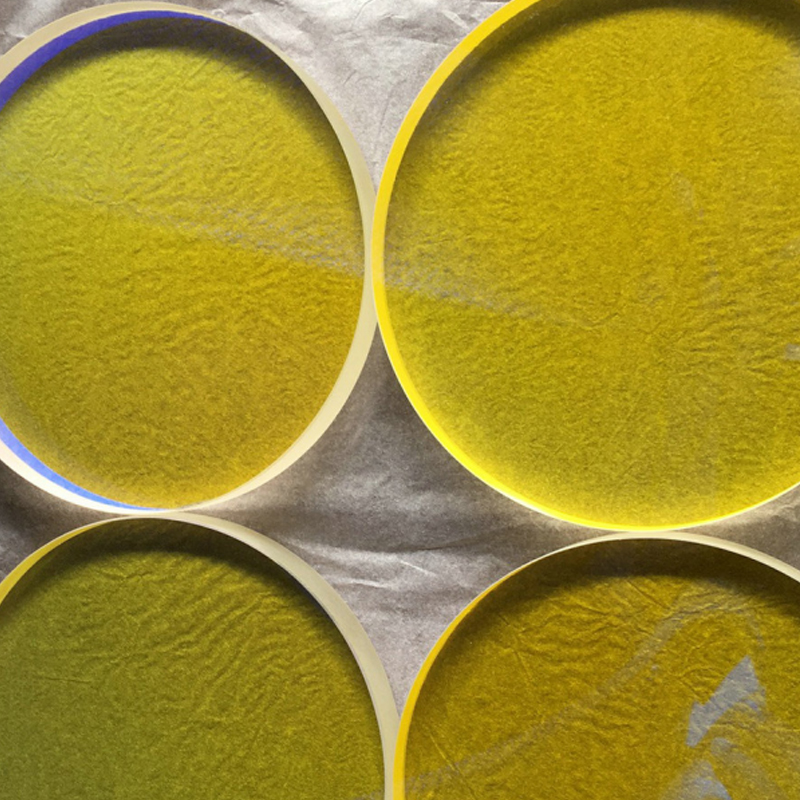
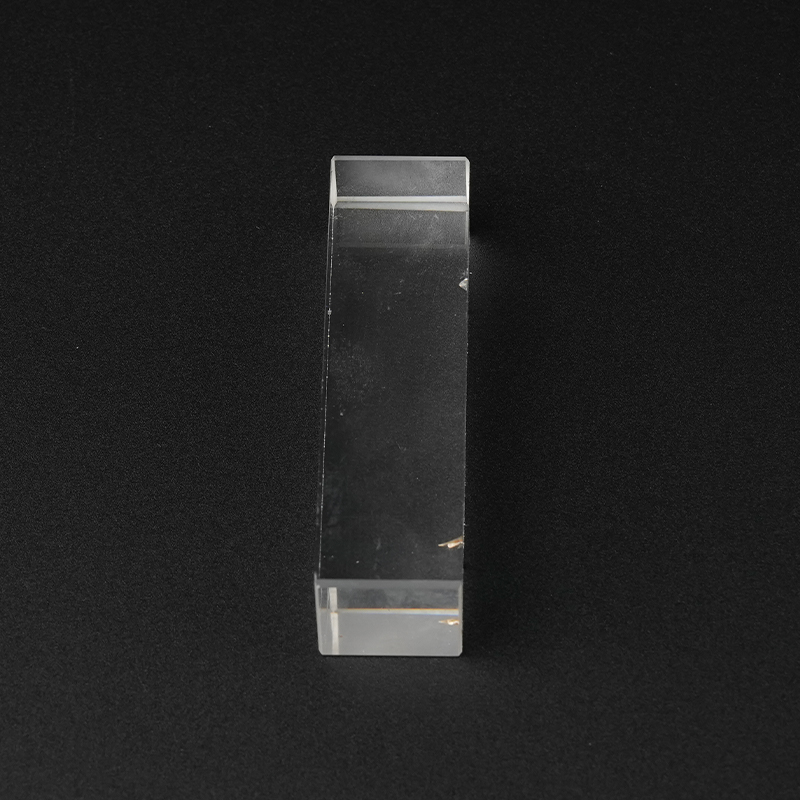 JGS1 Far UV Optical Quartz Glass Plates and IngotsTransparent quartz glass for UV and visible optics with low UV absorption; consider transmission, surface quality, and flatness for optical parts.View Product →
For optical parts such as JGS1 far UV quartz glass plates, the acceptance criteria should include transmission, surface quality, and flatness where relevant. For tubes and rods, the straightness, bow, and end finish may matter more than a small difference in the quoted melting range.
When the part is custom, ask for a first-article inspection and keep a reference sample. If the process is sensitive to contamination, specify cleaning and handling before the order is placed. These steps are especially important for semiconductor-grade quartz, photovoltaic quartz glass, and labware used in trace analysis.
Inspect dimensions, surface quality, and assembly constraints before production; these practical details often decide whether a quartz part survives its thermal cycle.
FAQ: fused silica melting point and working limits
What is the melting point of fused silica?
The commonly quoted fused silica melting point is about 1,713 °C, with the softening point often given near 1,665 °C. Because fused silica is amorphous, it does not melt like a crystalline solid at one sharp temperature. The quoted value is best treated as a high-temperature reference, not a routine service limit.
Is the melting point of fused quartz the same as fused silica?
In industrial usage, fused quartz and fused silica are often used in similar ways, but they can refer to different raw material routes and grades. The melting temperature of fused quartz is commonly reported in the same general range as fused silica, but the practical properties depend on purity, hydroxyl content, bubble class, and forming method.
Can I use a quartz part at 1,500 °C?
Some fused silica parts can be used at high temperature, but 1,500 °C is close to the softening range for many grades. Support, load, atmosphere, thickness, and cycle time become critical. A supplier should review the actual application rather than approve the use from a melting point figure alone.
Does low hydroxyl content change the melting point?
Low-OH fused silica is chosen for infrared transmission and certain high-temperature stability needs. The change in melting range may be small, while the change in viscosity, absorption, and process behavior can be significant. Buyers should ask for the grade data and the recommended working temperature for the specific part.
What should a purchase order include?
A clear purchase order should list the material grade, dimensions, tolerances, surface quality, cleaning method, continuous temperature, peak temperature, atmosphere, and packaging. For custom parts, include the approved drawing and first-article requirements. These details reduce the risk of a part that meets a material certificate but fails in service.
The fused silica melting point is about 1,713 °C as a reference, but a safe working specification must also define load, support, atmosphere, and thermal cycling.
Getting the specification right
The most reliable way to buy fused silica is to describe the job the part must do. State the temperature profile, the chemicals or gases it will see, the mechanical load, the optical requirement, and the inspection standard. Then ask the supplier to confirm a grade and a manufacturing route that can meet those conditions.
If you are reviewing a new design, start with the high-purity fused quartz range for base material selection, then use custom quartzware fabrication for drawing-based parts that need tolerances, cleaning, and application review.
For projects that involve tubes, rods, plates, crucibles, labware, or heating elements, the conversation should move from “What is the melting point?” to “What is the maximum working temperature for this geometry in this process?” That shift is where a quartz glass manufacturer, supplier, or wholesaler can add real value.
Yancheng Mingyang Quartz Products serves international buyers with a product range that includes high-purity fused quartz materials, optical quartz plates, quartz tubes, quartz rods, crucibles, labware, and custom components. The melting point of fused silica is an important starting fact, but the purchase decision should rest on grade, design, and process fit.
Buy fused silica by application and working conditions; the melting range is useful context, while grade control and part design determine real performance.
Featured Products
Copyright © Yancheng Mingyang Quartz Products Co., Ltd. All Rights Reserved.
Wholesale Quartz Products Manufacturer Quartz Glass Factory