

 +86-0515-86223369
  0
0 en
en English
 日本語
日本語 Español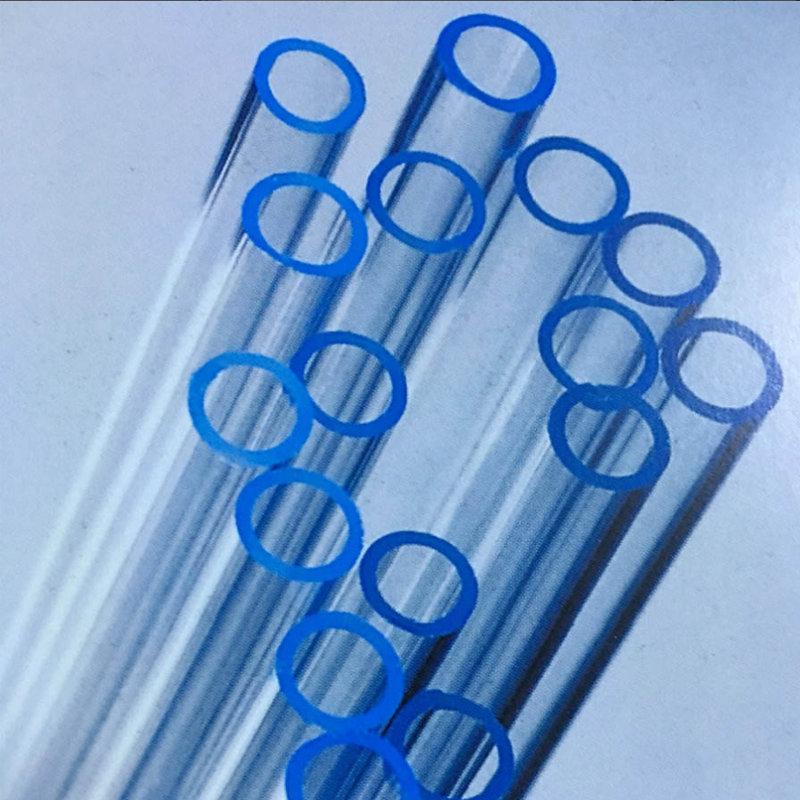

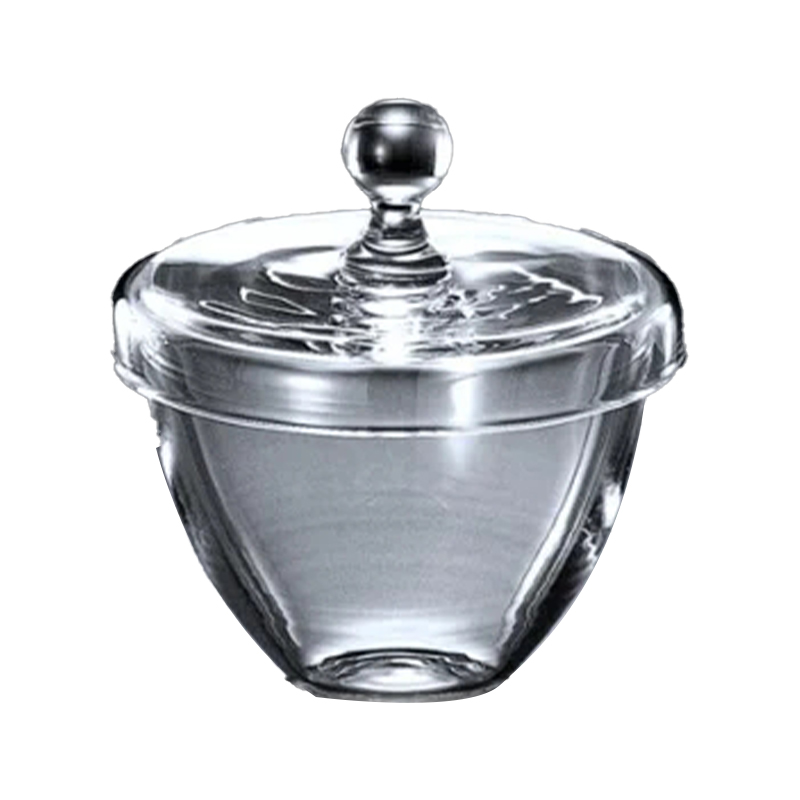
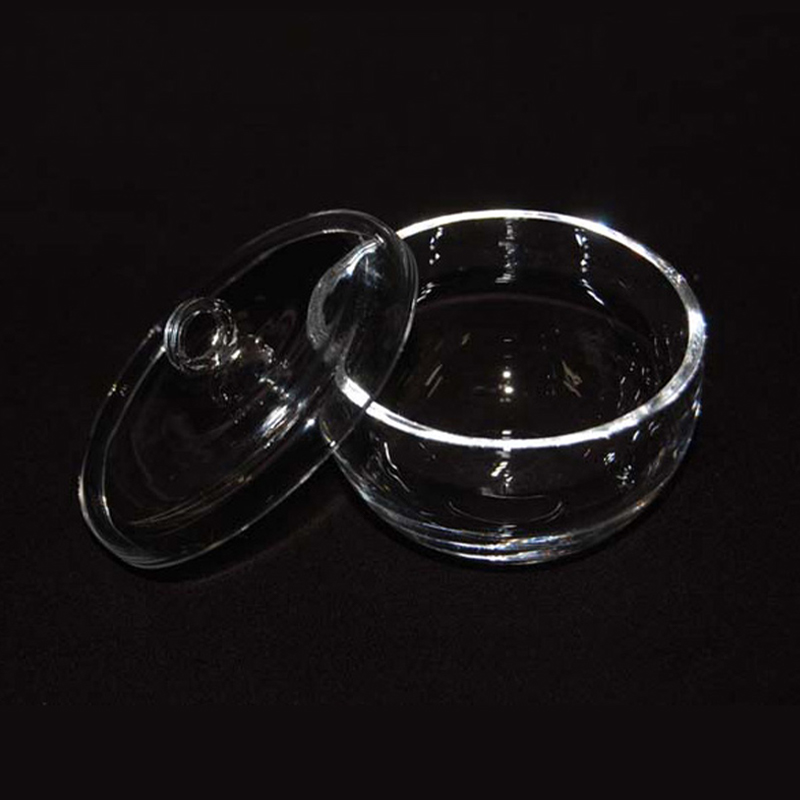
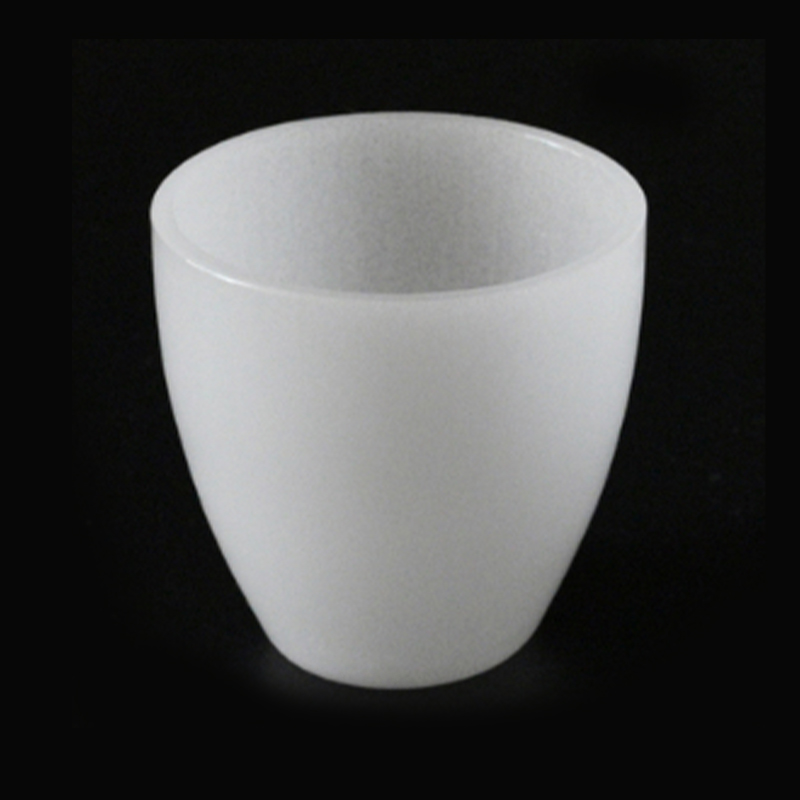
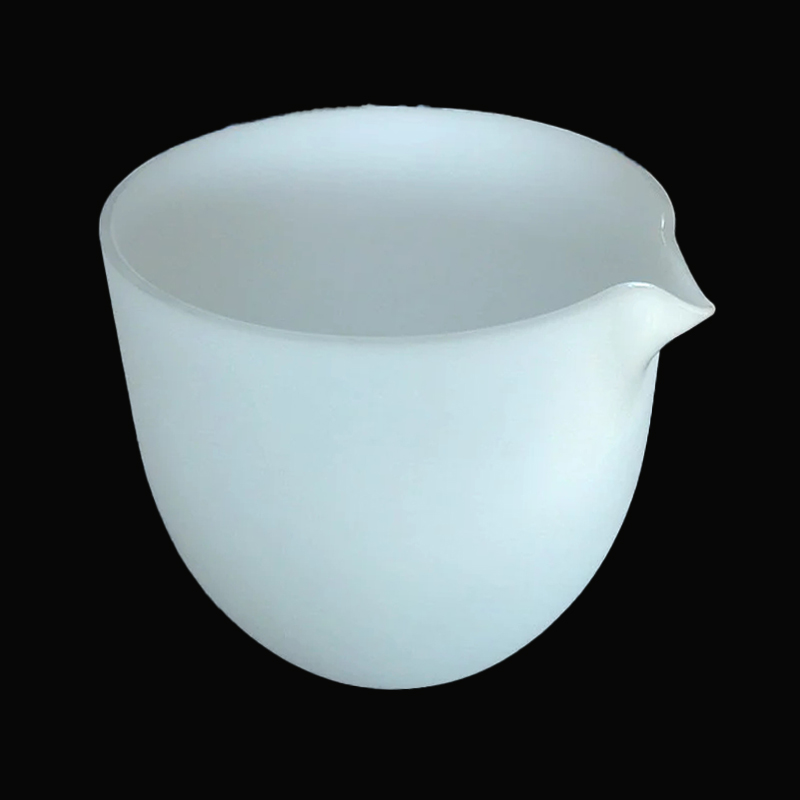


If you need any help, please feel free to contact us
 Products & Solutions
Home / News / Industry News / Fused Silica Density Explained: 2.2 g/cm³ and Why It Matters for Quartz Glass
Fused Silica Density Explained: 2.2 g/cm³ and Why It Matters for Quartz Glass
Content
- 1 Understanding Fused Silica Density
- 2 The Standard Density Value and Its Tolerance
- 3 How Manufacturing Form Affects Density
- 4 Density's Role in Thermal and Optical Performance
- 5 Comparing Fused Silica to Other Glasses
- 6 Visualizing Density Differences
- 7 Density in Quality Control and Specification
- 8 Sourcing Fused Silica: What Buyers Should Look For
- 9 Frequently Asked Questions
- 10 Final Thoughts on Fused Silica Density
When a process engineer specifies a quartz tube for a diffusion furnace, or a lab manager orders a fused silica cuvette, the conversation often starts with purity and transmission. But there is one number that quietly governs thermal shock resistance, weight calculations, and even the success of a high-temperature batch: fused silica density. The accepted value is 2.2 g/cm³, but that single figure comes with practical tolerances, and it shifts slightly depending on the form you buy—rods, tubes, plates, or crucibles.
In short, fused silica density is approximately 2.2 grams per cubic centimeter at room temperature. This density is lower than that of crystalline quartz (about 2.65 g/cm³) because fused silica has an amorphous, open network structure. That difference matters for everything from buoyancy in molten metal to the weight of a 6-inch wafer carrier. In this article, we will break down the real-world implications of fused silica density, how it varies across product forms, and what buyers should verify before placing an order.
Understanding Fused Silica Density
Fused silica is a non-crystalline form of silicon dioxide (SiO₂) produced by melting high-purity quartz sand or by chemical vapor deposition. The amorphous structure means the atoms are not packed in a regular lattice, so the material occupies slightly more volume per unit mass than its crystalline cousin. That is why the density of fused silica hovers around 2.2 g/cm³, while quartz crystal sits at 2.65 g/cm³.
For designers, this density is not just a textbook number. It affects the mass of a part, the amount of material needed for a given volume, and the thermal mass that must be heated or cooled during a process cycle. If you are comparing fused silica to borosilicate glass (about 2.23 g/cm³) or soda-lime glass (about 2.5 g/cm³), the differences are small but can become significant in large components or precision optical assemblies.
The Standard Density Value and Its Tolerance
Most suppliers quote a nominal density of 2.20 g/cm³ for transparent fused silica. However, real production lots can range from 2.18 to 2.22 g/cm³ depending on raw material purity, hydroxyl (OH) content, and thermal history. Low-OH fused silica, for example, often has a slightly higher density because the absence of hydroxyl groups allows a slightly tighter network. High-OH material, used for UV transmission, may sit at the lower end of the range.
When you see a specification sheet, look for a density tolerance. A responsible manufacturer will state something like 2.20 ± 0.01 g/cm³. If the tolerance is missing, ask for a certificate of analysis. Density is easy to measure by Archimedes' principle, and it serves as a quick indicator of material consistency. A sudden shift in density can signal changes in raw sand source or melting parameters, which may also affect optical clarity and thermal stability.
How Manufacturing Form Affects Density
Density is an intrinsic property, so it does not change simply because a rod is drawn or a plate is cut. But the manufacturing process can introduce porosity or micro-cracks that alter the apparent density. For example, opaque quartz tubes contain many small bubbles; their bulk density may be lower than transparent tubes, even though the solid silica skeleton is the same. Similarly, sintered quartz parts can have slightly lower density than fully fused material if the sintering cycle is not optimized.
Here is how common product forms typically compare:
- Transparent fused silica rods and tubes: 2.20 g/cm³ (typical)
- Low-OH fused silica: 2.20–2.21 g/cm³
- Opaque quartz tubes: 2.05–2.15 g/cm³ (due to bubbles)
- Fused quartz crucibles: 2.15–2.20 g/cm³ (varies with wall thickness and bubble content)
- Precision-ground quartz: 2.20 g/cm³ (non-porous surface)
These variations are usually acceptable, but they matter when you calculate weight for shipping or design a support structure. If a project calls for a lightweight tube, an opaque quartz tube might save a few grams per meter, but you trade off optical transmission.
Density's Role in Thermal and Optical Performance
Density directly influences thermal mass and thermal shock resistance. A lower density means less material to heat, which can improve energy efficiency in furnace applications. However, fused silica's low thermal expansion (about 0.55 × 10⁻⁶ /°C) is the real hero for thermal shock, and density plays a supporting role by keeping stresses low during rapid heating.
In optics, density is not a primary optical property, but it correlates with homogeneity. A uniform density often indicates a uniform refractive index, which is critical for windows and lenses. When you order optical quartz plates, ask for density consistency across the batch; it is a good proxy for overall material quality.
Comparing Fused Silica to Other Glasses
The table below puts fused silica density in context with common competing materials. Use it as a quick reference when selecting a material for a specific environment.
| Material | Density (g/cm³) | Typical Application |
|---|---|---|
| Fused silica (transparent) | 2.20 | Semiconductor furnace tubes, optical windows |
| Fused silica (low-OH) | 2.20–2.21 | UV laser optics, high-power transmission |
| Borosilicate glass (COE 3.3) | 2.23 | Lab glassware, pharmaceutical containers |
| Soda-lime glass | 2.50 | Windows, bottles, general glazing |
| Crystalline quartz | 2.65 | Oscillators, precision optics |
Key takeaway: Fused silica density is about 12% lower than crystalline quartz, which translates to lighter components and lower thermal mass without sacrificing thermal shock resistance.
Visualizing Density Differences
A quick visual comparison helps put these numbers into perspective. Below is a horizontal bar chart showing the relative densities of fused silica, borosilicate, and crystalline quartz. The scale is normalized to crystalline quartz for easy comparison.
Fused silica
2.20
Borosilicate
2.23
Crystalline quartz
2.65
The chart makes it clear that fused silica and borosilicate are close in density, but their application spaces differ widely. Fused silica's lower density compared to crystalline quartz is a direct result of its amorphous structure, which also gives it superior thermal shock resistance. When you are comparing materials for a high-temperature furnace or an optical window, this visual can help you weigh weight savings against other properties like UV transmission or refractive index homogeneity. For custom quartz components, understanding these density relationships helps you predict how a part will behave under thermal cycling.
Density in Quality Control and Specification
Density is a fast, inexpensive quality check. A simple Archimedes test can reveal whether a batch of quartz tubes has been fully fused or if it contains excessive bubbles. For critical applications in semiconductor and photovoltaic manufacturing, a density outside the specified range can indicate a risk of premature failure.
When writing a purchase specification, include density alongside hydroxyl content and transmission. For transparent quartz tubes, ask for 2.20 ± 0.01 g/cm³. For opaque or milky quartz, accept a wider range (2.05–2.15 g/cm³) but require a minimum to ensure mechanical strength. If you are sourcing from a manufacturer or supplier, request a certificate of analysis for each lot. A reliable wholesaler will provide this documentation without hesitation.
Key takeaway: Always specify a density tolerance in your purchase order; it is the simplest way to verify material consistency and avoid hidden porosity.
Sourcing Fused Silica: What Buyers Should Look For
When evaluating a fused silica supplier, ask for density data across multiple production runs. A consistent density profile indicates mature melting and forming processes. It also helps to understand the product form: a precision-ground quartz rod will have a different surface finish than an as-drawn tube, but the bulk density should remain near 2.20 g/cm³.
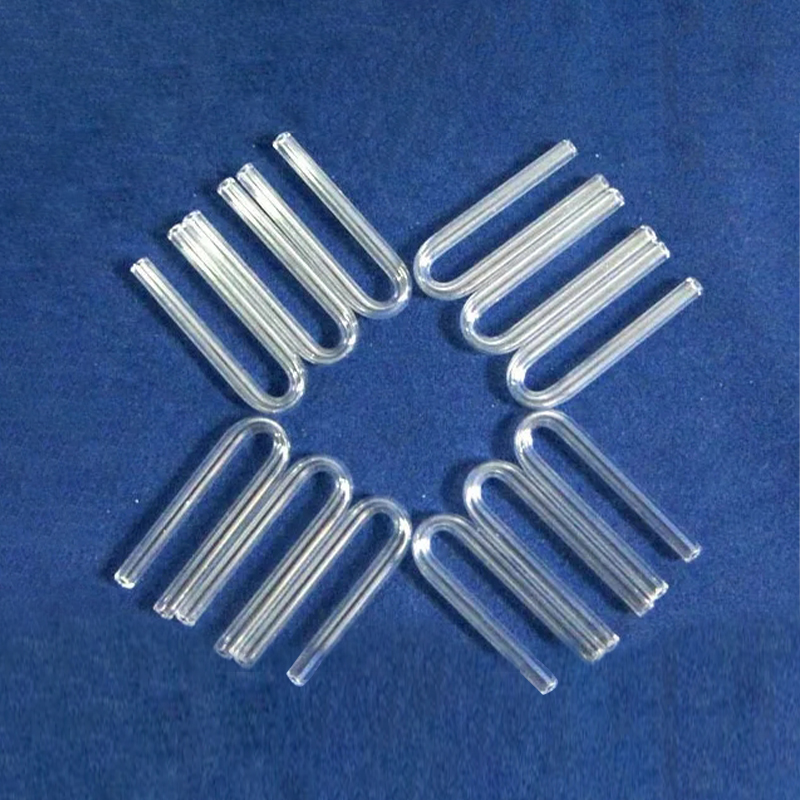
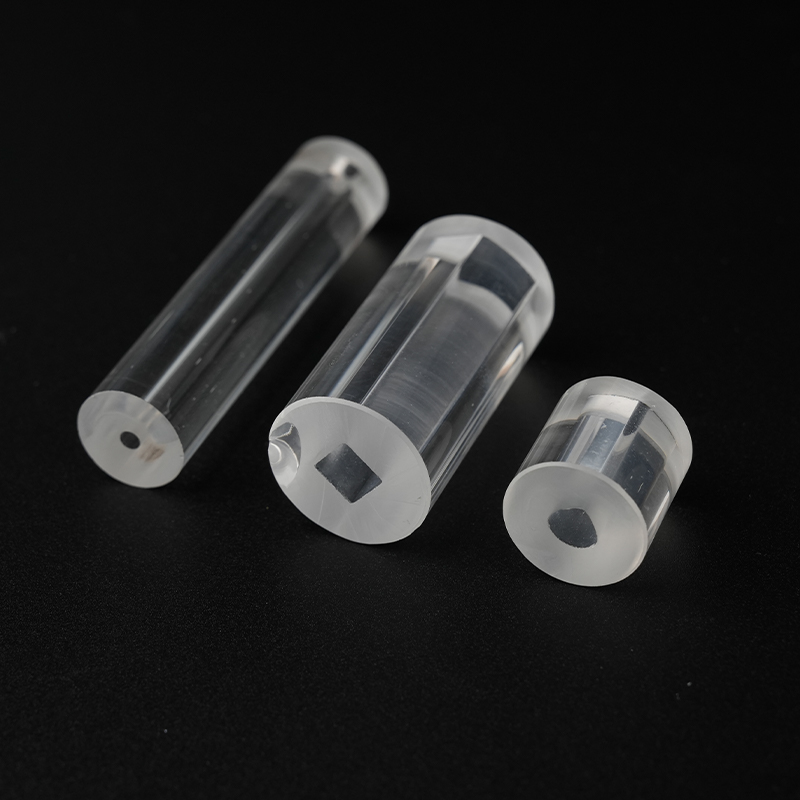
Yancheng Mingyang Quartz Products Co., Ltd. produces a wide range of fused silica products, from high-purity rods and large-diameter tubes to optical plates and crucibles. As a manufacturer with its own production facilities, the company can provide density certificates and custom fabrication. If you need a quartz component for a furnace, a UV reactor, or a laboratory setup, request a quote and discuss your density requirements.
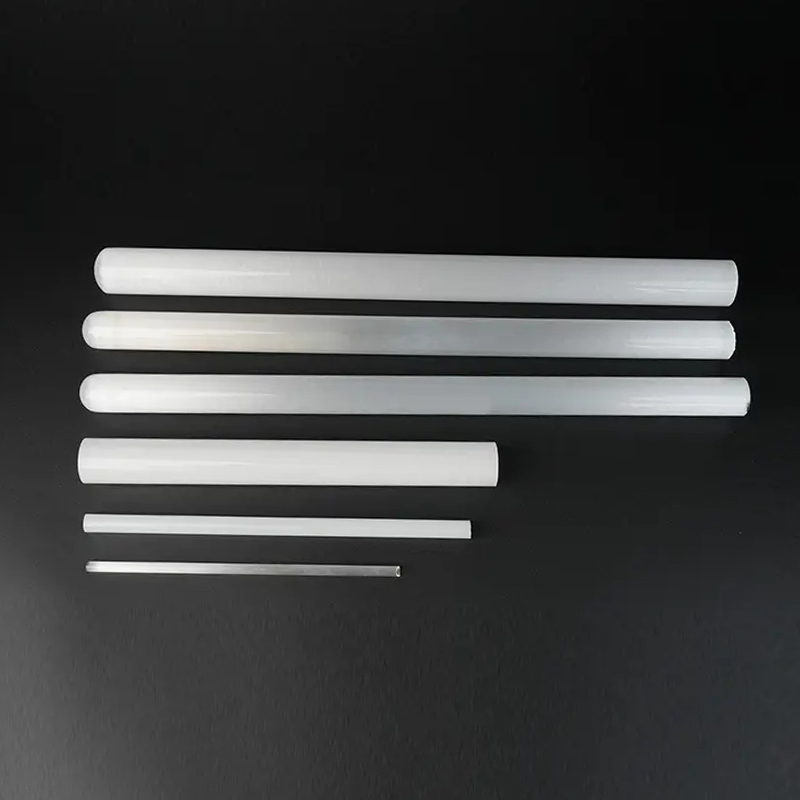
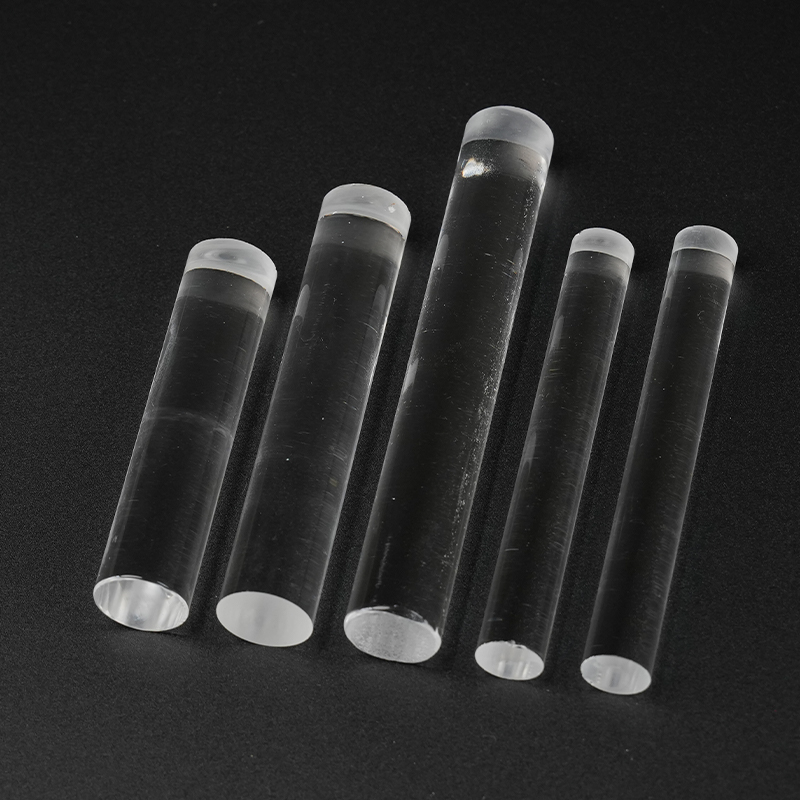
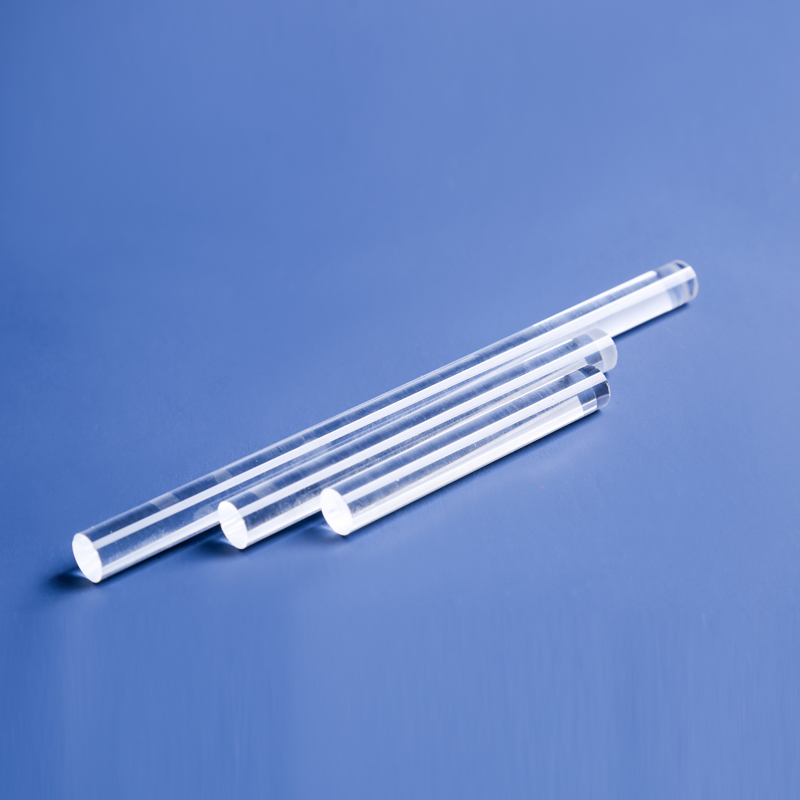
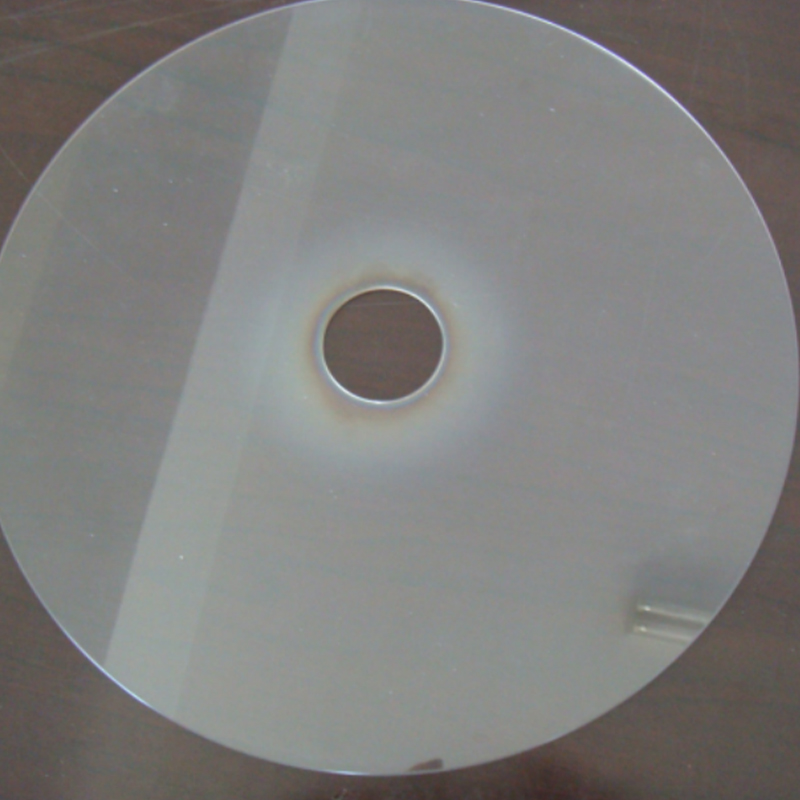
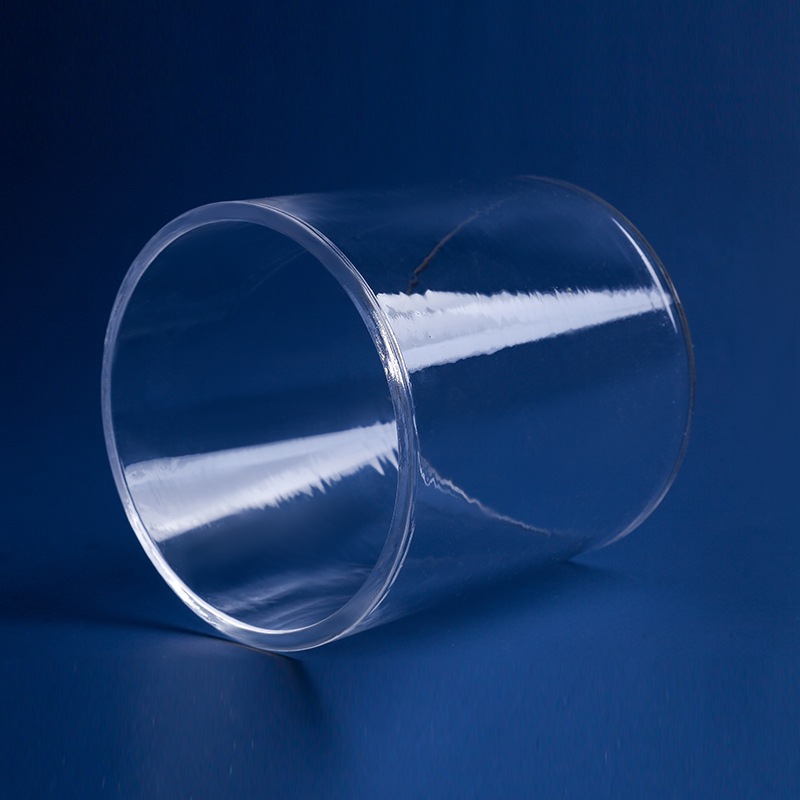
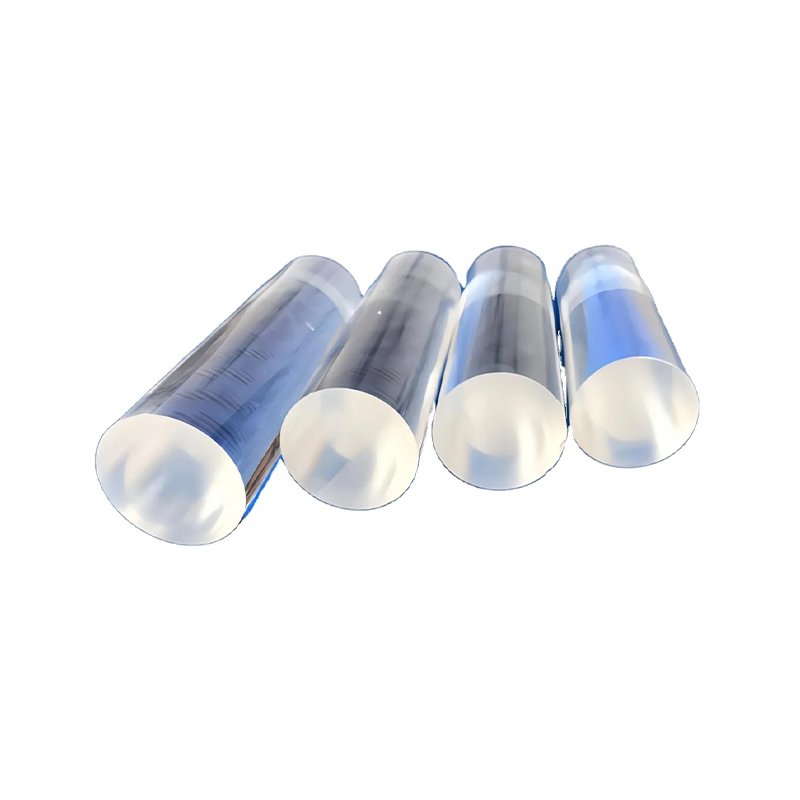 Fused Silica Rods for High-Temperature Structural and Optical ApplicationsHigh-purity fused silica rods for high-temperature structural parts, available from 2 mm to 50 mm diameter, with density, purity, and thermal stability suited to furnace, UV reactor, or lab discussions.View Product →
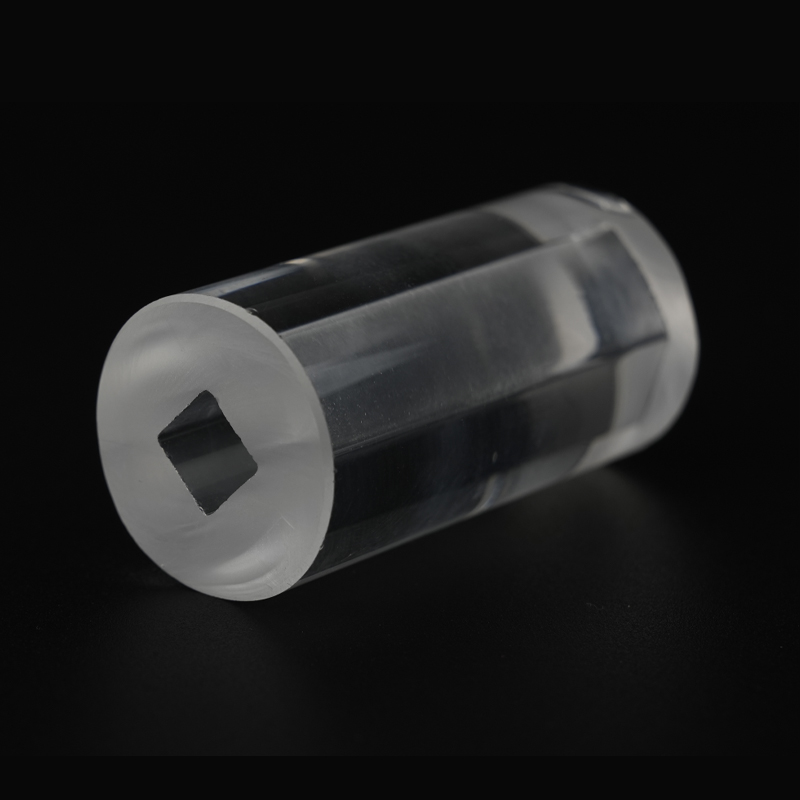
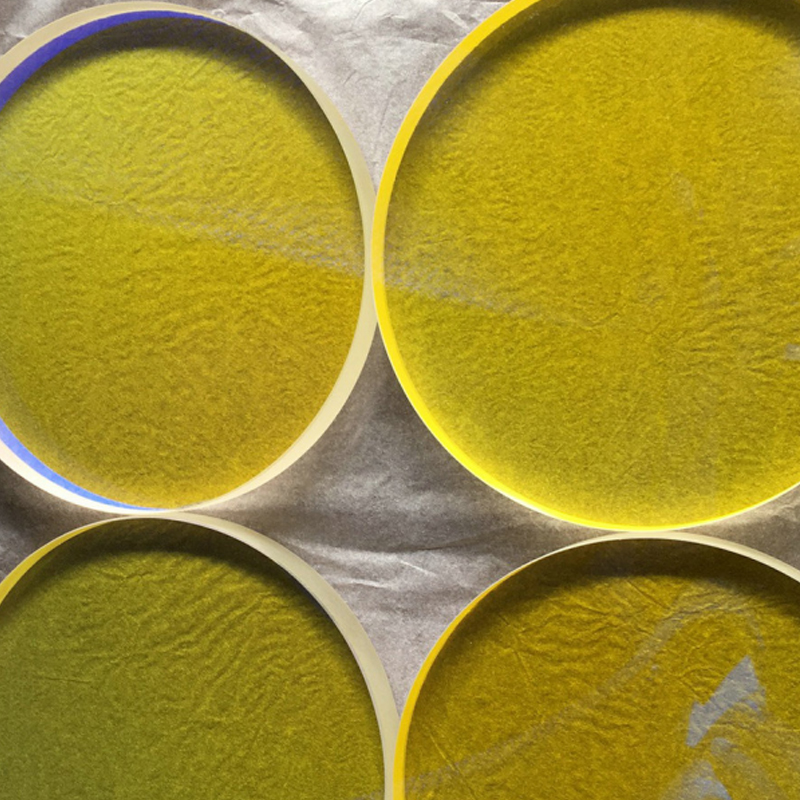
For high-temperature structural parts, fused silica rods offer a good balance of density, purity, and thermal stability. For applications requiring large volumes, large-diameter quartz tubes are available with documented density values.
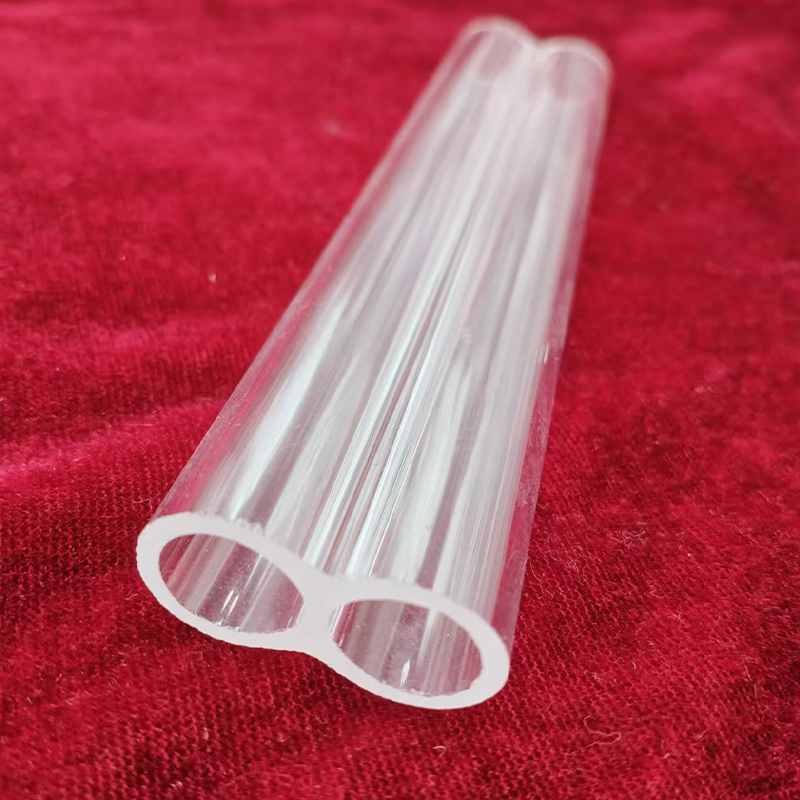
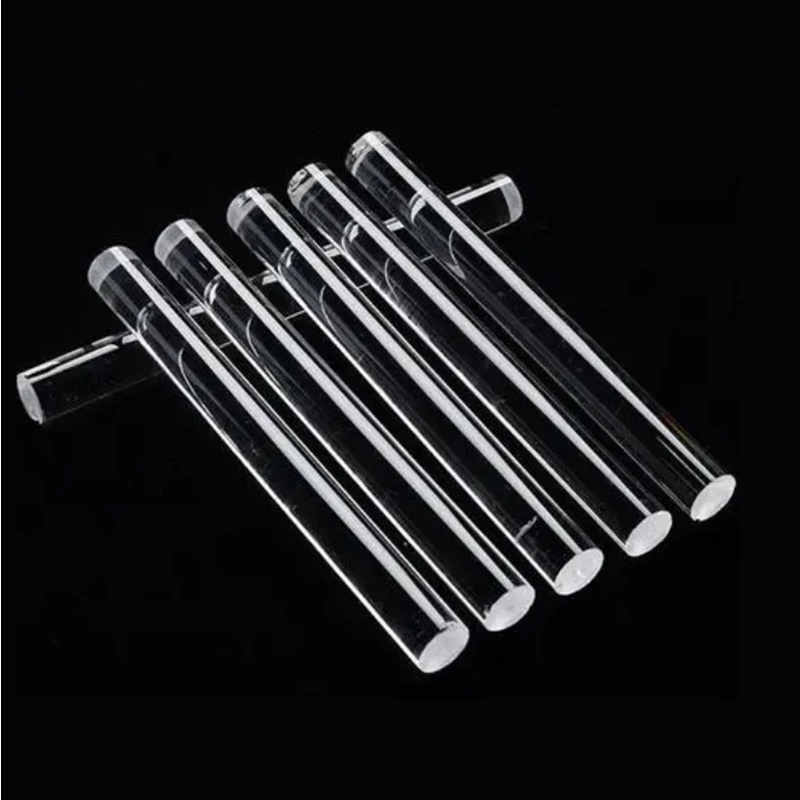
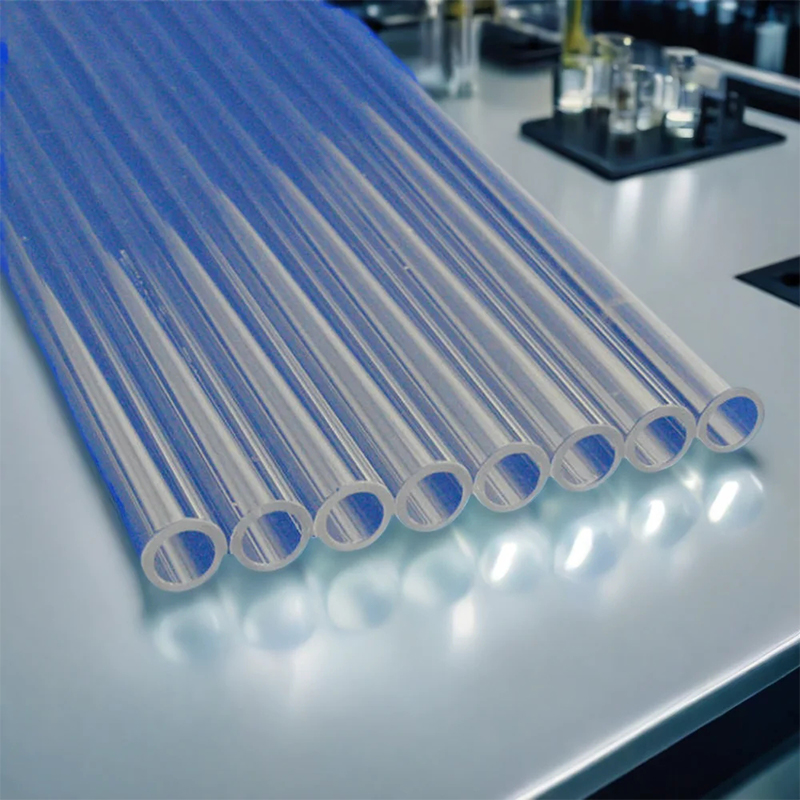 Transparent Quartz Tubes for Lamps and High-Temperature Industrial UseTransparent quartz tubes with high SiO2 content and low hydroxyl options for high-pressure lamps, UV reactors, and large-volume high-temperature applications requiring documented density and thermal stability.View Product →
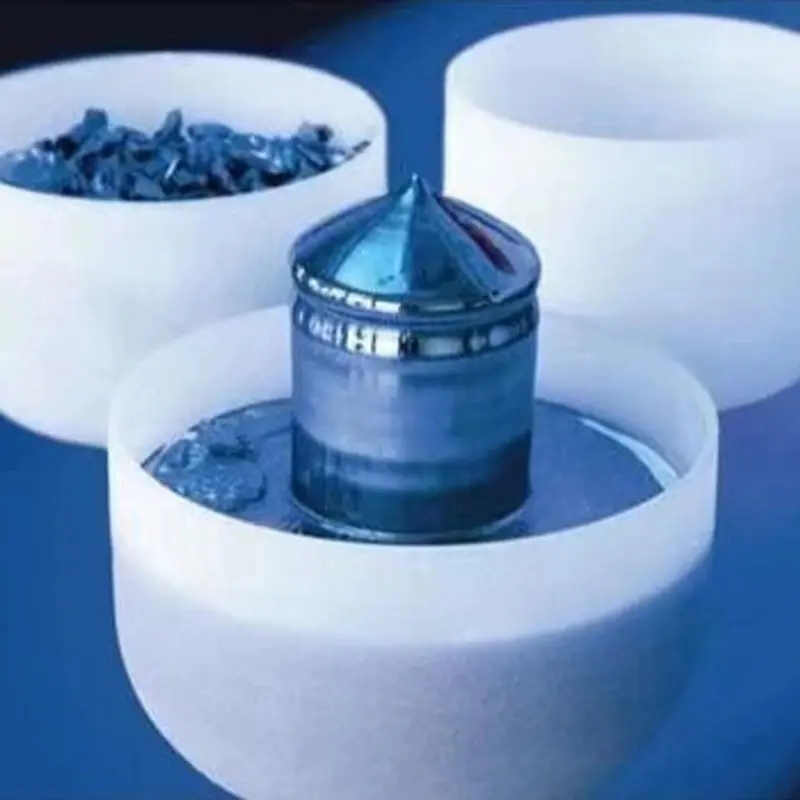
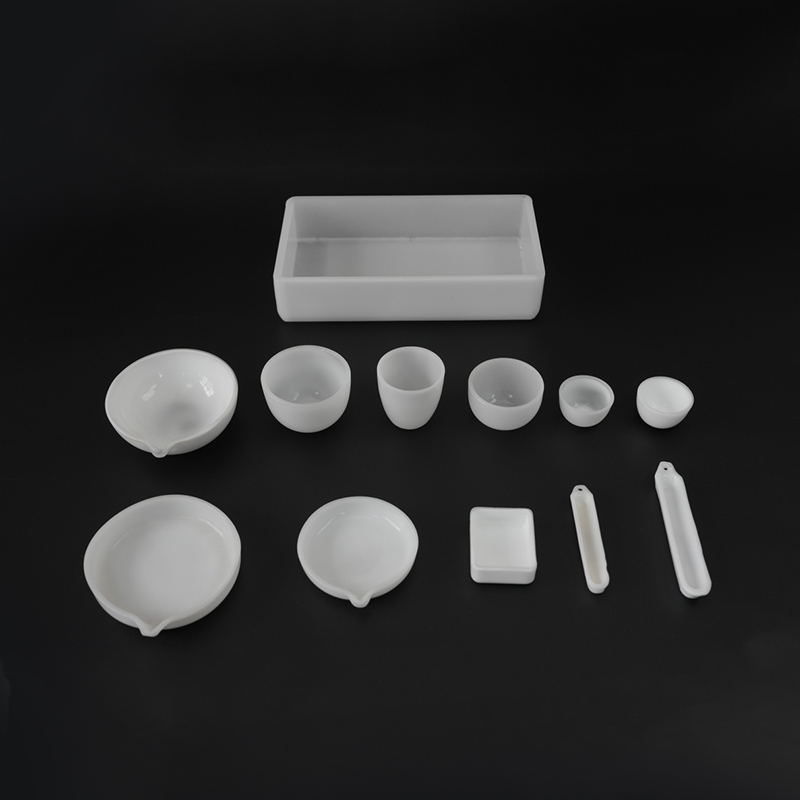
Crucibles for semiconductor and photovoltaic processes also benefit from controlled density, which affects thermal shock resistance during rapid heating cycles.
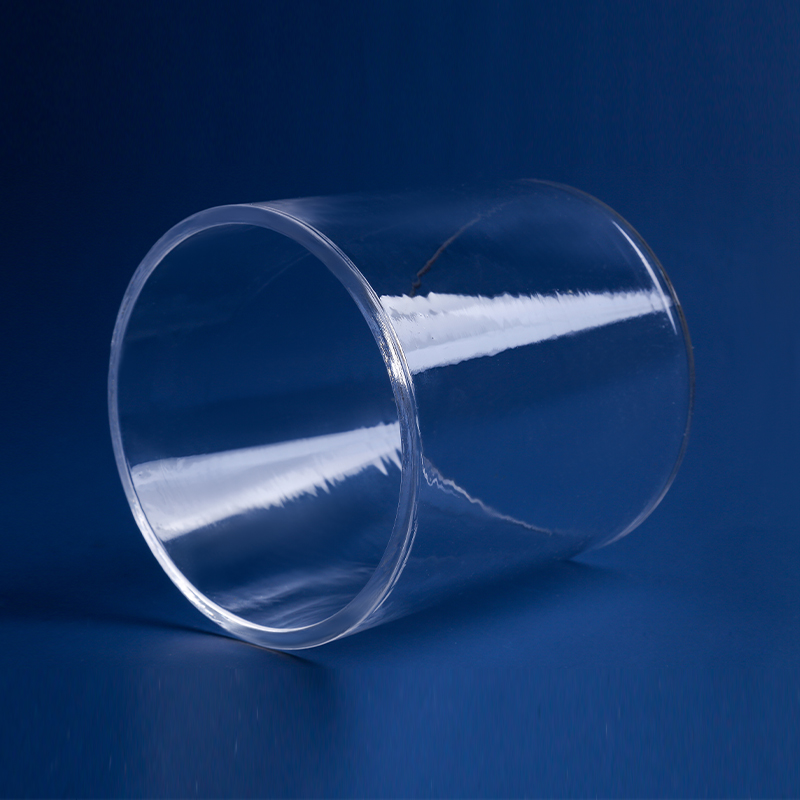
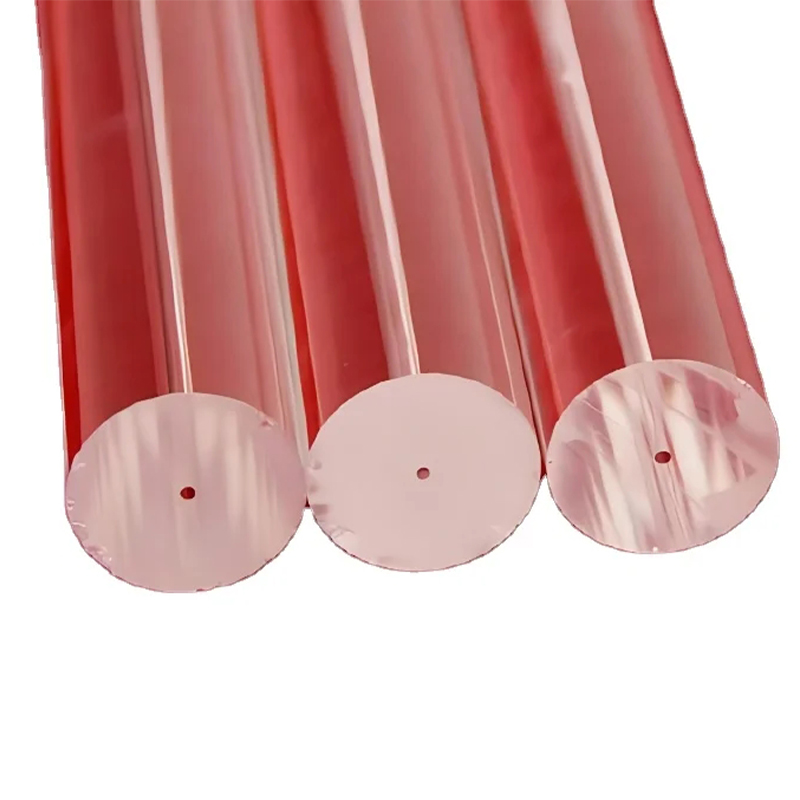
 High-Purity Quartz Crucibles for Semiconductor and Photovoltaic ProcessingHigh-purity quartz crucibles for semiconductor and photovoltaic processes, offering dimensional accuracy and thermal shock resistance for rapid heating cycles; custom shapes can be produced to technical drawings.View Product →
To explore the full range of quartz materials, you can also review the high-purity fused quartz page or the semiconductor-grade quartz section for application-specific guidance.
Frequently Asked Questions
Is fused silica density always 2.2 g/cm³?
No. The nominal value is 2.20 g/cm³, but it can range from 2.18 to 2.22 g/cm³ for transparent material. Low-OH grades tend to be at the higher end, while opaque or bubble-containing quartz can be lower.
How does density affect thermal shock resistance?
Density itself is not the primary factor; thermal expansion and thermal conductivity matter more. However, a consistent density often indicates a homogeneous material, which helps avoid stress concentrations during rapid temperature changes.
Can I use density to identify low-quality quartz?
Density is one indicator. A density significantly below 2.18 g/cm³ for transparent quartz may suggest excessive porosity or incomplete fusion. Combine density testing with visual inspection and hydroxyl content analysis for a complete picture.
Does density change with temperature?
Yes, like most materials, fused silica expands when heated, so its density decreases slightly at high temperatures. For most engineering calculations at room temperature, the 2.20 g/cm³ value is sufficient.
What density should I specify for optical quartz plates?
For optical applications, specify 2.20 ± 0.01 g/cm³. This tight tolerance helps ensure refractive index homogeneity and consistent polishing behavior.
Final Thoughts on Fused Silica Density
Fused silica density is more than a textbook constant. It is a practical specification that influences weight, thermal mass, and quality control. By understanding the typical value of 2.20 g/cm³, the acceptable tolerances, and how different product forms vary, you can make better decisions when sourcing quartz tubes, rods, plates, or crucibles. Whether you are a process engineer, a lab manager, or a procurement specialist, including density in your specification is a simple step that pays off in performance and reliability.
Key takeaway: Specify fused silica density as 2.20 ± 0.01 g/cm³ for transparent parts, and always request a certificate of analysis to confirm batch consistency.
Featured Products
Copyright © Yancheng Mingyang Quartz Products Co., Ltd. All Rights Reserved.
Wholesale Quartz Products Manufacturer Quartz Glass Factory