

 +86-0515-86223369
  0
0 en
en English
 日本語
日本語 Español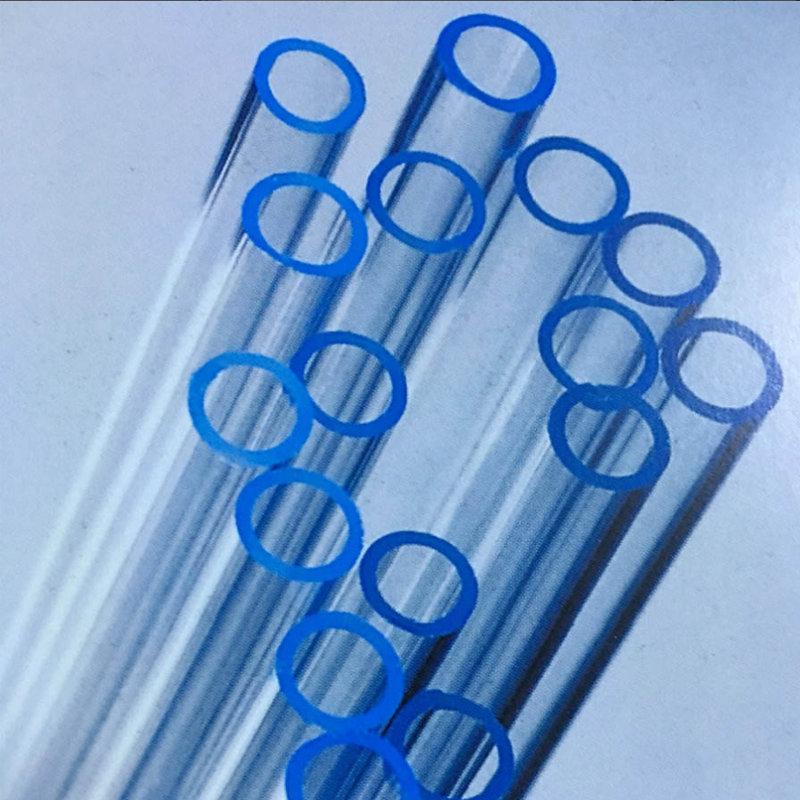


If you need any help, please feel free to contact us
 Products & Solutions
What are the most common types of quartz products used today?
Content
- 1 Quartz Countertops: The Dominant Surface Choice for Kitchens
- 2 Quartz Glass Products: Industrial and Scientific Applications
- 3 Quartz Crystals in Electronics: Precision Frequency Control
- 4 Natural Quartz vs Engineered Quartz: Understanding the Distinction
- 5 Best Quartz Varieties for Jewelry and Gemstone Applications
- 6 Eco-Friendly Quartz Materials: Sustainability in Production
- 7 Benefits of Quartz Surfaces Across Industries
- 8 About Yancheng Mingyang Quartz Products Co., Ltd.
- 9 Frequently Asked Questions About Quartz Products
The most common types of quartz products used today include quartz countertops for kitchens and bathrooms, quartz glass tubes for industrial and laboratory applications, quartz crystals for electronics, quartz heaters for infrared heating, and quartz stone slabs for architecture and interior design. Whether the application is domestic, scientific, or industrial, quartz materials offer a combination of thermal stability, chemical resistance, and optical clarity that few other materials can match. This guide explores each category in depth — with data, comparisons, and practical selection advice.
Quartz Countertops: The Dominant Surface Choice for Kitchens
Quartz countertops account for approximately 40% of the global stone surface market, making them the single most popular category of quartz products in residential and commercial use. Unlike natural granite or marble, engineered quartz slabs are manufactured from 90–94% ground natural quartz bound with polymer resins and pigments — delivering a consistent appearance, non-porous surface, and superior stain resistance.
Engineered Quartz vs Natural Stone
The debate between engineered quartz vs natural stone often centers on maintenance and durability. Engineered quartz surfaces require no sealing, resist bacterial growth due to their non-porous structure, and maintain color consistency across large installations. Natural granite and marble, while offering unique veining patterns, require periodic sealing and are more susceptible to staining from acidic foods and liquids.
| Property | Engineered Quartz | Natural Granite | Natural Marble |
|---|---|---|---|
| Porosity | Non-porous | Low porosity | High porosity |
| Sealing Required | No | Yes (annually) | Yes (frequently) |
| Scratch Resistance | High (Mohs 7) | High (Mohs 6–7) | Moderate (Mohs 3–4) |
| Heat Resistance | Moderate (use trivets) | High | Moderate |
| Pattern Consistency | Uniform | Variable | Variable |
| Eco-Friendly Options | Yes (recycled content) | Limited | Limited |
Quartz Countertop Maintenance
One of the primary benefits of quartz surfaces is minimal upkeep. Quartz countertop maintenance requires only warm water and mild soap for daily cleaning. Avoid abrasive pads and strong alkaline or acidic cleaners. While quartz is highly stain-resistant, prolonged exposure to permanent markers or strong dyes may require specialist treatment. Engineered quartz countertops should not be used as cutting boards, as repeated knife contact can dull both blade and surface.
Quartz Glass Products: Industrial and Scientific Applications
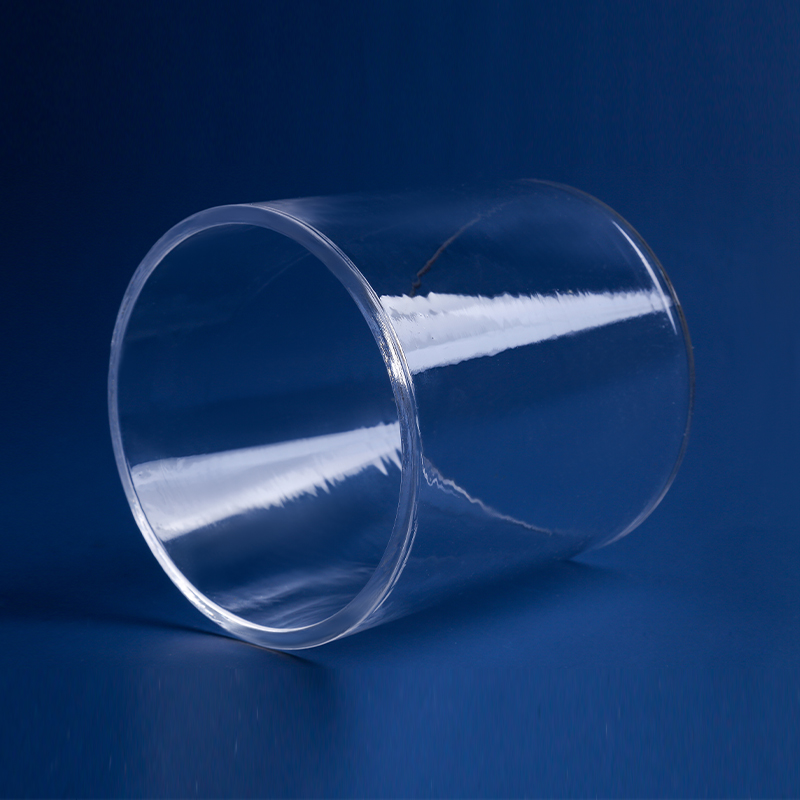
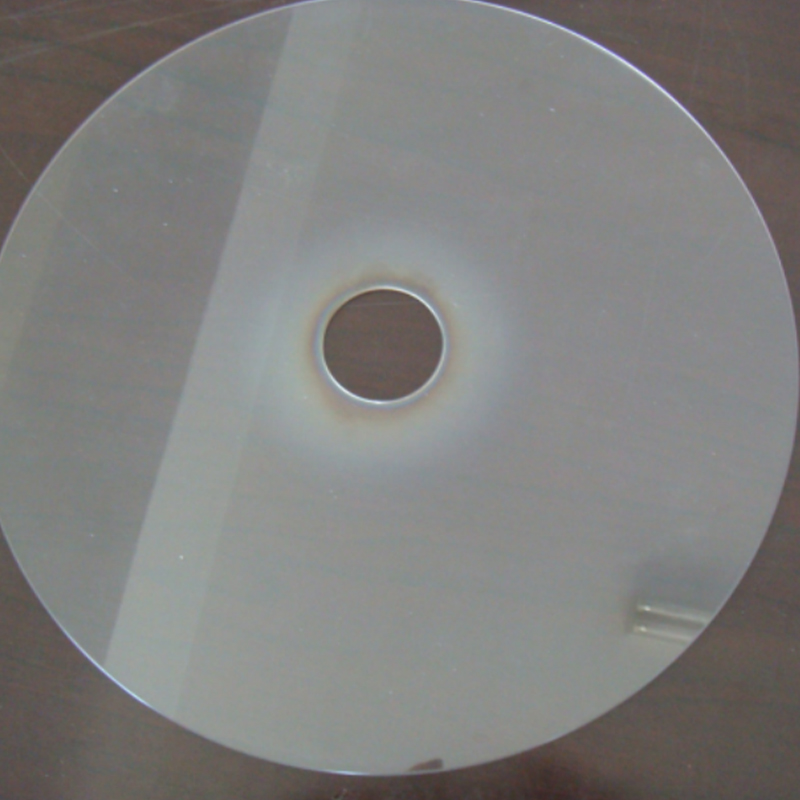
Beyond residential surfaces, quartz products in industrial settings are indispensable. Quartz glass — produced from high-purity silicon dioxide — offers a working temperature range of up to 1,650°C, extremely low thermal expansion (coefficient: 0.55 × 10⁻⁶/°C), and optical transparency from deep UV through near-infrared wavelengths. These properties make it irreplaceable in semiconductor manufacturing, laboratory instruments, and high-intensity lighting.
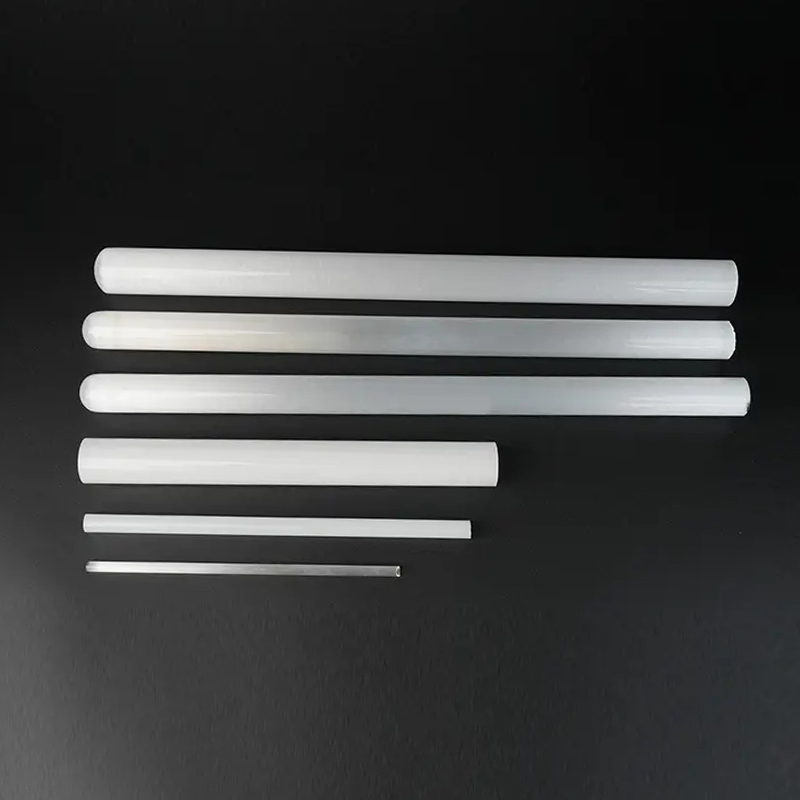
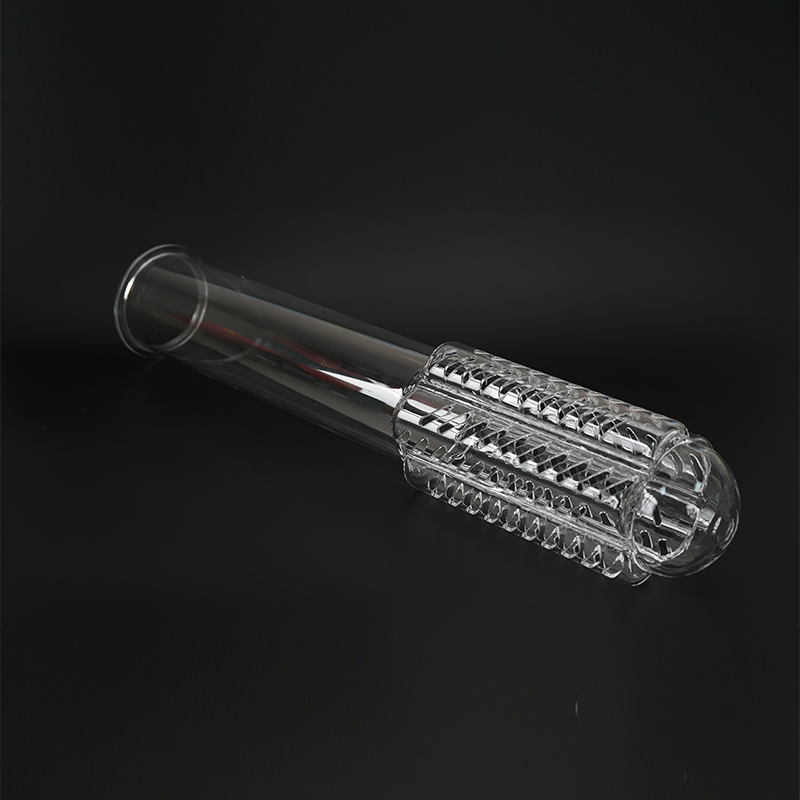
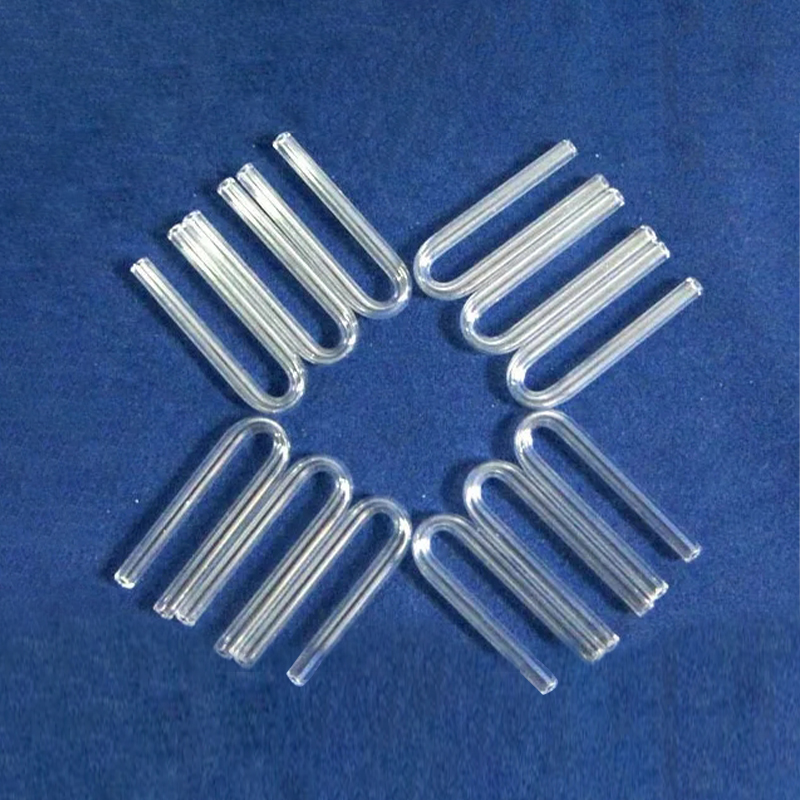
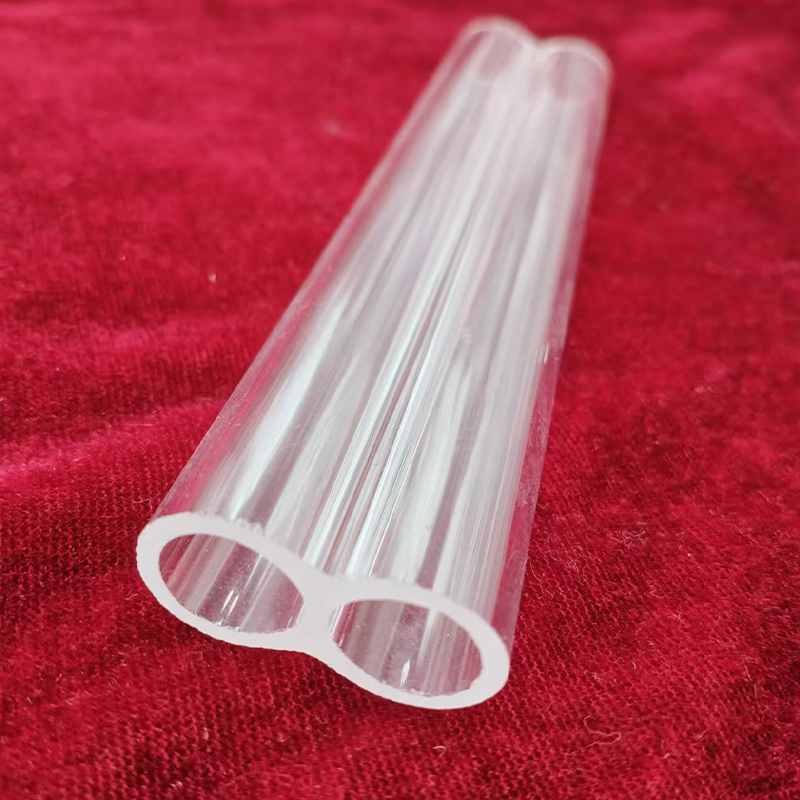
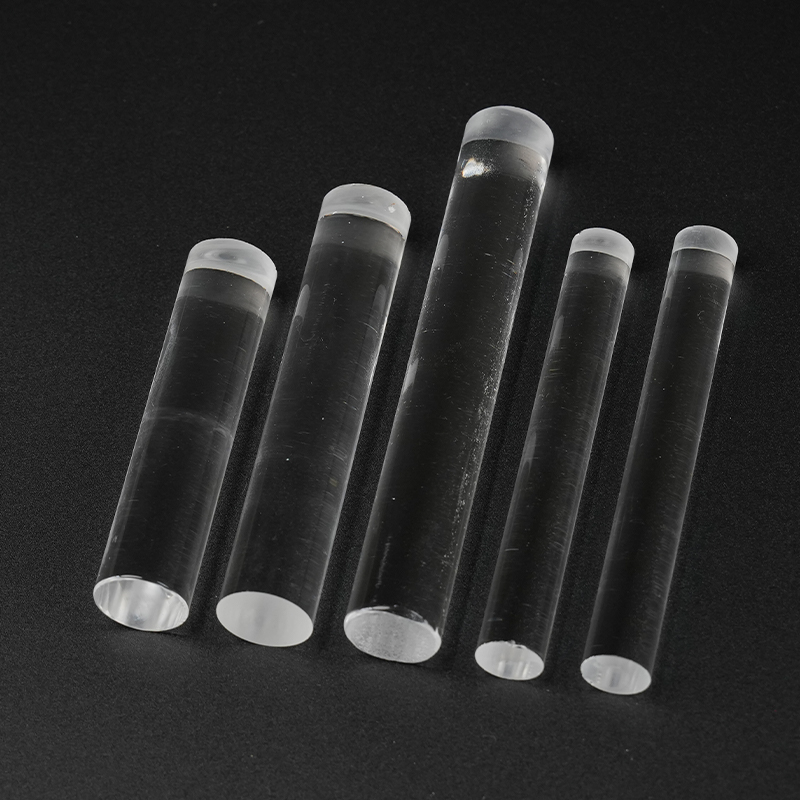
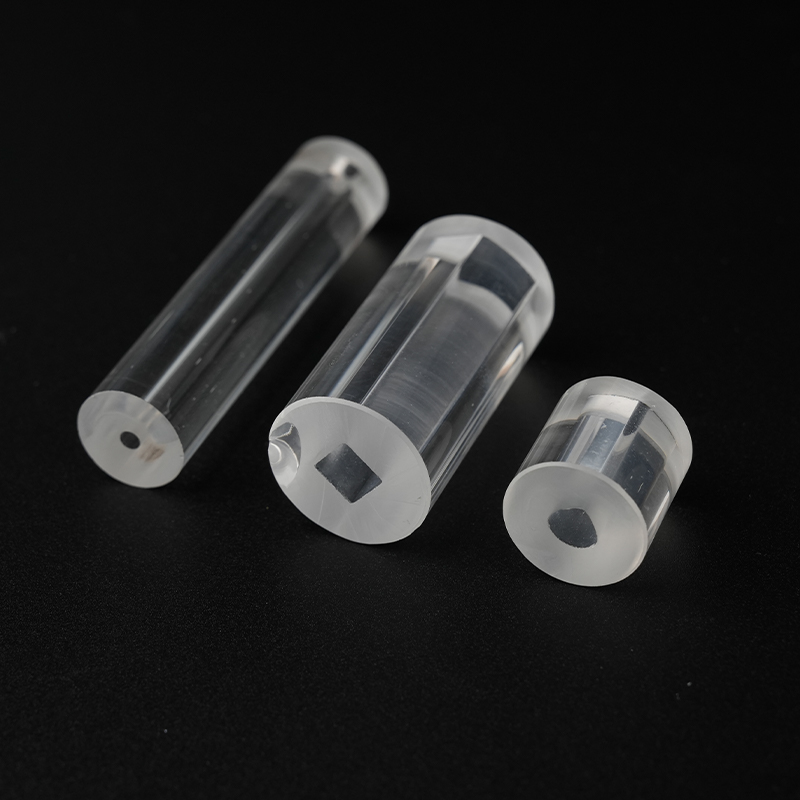
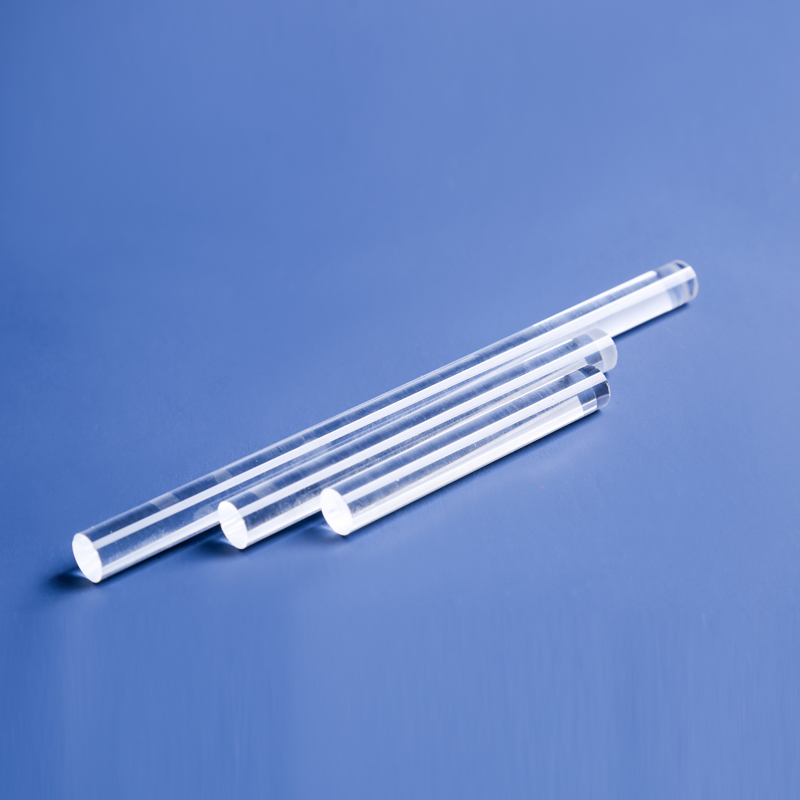
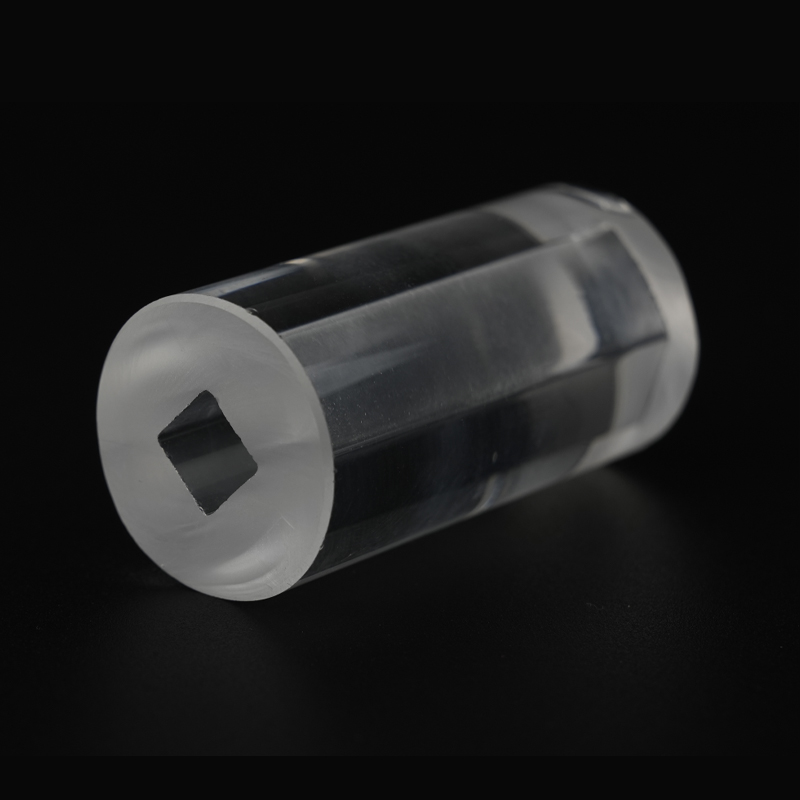
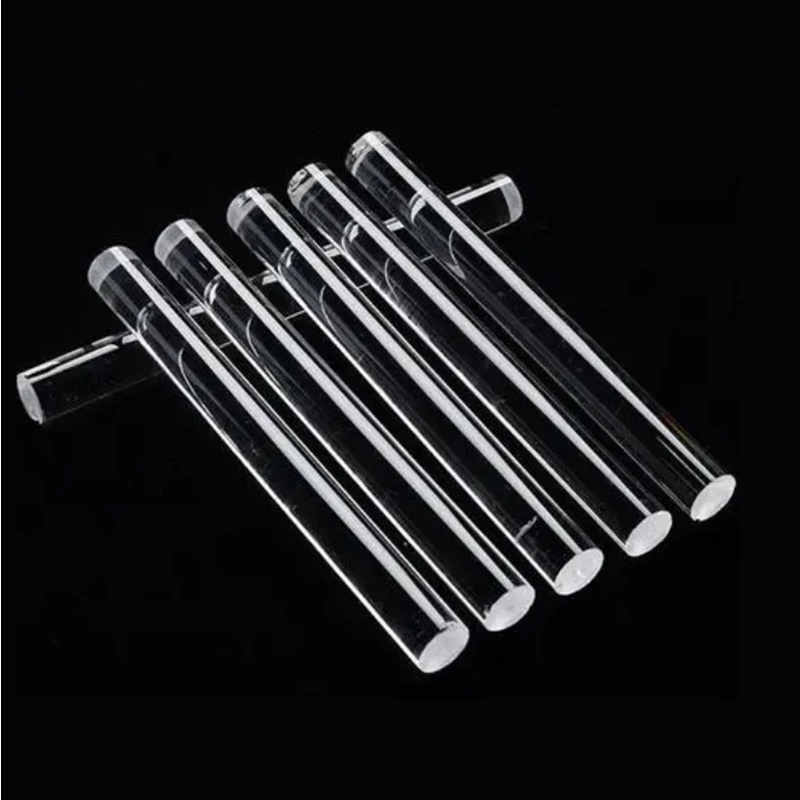
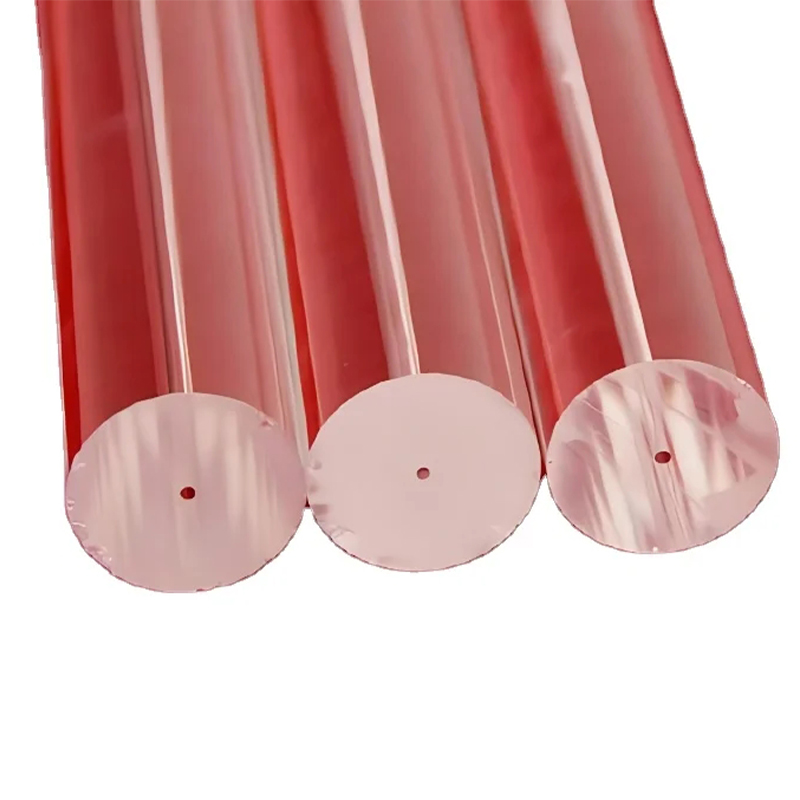
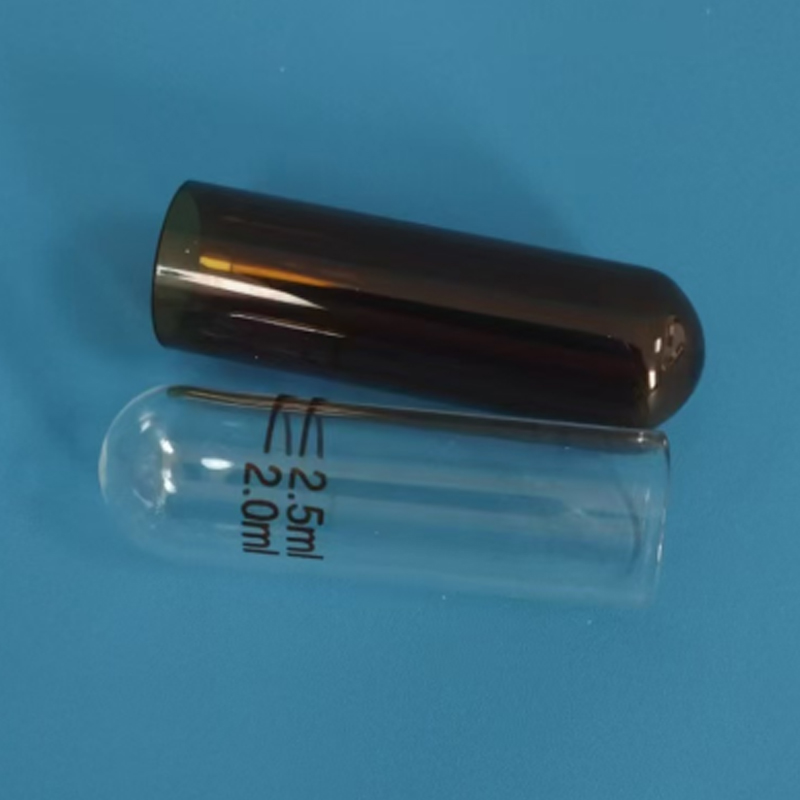
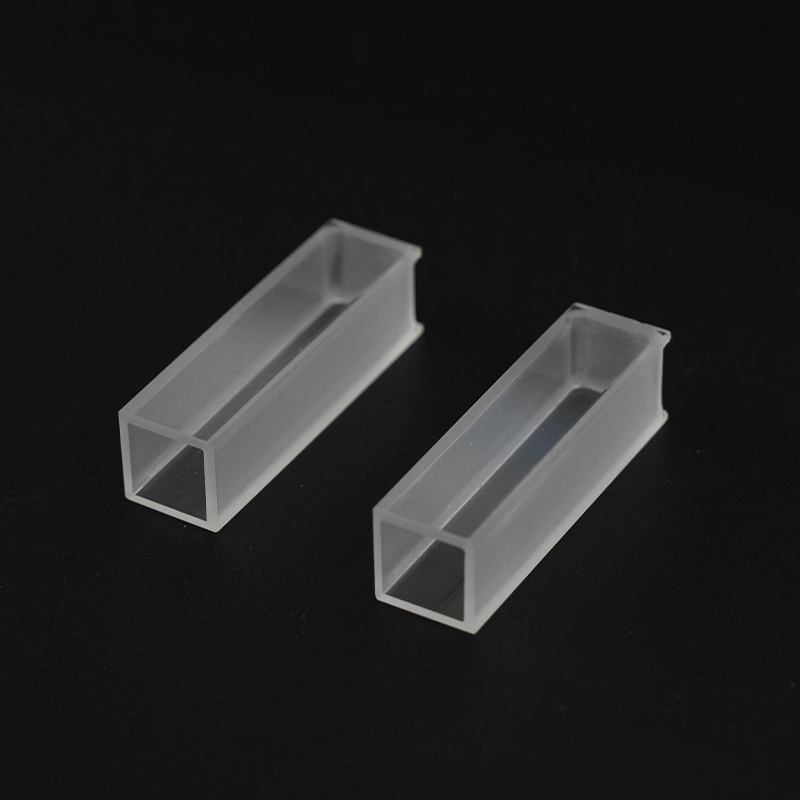
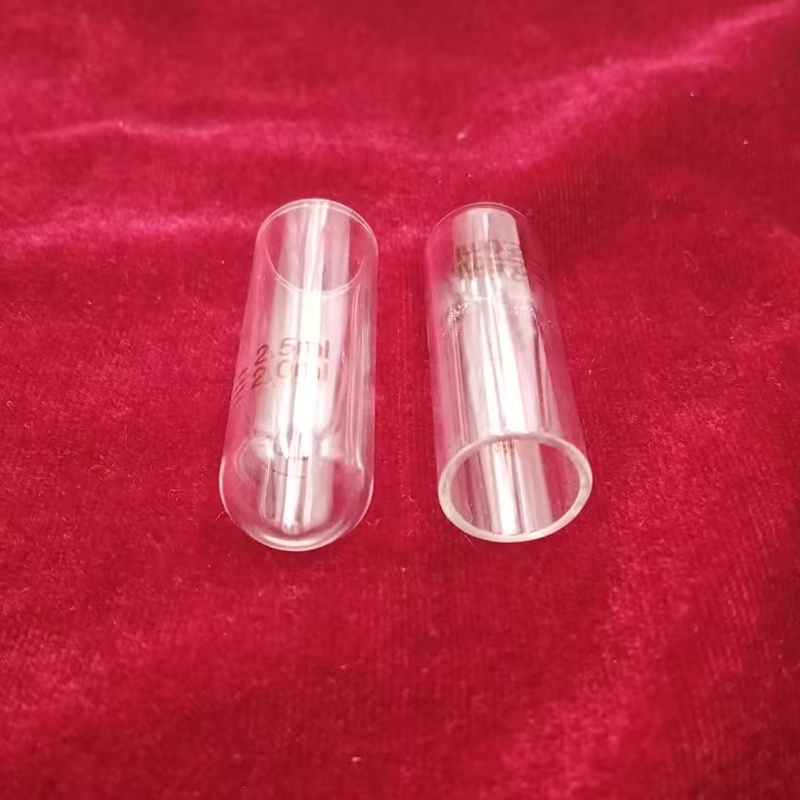
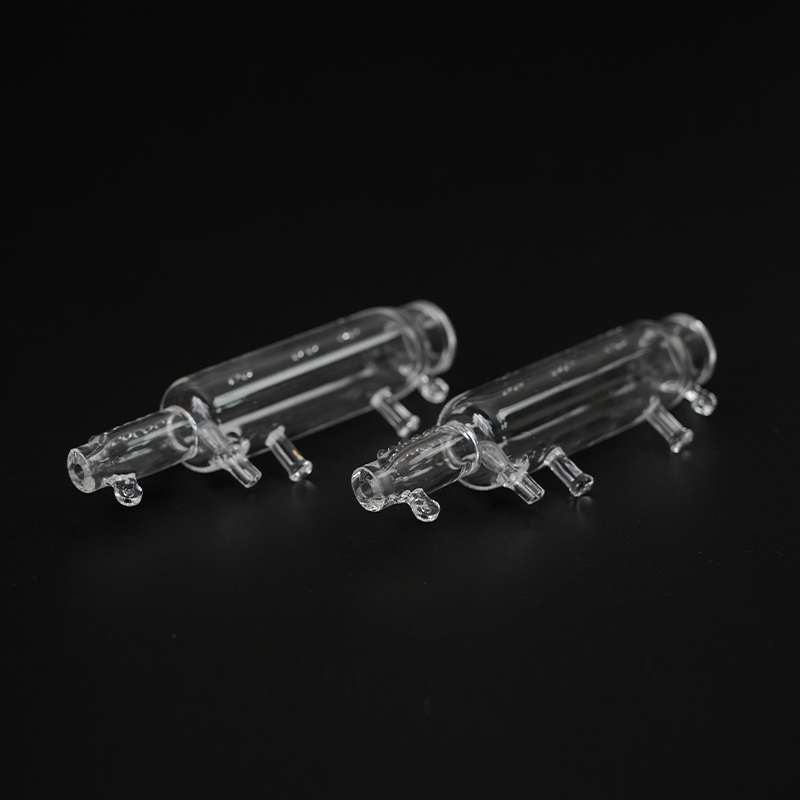
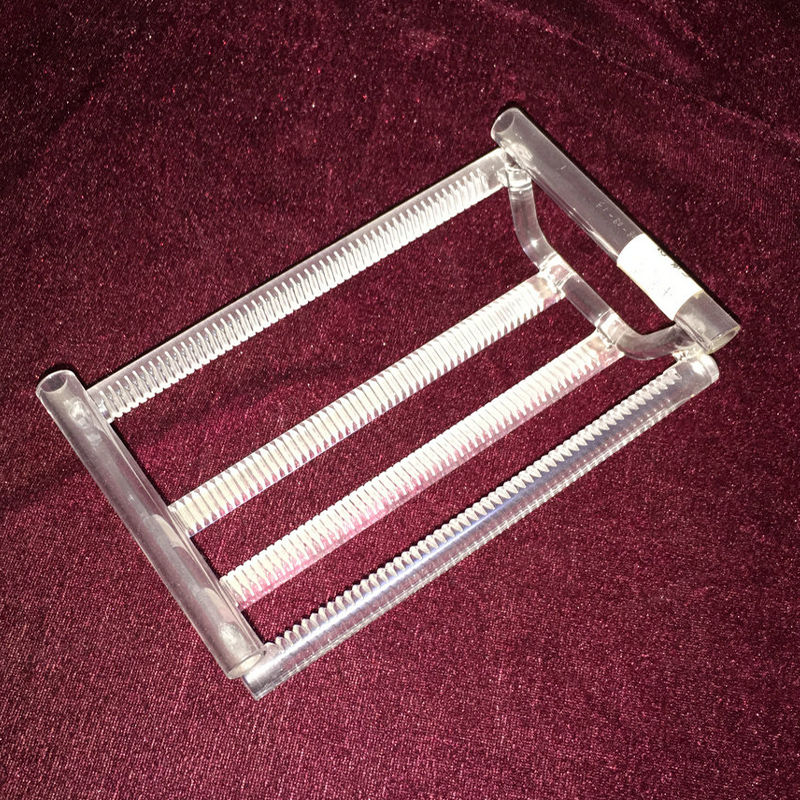
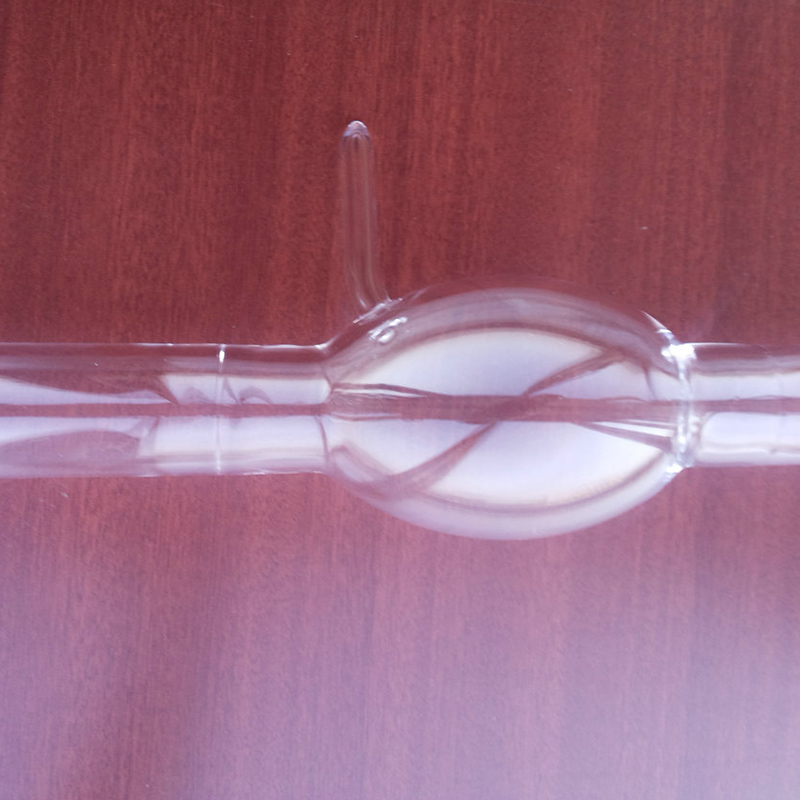
Yancheng Mingyang Quartz Products Co., Ltd. produces an extensive range of industrial quartz glass items, including standard and double-hole quartz glass tubes, quartz rods, quartz crucibles, quartz heaters, quartz gold-plated tubes, and quartz infrared heating tubes. Each product is manufactured to precise purity and dimensional tolerances for demanding applications.
Key Industrial Quartz Glass Product Types
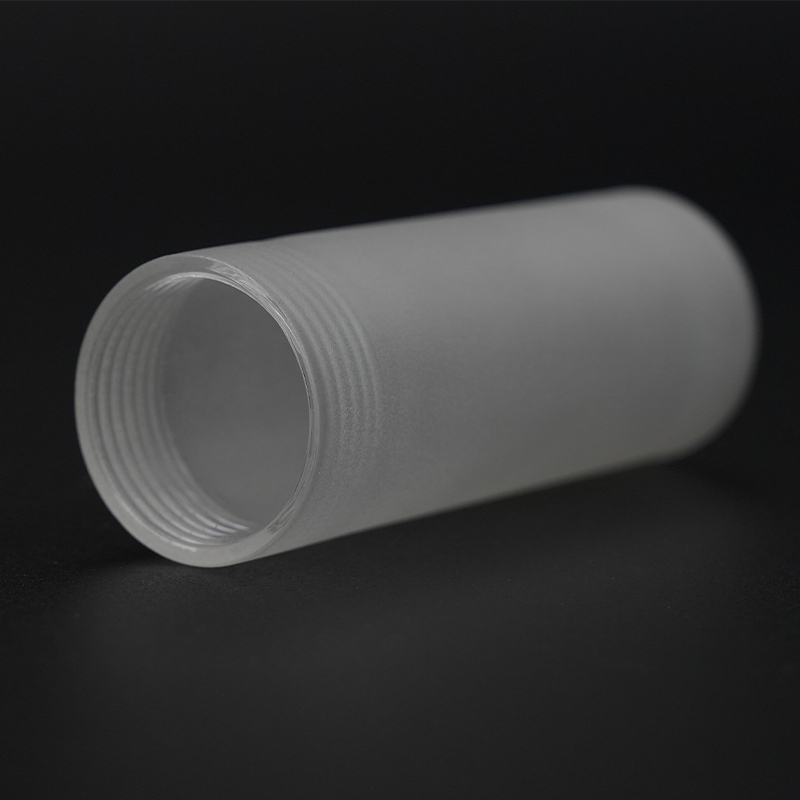
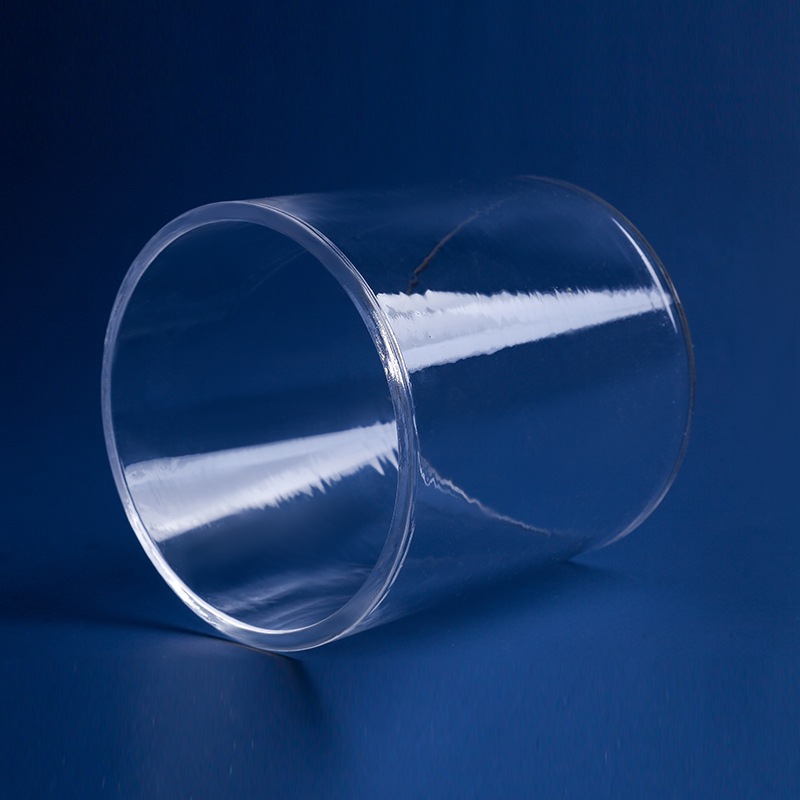
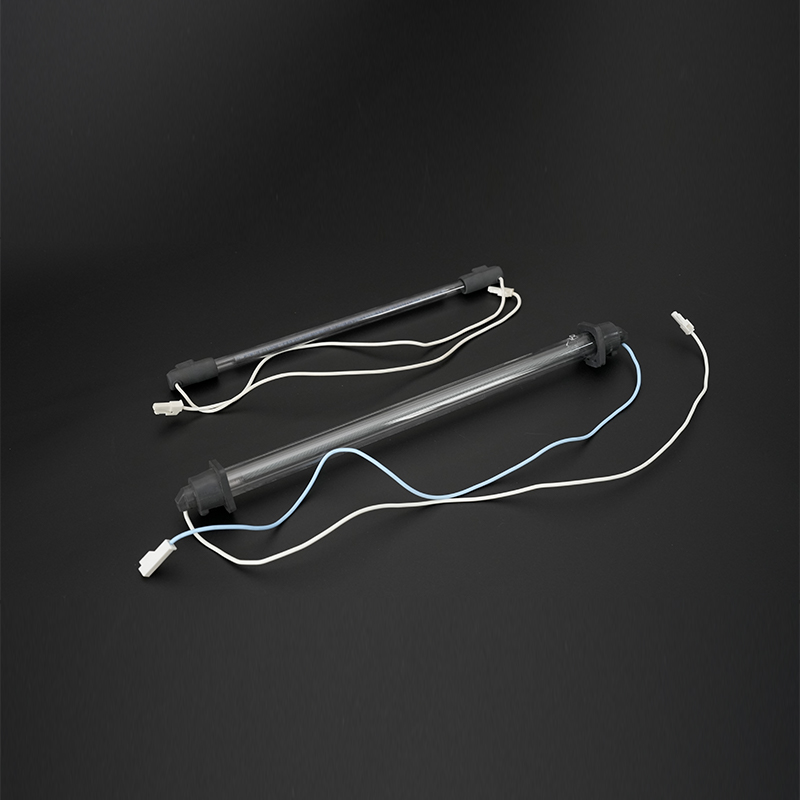
- Quartz Glass Tubes: Used in UV germicidal lamps, semiconductor diffusion furnaces, and chemical processing. Available in single-bore and double-hole configurations for specialized gas or fluid flow applications.
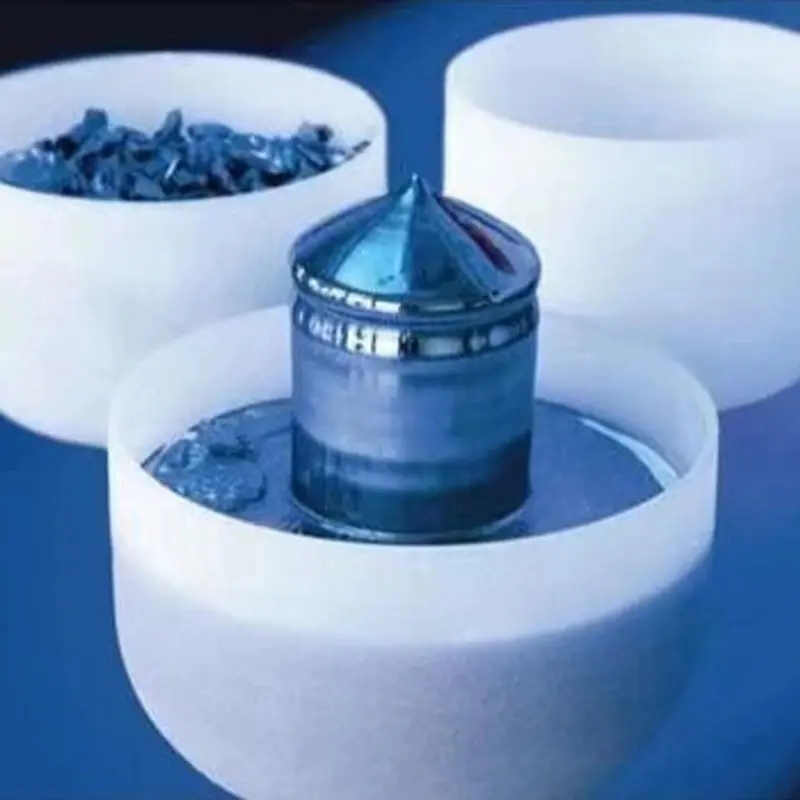
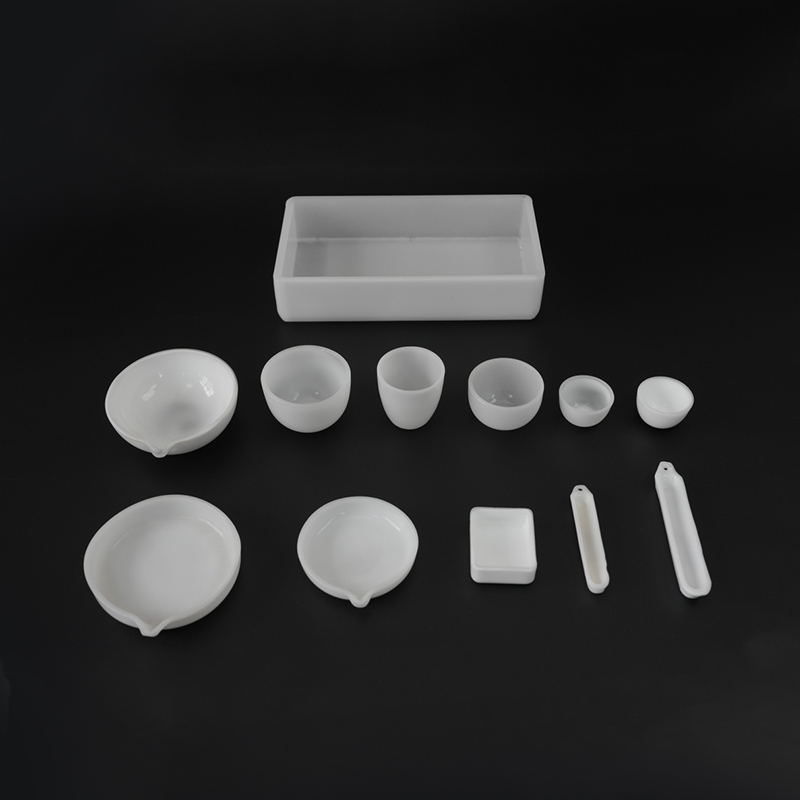
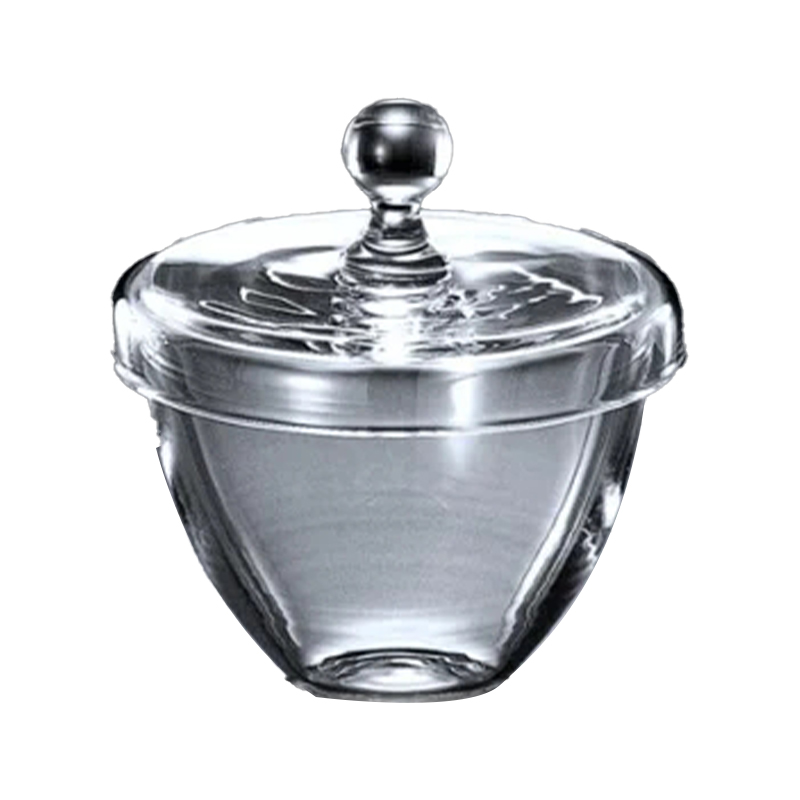
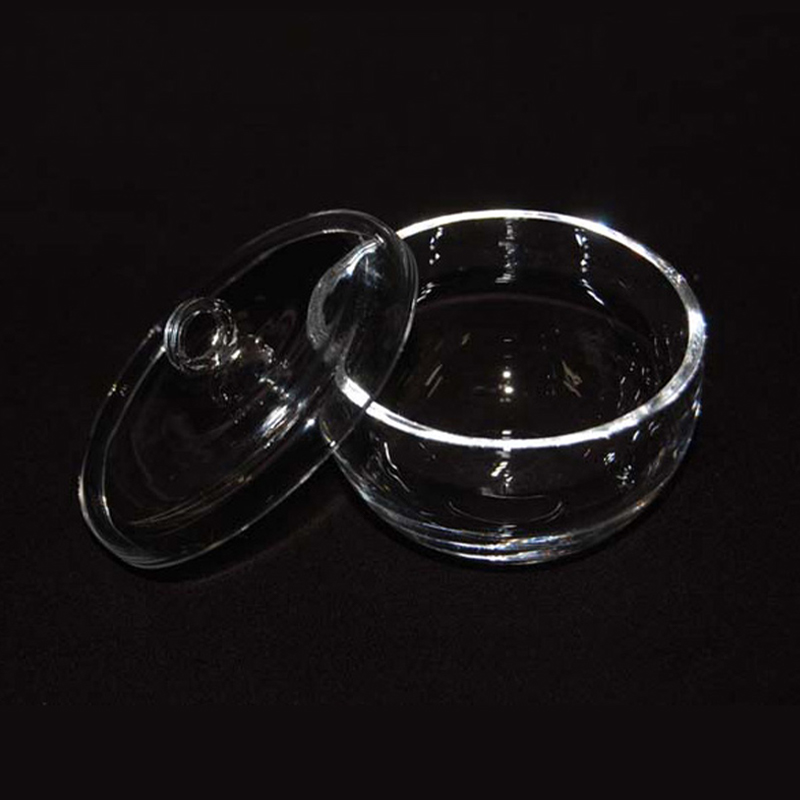
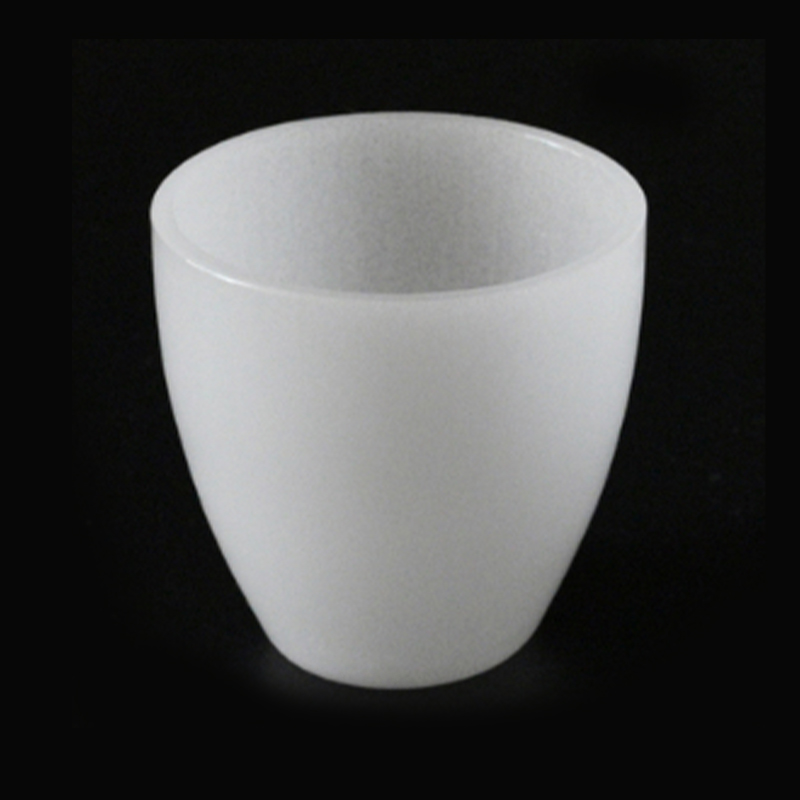
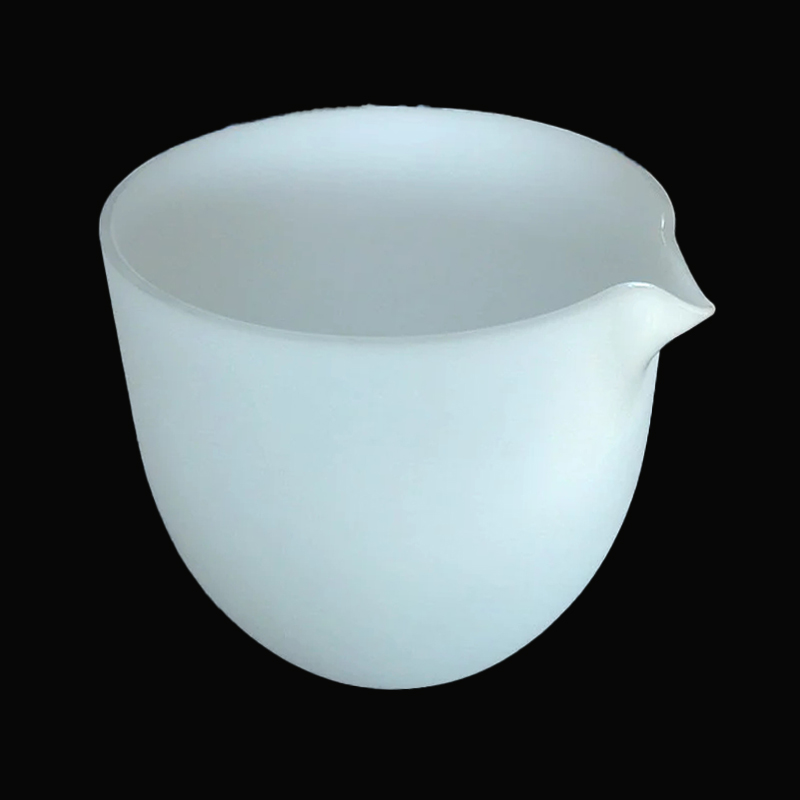
- Quartz Crucibles: Essential for silicon crystal growth in the photovoltaic and semiconductor industries. High-purity fused quartz resists contamination at temperatures above 1,400°C.
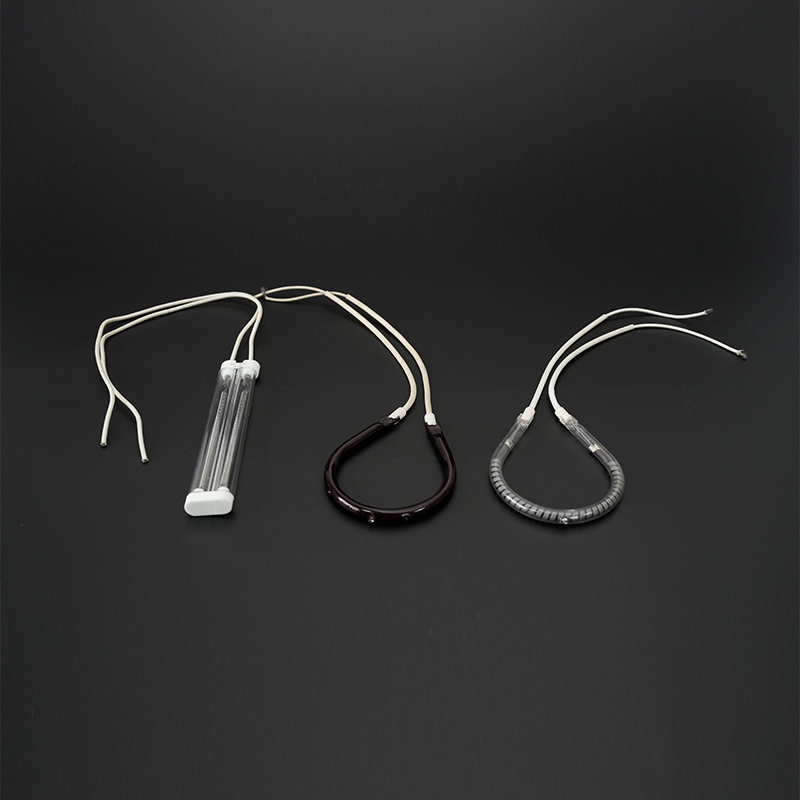
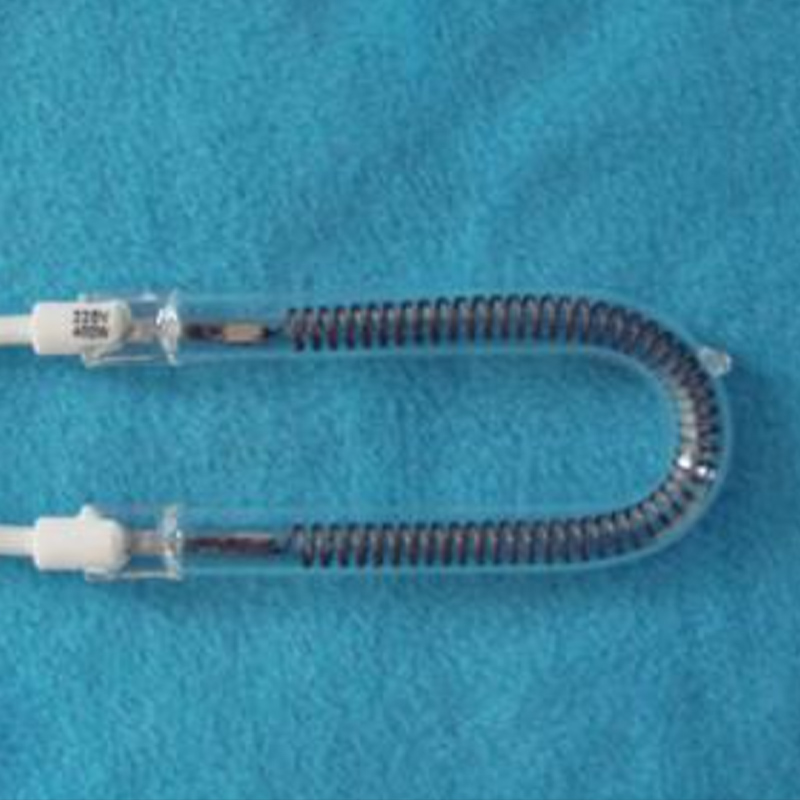
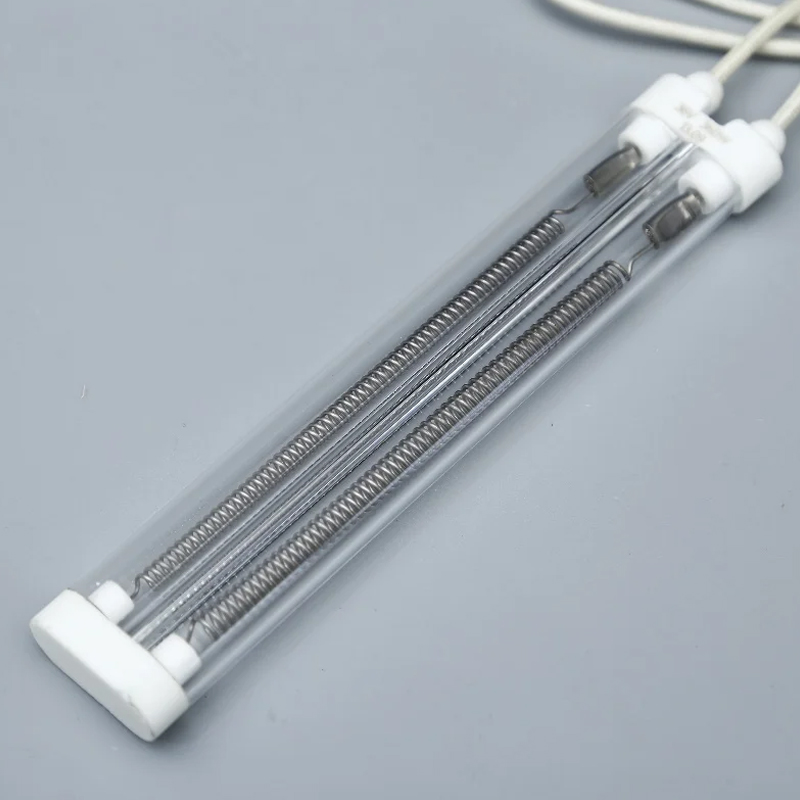
- Quartz Infrared Heating Tubes: Used in industrial drying ovens, paint curing systems, food processing equipment, and medical device sterilization. Emit focused infrared radiation with rapid response times.
- Quartz Gold-Plated Tubes: Feature a reflective gold coating to direct infrared radiation with high efficiency. Common in precision heating and industrial drying applications.
- UV Germicidal Lamps: Quartz glass transmits UV-C radiation (200–280nm) used for water disinfection, air purification, and surface sterilization in medical and food safety environments.
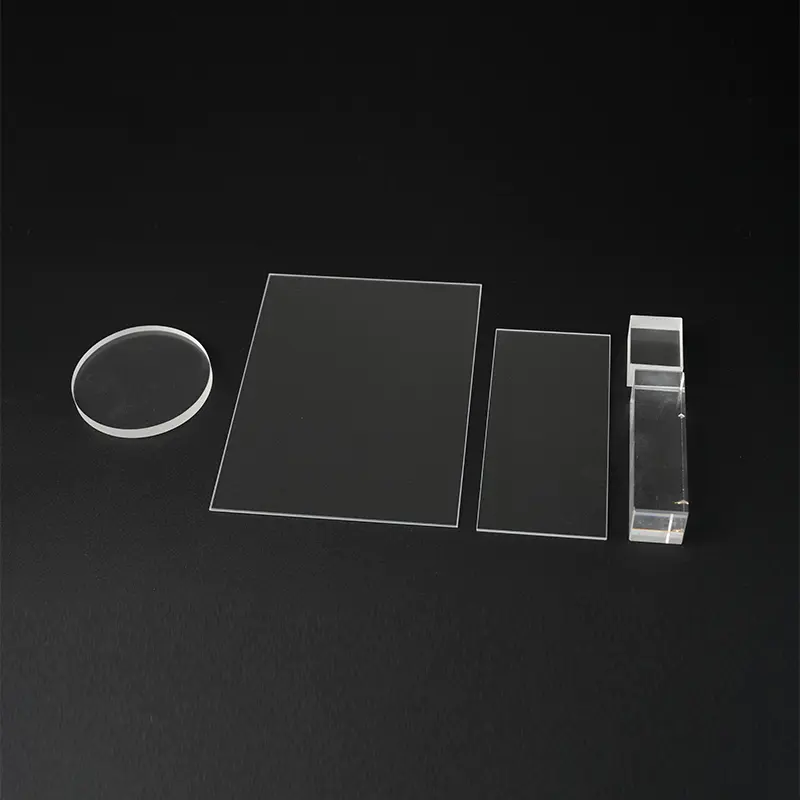
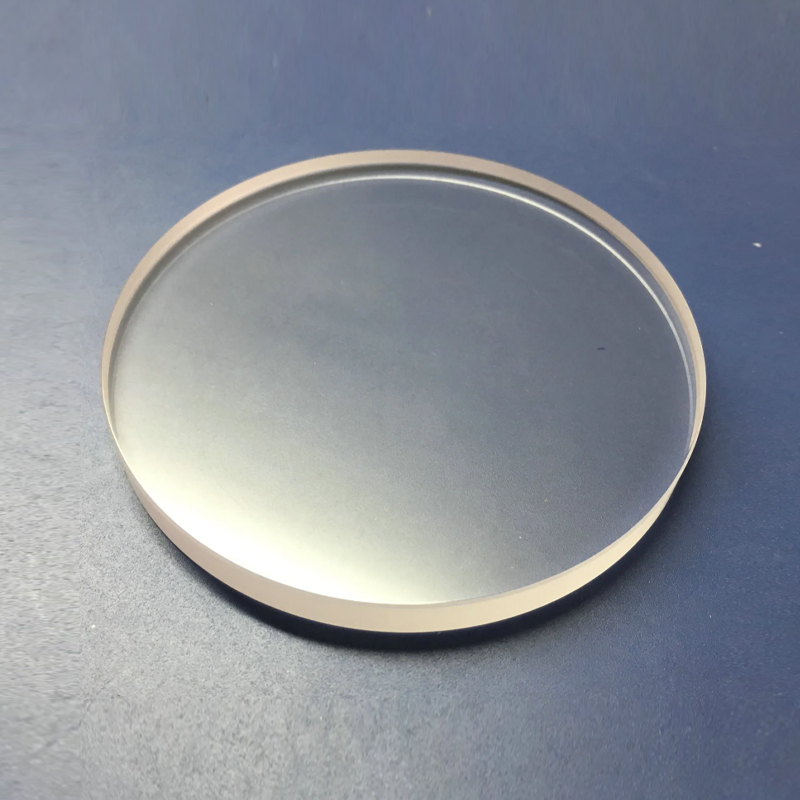
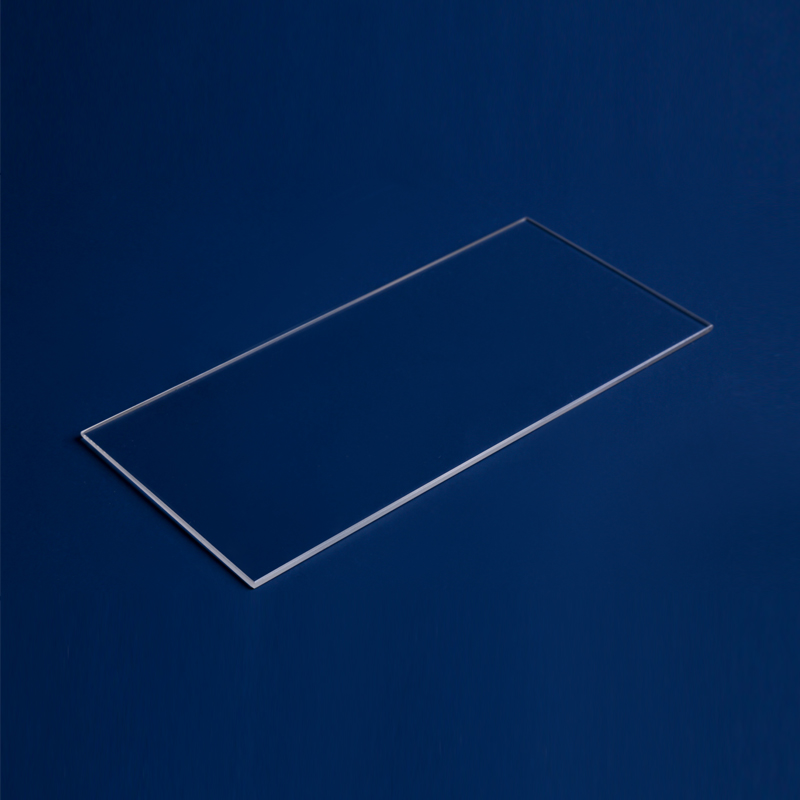
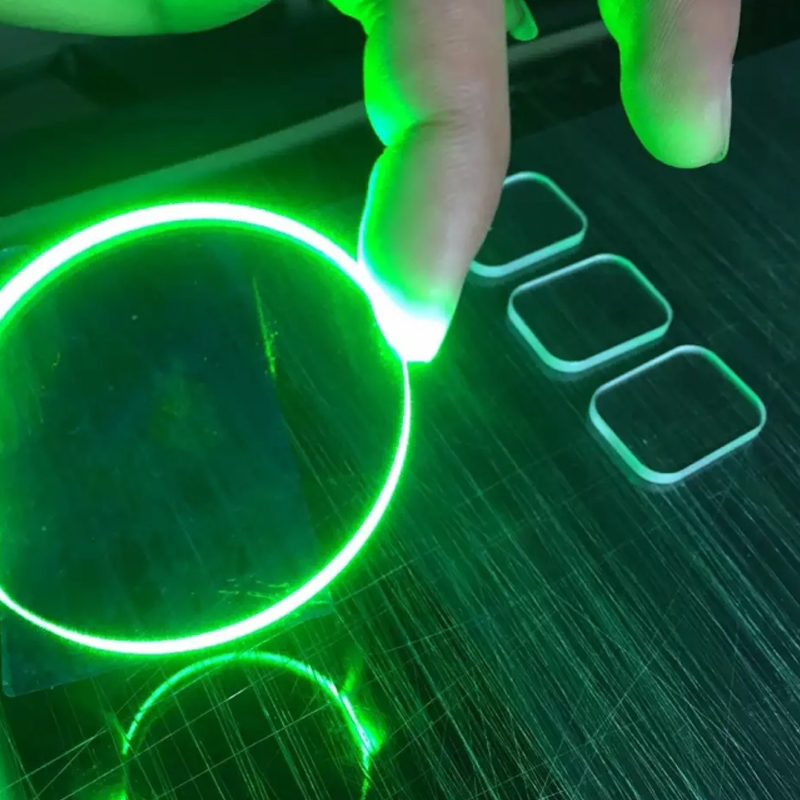
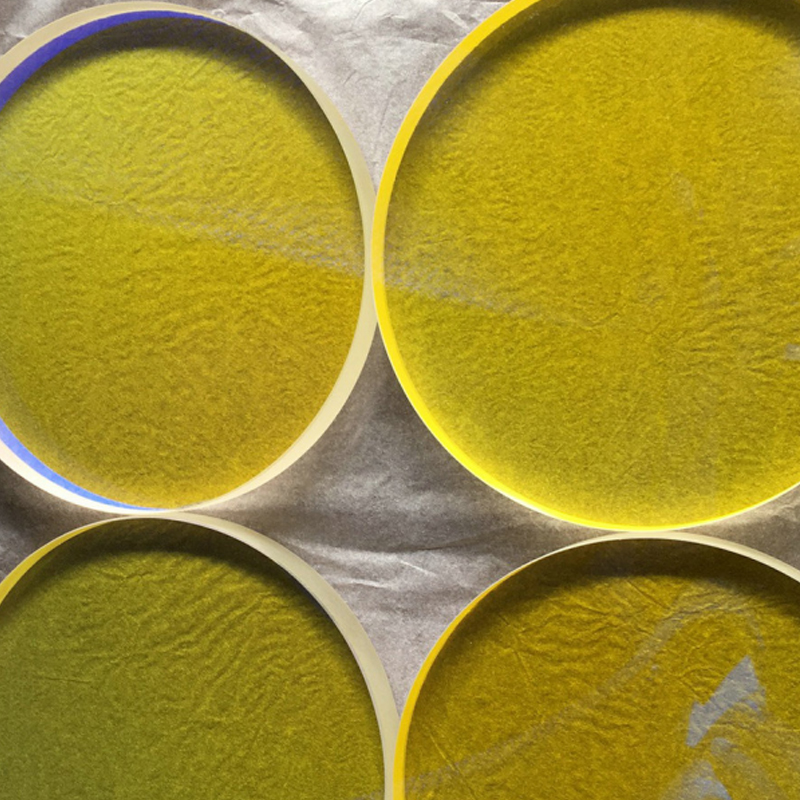
- Quartz Sheets and Windows: Optical-grade quartz windows used in laser systems, spectrophotometers, and high-pressure viewing applications. Also includes sapphire windows, calcium fluoride glass windows, and infrared/UV coated windows.
Quartz Crystals in Electronics: Precision Frequency Control
Quartz products in electronics are dominated by the piezoelectric quartz crystal — a thin slice of natural or synthetic quartz that vibrates at an extremely precise frequency when an electric field is applied. This property, known as the piezoelectric effect, is the foundation of oscillators in smartphones, GPS receivers, microcontrollers, and every digital clock manufactured today.
The global quartz crystal and oscillator market was valued at over USD 3.5 billion in 2023 and continues to grow with the expansion of IoT devices, 5G telecommunications infrastructure, and automotive electronics. A standard 32.768 kHz quartz crystal — the type found in wristwatches — maintains timekeeping accuracy to within ±20 parts per million, equivalent to roughly 10 minutes of drift per year.
Electronics Applications of Quartz Crystals
- Oscillators and Resonators: Provide stable clock signals for microprocessors, communication modules, and data converters. Temperature-compensated crystal oscillators (TCXOs) are used in GPS and mobile networks.
- Filters: Quartz bandpass filters are used in radio receivers to select specific frequency channels with high selectivity. Surface acoustic wave (SAW) filters — derived from quartz — are standard in every smartphone.
- Sensors: Quartz crystal microbalances (QCM) detect mass changes at the nanogram level — used in thin-film deposition monitoring, biosensors, and chemical detection.
- Ultrasonics: Piezoelectric quartz transducers generate and detect ultrasonic waves for non-destructive testing, medical imaging, and sonar applications.
Natural Quartz vs Engineered Quartz: Understanding the Distinction
The term quartz stone encompasses both naturally occurring mineral quartz (SiO₂) and engineered composite slabs. Natural quartz crystals form over millions of years in hydrothermal veins and pegmatite rocks, and are mined for use in electronics, optics, and as a raw material for engineered surfaces. Engineered quartz takes natural quartz aggregate and combines it with resins and pigments under high pressure to produce dimensionally stable slabs suitable for countertops and wall cladding.
Best Quartz Varieties for Jewelry and Gemstone Applications
Quartz crystals are among the most widely used gemstones globally, valued for their hardness (Mohs 7), optical clarity, and wide range of naturally occurring colors. The best quartz varieties for jewelry are determined by color saturation, clarity, cut compatibility, and market demand. The following varieties are among the most commercially significant:
| Variety | Color | Hardness (Mohs) | Primary Use |
|---|---|---|---|
| Amethyst | Purple | 7 | Rings, pendants, earrings |
| Citrine | Yellow to orange | 7 | Statement stones, pendants |
| Rose Quartz | Pink | 7 | Cabochons, beads, carvings |
| Smoky Quartz | Brown to black | 7 | Faceted gems, men's jewelry |
| Rock Crystal | Colorless | 7 | Optical lenses, carvings |
| Ametrine | Purple & yellow | 7 | Collector gems, pendants |
Eco-Friendly Quartz Materials: Sustainability in Production
The quartz industry has made notable progress toward sustainability. Eco-friendly quartz materials now include engineered slabs incorporating up to 30% recycled glass or stone waste as filler aggregate, replacing a portion of virgin quartz. Some manufacturers have also adopted water recycling systems in slab fabrication, reducing freshwater consumption by up to 70% compared to conventional wet-process methods.
In quartz glass manufacturing, the shift toward synthetic fused silica — produced from high-purity silicon compounds rather than mined quartz — reduces dependency on mineral extraction while delivering superior purity levels (SiO₂ content above 99.999%). This is particularly relevant for semiconductor-grade quartz components, where trace metal contamination must be measured in parts per trillion.
- Recycled Content Slabs: Engineered quartz incorporating post-consumer recycled glass, meeting sustainability certifications such as GREENGUARD Gold and NSF/ANSI 51.
- Low-VOC Binders: Advanced polymer resin systems in engineered quartz reduce volatile organic compound emissions during both manufacturing and product lifetime.
- Infrared Heating Efficiency: Quartz infrared heating tubes convert over 96% of electrical input into radiant energy, significantly reducing energy waste compared to conventional resistance heating elements.
- UV Sterilization Without Chemicals: Quartz UV germicidal lamps disinfect water and air without chemical additives, eliminating disinfection by-product (DBP) formation in water treatment.
Benefits of Quartz Surfaces Across Industries
The benefits of quartz surfaces extend well beyond aesthetics. Whether in kitchen design, semiconductor production, or UV sterilization systems, the material properties of quartz deliver measurable performance advantages:
- Thermal Stability: Quartz glass maintains structural integrity from cryogenic temperatures up to 1,650°C, making it suitable for both cryogenic storage systems and high-temperature industrial furnaces.
- Chemical Resistance: Pure quartz glass resists attack from most acids (except hydrofluoric acid) and alkalis, making it the material of choice for semiconductor wet-bench equipment and pharmaceutical processing vessels.
- Optical Transparency: Quartz transmits wavelengths from 150nm (deep UV) to over 3,500nm (mid-infrared), covering a spectral range unmatched by conventional glass.
- Non-Porous Surfaces: Engineered quartz countertops and cladding do not harbor bacteria, mold, or fungi, meeting food-safety standards for commercial kitchen applications.
- Dimensional Precision: Quartz glass components are manufactured to tight dimensional tolerances (±0.1mm or better), enabling reliable sealing, alignment, and assembly in precision optical and semiconductor equipment.
About Yancheng Mingyang Quartz Products Co., Ltd.
Yancheng Mingyang Quartz Products Co., Ltd. is a specialist manufacturer of quartz and special glass products, operating as the Jiangsu production facility of Jinzhou Mingde Quartz Glass Co., Ltd. Since its establishment, the company has grown rapidly by integrating advanced domestic and international manufacturing technology with a commitment to continuous quality improvement.
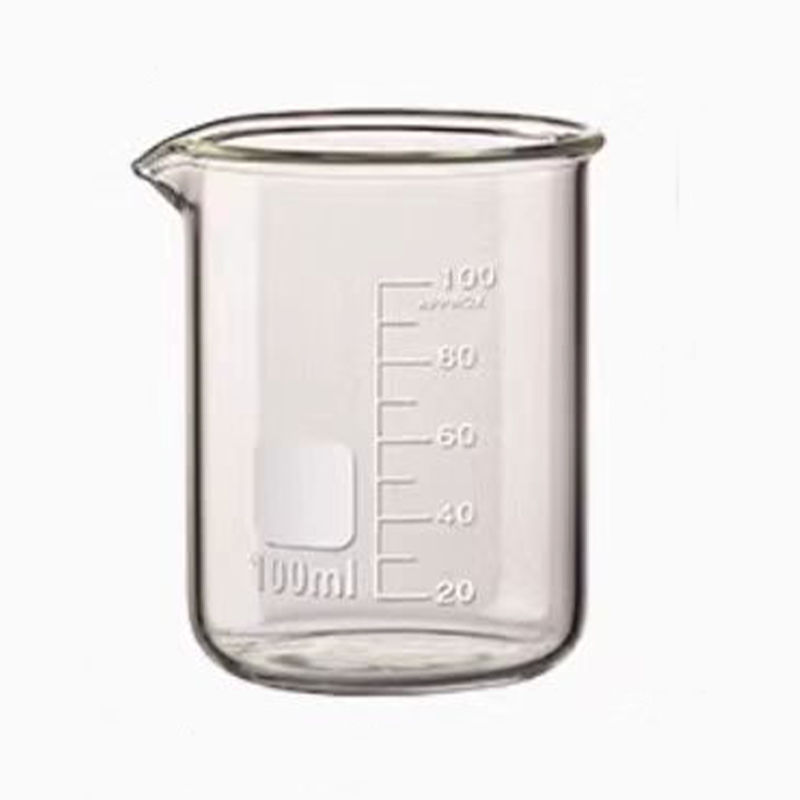
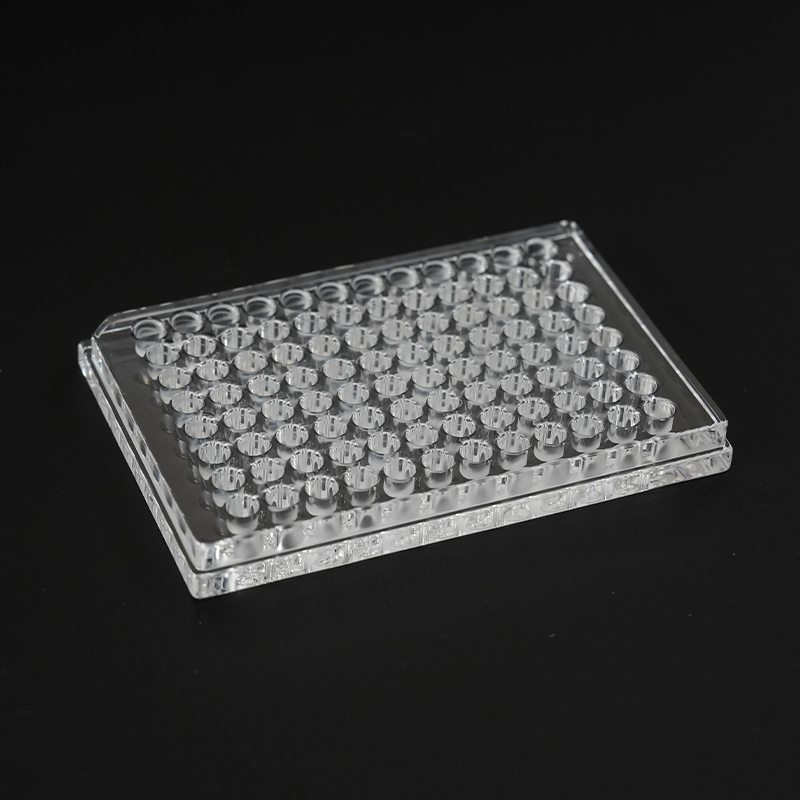
The company's product portfolio covers quartz glass tubes, double-hole quartz glass tubes, quartz glass rods, quartz sheets, sapphire windows, calcium fluoride glass windows, infrared and ultraviolet coatings, high-pressure aluminosilicate glass window panels, quartz glass instruments, high borosilicate glass instruments, quartz crucibles, quartz gold-plated tubes, quartz heaters, quartz infrared heating tubes, far-infrared directional radiation heaters, UV germicidal lamps, and other specialized quartz glass products.
With a customer-focused approach to OEM and ODM partnerships, Yancheng Mingyang has resolved critical production challenges for clients across the semiconductor, medical, HVAC, and scientific instrumentation sectors. The company continues to expand its product range to meet evolving market demands while maintaining rigorous quality standards throughout manufacturing.
Frequently Asked Questions About Quartz Products
Q1: What is the difference between natural quartz and engineered quartz?
Natural quartz is a mineral (SiO₂) found in rock formations, used directly in electronics, optics, and as raw material. Engineered quartz is a manufactured composite containing 90–94% ground natural quartz bound with polymer resins, used primarily for countertops and architectural surfaces. Engineered quartz offers consistent color and is non-porous; natural quartz provides superior purity for technical applications.
Q2: How do I maintain a quartz countertop?
Quartz countertop maintenance is straightforward — clean daily with warm water and mild dish soap using a soft cloth. Avoid abrasive scrubbing pads, bleach-based cleaners, and strong alkaline or acidic products. Always use trivets or heat pads under hot cookware, as prolonged direct heat can affect the resin binders in engineered quartz.
Q3: What quartz glass products are used in semiconductor manufacturing?
Semiconductor fabrication relies on high-purity quartz glass tubes, crucibles, boats, and chambers. Quartz crucibles are used to grow monocrystalline silicon ingots for wafer production. Quartz diffusion tubes are used in oxidation and doping furnaces. All components must meet stringent purity specifications — typically SiO₂ content above 99.99% with trace metal contamination below parts per billion.
Q4: Are quartz infrared heating tubes energy-efficient?
Quartz infrared heating tubes are among the most efficient electrical heating elements available, converting over 96% of electrical energy into infrared radiation. Their rapid heat-up time (typically under 2 seconds to operating temperature) eliminates warm-up energy waste common in conventional resistance heaters. They are widely used in industrial drying, food processing, and paint curing applications.
Q5: What makes quartz products suitable for UV sterilization?
Standard glass absorbs ultraviolet light below 300nm, making it unsuitable for UV-C germicidal applications. Quartz glass, particularly synthetic fused silica, transmits UV-C wavelengths (200–280nm) with very low absorption, allowing the full germicidal spectrum to pass through lamp envelopes. UV germicidal lamps with quartz envelopes are used in water treatment, air purification, and surface sterilization systems.
Q6: Can quartz countertops be used outdoors?
Standard engineered quartz countertops are not recommended for outdoor use. The polymer resin binders used in engineered quartz can degrade with prolonged UV exposure, leading to color fading and surface dulling. For outdoor applications, natural stone (granite) or UV-stable composite materials are more appropriate. Quartz glass products, however, have excellent UV resistance and are widely used in outdoor UV sterilization and heating applications.
Featured Products
Copyright © Yancheng Mingyang Quartz Products Co., Ltd. All Rights Reserved.
Wholesale Quartz Products Manufacturer Quartz Glass Factory