

 +86-0515-86223369
  0
0 en
en English
 日本語
日本語 Español


If you need any help, please feel free to contact us
 Products & Solutions
Why are quartz glass rods preferred in high purity environments?
Content
- 1 Direct Answer: Quartz Glass Rods Minimize Contamination in Critical Processes
- 2 Chemical Inertness: Resistance to Acids and Process Gases
- 3 Low Particle Generation & Non-Porous Surface
- 4 Thermal Stability & Resistance to Thermal Shock
- 5 Quartz Glass Rod vs Quartz Rod: Clarifying the Distinction for High-Purity Use
- 6 Practical Applications & Contamination Control Data
- 7 Frequently Asked Questions (FAQ)
- 8 About the Manufacturer – Yancheng Mingyang Quartz Products Co., Ltd.
Direct Answer: Quartz Glass Rods Minimize Contamination in Critical Processes
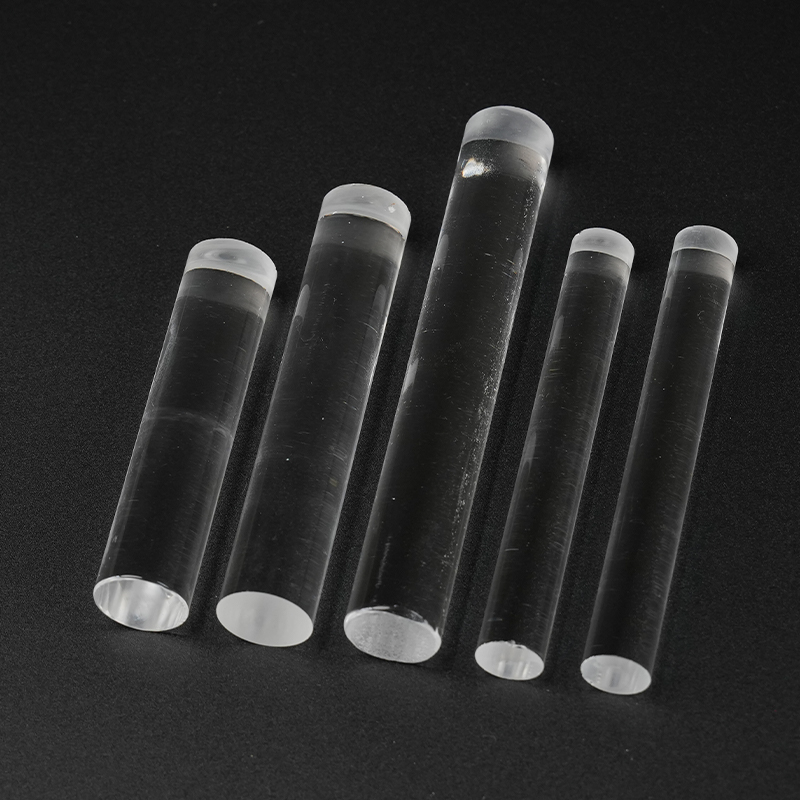
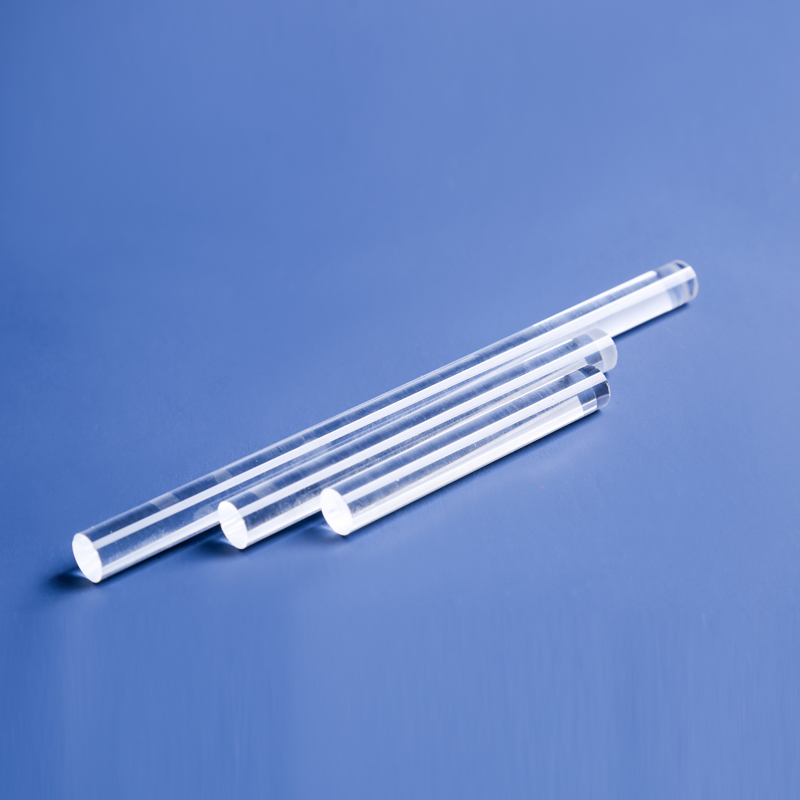
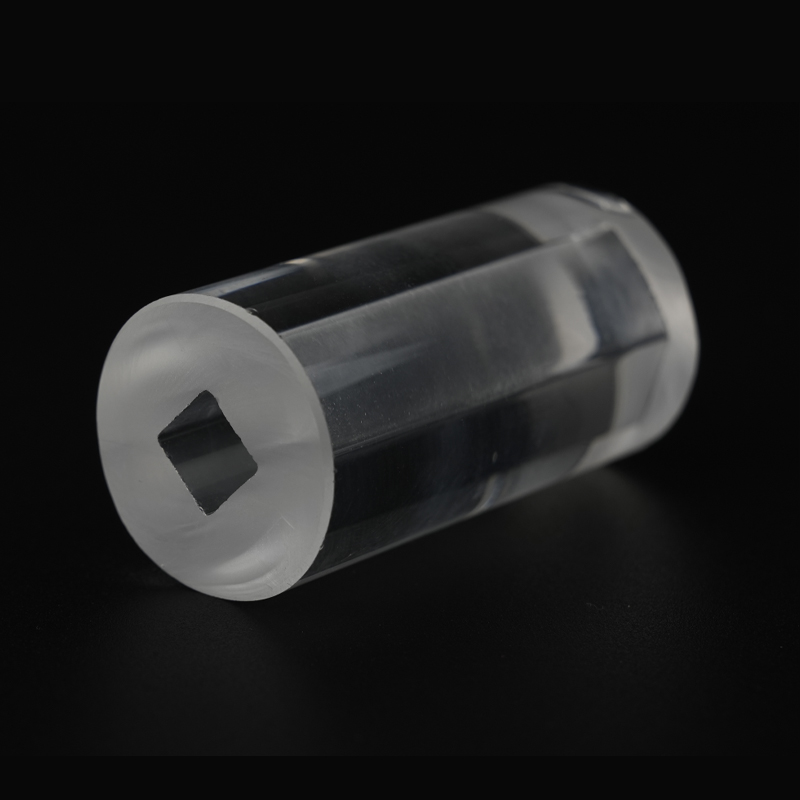
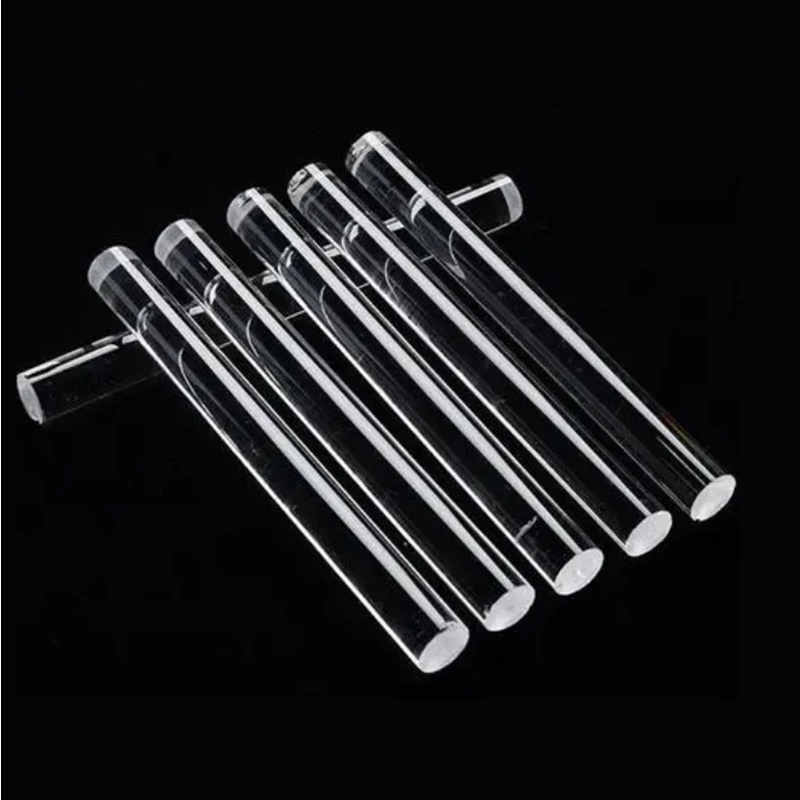
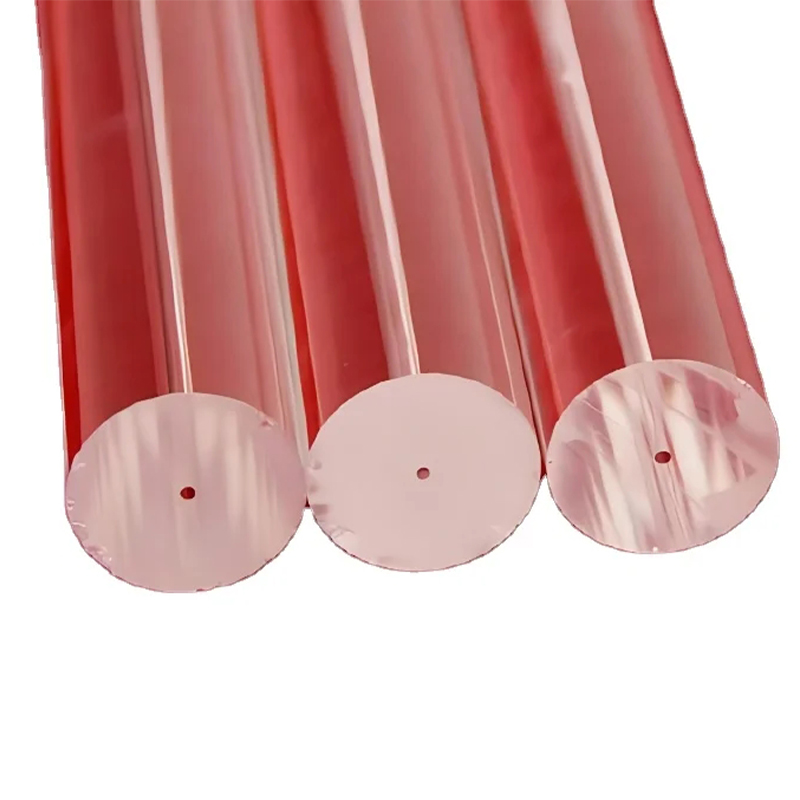
Quartz glass rods are preferred in high-purity environments because they combine extreme chemical inertness, ultralow particle generation, negligible metal ion leaching, and excellent thermal stability. In semiconductor fabs, pharmaceutical manufacturing, and analytical laboratories, any material that contacts process media must avoid introducing contaminants. Quartz glass rods release less than 0.01 ng/cm² of extractable metals (Na, Al, Fe, K) when exposed to aggressive chemicals. Their amorphous fused silica structure contains no grain boundaries, eliminating particle shedding. Additionally, quartz glass rod high temperature resistance (continuous use to 1100°C) allows steam sterilization and aggressive cleaning cycles without degradation. This article details the specific properties that make quartz glass rods the gold standard for ultra-clean applications.
Chemical Inertness: Resistance to Acids and Process Gases
One of the defining quartz glass rod properties is its outstanding resistance to almost all chemicals except hydrofluoric acid and hot concentrated phosphoric acid. In high-purity environments such as wet etching stations, quartz glass rods serve as stirrers, level sensors, and structural supports without corroding or releasing ionic contaminants. Comparative tests show that after 24 hours in boiling 10% HCl, quartz glass rods exhibit weight loss below 0.0005 mg/cm², whereas standard borosilicate glass loses up to 0.15 mg/cm². Below table illustrates leachable metal concentrations from quartz glass rods vs alternative materials in deionized water at 85°C for 72 hours:
| Material | Na⁺ (ppm) | Al³⁺ (ppm) | Fe²⁺/³⁺ (ppm) | K⁺ (ppm) |
|---|---|---|---|---|
| Quartz Glass Rod | <0.01 | <0.01 | <0.005 | <0.01 |
| Standard Borosilicate Glass | 0.28 | 0.12 | 0.09 | 0.18 |
| Stainless Steel (316L) | 0.05 | 0.02 | 0.35 | 0.04 |
This exceptional purity makes Quartz Glass Rod the default choice for ultrapure water (UPW) systems, where even part-per-billion metal contamination can ruin semiconductor yields.
Low Particle Generation & Non-Porous Surface
Unlike ceramic or metallic components, quartz glass rods are fully amorphous with zero porosity and no crystalline grain boundaries. This eliminates sites for particle detachment or accumulation. In cleanroom environments, dynamic particle testing (ISO 14644-1) shows that quartz glass rods under mechanical agitation produce fewer than 10 particles ≥0.1µm per square centimeter – an order of magnitude lower than common engineering plastics. The surface can be polished to Ra ≤ 0.2µm, further reducing friction-induced debris. For applications like wafer handling or chemical delivery probes, this property directly translates to higher product yields.
Quartz Glass Rod
PTFE (Teflon)
PEEK Plastic
Anodized Aluminum
The above bar chart quantifies particle generation (≥0.1µm) per cm² after standardized abrasion testing. Quartz glass rods show the lowest values, confirming their suitability for ISO Class 3 cleanrooms and below.
Thermal Stability & Resistance to Thermal Shock
High-purity environments often require repeated sterilization cycles (autoclaving at 121°C to 180°C) or exposure to rapid temperature changes. Quartz glass rod high temperature performance is outstanding: coefficient of thermal expansion (CTE) is only 0.55 × 10⁻⁶ /K. This allows quartz glass rods to be heated to 1000°C and plunged into cold water without cracking. For comparison, standard glass would shatter under such thermal shock. Additionally, quartz rods do not outgas under vacuum or high temperature – volatile organic compound (VOC) emission is below 0.001% by weight when heated to 500°C, making them safe for critical vacuum chambers and epitaxial reactors.
In pharmaceutical manufacturing, quartz glass rods are used in sterile filling lines because they withstand repeated steam-in-place (SIP) cycles at 130°C with no measurable change in surface roughness or purity after 500 cycles.
Quartz Glass Rod vs Quartz Rod: Clarifying the Distinction for High-Purity Use
When sourcing components, engineers often encounter the term quartz glass rod vs quartz rod. In high-purity contexts, quartz glass rod refers specifically to amorphous fused silica – isotropic, transparent, and free from crystalline defects. Some suppliers label natural quartz bars as "quartz rod," but those are often single-crystal or polycrystalline materials that may contain inclusions and impurities (Al, Fe) at levels above 100 ppm. For ultra-clean processes, always specify synthetic quartz glass rod with total impurity content below 15 ppm. The table below clarifies the differences between Quartz Glass Rod (amorphous) and Quartz Crystal Rods (piezoelectric):
| Property | Quartz Glass Rod (Amorphous) | Quartz Crystal Rod (Single Crystal) |
|---|---|---|
| Typical purity (total metals) | <15 ppm (synthetic grade) | 50-200 ppm (natural quartz) |
| Surface particle shedding | Extremely low (amorphous) | Higher due to crystalline domains |
| Transparency | High (UV to IR) | Translucent / opaque |
| Hydrofluoric acid resistance | Same (both attacked) | Same |
| Best use case | Clean process components, windows | Frequency control (not for high-purity) |
Therefore, for high-purity environments, Quartz Glass Rod (amorphous, fused silica) is mandatory; Quartz Crystal Rods are unsuitable due to higher impurity levels and potential particle release.
Practical Applications & Contamination Control Data
Real-world data confirms the benefits of quartz glass rods in contamination-sensitive industries. In a major semiconductor fab, replacing stainless steel wafer handling rods with quartz glass rods reduced defect density from 0.15 to 0.02 defects/cm² – a 87% improvement. Similarly, in pharmaceutical bioprocessing, quartz glass rods used as mixing shafts showed no detectable endotoxin or metal leaching after 12 months of continuous operation. Key applications include:
- Semiconductor wet benches: Quartz glass rods act as chemical agitation bars and wafer positioners.
- Analytical instrumentation: UV-Vis spectrophotometer cell holders and flow cells require quartz glass rods for optical purity.
- High-temperature furnace viewports: Quartz rods transmit IR for temperature monitoring without contaminating the process chamber.
- Ultrapure water (UPW) systems: Level sensors and conductivity probe guards made from quartz glass rods.
These examples demonstrate that the combination of quartz glass rod properties – chemical resistance, low particle generation, thermal stability – directly translates to measurable quality improvements.
Frequently Asked Questions (FAQ)
Q1: Why can't I use standard glass rods in high-purity environments?
Standard glass (borosilicate or soda-lime) contains alkali metal oxides (sodium, potassium) that leach into solutions, especially at elevated temperatures. Quartz glass rods have less than 0.01 ppm extractable sodium, while borosilicate releases 0.2-0.5 ppm, which can ruin semiconductor or pharmaceutical processes.
Q2: Does quartz glass rod high temperature capability affect its purity?
No. Quartz glass rods maintain their purity even at 1100°C because they are essentially pure SiO₂. No organic binders or additives are used. However, avoid contact with carbon or metals at high temperatures to prevent diffusion.
Q3: How do I clean quartz glass rods for ultra-clean applications?
Standard cleaning uses a mixture of HNO₃ (10%) + HF (0.5%) for 15 minutes, followed by multiple rinses with deionized water. For critical processes, final rinse with UPW and drying in a Class 10 cleanroom oven at 120°C is recommended.
Q4: Are quartz glass rods suitable for ultrapure water (UPW) systems?
Absolutely. Quartz glass rods are inert and release negligible silica or metal ions into UPW (resistivity >18.2 MΩ·cm). They are widely used as conductivity cell supports and dip tubes in water polishing loops.
Q5: What is the difference between fused quartz and synthetic quartz glass rods for purity?
Fused quartz rods are made from natural quartz crystals and have total impurities 30-80 ppm. Synthetic quartz glass rods (made from SiCl₄) achieve below 5 ppm total impurities, making them the ultimate choice for the most demanding semiconductor and biomedical applications.
About the Manufacturer – Yancheng Mingyang Quartz Products Co., Ltd.
Yancheng Mingyang Quartz Products Co., Ltd. is a company specializing in the production of quartz and special glass products. Yancheng Mingyang Quartz Products Co., Ltd. is the production plant of Jinzhou Mingde Quartz Glass Co., Ltd. in Jiangsu. Since its establishment, the company has developed rapidly, introduced advanced technology and production equipment at home and abroad, and continuously improved and improved product quality. Relying on its own advantages, we have developed a variety of products suitable for the market and meet the needs of different customers, and solved many urgent production problems for our customers.
The company's products include quartz glass tubes, double-hole quartz glass tubes, quartz glass rods, quartz sheets, sapphire windows, calcium fluoride glass windows, infrared ultraviolet coatings, high-pressure resistant aluminosilicate glass window panels, quartz glass instruments, high borosilicate glass instruments, quartz crucibles, quartz gold-plated tubes, quartz heaters, quartz infrared heating tubes, far-infrared directional radiation heaters, ultraviolet germicidal lamps and other special types of quartz glass products.
Featured Products
Copyright © Yancheng Mingyang Quartz Products Co., Ltd. All Rights Reserved.
Wholesale Quartz Products Manufacturer Quartz Glass Factory