

 +86-0515-86223369
  0
0 en
en English
 日本語
日本語 Español


If you need any help, please feel free to contact us
 Products & Solutions
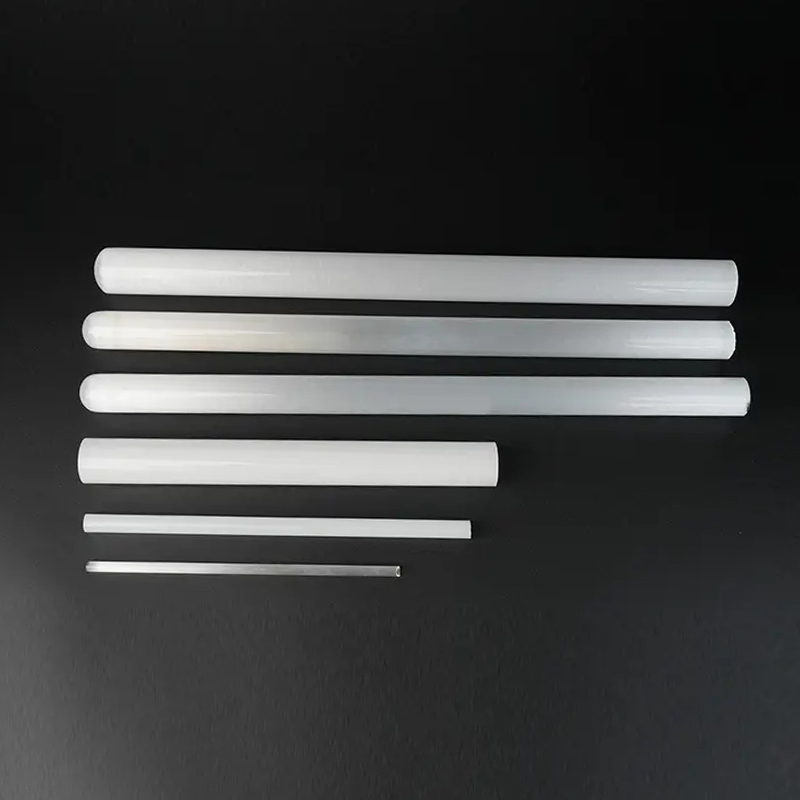
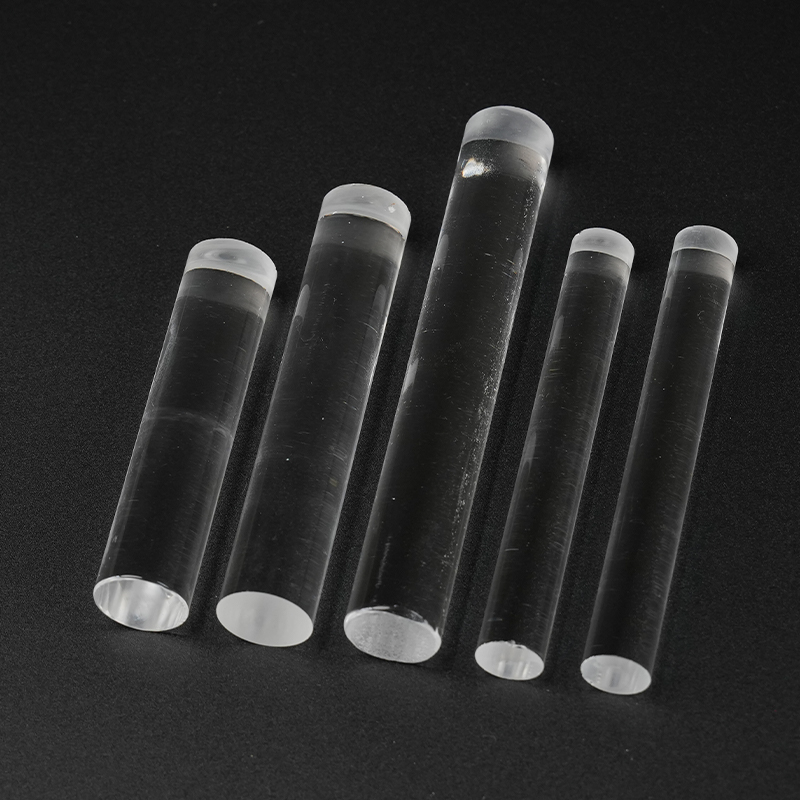
What are the key properties of quartz glass rods?
Content
- 1 Direct Answer: Quartz Glass Rods Deliver Superior Thermal, Optical & Chemical Properties
- 2 Thermal Properties: Quartz Glass Rod High Temperature Performance
- 3 Optical Transmission & Purity: Enabling UV to IR Applications
- 4 Quartz Glass Rod vs Quartz Rod: Clarifying the Terminology
- 5 Chemical Resistance & Electrical Insulation: Practical Advantages
- 6 Mechanical Properties & Fabrication Flexibility
- 7 Frequently Asked Questions (FAQ)
- 8 About the Manufacturer – Yancheng Mingyang Quartz Products Co., Ltd.
Direct Answer: Quartz Glass Rods Deliver Superior Thermal, Optical & Chemical Properties
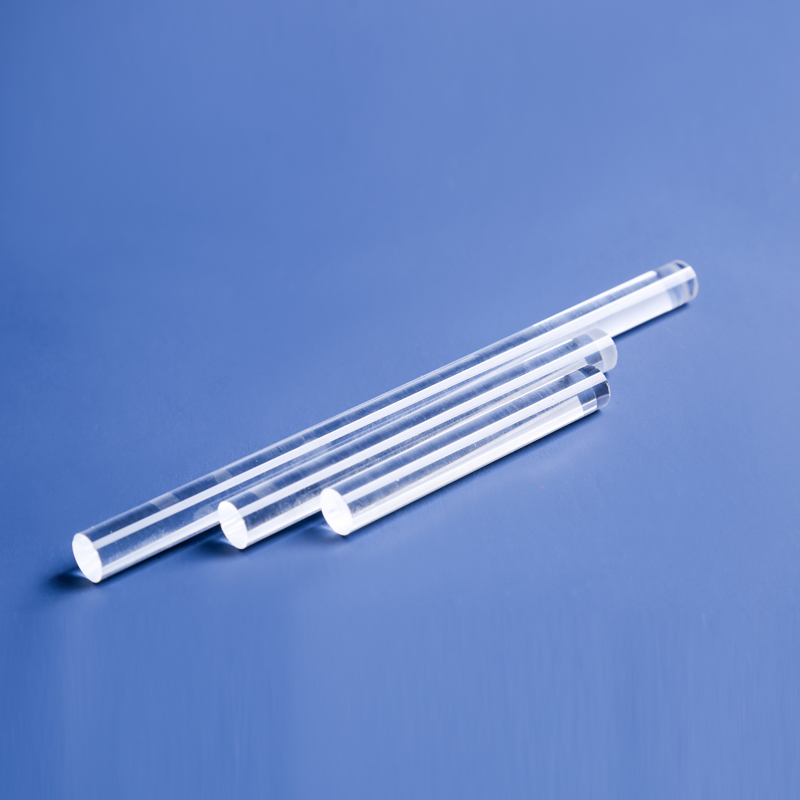
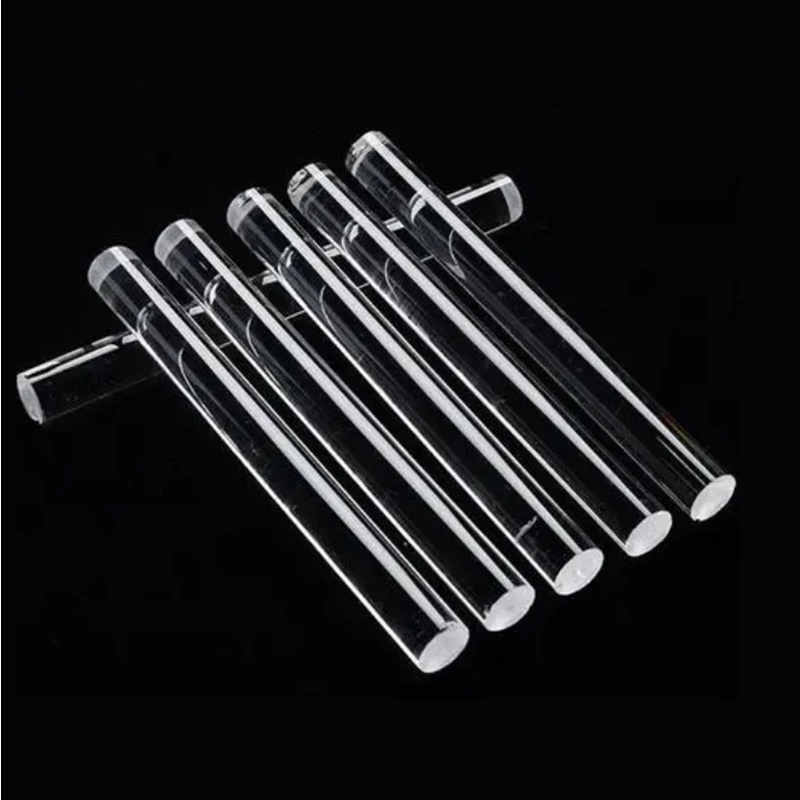
Quartz glass rods are defined by four key properties: exceptional thermal resistance (softening point ~1680°C), high ultraviolet-to-infrared transmittance (over 90% from 200nm to 2500nm), extremely low coefficient of thermal expansion (CTE ~0.55×10⁻⁶/K), and excellent chemical inertness. These characteristics make them indispensable for semiconductor processing, laboratory instrumentation, fiber optic manufacturing, and high-temperature sight glasses. This article quantifies each property, clarifies the difference between quartz glass rod vs quartz rod (crystalline vs amorphous), and provides practical selection guidance based on quartz glass rod high temperature limits and optical performance.
Thermal Properties: Quartz Glass Rod High Temperature Performance
The most valued industrial attribute is quartz glass rod high temperature resistance. Unlike ordinary glass, fused quartz rods withstand continuous operation at 1100°C and short-term exposure up to 1300°C without deformation. The softening point reaches 1680°C, while the annealing point is approximately 1210°C. Below bar chart compares the maximum service temperature of quartz glass rods against other common transparent materials:
Quartz Glass Rod
Borosilicate Glass
Soda-Lime Glass
Aluminosilicate Glass
Furthermore, the coefficient of thermal expansion (CTE) is remarkably low at 0.55 × 10⁻⁶ /K (20°C–320°C). This means a quartz glass rod heated from room temperature to 1000°C expands only 0.054% – a key reason why quartz rods resist thermal shock and can be plunged into water from red heat without cracking.
Optical Transmission & Purity: Enabling UV to IR Applications
Quartz glass rod properties include outstanding optical performance across a broad spectrum. High-purity fused quartz rods achieve >90% transmittance from 200nm (deep UV) to 2500nm (near infrared). For synthetic quartz glass, UV transmission at 185nm can exceed 85%. This is critical for UV curing systems, spectroscopy cells, and laser delivery rods. The table below summarizes typical optical transmission values for different quartz glass grades:
| Wavelength Range | Commercial Fused Quartz | Synthetic High-Purity Quartz |
|---|---|---|
| 185-210 nm (Deep UV) | 70-75% | 85-88% |
| 220-400 nm (UV) | 88-92% | 90-93% |
| 400-1100 nm (Visible to NIR) | 91-93% | 92-94% |
| 2.7-3.5 µm (Mid-IR) | ~85% | ~86% |
Hydroxyl (OH) content significantly affects IR absorption. Low-OH quartz glass rods (<10 ppm OH) maintain high transmittance at 2.7µm, ideal for infrared heater applications. Standard quartz rods contain <150 ppm OH, suitable for most visible/UV tasks.
Quartz Glass Rod vs Quartz Rod: Clarifying the Terminology
Engineers often search for quartz glass rod vs quartz rod, but in industry these terms are frequently used interchangeably. However, a technical distinction exists: quartz glass rod refers to amorphous (non-crystalline) fused silica – isotropic, transparent, and ideal for optical/thermal uses. Quartz rod sometimes refers to single-crystal quartz (piezoelectric) or even natural quartz bars. For clarity, the comparison table below outlines the differences between Quartz Crystal Rods and Quartz Glass Rod:
| Property | Quartz Glass Rod (Amorphous) | Quartz Crystal Rod (Single-Crystal) |
|---|---|---|
| Structure | Non-crystalline / fused silica | Trigonal crystalline (α-quartz) |
| Transparency | High (UV to IR) | Translucent to opaque (usually milky) |
| Piezoelectric effect | No | Yes – used for frequency control |
| Max continuous temp | 1100°C (softens at 1680°C) | ~350°C (phase change at 573°C) |
| Typical applications | Sight glasses, UV lamp housings, labware | Crystal oscillators, sensors, filters |
Thus, when you require Quartz Glass Rod, specify amorphous fused silica for thermal and optical roles. If frequency control is needed, choose Quartz Crystal Rods. Both are essential but non-interchangeable.
Chemical Resistance & Electrical Insulation: Practical Advantages
Beyond thermal and optical properties, quartz glass rods exhibit exceptional chemical durability. They are inert to most acids (except HF and hot phosphoric acid) and alkalis at moderate temperatures. This makes them ideal for semiconductor wet benches, chemical reaction vessels, and ultra-pure water systems. Additionally, the volume resistivity of quartz glass at 350°C is >10¹⁰ Ω·cm, and the dielectric strength reaches 20-40 kV/mm. These quartz glass rod properties support high-voltage insulators and corona-resistant components. Typical industrial benefits include:
- Zero moisture absorption (hydrophobic surface) ensuring stable electrical performance.
- Resistance to thermal decomposition – no outgassing under vacuum up to 1000°C.
- Compatible with aggressive halogen gases (chlorine, fluorine) at elevated temperatures.
For instance, in epitaxial reactor viewports, quartz glass rods function as both optical windows and process gas barriers for over 10,000 operating hours without surface degradation.
Mechanical Properties & Fabrication Flexibility
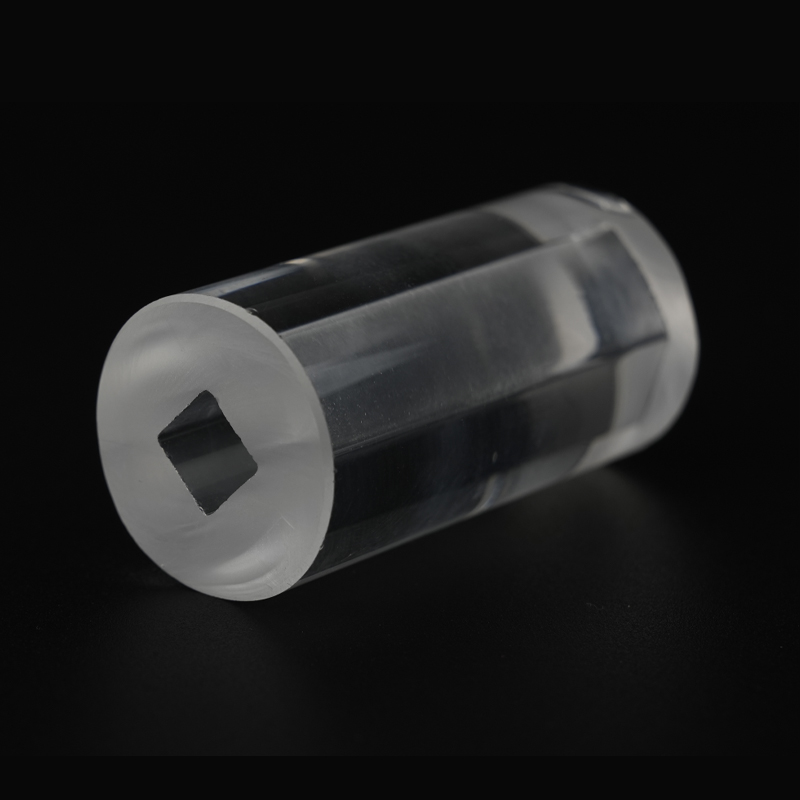
While quartz glass is brittle, its mechanical strength is respectable. The flexural strength of fused quartz rods is approximately 67 MPa (9,700 psi), and compressive strength reaches 1100 MPa (160,000 psi). Hardness on Mohs scale is 5.5–6.5, similar to ordinary glass but with superior thermal endurance. More importantly, quartz glass rods can be precision fabricated: drilling, grinding, polishing, and flame-working are standard processes. Typical diameter tolerances achieve ±0.05mm for precision rods, and surface finishes down to 0.5µm Ra are possible for optical-grade ends.
Industries utilize these rods as fiber optic preforms, semiconductor wafer carriers, and high-temperature thermowell protectors. The combination of shape retention at high temperature and low thermal expansion ensures dimensional stability in precision alignment systems.
Frequently Asked Questions (FAQ)
Q1: What is the maximum continuous working temperature for a quartz glass rod?
Quartz glass rods can operate continuously at 1100°C and intermittently up to 1300°C. The softening point is 1680°C, but prolonged use above 1200°C may cause devitrification over time.
Q2: How does a quartz glass rod differ from a regular glass rod?
Quartz glass rods have a CTE 30 times lower than soda-lime glass, withstand 1100°C vs 300°C, and transmit UV light (below 300nm) where ordinary glass is opaque. They are also far more chemically resistant.
Q3: Is a quartz glass rod the same as a quartz crystal rod?
No. Quartz glass rod is amorphous fused silica (thermal/optical uses). Quartz crystal rod is single-crystal α-quartz (piezoelectric – used for oscillators and sensors). They serve completely different functions.
Q4: Can quartz glass rods be used for ultraviolet (UV) sterilization systems?
Yes. High-purity quartz glass rods offer >85% transmission at 254nm, making them excellent for UV-C germicidal lamp housings, light guides, and immersion probes in water treatment.
Q5: Are quartz glass rods resistant to thermal shock?
Absolutely. Due to the extremely low expansion coefficient, quartz glass rods can be heated to 1000°C and plunged into room-temperature water without cracking. This property is unique among glass-type materials.
About the Manufacturer – Yancheng Mingyang Quartz Products Co., Ltd.
Yancheng Mingyang Quartz Products Co., Ltd. is a company specializing in the production of quartz and special glass products. Yancheng Mingyang Quartz Products Co., Ltd. is the production plant of Jinzhou Mingde Quartz Glass Co., Ltd. in Jiangsu. Since its establishment, the company has developed rapidly, introduced advanced technology and production equipment at home and abroad, and continuously improved and improved product quality. Relying on its own advantages, we have developed a variety of products suitable for the market and meet the needs of different customers, and solved many urgent production problems for our customers.
The company's products include quartz glass tubes, double-hole quartz glass tubes, quartz glass rods, quartz sheets, sapphire windows, calcium fluoride glass windows, infrared ultraviolet coatings, high-pressure resistant aluminosilicate glass window panels, quartz glass instruments, high borosilicate glass instruments, quartz crucibles, quartz gold-plated tubes, quartz heaters, quartz infrared heating tubes, far-infrared directional radiation heaters, ultraviolet germicidal lamps and other special types of quartz glass products.
Featured Products
Copyright © Yancheng Mingyang Quartz Products Co., Ltd. All Rights Reserved.
Wholesale Quartz Products Manufacturer Quartz Glass Factory