

 +86-0515-86223369
  0
0 en
en English
 日本語
日本語 Español






If you need any help, please feel free to contact us
 Products & Solutions
How do quartz tube heaters work?
Content
- 1 How Do Quartz Tube Heaters Work
- 2 Core Components of a Quartz Infrared Heater
- 3 Infrared Wavelength Output and Energy Transfer
- 4 Comparing Quartz Heater Types Across Practical Attributes
- 5 Inside a Quartz Tube Heater: Layered Construction
- 6 Common Applications for Quartz Infrared Heating Tubes
- 7 Other Quartz and Special Glass Products Worth Knowing
- 8 About Yancheng Mingyang Quartz Products Co., Ltd.
- 9 Frequently Asked Questions
How Do Quartz Tube Heaters Work
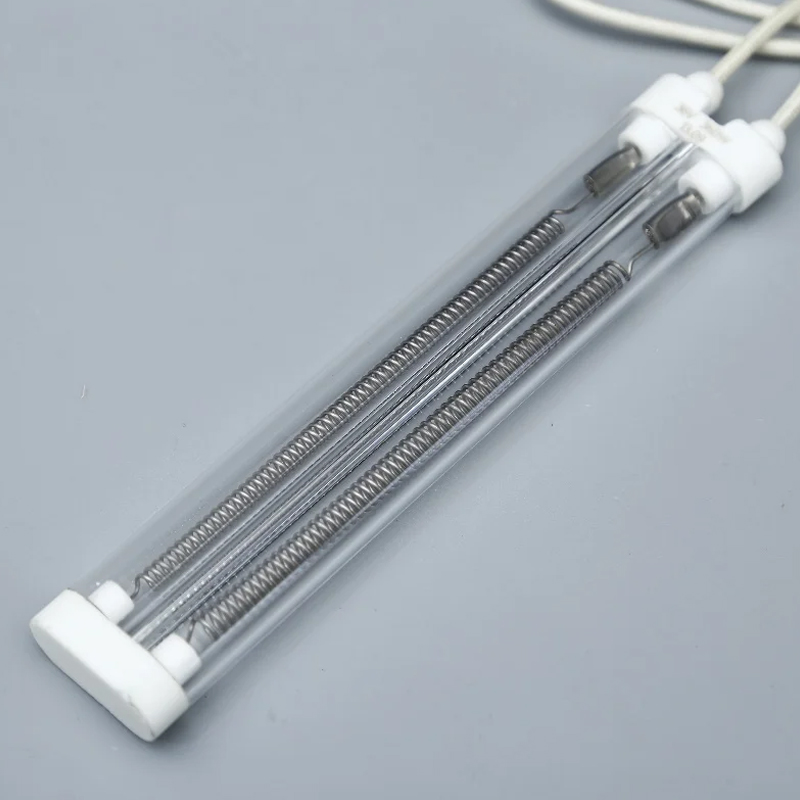
A quartz tube heater works by passing electrical current through a resistive heating element, typically a coiled wire or carbon fiber filament, that is sealed inside a quartz glass tube. The quartz heating tube reaches a high temperature and radiates infrared energy outward, transferring heat directly to nearby objects and people rather than primarily warming the surrounding air, which is the same basic radiant heating principle described in general infrared heating references such as the U.S. Department of Energy overview of radiant heating technology.
Because quartz glass has a very high softening point and strong resistance to thermal shock, it can safely contain the heating element at elevated temperatures while remaining transparent enough to allow infrared radiation to pass through efficiently. This combination of containment and radiant transmission is the core reason quartz tube and infrared tube designs are widely used in both industrial heating tube applications and consumer infrared heaters.
Core Components of a Quartz Infrared Heater
The Heating Element Inside the Tube
Inside a typical heater tube, the resistive element is either a metal alloy coil or a carbon fiber strand, with carbon fiber quartz heater designs generally reaching operating temperature faster due to lower thermal mass. A quartz carbon fiber infrared heating tube is often selected when quick response heating is needed, since the element can reach radiant output within a few seconds of being powered.
The Role of the Quartz Glass Envelope
The quartz glass tube surrounding the element serves two purposes, protecting the heating filament from oxidation and physical damage while also allowing far infrared and near infrared wavelengths to pass through with minimal absorption. High purity quartz glass tube material is preferred for this application because lower purity glass can absorb more of the radiant energy rather than transmitting it outward.
This horizontal bar chart compares the relative heat up speed of common heating element types used inside a quartz tube heater, presented with a dimensional shaded effect for visual clarity. Ceramic elements generally heat up the slowest because the material itself has a higher thermal mass and takes longer to reach a stable radiant temperature after being switched on. Metal coil elements sealed inside a standard quartz heating tube offer a moderate response time, balancing durability with reasonably quick warm up for general industrial heating tube use. Halogen quartz designs respond faster still, since halogen filaments are engineered specifically for rapid incandescent style heating combined with quartz containment. Carbon fiber quartz heater elements sit at the fastest end of this comparison because the thin carbon fiber strand has very low thermal mass and can begin radiating noticeable heat within seconds of activation. This relative comparison helps explain why a quartz carbon fiber infrared heating tube is frequently chosen for applications where rapid on demand heating response is a priority over continuous steady state operation.
Infrared Wavelength Output and Energy Transfer
Far infrared quartz tube heater designs and standard infrared tube heaters differ mainly in the dominant wavelength band they emit, which affects how deeply and how quickly the radiant heat is felt. Near infrared sources, often associated with shorter wave quartz elements, transfer energy quickly and are commonly used in industrial drying and curing processes, while far infrared directional radiation heaters are more associated with gentle, even warming over a broader area.
This line chart illustrates a general pattern describing how surface temperature near a quartz infrared heater tends to rise quickly in the first moments of operation before gradually leveling off as the system approaches a stable output level. In the earliest seconds shown on the left of the chart, the heating tube element is still climbing toward its rated operating temperature, so the rate of radiant heat felt nearby increases sharply. Between the thirty and sixty second marks, the curve continues rising but at a slower rate as the quartz envelope and element approach thermal equilibrium with their surroundings. Past the two minute mark, the curve begins to flatten, reflecting a more steady and predictable radiant output that is characteristic of infrared heating tube systems once they reach a stable working temperature. This general response pattern is consistent with documented behavior for quartz and halogen infrared elements described in industrial heating engineering references, and it helps explain why quartz tube heaters are often praised for combining a fast initial response with stable longer term output. Understanding this curve is useful for anyone evaluating an electric heating tube replacement, since matching expected warm up time to the intended application can prevent mismatched performance expectations.
Comparing Quartz Heater Types Across Practical Attributes
Selecting the right quartz heater for a project often comes down to balancing several practical factors at once, including response speed, durability, and how directional the heat output needs to be.
This radar chart compares carbon fiber quartz heater elements, shown as the larger dark blue outline, against metal coil quartz heater elements, shown as the smaller grey outline, across five attributes relevant to selecting a heating tube for a given application. Carbon fiber elements generally score higher on response speed and compact size because the thin filament structure heats quickly and fits into slimmer tube designs commonly used in halogen heater and far infrared heater products. Metal coil elements tend to score somewhat higher on even heat spread and durability under continuous heavy duty cycling, which is part of why they remain common in industrial heating tube settings that run for extended periods. Energy efficiency is relatively close between the two types in most general comparisons, since both rely on resistive heating contained within a quartz envelope that minimizes wasted radiant loss. Neither type is universally superior, and the better choice depends on whether an application values rapid heat response, as with many infrared quartz heater installations, or sustained even output over long operating cycles. This kind of comparison is useful background for anyone researching a quartz heating tube wholesale order or evaluating an industrial heating tube supplier for a specific manufacturing process.
Inside a Quartz Tube Heater: Layered Construction
Understanding the internal layout of a quartz infrared heating tube helps explain why material purity and sealing precision matter so much to performance and service life. The isometric diagram below outlines a simplified cross section of a typical sealed quartz heating tube.
This isometric style diagram illustrates a simplified layered structure typical of a sealed quartz heating tube used in halogen heater and infrared tube heater products, beginning with the high purity quartz envelope at the outer layer, which transmits radiant energy while protecting the internal components from oxidation and contamination. Inside the envelope, a vacuum or inert gas fill is commonly used to prevent the heating filament from degrading at high operating temperatures, extending the working life of the tube. The resistive heating filament sits at the core of the assembly, generating heat through electrical resistance and radiating it outward through the surrounding quartz glass. At each end of the tube, a sealed metal end cap secures the electrical connection points and maintains the gas or vacuum seal that protects the internal filament. This layered construction is a key reason why high purity quartz glass tube material and precise sealing technique are emphasized by manufacturers, since any weakness in these layers can shorten tube life or reduce radiant efficiency, which is also why many buyers searching for an electric heating tube replacement look specifically for tubes built with verified high purity quartz material.
Common Applications for Quartz Infrared Heating Tubes
Quartz tube and infrared tube heaters are used across a wide range of industrial and laboratory settings, often selected for their fast response and ability to deliver directional radiant heat without warming the surrounding air as much as convection systems.
| Application | Typical Element | Key Benefit |
|---|---|---|
| Industrial drying lines | Halogen quartz heater | Fast, directional output |
| Laboratory crucible firing | High purity quartz glass tube | Thermal shock resistance |
| Personal infrared heaters | Carbon fiber quartz heater | Quick warm up response |
| Manufacturing curing processes | Far infrared directional heater | Even, broad area coverage |
Other Quartz and Special Glass Products Worth Knowing
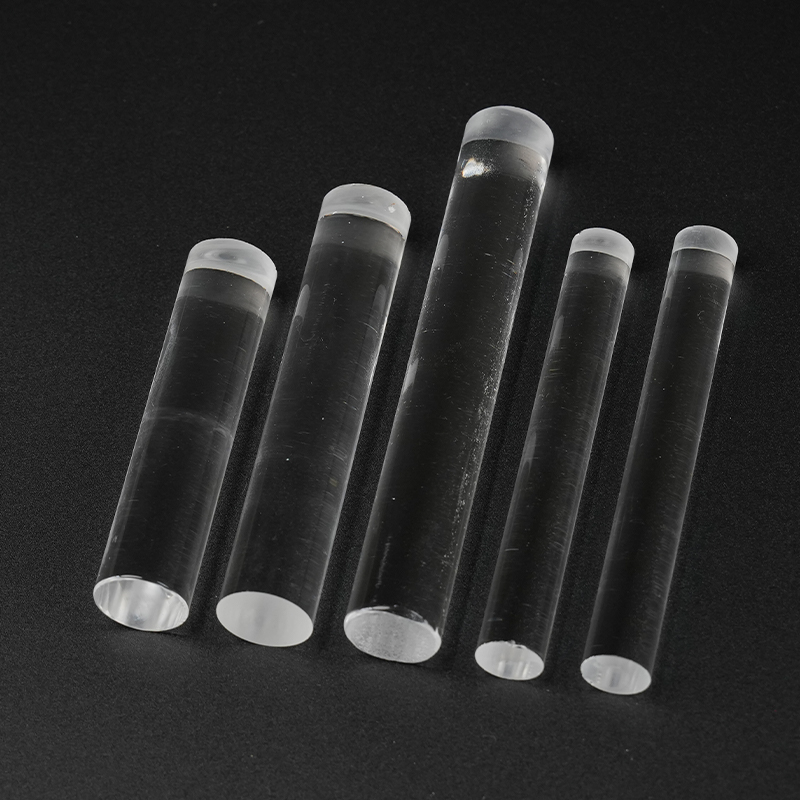
Beyond heating tube products, quartz glass plays a wide role across laboratory and specialty applications. Quartz crucible laboratory items, including opaque fused silica crucible and clear quartz crucible designs, are valued for high temperature stability during sample preparation. Quartz glass rod and quartz crystal rods are used where dimensional precision and optical clarity matter, while quartz glass sheet and quartz glass window products serve applications requiring UV transmission, such as a UV quartz plate or UV round quartz plate with holes used in specialized optical setups.
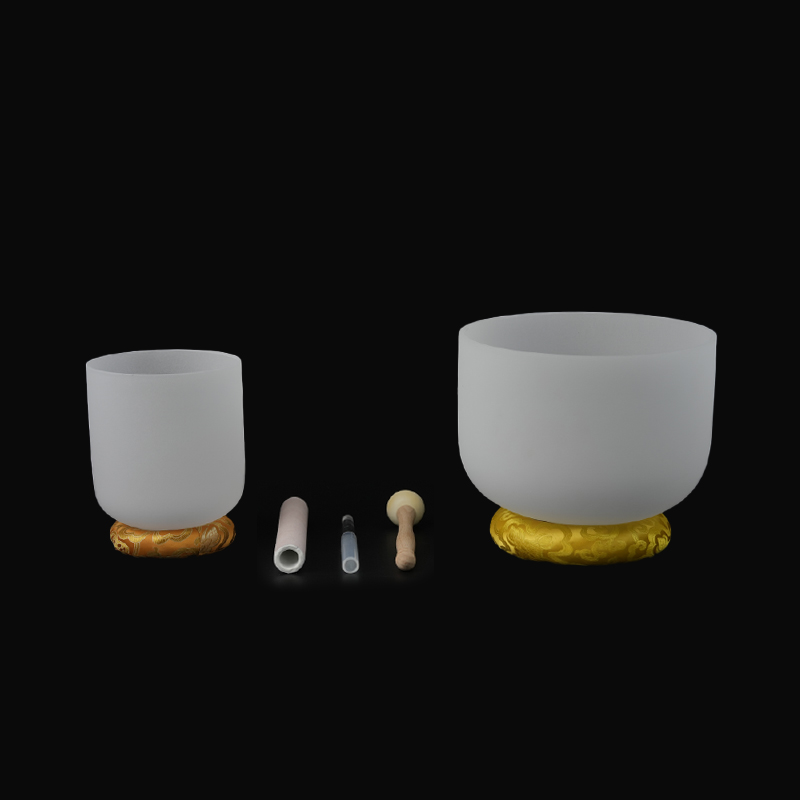
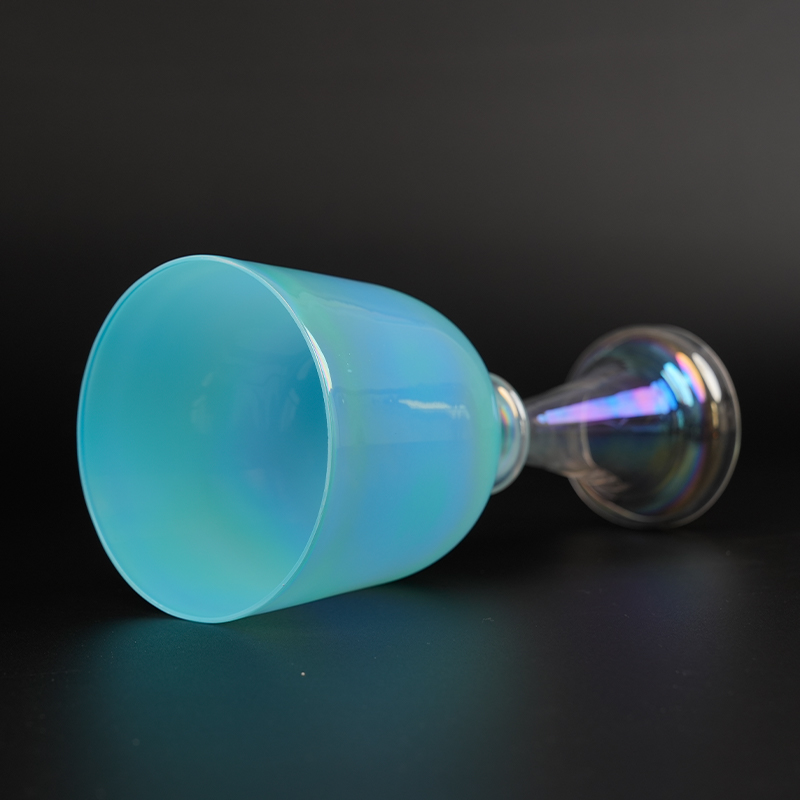
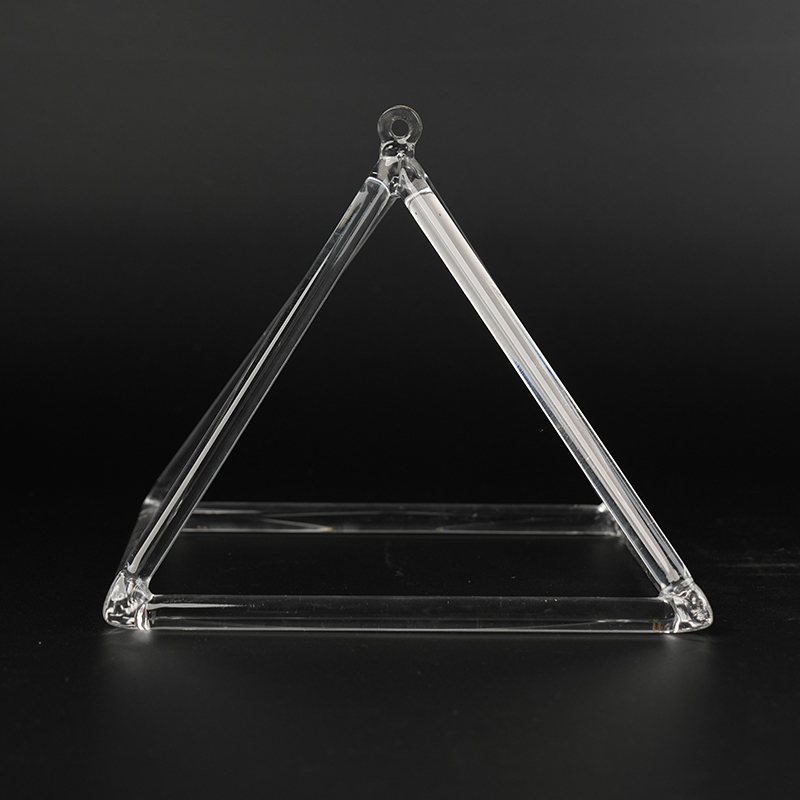
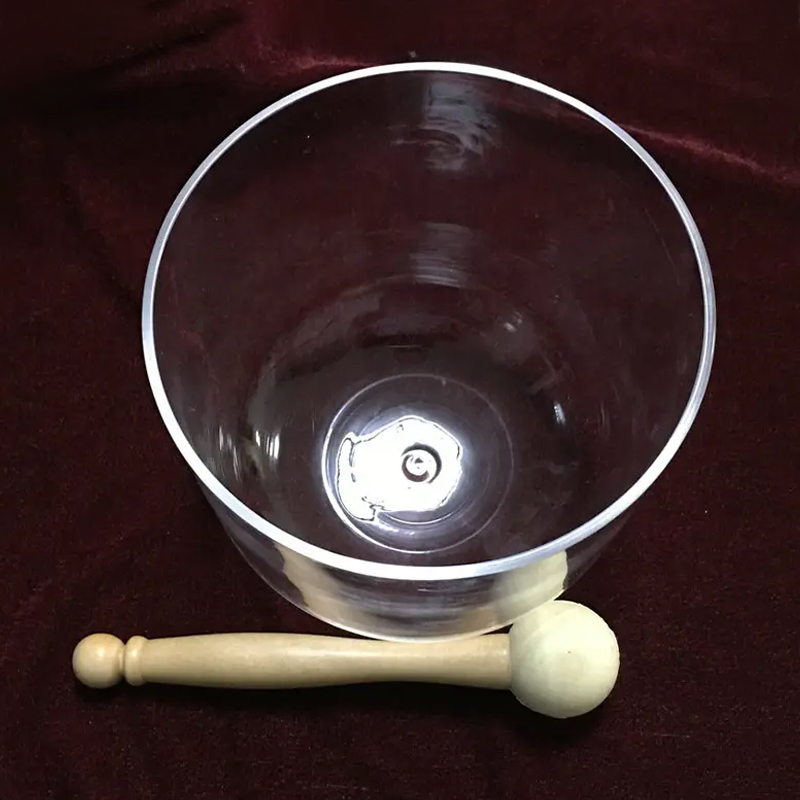
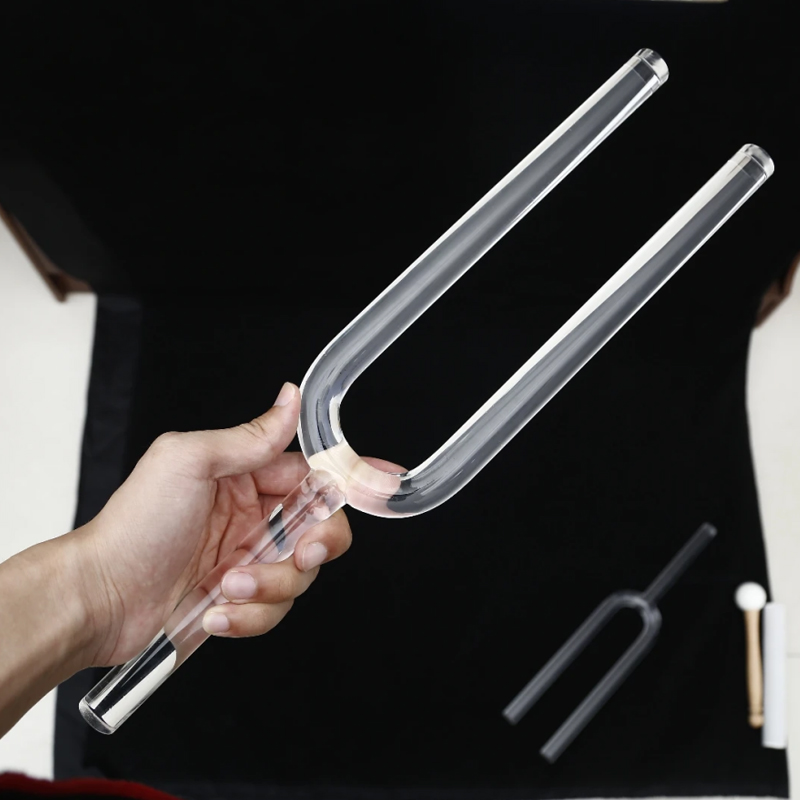
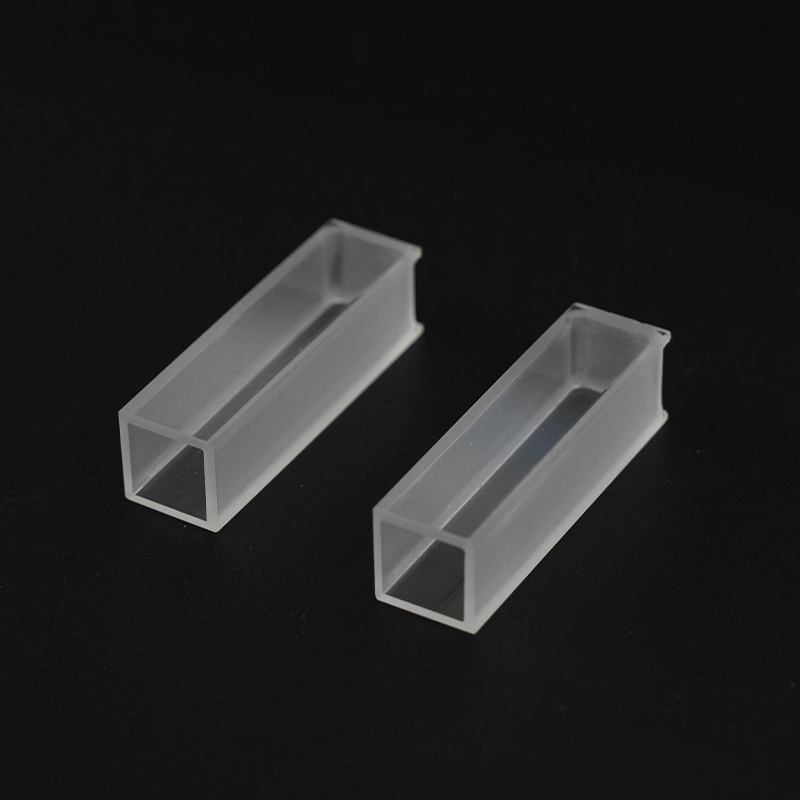
Quartz material is also recognized in sound related applications such as a singing bowl, crystal singing triangle, crystal harp, or crystal singing holy grail, where the resonant properties of fused quartz are valued for sound healing instruments. In laboratory and chemistry settings, related glass items such as a triangular flask, triangular shaped funnel, high borosilicate measuring cup, and UV fused quartz cuvettes including a quartz cuvette rectangular design are commonly used alongside heat resistant glass tube components.
About Yancheng Mingyang Quartz Products Co., Ltd.
Yancheng Mingyang Quartz Products Co., Ltd. specializes in the production of quartz and special glass products and serves as the production plant of Jinzhou Mingde Quartz Glass Co., Ltd. in Jiangsu. Since its establishment, the company has introduced advanced domestic and international technology and production equipment, continuously refining product quality to meet the needs of different customers across industrial and laboratory sectors.
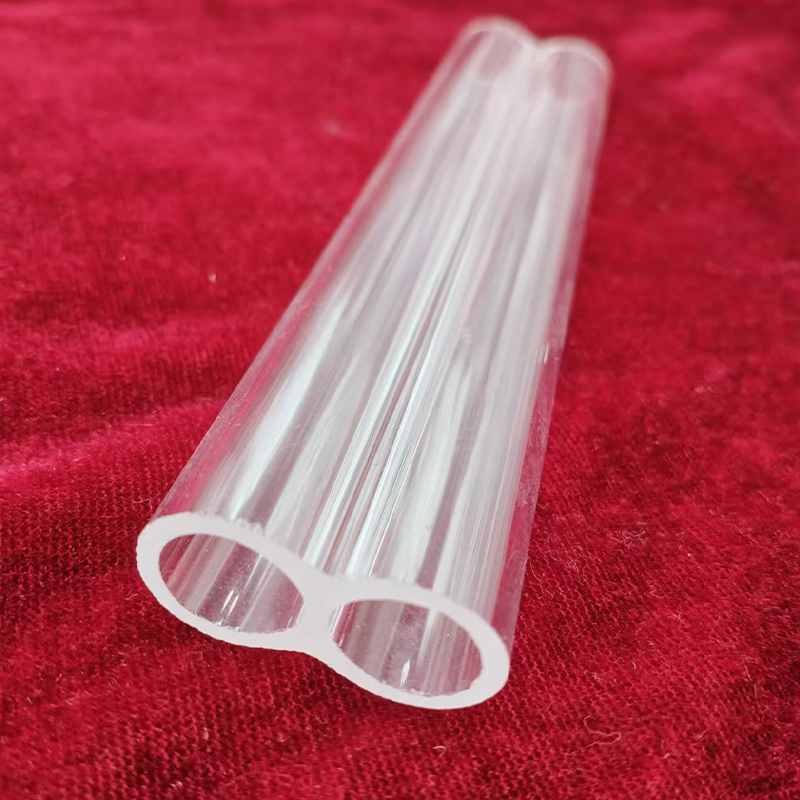
The product range includes quartz glass tubes, double hole quartz glass tubes, quartz glass rods, quartz sheets, sapphire windows, calcium fluoride glass windows, infrared and ultraviolet coatings, high pressure resistant aluminosilicate glass window panels, quartz glass instruments, high borosilicate glass instruments, quartz crucibles, quartz gold plated tubes, quartz heaters, quartz infrared heating tubes, far infrared directional radiation heaters, and ultraviolet germicidal lamps, supporting customers seeking reliable heating element supplier and special optical glass solutions.
Frequently Asked Questions
| Q1: How do quartz tube heaters work? A resistive element sealed inside a quartz glass tube heats up and radiates infrared energy outward, transferring heat directly to nearby surfaces and objects. |
| Q2: What is the difference between a carbon fiber and metal coil quartz heater? Carbon fiber elements generally respond faster due to lower thermal mass, while metal coil elements often provide more even heat spread over longer cycles. |
| Q3: Why is high purity quartz glass used for heating tubes? High purity quartz transmits infrared radiation more efficiently and withstands thermal shock better than lower purity glass. |
| Q4: Can a quartz heating tube be used as an electric heating tube replacement? Yes, quartz heating tubes are commonly used as replacement elements in infrared and radiant heating systems that require a sealed glass envelope design. |
| Q5: Are quartz tube heaters suitable for industrial applications? Yes, industrial heating tube setups frequently use quartz infrared heaters for drying, curing, and other directional radiant heat processes. |
Featured Products
Copyright © Yancheng Mingyang Quartz Products Co., Ltd. All Rights Reserved.
Wholesale Quartz Products Manufacturer Quartz Glass Factory