

 +86-0515-86223369
  0
0 en
en English
 日本語
日本語 Español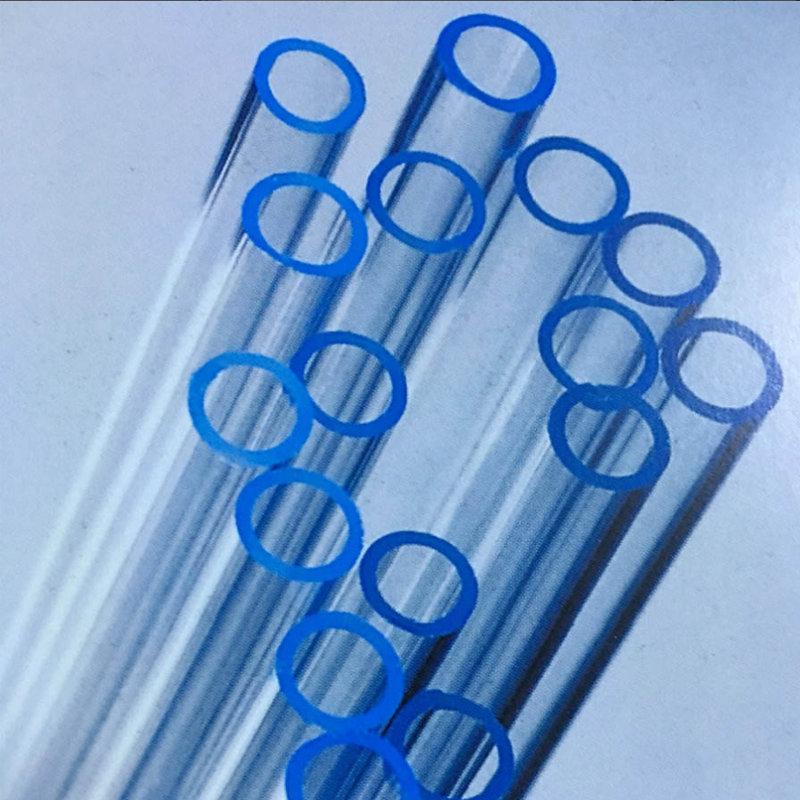


If you need any help, please feel free to contact us
 Products & Solutions
How to Select the Correct Quartz Tube Size for Your Project?
Content
- 1 Quartz Glass Tube Product Range: Six Standard Forms
- 2 Step 1: Define the Thermal and Chemical Environment
- 3 Step 2: Determine Outer Diameter and Bore for Your Application
- 4 Step 3: Calculate Minimum Wall Thickness for Pressure and Vacuum Duty
- 5 Step 4: Select the Correct Quartz Grade for Your Application
- 6 Step 5: Length Tolerance, Dimensional Standards, and Custom Specifications
- 7 Application-Specific Quartz Tube Selection Reference
- 8 Quartz Glass Products Beyond Tubes: Extended Product Range
- 9 About Yancheng Mingyang Quartz Products Co., Ltd.
- 10 Frequently Asked Questions
Selecting the correct quartz glass tube size requires matching four parameters to your application: outer diameter (OD), wall thickness, length, and material grade. Get all four right and your quartz tube furnace, UV lamp, semiconductor diffusion system, or infrared heater will perform reliably at specification. Miss one — particularly wall thickness on a pressurized or vacuum system — and the tube can crack, collapse, or fail thermally. This guide provides a structured selection framework for engineers, procurement managers, and laboratory technicians sourcing fused quartz or fused silica tube products for industrial and scientific applications.
The selection process follows five steps: (1) define the thermal and chemical environment, (2) determine required OD and bore, (3) calculate minimum wall thickness for pressure or vacuum duty, (4) select the correct quartz tubing grade (transparent, low-OH, milky, or colored), and (5) confirm availability and lead time with your quartz glass tubing supplier. Each step is covered in detail below with reference data and worked examples.
Quartz Glass Tube Product Range: Six Standard Forms
The image below shows six representative product forms from Yancheng Mingyang's quartz glass tube range. Each form addresses a distinct application requirement, from standard transparent tubing to complex double-bore and U-tube geometries.
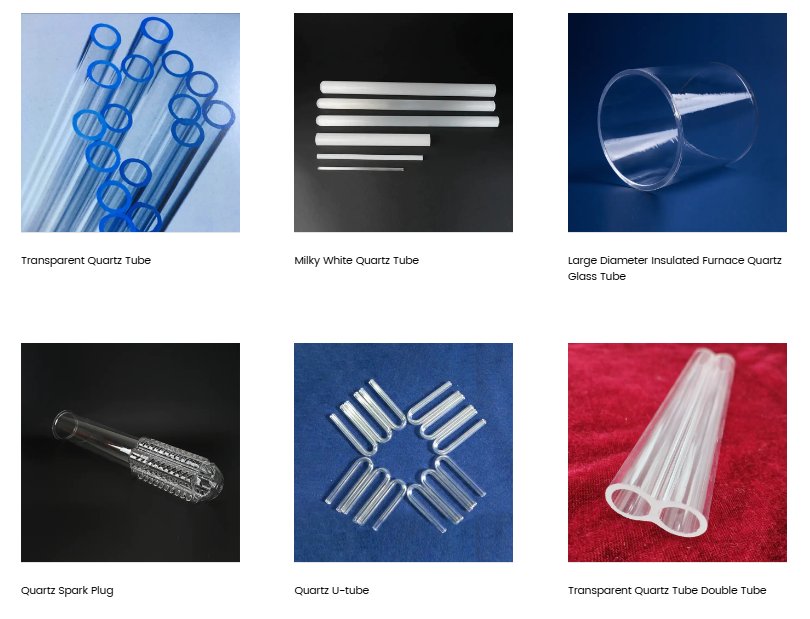
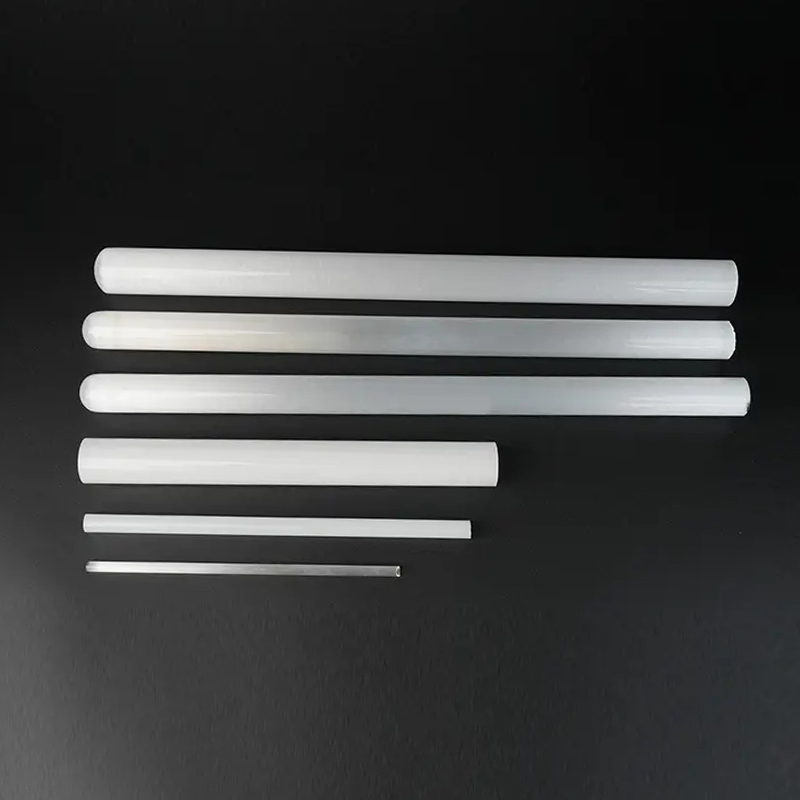
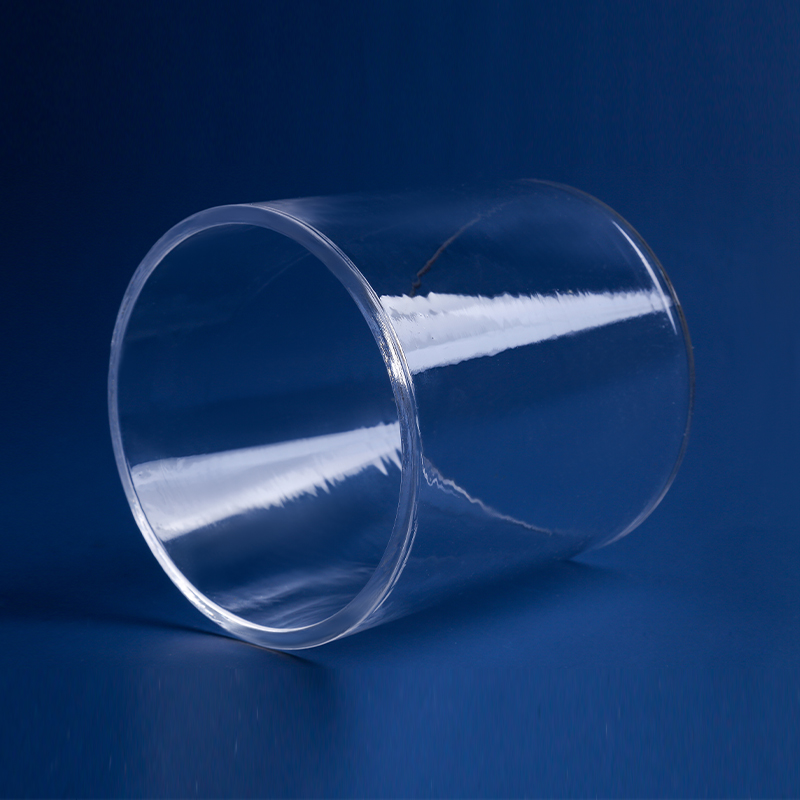
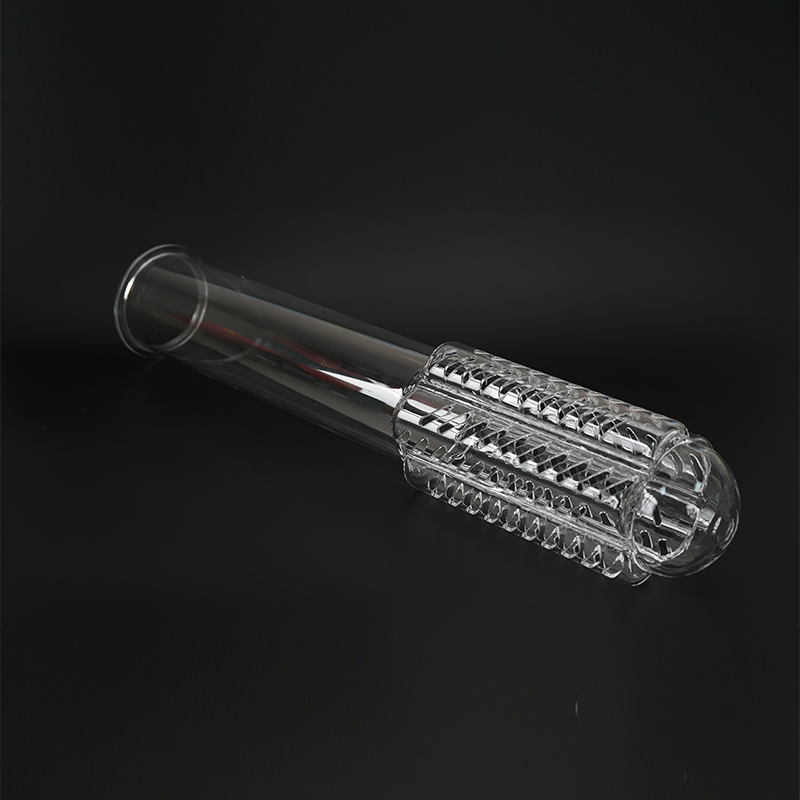
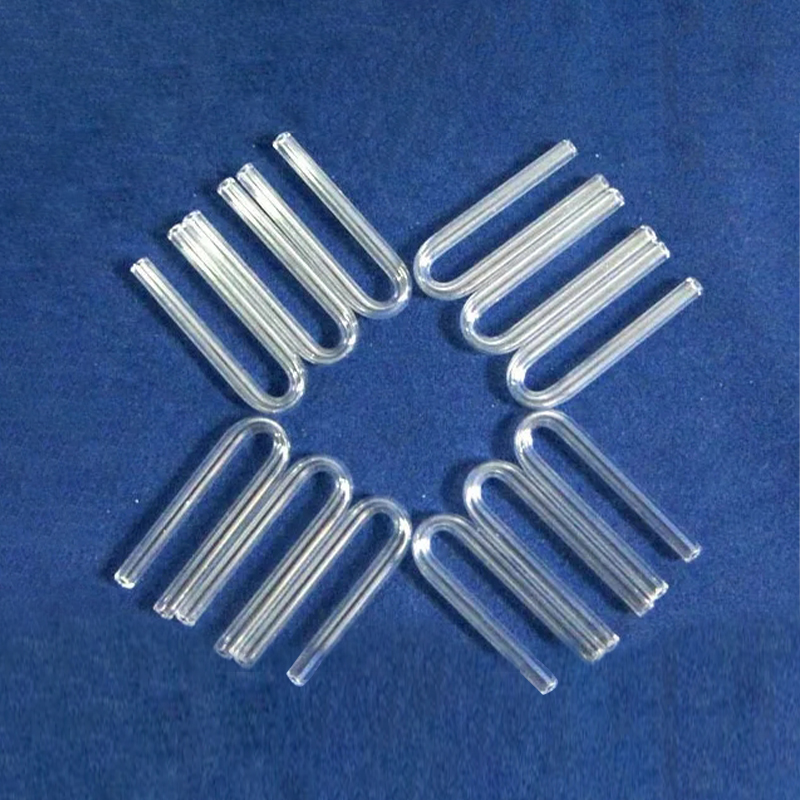
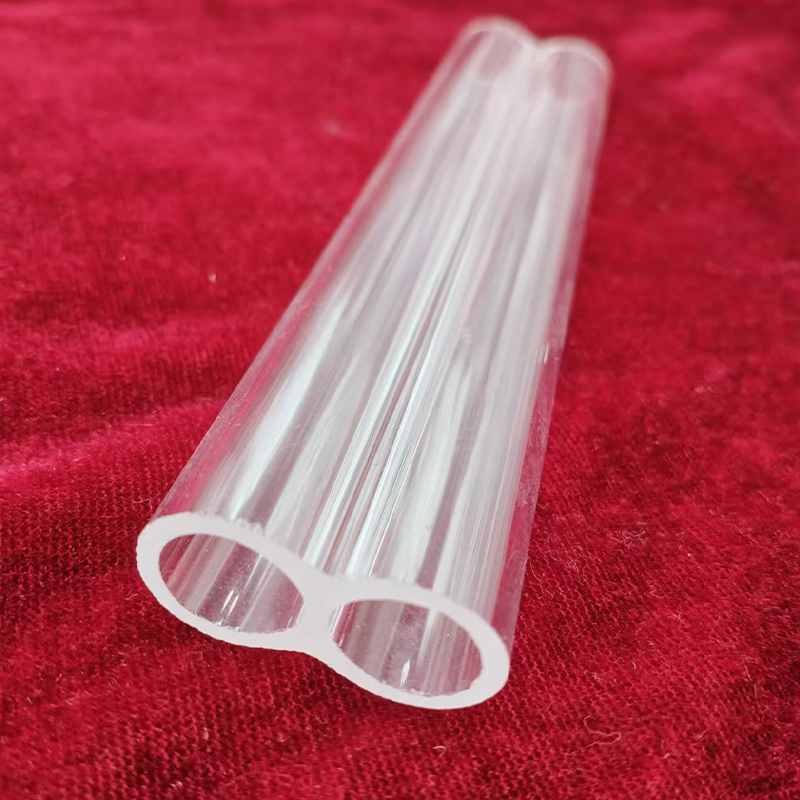
From the product range shown: Transparent Quartz Tube (top left, blue-tipped) — standard clear fused silica tube with SiO2 content greater than 99.9% and optical transmittance above 93%, used in UV lamps, semiconductor furnaces, and optical instruments. Milky White Quartz Tube (top center) — translucent (opaque) tube produced by controlled bubbling during fusion, optimized for infrared heating applications where diffuse radiation distribution is required. Large Diameter Insulated Furnace Quartz Glass Tube (top right) — wide-bore high temperature quartz tube for diffusion furnace and CVD reactor applications up to 1200°C continuous service. Quartz Spark Plug (bottom left) — precision-machined quartz component demonstrating the secondary processing capability of the Mingyang facility. Quartz U-tube (bottom center) — bent quartz pipe for heat exchanger and recirculating fluid system applications. Transparent Quartz Tube Double Tube (bottom right) — coaxial double-bore glass pipe for applications requiring two independent fluid or gas channels in a single body, such as UV sterilization lamp assemblies and specialty chemical reactors.
Step 1: Define the Thermal and Chemical Environment
Before specifying any dimension, define the operating environment. Quartz glass performs differently from borosilicate glass (high borosilicate glass softens at approximately 820°C; fused quartz softens at 1665°C), so the first question is whether the application actually requires quartz or whether borosilicate glass — used in high borosilicate measuring cups, triangular flasks, and triangular shaped funnels in chemistry laboratories — is sufficient. If the operating temperature exceeds 500°C sustained, or thermal shock is expected (rapid heating/cooling cycles), quartz is the correct choice.
| Parameter | Fused Quartz / Silica | High Borosilicate Glass |
|---|---|---|
| SiO2 Content | greater than 99.9% | 80–81% |
| Max Continuous Use Temp. | 1100°C (short-term 1300°C) | 500°C |
| Thermal Expansion Coeff. | 0.54 x 10⁻⁶ /°C | 3.3 x 10⁻⁶ /°C |
| Thermal Shock Resistance | Excellent (greater than 1000°C delta T) | Moderate (approx. 170°C delta T) |
| UV Transmission (200nm) | Greater than 85% | Less than 5% |
| Chemical Resistance | Excellent (except HF, hot H3PO4) | Good (strong alkalis attack) |
Chemical compatibility is the second environmental factor. Quartz glass tube resists virtually all acids (hydrochloric, sulfuric, nitric, hydrofluoric excepted) and most organic solvents, making it the standard choice for corrosive medium delivery in chemical industry pipelines. In medical and laboratory contexts, its biocompatibility makes it suitable for sterilization equipment and analytical instruments. Applications involving hydrofluoric acid or hot phosphoric acid require alternative materials such as PTFE-lined tubing.
Step 2: Determine Outer Diameter and Bore for Your Application
Outer diameter (OD) is driven by the fitting, flange, or furnace bore it must fit into. Bore (inner diameter, ID) is driven by the fluid or gas flow rate, or the component that must pass through the tube (such as a heating element or optical fiber preform). The horizontal bar chart below shows the most common OD ranges for each major application category of quartz tubing.
The chart reveals that semiconductor furnace tube applications demand the widest OD range — from 50mm to 200mm — driven by the need to accommodate 150mm, 200mm, and 300mm silicon wafer batches within the furnace tube bore. This is the largest and most demanding segment for high temperature quartz tube products and typically requires large-diameter insulated furnace quartz glass tubes such as the one shown in the product image above. UV germicidal lamps and halogen infrared heater tubes occupy the narrow-diameter end (8–25mm and 10–20mm respectively), where tight OD tolerance and excellent UV transmission are the primary selection criteria rather than structural load capacity. Laboratory and optical fiber preform support tubes span a moderate range (4–30mm) and often require the tightest dimensional tolerances — typically OD tolerance of ±0.1mm for precision optical applications. Chemical reactor pipelines span the broadest practical range in day-to-day procurement, from 15mm to over 100mm, depending on flow rate and reactor scale. For custom quartz tubing requirements outside standard ranges, Yancheng Mingyang offers drawing and processing to specification with confirmed dimensional control.
Step 3: Calculate Minimum Wall Thickness for Pressure and Vacuum Duty
Wall thickness is the most safety-critical dimension in quartz tube selection. Under-specified wall thickness leads to tube rupture under internal pressure or collapse under external vacuum. The following formula (from ASME B31.3 chemical plant piping, adapted for glass materials) provides a conservative first estimate:
t_min = (P x OD) / (2 x S + P)
Where P = internal gauge pressure (MPa), OD = outer diameter (mm), S = allowable stress for fused quartz (approximately 7 MPa for sustained load at room temperature; reduce by 50% above 800°C). A safety factor of at least 4x is recommended for quartz due to its brittle failure mode.
- Example 1 (UV lamp envelope): OD = 20mm, internal pressure approximately atmospheric (0 gauge). Minimum wall: 1.0–1.5mm is standard. The primary driver is mechanical handling robustness, not pressure.
- Example 2 (pressurized chemical reactor, 0.3 MPa): OD = 50mm, P = 0.3 MPa, S = 7 MPa. t_min = (0.3 x 50) / (2 x 7 + 0.3) = 15/14.3 = 1.05mm. Apply 4x safety factor: minimum wall = 4.2mm. Specify 5mm wall for standard availability.
- Example 3 (semiconductor diffusion furnace, vacuum to 0.01 Pa): Collapse pressure governs. For a 100mm OD tube, minimum wall for vacuum service is typically 3–4mm as verified by finite element analysis. Consult your quartz glass tubing supplier for vacuum-rated wall thickness confirmation.
For quartz tube furnace applications at atmospheric pressure, wall thickness is primarily determined by thermal gradient management: thinner walls equilibrate temperature faster (lower thermal stress) but have less mechanical strength. For standard atmospheric furnace tubes, 2–3mm wall thickness is typical for OD 50–100mm.
Step 4: Select the Correct Quartz Grade for Your Application
Not all quartz glass tube grades are interchangeable. The grade determines hydroxyl (OH) content, transmission spectrum, bubble density, and surface finish — each of which affects performance in specific applications. The radar chart below compares four principal grades across six selection criteria.
The radar chart highlights the trade-offs between the three most commonly procured quartz tube grades. Transparent high-OH quartz (shown in the product image as the blue-tipped tubes) excels in UV transmission and optical clarity — making it the standard choice for UV quartz tube applications such as germicidal lamps, UV LED packaging, UV fused quartz cuvettes, and UV Quartz Plate components. However, its relatively high hydroxyl content (typically 150–300 ppm OH) makes it unsuitable for high-pressure mercury lamps or metal halide HID sources, where OH absorption at 2.72 microns causes premature lamp darkening. Low-OH dehydroxylated fused silica tube with OH content below 10 ppm — and below 5 ppm achievable through vacuum dehydroxylation — scores highest on the low-OH axis and is the correct choice for HID lamp envelopes, halogen lamp tubes, and far infrared quartz tube heater applications where the tube must transmit IR radiation efficiently over its full service life. Milky (opaque) quartz tube sacrifices UV and visible transmission entirely in exchange for superior diffuse IR emission, making it the preferred grade for infrared far infrared quartz tube heaters and carbon fiber quartz heater assemblies where uniform heat distribution across the tube surface is required. Both low-OH and milky grades maintain the same excellent thermal resistance and chemical resistance as transparent quartz. For applications requiring the SiO2 content to be confirmed above 99.9% — such as semiconductor CVD tubes, quartz crucible applications, or fused quartz rods used as laboratory quartz crucible supports — certificate of analysis (CoA) documentation should be requested from the supplier.
Step 5: Length Tolerance, Dimensional Standards, and Custom Specifications
Standard quartz glass tubes are supplied in lengths of 1000mm, 1500mm, and 2000mm. Cut lengths with tolerance of ±1mm are standard; tighter tolerances (±0.5mm or better) are available for precision optical and semiconductor applications at additional lead time. The line chart below shows how dimensional tolerance requirements affect practical OD range availability from a standard production facility.
The line chart demonstrates a fundamental trade-off in quartz tube procurement: as dimensional tolerance requirements tighten, the maximum achievable outer diameter decreases due to the limitations of precision drawing and grinding operations. At the standard tolerance class (±1mm), ODs up to 200mm are available — covering the full range of semiconductor furnace tube and large chemical reactor applications. At optical-grade tolerance (±0.2mm), the practical maximum OD is approximately 80mm, which covers most laboratory and optical fiber preform support tube applications. At semiconductor-grade tolerance (±0.1mm), maximum OD is around 50mm, reflecting the intensive grinding and polishing operations required to achieve this level of precision on a brittle material. For custom quartz tubing requirements that combine large OD with tight tolerance — for example, a 150mm OD tube with ±0.2mm tolerance for a specialized MOCVD reactor — extended lead times of 4–8 weeks are typical and should be factored into project planning. Yancheng Mingyang offers engineering consultation on dimensional specifications to help customers identify the minimum tolerance class that satisfies their functional requirements, avoiding over-specification that unnecessarily extends delivery time and increases procurement cost.
Application-Specific Quartz Tube Selection Reference
The following table consolidates the four-step selection framework into a quick-reference guide for the most common quartz glass tube applications. It covers the full product breadth from standard high purity quartz glass tube and quartz glass rod components to specialized heating and optical products.
| Application | Recommended OD | Min Wall | Grade | Key Spec |
|---|---|---|---|---|
| UV Germicidal Lamp | 10–25mm | 1.0mm | Transparent UV Grade | UV transmission above 85% at 253.7nm |
| Halogen / IR Heater | 10–20mm | 1.0mm | Low-OH (below 10ppm) | OH below 10ppm; rated to 1200°C |
| Far IR Quartz Heater | 15–25mm | 1.5mm | Milky / Opaque | Diffuse IR emission; uniform heat distribution |
| Semiconductor Diffusion Furnace | 100–200mm | 3–5mm | High Purity Transparent | SiO2 above 99.99%; metal impurities below 1ppm |
| Chemical Reactor Pipe | 15–100mm | 2–5mm | Standard Transparent | Acid resistant; thermal shock rated |
| Optical Fiber Preform Support | 20–50mm | 2mm | Optical Grade (low bubble) | OD tolerance ±0.2mm; bubble density below 5/cm2 |
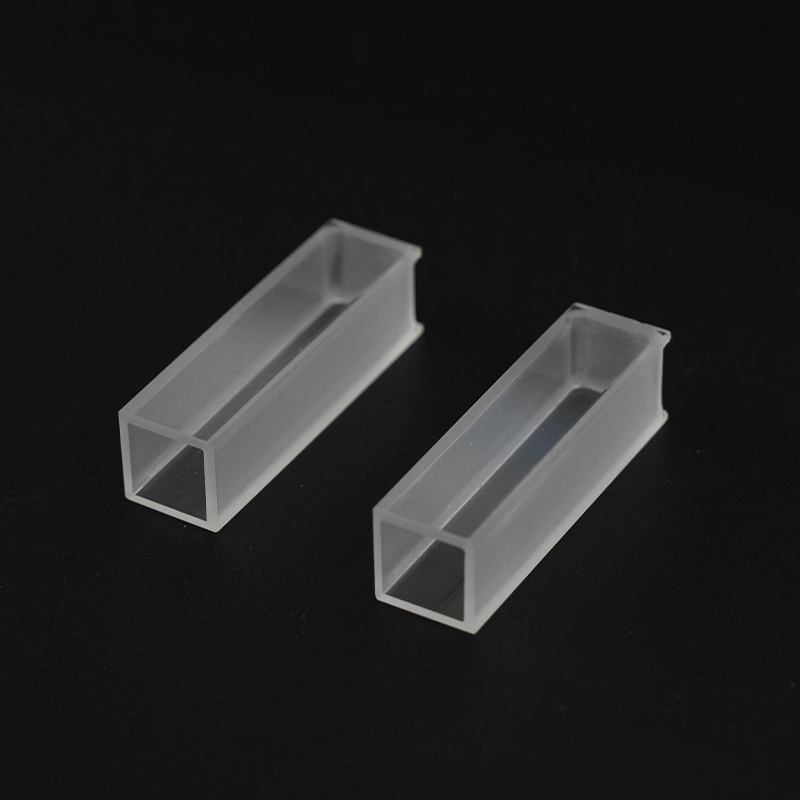
| UV Fused Quartz Cuvette | Custom (10x10 to 50x50mm) | 1.25mm | UV Grade Optical | Polished optical surfaces; UV transmission confirmed |
Quartz Glass Products Beyond Tubes: Extended Product Range
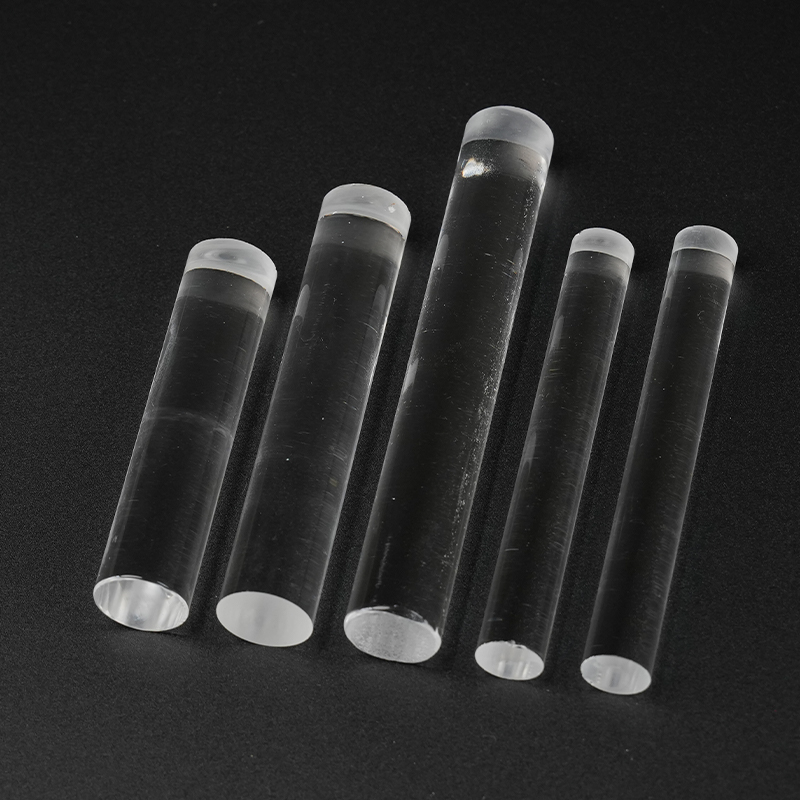
While quartz glass tube and glass pipe products form the core of the product range, Yancheng Mingyang supplies a broad portfolio of quartz and special glass products that serve complementary application needs. These include quartz glass rods (fused quartz rods and quartz crystal rods) for optical and structural applications, quartz glass sheet and quartz glass window panels for vacuum chambers and optical assemblies, UV Quartz Plate and UV Round Quartz Plate With Holes for photolithography and UV curing systems, and UV Fused Quartz Cuvettes and quartz cuvette rectangular formats for spectroscopy and analytical instruments.
In the heating product segment, the company produces halogen heater infrared tubes, far infrared quartz tube heater assemblies, and carbon fiber quartz heater and quartz carbon fiber infrared heating tube products for industrial process heating applications. These heating products leverage the milky and low-OH quartz tube grades to maximize infrared emission efficiency. For laboratory and scientific research applications, the range includes laboratory quartz crucible and silica crucible laboratory products, opaque fused silica crucible for crystal growth, and clear quartz crucible variants for processes requiring visual monitoring of the melt. Specialty items include quartz glass instruments, high borosilicate measuring cup, triangular shaped funnel, and triangular flask chemistry glassware — bridging the standard laboratory glassware and high-performance quartz segments.
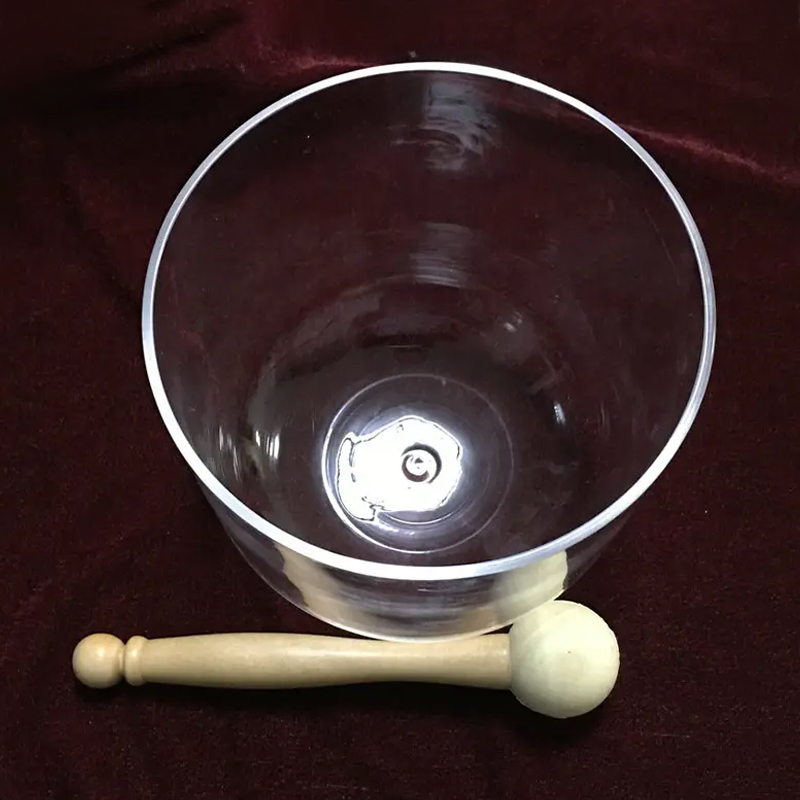
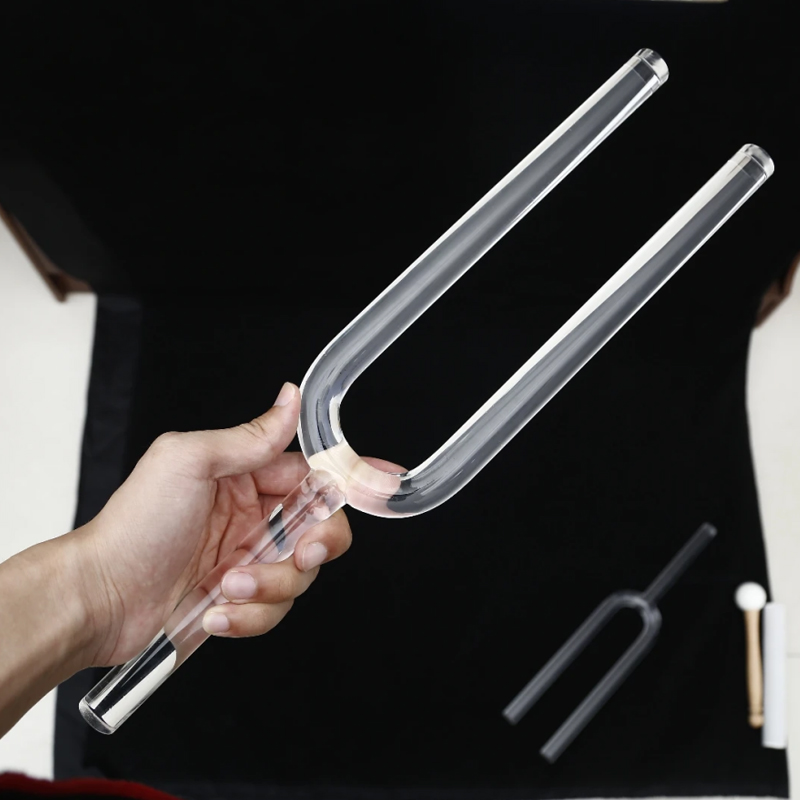
The company also supplies sound healing instruments including crystal singing bowl, Crystal Alchemy Bowls, Quartz Crystal Tuning Fork, Crystal Singing Triangle, Crystal Harp, and Crystal Singing Holy Grail products — a growing application area that leverages the acoustic resonance properties of high-purity fused quartz glass for therapeutic and musical instrument use.
About Yancheng Mingyang Quartz Products Co., Ltd.
Yancheng Mingyang Quartz Products Co., Ltd. is a company specializing in the production of quartz and special glass products. It is the production plant of Jinzhou Mingde Quartz Glass Co., Ltd. in Jiangsu Province. Since its establishment, the company has developed rapidly, introduced advanced technology and production equipment from both domestic and international sources, and continuously improved product quality. Relying on its own manufacturing advantages, the company has developed a variety of products suitable for the market and meeting the needs of different customers, solving many urgent production challenges for its customers worldwide.
The company's products include quartz glass tubes, double-hole quartz glass tubes, quartz glass rods, quartz sheets, sapphire windows, calcium fluoride glass windows, infrared ultraviolet coatings, high-pressure resistant aluminosilicate glass window panels, quartz glass instruments, high borosilicate glass instruments, quartz crucibles, quartz gold-plated tubes, quartz heaters, quartz infrared heating tubes, far-infrared directional radiation heaters, ultraviolet germicidal lamps, and other special types of quartz glass products. The company is a professional custom Quartz Glass Tube Supplier and Glass Pipe Factory, serving customers in semiconductors, optics, chemicals, new energy, medical, and electric light source industries across Europe, America, Japan, South Korea, and beyond.
Frequently Asked Questions
Featured Products
Copyright © Yancheng Mingyang Quartz Products Co., Ltd. All Rights Reserved.
Wholesale Quartz Products Manufacturer Quartz Glass Factory