

 +86-0515-86223369
  0
0 en
en English
 日本語
日本語 Español







If you need any help, please feel free to contact us
 Products & Solutions
How High a Temperature Can Quartz Rods Withstand?
Content
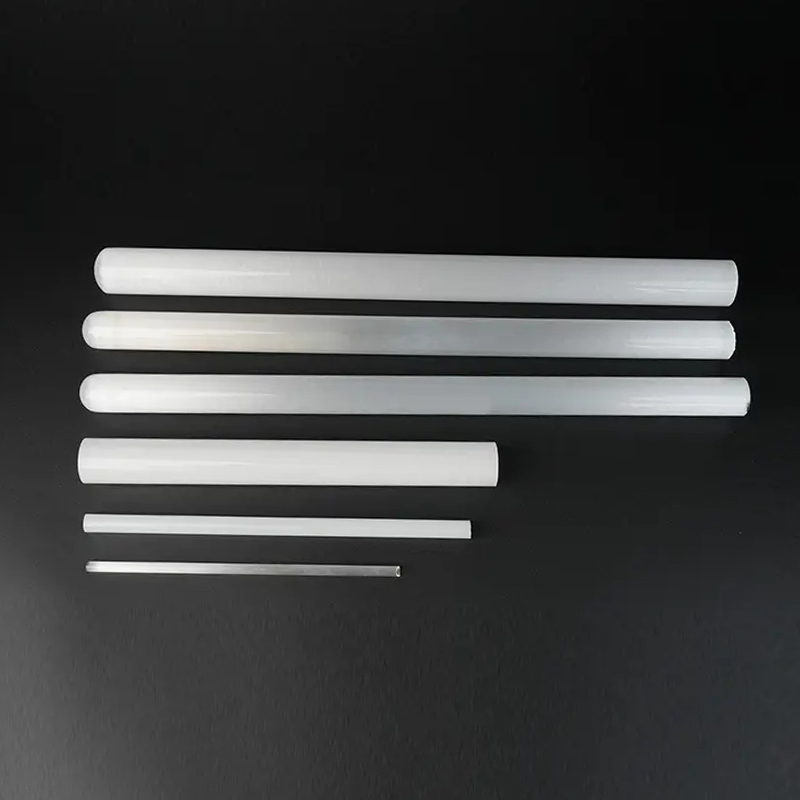
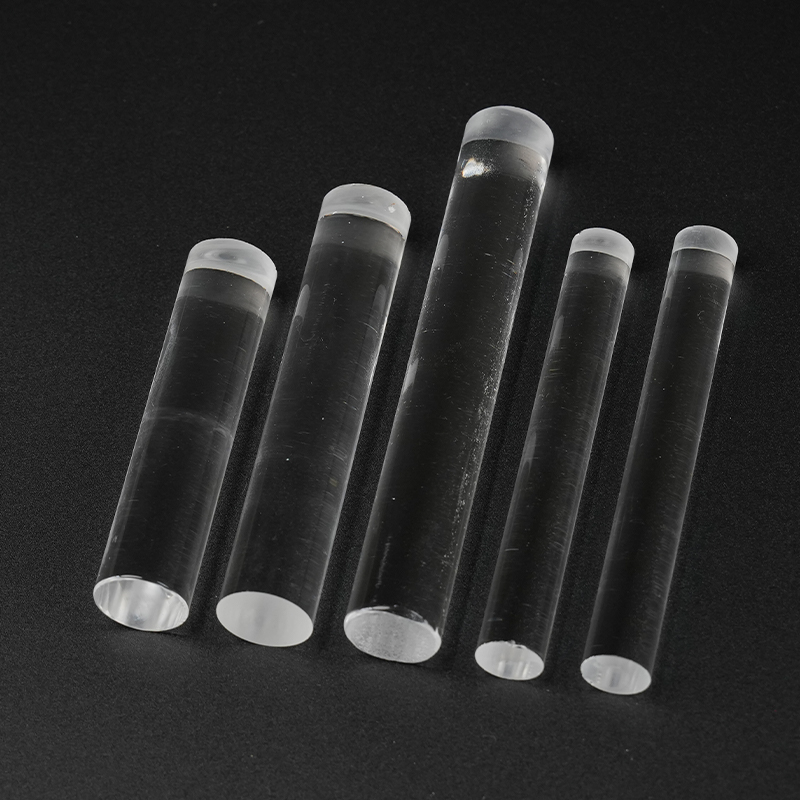
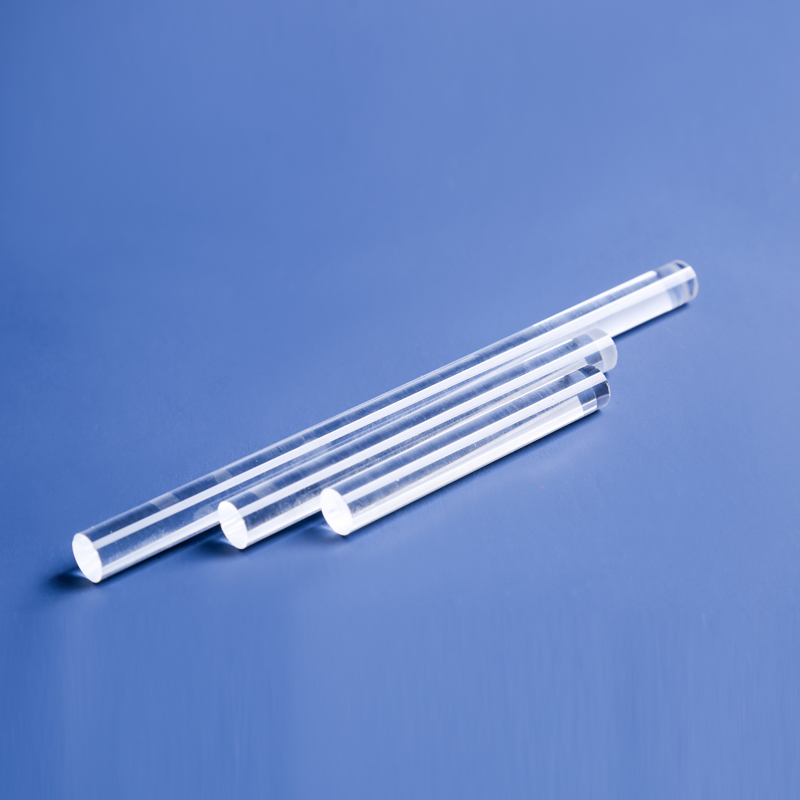
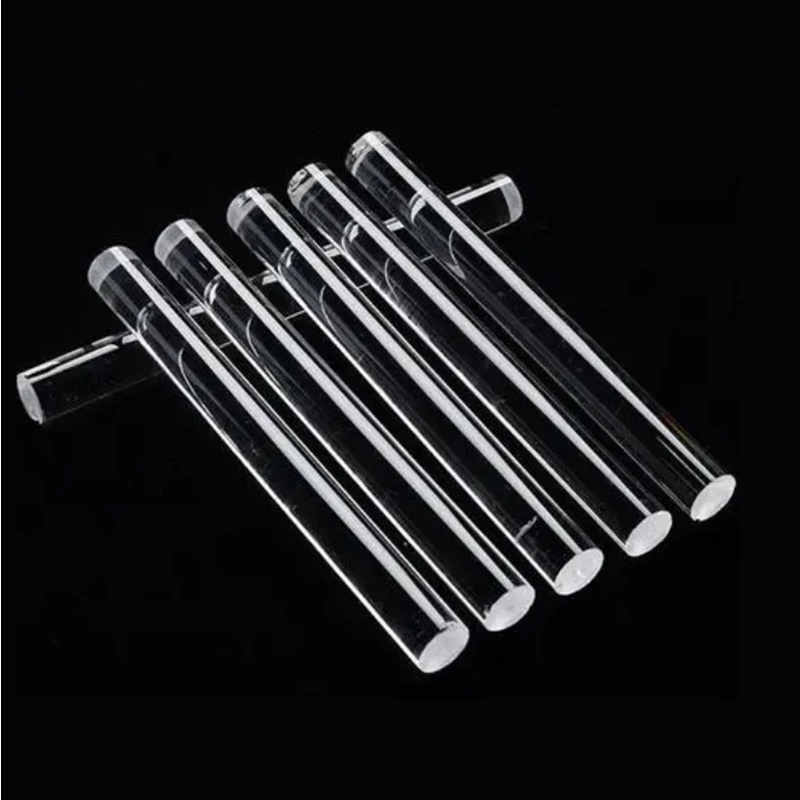
In many industrial and scientific research fields, the demand for high-temperature resistant materials is core. When it comes to materials that can maintain stable performance under extreme thermal environments, Quartz Rods are undoubtedly among the best.|
Thermal Limits of Quartz Rods
The main component of Quartz Rods is high-purity silicon dioxide, and this unique chemical structure endows it with excellent thermal properties.
Temperature Range: High-quality high-temperature resistant quartz rods can typically withstand temperatures up to 1200 degrees Celsius or even higher.
Thermal Stability and Thermal Expansion: This material possesses excellent thermal stability and an extremely low coefficient of thermal expansion. This means that quartz rods are less prone to cracking or deformation under rapid temperature changes, far superior to ordinary glass or ceramic materials.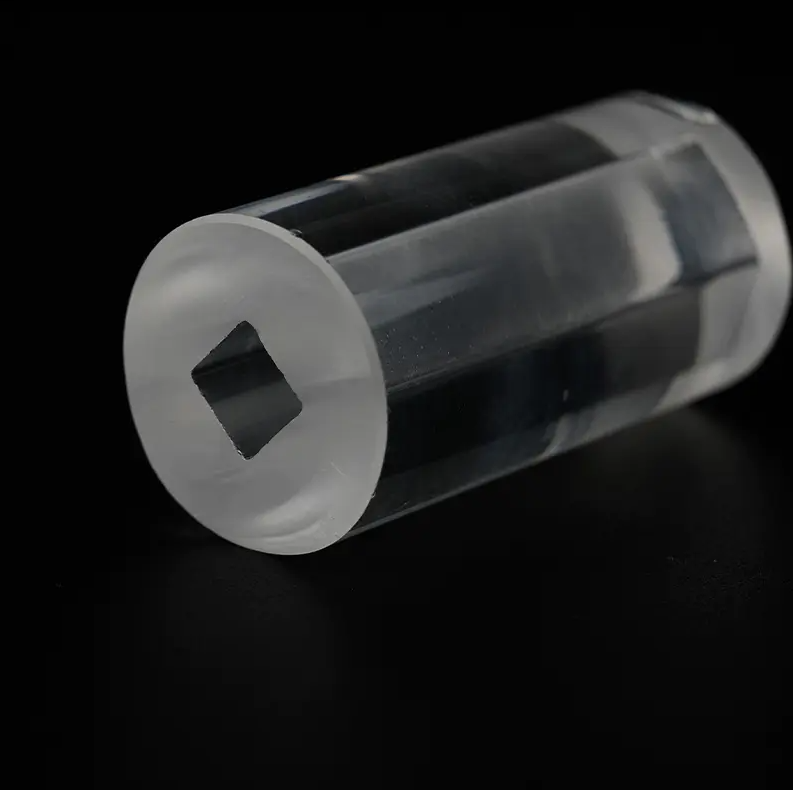
Why Can Quartz Rods Withstand Such High Temperatures?
Quartz glass (the base material of quartz rods) has a very high melting point; the theoretical melting point of pure quartz is close to 1700 degrees Celsius. Its ability to withstand an operating temperature of 1200 degrees Celsius is under the premise of ensuring its long-term performance and safety.
- Extremely High Purity: The raw materials used to manufacture quartz rods require extremely high purity and very low impurity content. This prevents performance degradation or melting caused by impurities at high temperatures.
- Amorphous Structure: Quartz has an amorphous structure, meaning it does not undergo significant phase transitions at high temperatures, thus maintaining volume stability and mechanical strength.
Applications: Quartz Rods' "High-Temperature Stage"
Because of their excellent thermal properties, high-temperature resistant Quartz Rods have become indispensable components in many high-tech and heavy industries.
1. High-Temperature Heat Treatment Equipment
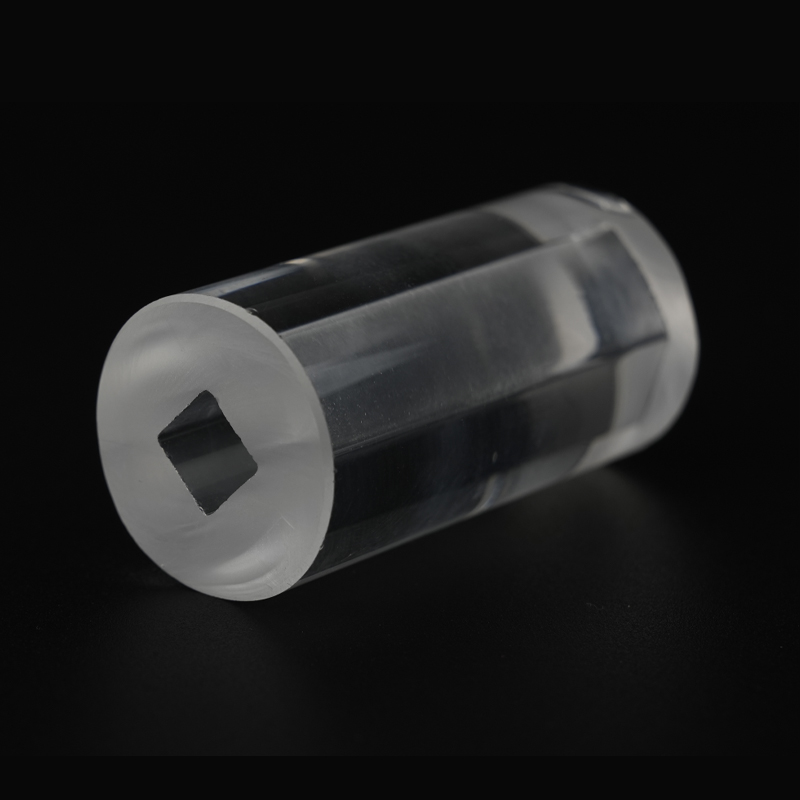
High-Temperature Furnaces: In semiconductor manufacturing, metallurgy, and new materials research and development, quartz rods and their derivative quartz glass products are commonly used in the internal supports, observation windows, and reaction vessels of high-temperature furnaces.
Laboratory Heating Equipment: In research laboratories, heating equipment used for precise control of chemical reactions and material testing, such as heating element supports and thermocouple protection tubes, relies on the heat resistance of quartz rods.
2. Chemical Reactions and Optics
Chemical Reactors: In some harsh chemical reactors, materials need to be both heat-resistant and chemically resistant. Quartz rods can meet both requirements.
Optics and Lighting: Special light sources requiring extremely high operating temperatures, such as high-pressure mercury lamps and halogen lamps, must also use high-temperature resistant quartz materials for their lamp tubes.
Choosing Quartz Rods Ensures Stability and Safety in High-Temperature Environments
Whether it's laboratory heating equipment requiring precise temperature control or industrial-grade high-temperature furnaces, choosing high-quality quartz rods is crucial for ensuring the long-term stable operation of the equipment. Their temperature resistance up to 1200 degrees Celsius or even higher makes them an ideal material for handling extreme temperature challenges in modern industry and scientific research.
Featured Products
Copyright © Yancheng Mingyang Quartz Products Co., Ltd. All Rights Reserved.
Wholesale Quartz Products Manufacturer Quartz Glass Factory