

 +86-0515-86223369
  0
0 en
en English
 日本語
日本語 Español



If you need any help, please feel free to contact us
 Products & Solutions
Quartz Crucible Guide: Purity, Thermal Stability, and Selection
Content
- 1 What Is a Quartz Crucible and Why Purity Matters
- 2 Core Performance Metrics of Laboratory Quartz Crucible Products
- 3 Thermal Cycling Behavior of Quartz Crucible Compared to Ceramic Alternatives
- 4 Application Distribution of Quartz Crucible and Related Quartz Glass Products
- 5 Comparing Quartz Crucible Against Other Crucible Materials by Performance Dimension
- 6 How to Select the Right Quartz Crucible for Laboratory or Industrial Use
- 7 Manufacturing Process and Quality Control Behind High Purity Quartz Glass Products
- 8 Handling and Maintenance Best Practices for Laboratory Quartz Crucible Products
- 9 Quartz Crucible in the Broader Family of Quartz Glass and Special Optical Glass Products
- 10 Sourcing Considerations for Laboratories and Industrial Buyers
- 11 About Yancheng Mingyang Quartz Products Co., Ltd.
- 12 Frequently Asked Questions About Quartz Crucible and Laboratory Quartz Crucible Products
- 12.1 Q1: What is the main advantage of a quartz crucible over a ceramic crucible?
- 12.2 Q2: What temperature can a laboratory quartz crucible safely withstand?
- 12.3 Q3: Why does purity level matter when choosing a quartz crucible?
- 12.4 Q4: What is the difference between a clear quartz crucible and an opaque fused silica crucible?
- 12.5 Q5: How should a quartz crucible be cooled after high temperature use?
- 12.6 Q6: Can a quartz crucible be reused for multiple laboratory procedures?
- 12.7 Q7: What other quartz glass products are commonly used alongside a quartz crucible?
- 12.8 Q8: How can a laboratory verify the purity and thermal specification of a quartz crucible before purchase?
A quartz crucible is a high purity fused silica vessel used to contain, melt, or heat materials at elevated temperatures without introducing contamination, and this is precisely why laboratory quartz crucible products remain a standard tool across analytical chemistry, materials science, and industrial melting applications. The core reason quartz crucible products are chosen over ceramic or metal alternatives comes down to three measurable properties: extremely low thermal expansion, high chemical inertness against most acids and molten materials, and stable performance under rapid and repeated temperature cycling. This article examines the material science behind quartz crucible construction, presents performance data across key evaluation dimensions, compares application distribution across laboratory and industrial use cases, and provides a practical selection guide for laboratories and manufacturers sourcing quartz glass products.
Because a laboratory quartz crucible is often used in sensitive analytical procedures such as gravimetric analysis, ashing, and high temperature sample preparation, understanding its thermal and chemical behavior in depth is essential for laboratories that need repeatable, contamination free results. The sections below walk through this information in a structured way, moving from material fundamentals to practical sourcing guidance, and closing with a frequently asked questions section addressing the most common technical concerns raised by laboratory and industrial buyers.
What Is a Quartz Crucible and Why Purity Matters
A quartz crucible is manufactured from fused silica, a non-crystalline form of silicon dioxide produced by melting high purity quartz sand or quartz rock at extremely high temperatures until it forms a glass-like structure. Unlike crystalline quartz, fused silica does not have a regular atomic lattice, which gives it a very low and uniform coefficient of thermal expansion. This property is the main reason a quartz crucible can be heated rapidly and then cooled without cracking, a behavior that most ceramic crucibles and many other quartz glass products cannot match under the same thermal stress conditions.
Purity level is one of the most important specifications when selecting a laboratory quartz crucible, since trace metallic impurities in the raw silica can migrate into the sample during high temperature processing and distort analytical results. High purity quartz crucible products are typically produced from silica with extremely low concentrations of iron, aluminum, and alkali metal oxides, which is why laboratories working with precise gravimetric or spectroscopic methods generally specify a minimum purity grade when purchasing quartz glass tube, quartz glass rod, or quartz crucible components. A quartz crucible produced from lower grade raw material can introduce measurable contamination into a sample even when the visual quality of the crucible appears acceptable, which is why purity documentation from the manufacturer is a meaningful part of the procurement process.
Beyond the crucible itself, related quartz glass products such as quartz glass sheet, quartz glass window, and fused quartz rods are produced using similar purification and forming techniques, which is why laboratories that rely on one category of quartz glass instrument for high temperature or high purity work often extend that same sourcing standard to other quartz components used within the same analytical workflow.
Core Performance Metrics of Laboratory Quartz Crucible Products
The chart below compares four core performance metrics commonly used to evaluate quartz crucible products intended for laboratory and industrial use: maximum continuous operating temperature, thermal shock resistance rating, chemical purity level, and mechanical strength under load. These metrics are generally consistent with benchmarks referenced in fused silica material specifications used across analytical laboratory equipment standards.
This bar chart shows that a quartz crucible manufactured from high purity fused silica can typically withstand continuous operating temperatures around eleven hundred degrees Celsius, which covers most standard laboratory ashing, gravimetric, and sample preparation procedures without requiring specialized high temperature crucible alternatives. The thermal shock resistance metric reflects the crucible's ability to survive rapid heating or cooling cycles, a property directly linked to the extremely low thermal expansion coefficient of fused silica compared to crystalline ceramic materials. Silicon dioxide purity level near ninety nine point nine percent indicates a very low concentration of metallic and alkaline impurities, which matters directly for laboratories conducting trace element analysis where even minor contamination could distort results. Mechanical strength, while moderate to high relative to other laboratory glassware, is generally sufficient for standard crucible handling and heating applications, though laboratories should still follow careful handling procedures given the brittle nature of fused silica. Taken together, these four metrics explain why quartz crucible and related quartz glass products remain a preferred choice for laboratories that require both high temperature stability and chemical purity in a single component.
Thermal Cycling Behavior of Quartz Crucible Compared to Ceramic Alternatives
One of the most cited advantages of a quartz crucible over ceramic crucible alternatives is its behavior during repeated thermal cycling. The line chart below presents an illustrative comparison of dimensional stability across repeated heating and cooling cycles, based on general thermal expansion principles documented in fused silica material references.
The line chart illustrates that a quartz crucible maintains a much flatter dimensional stability curve across repeated thermal cycles compared to a typical ceramic crucible, which tends to show progressively greater dimensional drift as internal microcracks accumulate from repeated expansion and contraction. This behavior is a direct consequence of the very low thermal expansion coefficient of fused silica, which reduces the internal stress generated each time the crucible is heated and cooled. For laboratories performing high frequency ashing or melting procedures, this stability translates into a longer effective service life for a laboratory quartz crucible compared to ceramic alternatives used under the same cycling conditions. The gap between the two curves widens noticeably after roughly one hundred cycles, which corresponds to the point where ceramic materials typically begin to show measurable microstructural fatigue. This comparison is consistent with general material science literature on fused silica versus alumina based ceramics, and it explains why quartz crucible products are frequently specified for laboratory procedures involving frequent or rapid temperature changes.
Application Distribution of Quartz Crucible and Related Quartz Glass Products
Quartz crucible products are used across a range of laboratory and industrial applications, each with different purity, temperature, and handling requirements. The donut chart below shows an approximate distribution of where quartz crucible and related quartz glass products are most commonly applied.
This donut chart shows that analytical laboratory ashing represents the largest application category for quartz crucible products, which reflects how commonly a laboratory quartz crucible is used in gravimetric analysis procedures where organic material must be burned off before a residue is weighed. Materials melting and casting forms the second largest segment, since fused silica crucibles are well suited to containing molten metals or minerals at high temperature without reacting with most materials being processed. High temperature sample preparation represents a meaningful share as well, covering procedures where samples must be heated to a controlled temperature before further chemical or physical analysis. The remaining share, associated with semiconductor and optical processing, reflects specialized applications where extremely high purity quartz glass products, including quartz crucible and quartz glass tube components, are required to avoid introducing contamination into sensitive manufacturing processes. This distribution demonstrates why quartz crucible products are considered general purpose laboratory equipment rather than a narrow, single application item.
Comparing Quartz Crucible Against Other Crucible Materials by Performance Dimension
Selecting the right crucible material requires evaluating several performance dimensions together rather than relying on a single specification. The radar chart below compares a quartz crucible across five dimensions commonly used in laboratory equipment evaluation: thermal shock resistance, chemical inertness, purity level, thermal stability at high temperature, and mechanical durability.
The radar chart shows that thermal shock resistance and chemical inertness extend furthest from the center, indicating that these two dimensions are typically the strongest characteristics of a quartz crucible relative to alternative crucible materials such as porcelain or alumina ceramic. Purity level and high temperature stability also score strongly, which supports the widespread use of laboratory quartz crucible products in analytical procedures that require both cleanliness and consistent performance at elevated temperature. Mechanical durability sits slightly closer to the center compared to the other four dimensions, reflecting the reality that fused silica, while thermally robust, is more brittle under mechanical impact than some ceramic materials, meaning laboratories should still handle a quartz crucible with reasonable care during transport and cleaning. This balanced but not uniform profile is typical of fused silica products in general, since the same low thermal expansion property that gives quartz its excellent thermal shock resistance does not directly translate into higher impact resistance. Understanding this profile helps laboratories set realistic handling expectations while still benefiting from the strong thermal and chemical performance that a quartz crucible provides.
How to Select the Right Quartz Crucible for Laboratory or Industrial Use
Selecting the right quartz crucible involves matching the crucible specification to the actual procedure it will support rather than choosing based on size or price alone. The table below outlines the main selection criteria that laboratories and industrial buyers typically review before finalizing a quartz crucible or related quartz glass product for their application.
| Criteria | Why It Matters | Typical Requirement |
|---|---|---|
| Silica Purity Grade | Prevents contamination during high purity analysis | 99.9 percent or higher SiO2 |
| Transparency (Clear or Opaque) | Affects visual monitoring and certain thermal properties | Clear quartz crucible or opaque fused silica crucible |
| Wall Thickness | Balances thermal shock resistance with mechanical strength | Application dependent, typically 1 to 4 mm |
| Maximum Operating Temperature | Ensures crucible survives intended heating procedure | Up to approximately 1100 C continuous use |
| Volume and Shape | Must match sample size and heating equipment geometry | Standard laboratory crucible sizes and shapes |
Beyond the table above, laboratories should also request material certification documents from the quartz crucible supplier, including SiO2 purity test reports and thermal specification sheets, rather than relying only on general product descriptions. Requesting documented purity and thermal test data is one of the most effective ways to ensure a quartz crucible performs consistently across repeated analytical procedures. It is also worth confirming whether the supplier manufactures its own quartz glass tube, quartz glass rod, and quartz crucible products in house, since manufacturers with integrated production of fused quartz rods and related quartz glass instrument components generally maintain tighter consistency across batches.
- Confirm the SiO2 purity grade matches the sensitivity of your analytical procedure.
- Choose between a clear quartz crucible and an opaque fused silica crucible based on whether visual monitoring is required.
- Verify the maximum operating temperature against your specific heating procedure.
- Select an appropriate wall thickness to balance thermal shock resistance and mechanical strength.
- Match crucible volume and shape to your sample size and furnace or heating equipment geometry.
Manufacturing Process and Quality Control Behind High Purity Quartz Glass Products
Consistent quality in a quartz crucible depends heavily on the manufacturing process used to melt and form the fused silica material. High purity raw quartz sand or quartz rock is melted at extremely high temperature using electric or flame fusion methods, and the resulting fused silica is then shaped into the final crucible, quartz glass tube, quartz glass rod, or quartz glass sheet form. Manufacturers that control the full process, from raw material selection through final forming and annealing, are generally able to maintain tighter purity and dimensional tolerances compared to manufacturers that purchase pre-formed silica stock from third parties.
Quality control for quartz crucible and related quartz glass products typically includes multiple stages of inspection: incoming raw material purity verification, in-process dimensional checks during forming, visual inspection for bubbles or inclusions, and final thermal and dimensional testing before shipment. Quartz crucible products that pass through documented multi-stage inspection tend to show significantly more consistent thermal performance across production batches compared to components that rely only on final visual inspection. For laboratories and industrial buyers sourcing quartz glass instrument components at scale, requesting documentation of a supplier's quality control process, including purity testing equipment and thermal testing protocols, is a practical step toward ensuring long term consistency in analytical results.
Annealing, the controlled cooling process applied after forming, is another important step that affects the internal stress profile of a finished quartz crucible. Proper annealing reduces residual internal stress that could otherwise make the crucible more prone to cracking under thermal cycling, even if the raw material purity and wall thickness are otherwise correct. Manufacturers with dedicated annealing equipment and documented annealing schedules are generally able to produce quartz crucible and quartz glass window products with more predictable long term thermal shock performance.
Handling and Maintenance Best Practices for Laboratory Quartz Crucible Products
Although a quartz crucible is engineered for demanding thermal conditions, proper handling still affects its usable lifespan and the consistency of results it produces. Laboratory staff should avoid placing a hot quartz crucible directly onto a cold metal surface, since the resulting rapid, uneven cooling can introduce localized stress even in a material with excellent thermal shock resistance. Crucibles should be allowed to cool gradually in a controlled environment, ideally on a heat resistant stand rather than a bare metal or stone surface, before being handled further.
- Allow a quartz crucible to cool gradually rather than quenching it in water or on a cold surface.
- Avoid mechanical impact or dropping, since fused silica remains brittle despite strong thermal shock resistance.
- Clean using appropriate laboratory glassware cleaning procedures rather than abrasive materials that could scratch the surface.
- Store in a padded or divided container to avoid crucible to crucible contact during storage.
- Inspect for surface cracks or devitrification before each high temperature use.
Following these handling practices helps preserve the purity and thermal performance built into a quartz crucible during manufacturing, ensuring that laboratories continue to obtain consistent, contamination free results across repeated procedures. This is particularly relevant for laboratories running high volume ashing or sample preparation workflows, where a single damaged crucible could introduce variability into an otherwise controlled analytical process.
Quartz Crucible in the Broader Family of Quartz Glass and Special Optical Glass Products
A quartz crucible does not exist in isolation; it is part of a broader family of quartz glass products that share the same underlying fused silica material science. This family includes quartz glass tube, quartz glass rod, quartz glass sheet, and quartz glass window components used in laboratory instruments, as well as specialized items such as UV quartz plate and UV fused quartz cuvette products used in optical and spectroscopic applications. Because these products share the same purity and thermal expansion characteristics as a quartz crucible, laboratories that have already validated their crucible supplier for purity and thermal performance often extend the same sourcing relationship to related quartz glass instrument components.
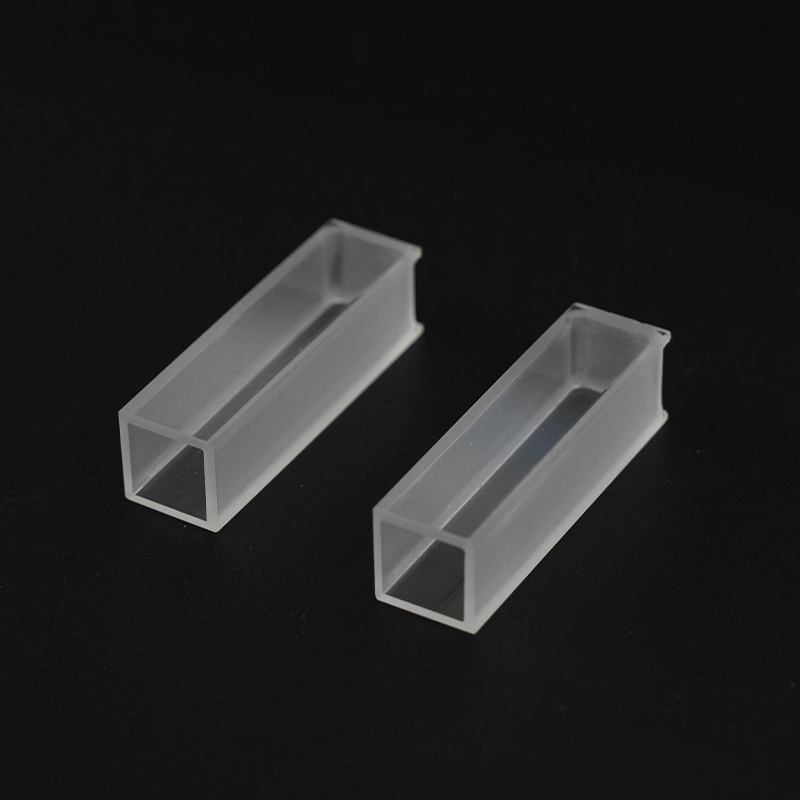
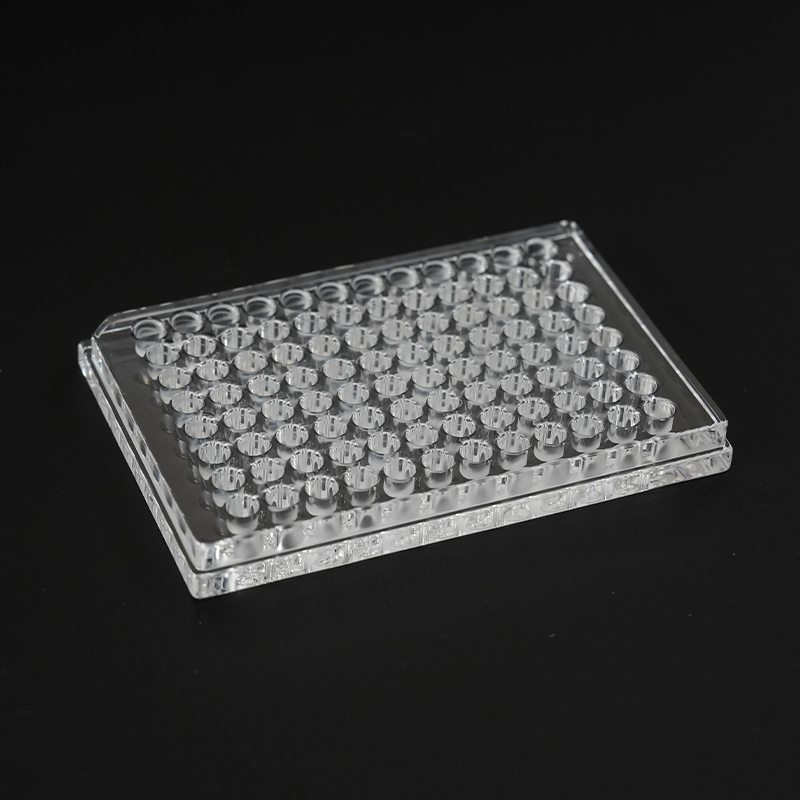
Special optical glass applications, including UV round quartz plate with holes and quartz cuvette rectangular formats, rely on similar high purity fused silica formulations but with additional optical clarity and surface finish requirements compared to a standard laboratory quartz crucible. Understanding this shared material foundation helps laboratories make more informed decisions when sourcing multiple categories of quartz glass products from a single manufacturer, since consistent raw material purity and forming quality tend to carry across a supplier's full product range rather than being isolated to a single item.
Sourcing Considerations for Laboratories and Industrial Buyers
When sourcing a quartz crucible or laboratory quartz crucible for a new application, buyers should consider not only the technical specification but also the manufacturer's production scale and experience with the specific product category. Manufacturers with established production lines for quartz glass tube, quartz glass rod, and quartz crucible products, supported by advanced production equipment introduced from established domestic and international sources, are generally better positioned to deliver consistent quality across large order volumes. This is particularly relevant for laboratories and industrial buyers placing recurring orders, where batch to batch consistency directly affects the reliability of long term analytical or production workflows.
Buyers should also consider whether a supplier can support related quartz glass instrument needs beyond the crucible itself, including quartz glass window, sapphire window, and calcium fluoride glass window components often used alongside crucibles in integrated laboratory or industrial heating systems. Working with a manufacturer capable of supplying a full range of quartz and special glass products can simplify procurement and help ensure material compatibility across an entire analytical or industrial heating setup.
About Yancheng Mingyang Quartz Products Co., Ltd.
Yancheng Mingyang Quartz Products Co., Ltd. is a company specializing in the production of quartz and special glass products, and serves as the production plant of Jinzhou Mingde Quartz Glass Co., Ltd. in Jiangsu. Since its establishment, the company has developed rapidly, introducing advanced technology and production equipment from both domestic and international sources, while continuously improving product quality across its range of quartz glass products.
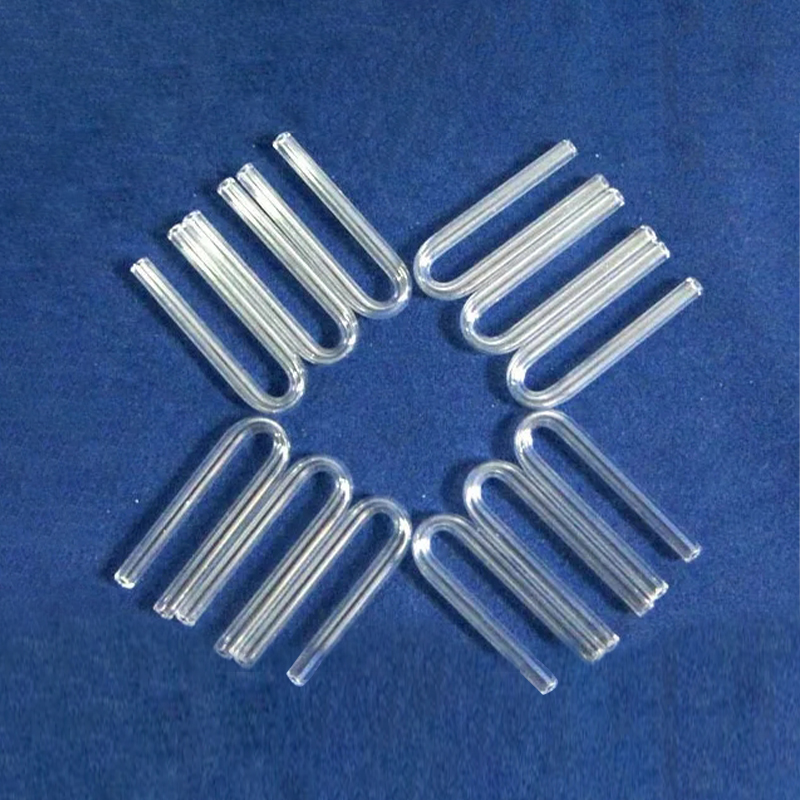
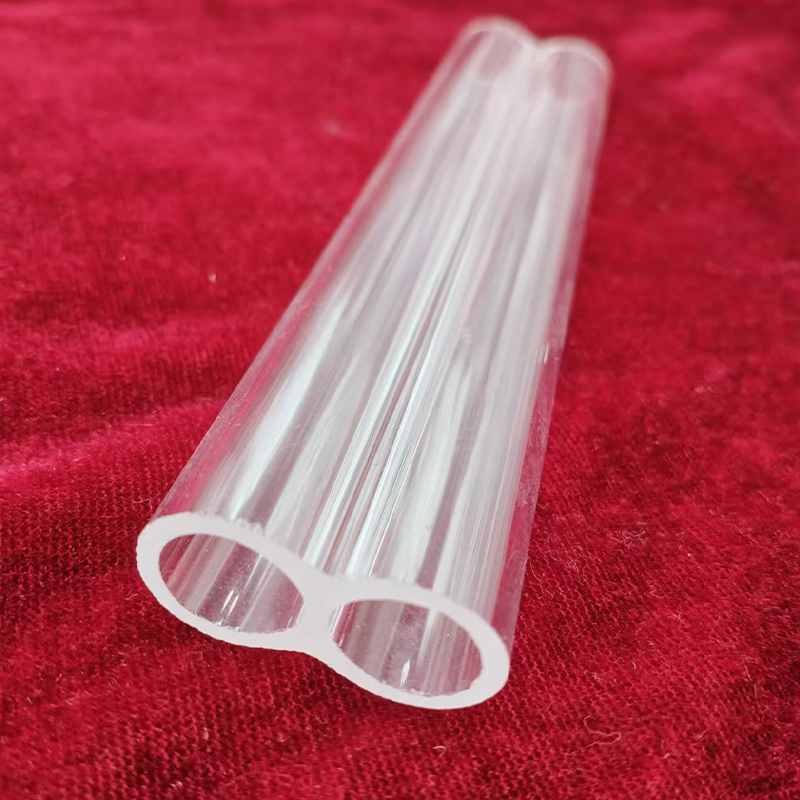
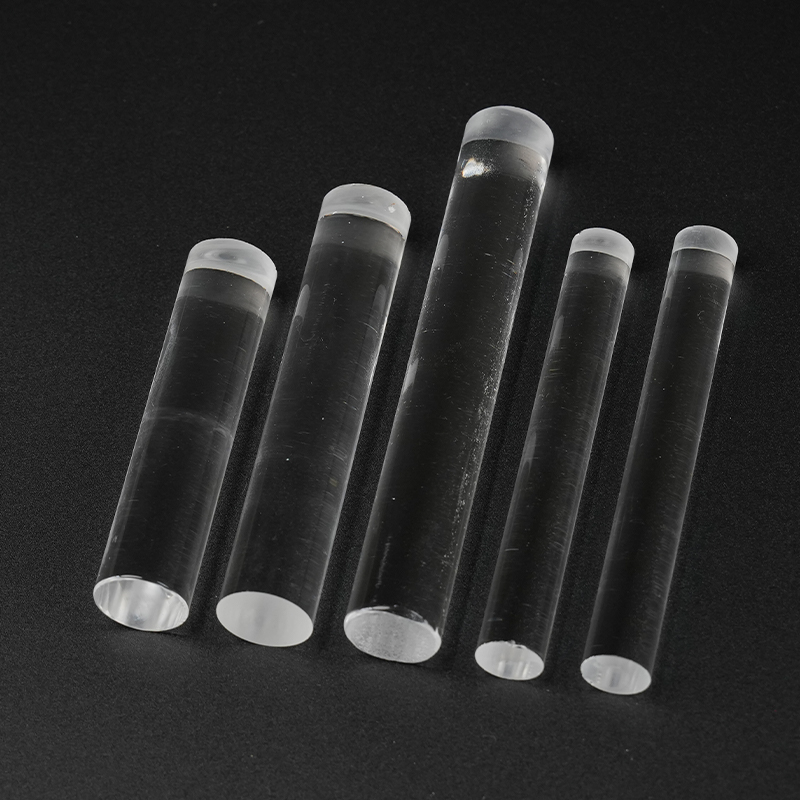
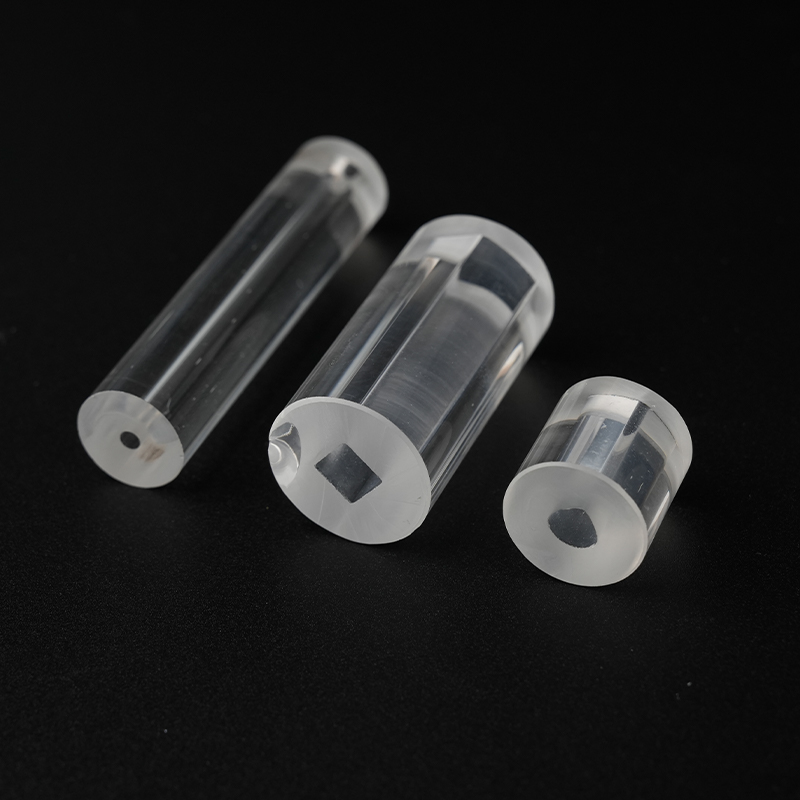
Relying on its own technical advantages, the company has developed a variety of products suitable for different markets and customer requirements, and has resolved a range of production challenges for its customers. The company's product range includes quartz glass tubes, double-hole quartz glass tubes, quartz glass rods, quartz sheets, sapphire windows, calcium fluoride glass windows, infrared and ultraviolet coatings, high-pressure resistant aluminosilicate glass window panels, quartz glass instruments, high borosilicate glass instruments, quartz crucibles, quartz gold-plated tubes, quartz heaters, quartz infrared heating tubes, far-infrared directional radiation heaters, and ultraviolet germicidal lamps, along with other special types of quartz glass products. This broad and integrated product range allows the company to support laboratories and industrial buyers seeking both quartz crucible components and related quartz glass instrument products from a single, technically capable manufacturing partner.
Frequently Asked Questions About Quartz Crucible and Laboratory Quartz Crucible Products
Q1: What is the main advantage of a quartz crucible over a ceramic crucible?
A quartz crucible has a much lower thermal expansion coefficient than most ceramic materials, which gives it stronger thermal shock resistance and more stable dimensional performance across repeated heating and cooling cycles.
Q2: What temperature can a laboratory quartz crucible safely withstand?
High purity quartz crucible products are typically rated for continuous operating temperatures up to approximately eleven hundred degrees Celsius, which covers most standard laboratory ashing and sample preparation procedures.
Q3: Why does purity level matter when choosing a quartz crucible?
Trace metallic impurities in lower purity fused silica can migrate into a sample during high temperature processing, which can distort results in sensitive gravimetric or spectroscopic analytical procedures.
Q4: What is the difference between a clear quartz crucible and an opaque fused silica crucible?
A clear quartz crucible allows visual monitoring of the sample during heating, while an opaque fused silica crucible is produced with a different internal structure that can offer slightly different thermal and optical characteristics depending on the application.
Q5: How should a quartz crucible be cooled after high temperature use?
A quartz crucible should be allowed to cool gradually on a heat resistant stand rather than being quenched in water or placed directly on a cold surface, which helps avoid localized thermal stress.
Q6: Can a quartz crucible be reused for multiple laboratory procedures?
Yes, a quartz crucible can generally be reused across many procedures provided it is properly cleaned, inspected for surface cracks or devitrification, and handled according to recommended thermal cycling practices.
Q7: What other quartz glass products are commonly used alongside a quartz crucible?
Laboratories often use quartz glass tube, quartz glass rod, quartz glass sheet, and quartz glass window components alongside a quartz crucible, since these products share similar purity and thermal expansion characteristics.
Q8: How can a laboratory verify the purity and thermal specification of a quartz crucible before purchase?
Laboratories should request documented SiO2 purity test reports and thermal specification data from the manufacturer, rather than relying only on general product descriptions, to confirm the crucible meets the requirements of their specific analytical procedure.
Featured Products
Copyright © Yancheng Mingyang Quartz Products Co., Ltd. All Rights Reserved.
Wholesale Quartz Products Manufacturer Quartz Glass Factory