

 +86-0515-86223369
  0
0 en
en English
 日本語
日本語 Español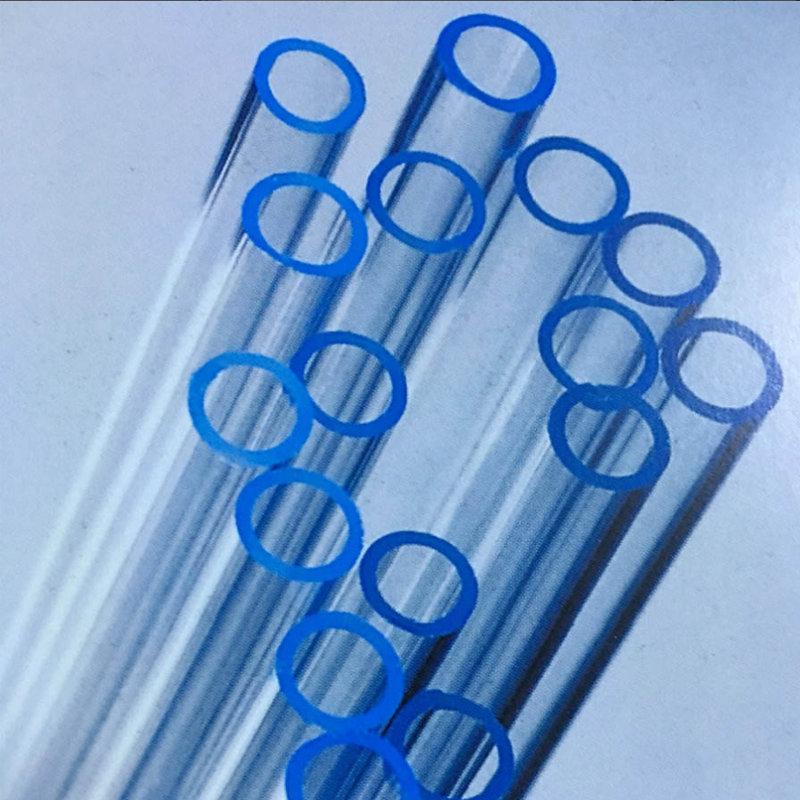


If you need any help, please feel free to contact us
 Products & Solutions
Quartz Crystal Rods & Glass Rods: Properties, Uses & Buying Guide
Content
- 1 Quartz Crystal Rods and Quartz Glass Rod: Direct Answer
- 2 Common Types and Characteristics of Quartz Glass Rod
- 3 Structure and Manufacturing Principle of Quartz Crystal Rods
- 4 Application Scenarios and Selection Criteria
- 5 Detailed Property Comparison for Quartz Glass Rod
- 6 Handling and Maintenance Guidance for Quartz Crystal Rods
- 7 Sourcing Quartz Glass Rod from a Professional Manufacturer
- 8 Frequently Asked Questions
- 8.1 Q1: What makes quartz glass rod different from ordinary glass rod?
- 8.2 Q2: What are quartz crystal rods commonly used for?
- 8.3 Q3: Can quartz glass rod withstand rapid temperature changes?
- 8.4 Q4: How should quartz crystal rods be stored to avoid damage?
- 8.5 Q5: Can quartz glass rod dimensions be customized for OEM or ODM projects?
- 8.6 Q6: Why is high purity silica important for quartz crystal rod production?
Quartz Crystal Rods and Quartz Glass Rod: Direct Answer
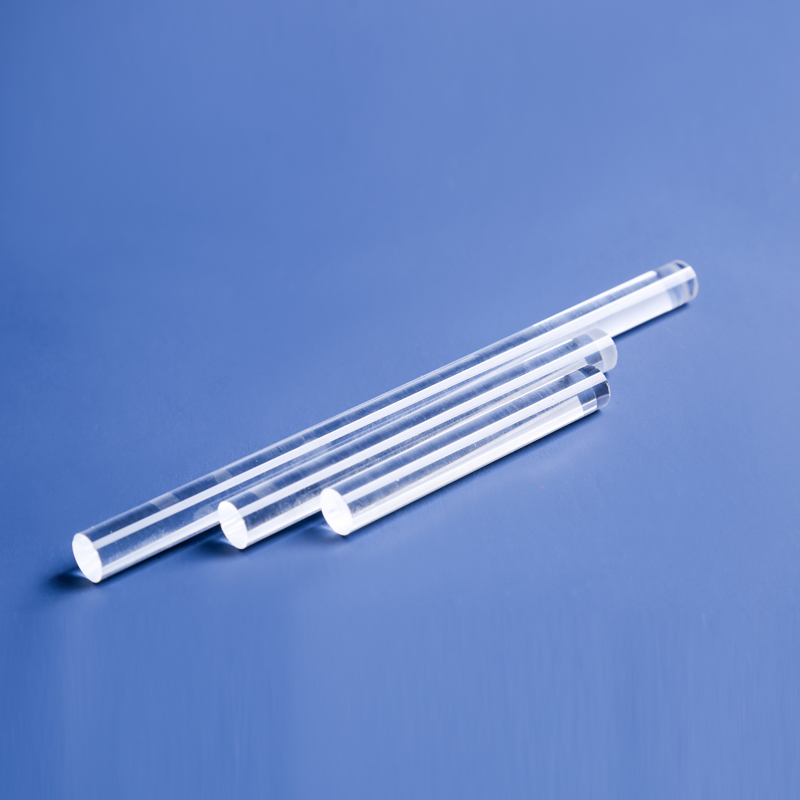
Quartz crystal rods and quartz glass rod are solid cylindrical components made from high purity fused silica, valued for their high thermal resistance, strong optical clarity, and stable chemical performance across laboratory, industrial, and instrument applications. Unlike ordinary glass rods, a quartz glass rod is produced from fused quartz with very low metallic impurity content, which allows it to withstand rapid temperature changes and maintain dimensional stability under prolonged heat exposure. This combination of properties is why quartz crystal rods are commonly selected for applications ranging from laboratory support structures to specialized instruments and sound related equipment.
Because quartz glass rod is manufactured from fused silica rather than conventional soda-lime glass, it generally offers a significantly higher softening point and better resistance to thermal shock. This makes it suitable for environments where standard glass would crack or deform under rapid heating and cooling cycles. Quartz crystal rods are also valued for their light transmission properties, which is relevant in applications where clarity or specific optical characteristics are required alongside mechanical support.
The sections below walk through the common types and characteristics of quartz glass rod, the manufacturing structure behind it, typical application scenarios, a detailed property comparison, and practical handling guidance for buyers and technical teams evaluating quartz crystal rods for a new project.
Core takeaway: quartz crystal rods and quartz glass rod combine high thermal resistance, dimensional stability, and optical clarity, making them suitable for demanding laboratory, industrial, and instrument applications.
Common Types and Characteristics of Quartz Glass Rod
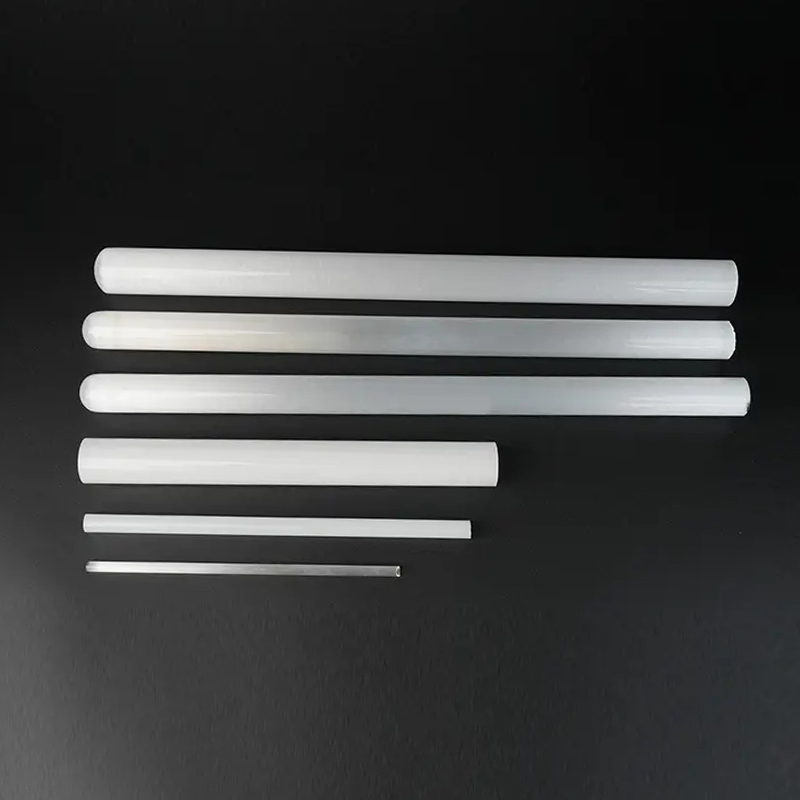
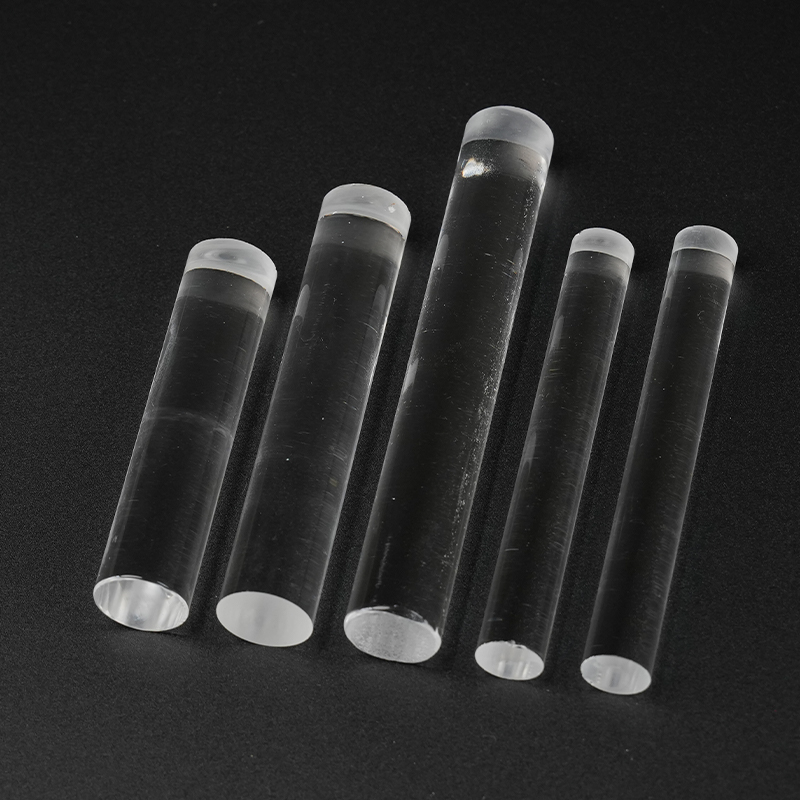
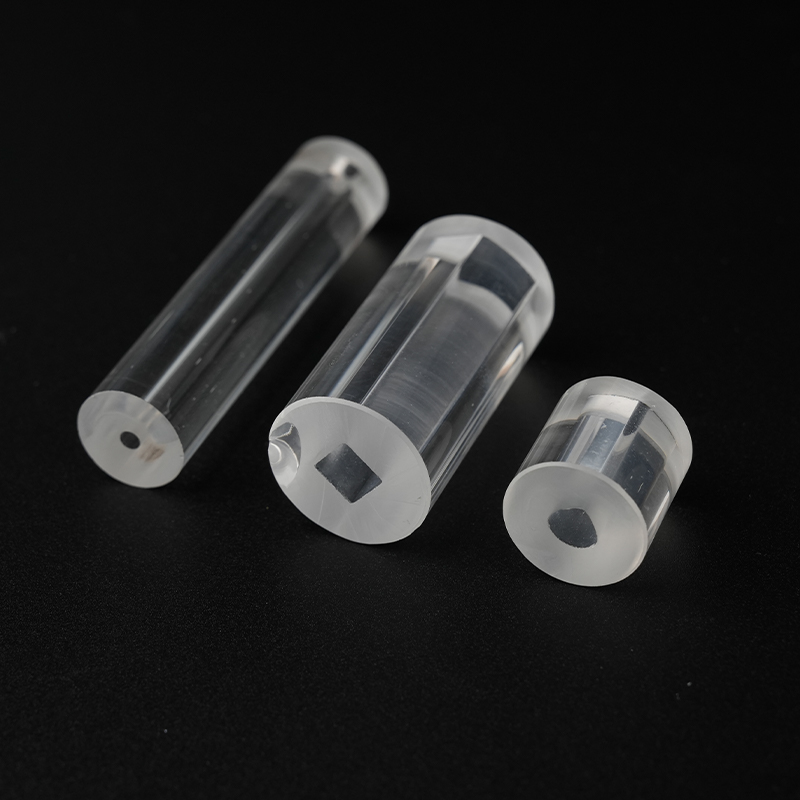
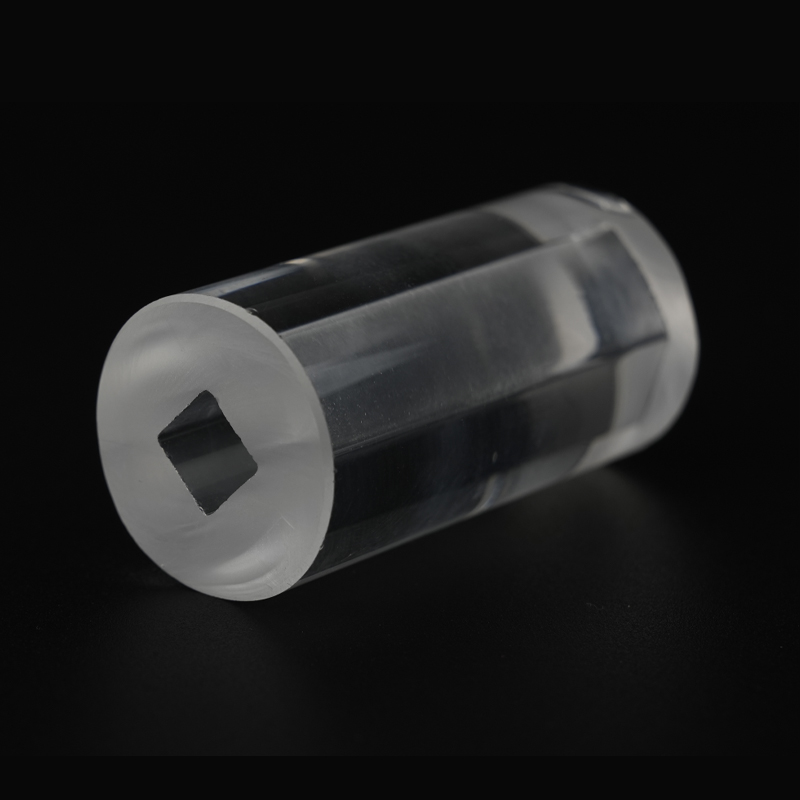
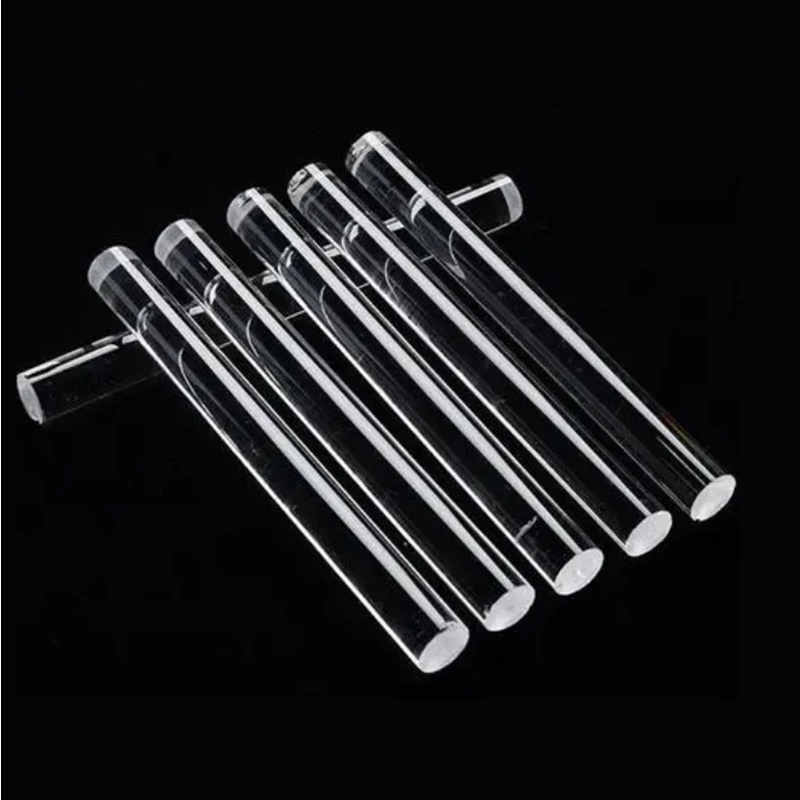
Quartz glass rod is generally produced in a few common forms depending on the intended application. Clear quartz rods are valued for their light transmission and are often used where visual inspection or optical pass-through is needed. Opaque or milky quartz rods are used in applications where light diffusion rather than transparency is preferred. Rods can also vary by diameter and length, with smaller diameter quartz crystal rods often used in precision instrument components and larger diameter rods used for structural support in furnace and laboratory equipment.
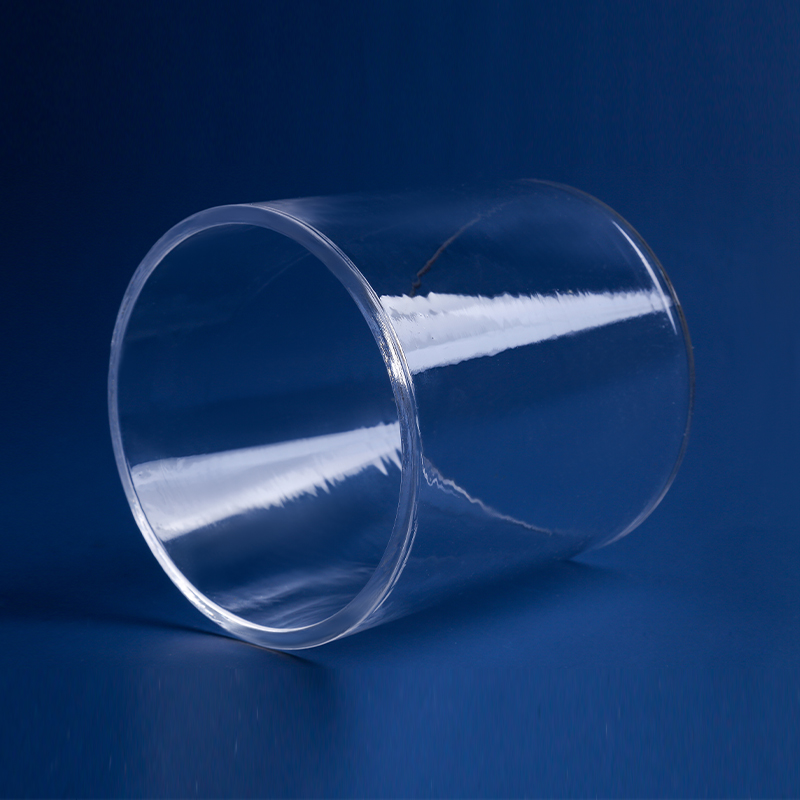
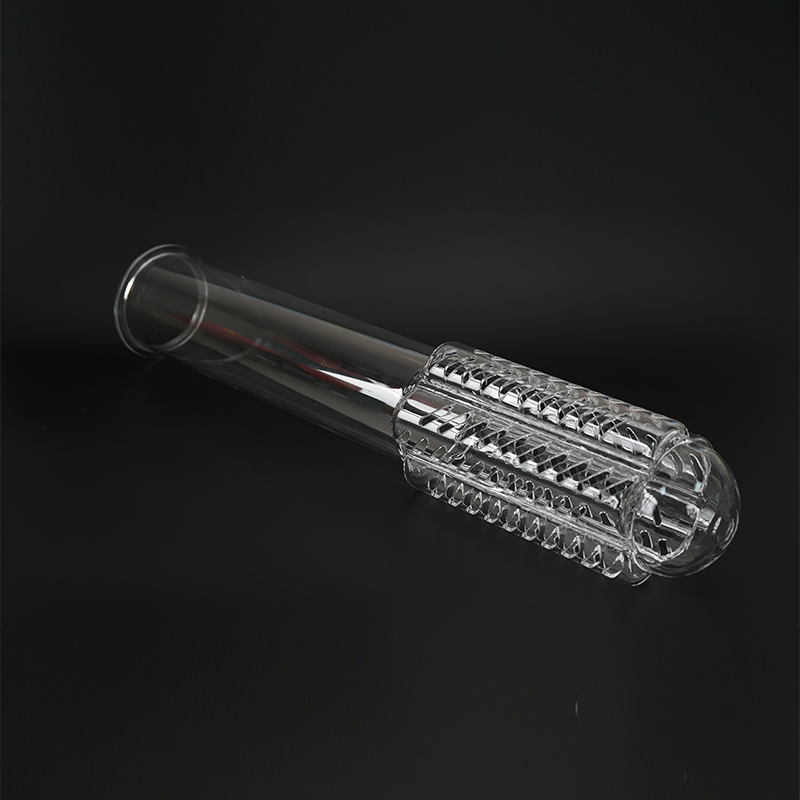
Beyond quartz glass rod, related quartz glass products commonly produced alongside rods include quartz glass tube, quartz glass sheet, quartz glass window, and quartz crucible for laboratory use. These related products often share the same base material and manufacturing approach as quartz crystal rods, which is why manufacturers producing quartz glass rod frequently also offer these adjacent product categories.
- Clear quartz glass rod: high light transmission, commonly used where optical clarity or UV transmission is relevant.
- Frosted or opaque quartz rod: diffuses light, used where uniform light scattering is preferred over transparency.
- Small diameter precision rods: used in instrument components and structural supports within compact assemblies.
- Larger diameter structural rods: used for support frameworks in furnace, laboratory, and processing equipment.
| Rod Type | Key Characteristic | Typical Use |
|---|---|---|
| Clear Quartz Rod | High light transmission | Optical and instrument applications |
| Frosted Quartz Rod | Light diffusion | Uniform illumination components |
| Precision Small-Diameter Rod | Dimensional consistency | Instrument components, sensor supports |
| Structural Large-Diameter Rod | Mechanical rigidity | Furnace and laboratory frameworks |
Core takeaway: selecting between clear, frosted, precision, or structural quartz glass rod depends primarily on optical requirements and the mechanical role the rod plays within the assembly.
Structure and Manufacturing Principle of Quartz Crystal Rods
Quartz crystal rods are produced from high purity silica raw material that is melted at extremely high temperature and then formed into a continuous rod shape, most commonly through a drawing or forming process that maintains a consistent diameter along the length of the rod. During this process, the silica is heated well beyond the softening point of conventional glass, which allows the amorphous silicon dioxide structure to be shaped while impurities are minimized through careful control of raw material purity and furnace conditions. The resulting rod has a non-crystalline, glassy internal structure, which is why the material is often referred to as fused quartz or quartz glass even though the base mineral itself is crystalline in its natural form.
Why Purity Matters in Rod Production
The purity of the raw silica used in producing quartz glass rod has a direct effect on the rod's thermal and optical performance. Higher purity material generally results in better resistance to devitrification, which is the gradual formation of crystalline structures within the glass when exposed to sustained high temperature. Devitrification can reduce mechanical strength and optical clarity over time, so manufacturers producing quartz crystal rods for demanding laboratory or industrial applications typically control raw material sourcing and furnace atmosphere closely during production. This is also why high purity quartz glass rod is often specified separately from general purpose glass rod in technical documentation.
After forming, quartz glass rod typically undergoes annealing, a controlled cooling process that relieves internal stress within the material. Without proper annealing, rods can develop internal stress points that make them more susceptible to cracking under thermal or mechanical load. Following annealing, rods are cut to specified lengths and may undergo surface finishing such as fire polishing or grinding, depending on whether the application calls for a smooth fire-polished surface or a precisely ground dimensional tolerance.
Core takeaway: raw material purity, forming consistency, and proper annealing together determine the thermal stability and mechanical reliability of finished quartz crystal rods.
Application Scenarios and Selection Criteria
Quartz crystal rods and quartz glass rod are used across a range of application areas that require a combination of thermal stability, chemical resistance, and dimensional precision. In laboratory settings, quartz rods are frequently used as structural supports within apparatus that also includes quartz crucible, quartz glass tube, and other quartz glass instruments, since matching thermal expansion characteristics across components reduces the risk of stress related failure. In industrial heating applications, quartz rods and related quartz tube heater components are selected for their ability to withstand rapid heating and cooling cycles without degrading. In sound related applications, quartz crystal rods are used as structural elements within sound healing instruments and singing bowl assemblies, where the material's acoustic resonance properties are considered alongside its durability.
| Application Area | Primary Selection Criteria |
|---|---|
| Laboratory apparatus and crucible support | Thermal stability, chemical resistance |
| Industrial heating and quartz tube heaters | Thermal shock resistance, dimensional consistency |
| Sound healing instruments and singing bowls | Acoustic resonance, structural durability |
| Optical and UV transmission components | Light transmission, surface finish quality |
When selecting a quartz glass rod for a specific project, buyers typically confirm diameter tolerance, length requirements, and surface finish alongside the intended application environment. A rod intended for high temperature furnace support will generally prioritize thermal stability and mechanical strength, while a rod intended for an optical or UV transmission component will prioritize purity and surface clarity. Working with a professional manufacturer or supplier that can confirm these specifications against a technical datasheet is a practical step before finalizing a large order, particularly for OEM or ODM projects that require rods matched to a specific existing assembly.
Core takeaway: application environment, whether thermal, optical, or acoustic, should guide the specific quartz glass rod grade, diameter, and surface finish selected for a project.
Detailed Property Comparison for Quartz Glass Rod
Comparing quartz glass rod against other common rod materials such as standard borosilicate glass and general soda-lime glass helps clarify why quartz crystal rods are specifically selected for higher demand applications. The table below summarizes general property differences commonly referenced in technical glass literature, covering thermal resistance, chemical resistance, and optical clarity.
| Property | Quartz Glass Rod | Borosilicate Glass Rod | Soda-Lime Glass Rod |
|---|---|---|---|
| Thermal Shock Resistance | Very High | Moderate to High | Low |
| Maximum Working Temperature | High | Moderate | Low |
| Chemical Resistance | High | Moderate to High | Moderate |
| UV Light Transmission | High | Limited | Very Limited |
Before reviewing the chart below, it helps to understand that thermal performance is one of the most frequently cited reasons for choosing quartz glass rod over alternative rod materials in technical literature. The comparison below presents illustrative relative values for maximum working temperature tolerance across the three material categories discussed above. These figures are intended to represent general directional differences referenced in glass material handbooks rather than exact values for a specific product batch. Readers should treat the chart as a general orientation tool rather than a precise specification. The chart is rendered with a layered three dimensional bar style to make the comparison easier to read at a glance.
The chart above shows quartz glass extending furthest along the temperature tolerance axis, which is consistent with why quartz crystal rods are chosen for applications involving repeated or extreme temperature cycling, such as furnace supports or infrared heater components. Borosilicate glass rod occupies a middle position, offering meaningfully better thermal performance than soda-lime glass but generally falling short of fused quartz in the most demanding thermal environments. Soda-lime glass rod, while widely used in general purpose applications, is typically the least suited of the three materials for high temperature or thermal cycling conditions, since it has a comparatively low softening point and higher thermal expansion coefficient. This layered pattern reinforces why technical specifications for laboratory quartz crucible, quartz glass tube, and quartz crystal rods often explicitly call out fused quartz rather than a generic glass rod designation. For buyers evaluating rod material for a new furnace, heater, or laboratory support application, this kind of temperature tolerance comparison is often the first filter applied before considering cost or lead time factors. It is also worth noting that thermal shock resistance and maximum working temperature are related but distinct properties, since a material can have a high maximum working temperature but still be vulnerable to cracking if heated or cooled too rapidly. Quartz glass rod performs strongly on both dimensions, which is part of why it remains a preferred choice for equipment that cycles between ambient and high temperature conditions repeatedly. A professional manufacturer producing quartz glass rod alongside quartz glass tube and quartz crucible can generally provide detailed technical data confirming these properties for a specific product grade. This kind of manufacturer verified data is particularly useful for OEM and ODM buyers integrating quartz rods into a larger assembly where multiple components must share compatible thermal behavior.
The radar chart below extends this comparison to include additional properties beyond temperature tolerance, namely chemical resistance and UV light transmission, so that the overall property profile of each material can be viewed together. Before reviewing it, it is useful to know that radar charts allow multiple properties to be compared visually without needing to read several separate bar charts. The values shown are again illustrative rankings drawn from general technical glass literature rather than measurements from a specific laboratory test. This radar chart uses a layered shaded rendering to give a subtle sense of depth while keeping the underlying data easy to read. Reviewing the shape formed by each material helps clarify where quartz glass rod holds a broad advantage rather than an advantage in only one specific property.
The layered radar chart shows the quartz glass rod shape extending furthest across nearly every axis, which visually reinforces its broad property advantage rather than a narrow specialization in a single characteristic. This is particularly evident on the UV transmission and maximum temperature axes, where quartz glass rod shows the clearest separation from the other two materials. Borosilicate glass rod occupies a consistent middle position across most properties, reflecting its role as a general purpose technical glass rather than a specialized high performance material. Soda-lime glass rod forms the smallest shape overall, consistent with its typical use in lower demand general purpose applications rather than laboratory or high temperature instrument contexts. It is worth noting that the mechanical rigidity axis shows less separation between the three materials, suggesting that rigidity alone is not usually the deciding factor when choosing between them; rather, thermal and optical properties tend to be the primary differentiators. For buyers sourcing quartz crystal rods for laboratory crucible support, heater components, or sound healing instrument assemblies, this broad property advantage is often the practical justification for selecting quartz glass over more common technical glass alternatives, even when the specific application does not push every property to its limit. Manufacturers offering a full range of related quartz glass products, including quartz glass tube, quartz sheet, and quartz crucible alongside quartz crystal rods, are often well positioned to confirm how these properties translate into a specific finished component. This kind of full property comparison supports more informed technical decision making during early stage project planning, particularly when multiple quartz glass components will be used together within the same assembly.
Core takeaway: quartz glass rod generally outperforms borosilicate and soda-lime glass rod across thermal resistance, chemical resistance, and UV transmission, supporting its use in demanding technical applications.
Handling and Maintenance Guidance for Quartz Crystal Rods
Although quartz glass rod is highly resistant to thermal stress, proper handling still matters for maintaining its structural integrity and optical clarity over time. Following a few practical handling guidelines can help extend the usable life of quartz crystal rods in both laboratory and industrial settings.
- Avoid mechanical impact on rod surfaces, since even minor surface chips can act as stress concentration points under thermal cycling.
- Clean rods with appropriate laboratory-grade cleaning agents to preserve surface clarity, particularly for rods used in optical or UV transmission applications.
- Store rods in a padded or divided container to prevent rod-to-rod contact that could cause surface scratching during transport or storage.
- Avoid sudden localized heating on only one section of a rod, since uneven thermal exposure across the length increases the risk of stress cracking.
- Inspect rods periodically for surface devitrification in high temperature applications, replacing components that show visible clouding or surface roughening.
In laboratory environments, quartz crystal rods are often used alongside quartz crucible and quartz glass tube components, so maintaining consistent handling standards across all quartz glass items in an assembly helps ensure uniform performance and reduces the risk of one component failing prematurely relative to others. In industrial heating applications, rods integrated with quartz tube heater or infrared heater assemblies should be inspected as part of routine equipment maintenance, since gradual surface changes can affect both mechanical strength and heating efficiency over an extended service period. A reliable manufacturer or supplier can typically provide guidance on expected service conditions for a specific rod grade, which helps buyers plan realistic maintenance and replacement schedules for equipment that relies on quartz glass rod as a structural or functional component.
Core takeaway: careful handling, proper storage, and periodic inspection for surface devitrification help maintain the structural and optical performance of quartz crystal rods over their service life.
Sourcing Quartz Glass Rod from a Professional Manufacturer
Sourcing quartz crystal rods and related quartz glass products generally involves evaluating a manufacturer's production capability, raw material sourcing practices, and experience across the specific product category needed, whether that is laboratory quartz crucible, quartz glass tube, or quartz tube heater components. A manufacturer with broad experience across multiple quartz glass product lines is often better positioned to advise on material grade selection and dimensional tolerance for a specific application, since fused quartz production techniques share common ground across rods, tubes, and sheets.
Yancheng Mingyang Quartz Products Co., Ltd. is one example of a manufacturer specializing in quartz and special glass products, operating as the production plant of Jinzhou Mingde Quartz Glass Co., Ltd. in Jiangsu. Since its establishment, the company has expanded rapidly by introducing advanced technology and production equipment sourced both domestically and internationally, while continuously refining product quality standards. The company's product range includes quartz glass tubes, double-hole quartz glass tubes, quartz glass rods, quartz sheets, sapphire windows, calcium fluoride glass windows, infrared and ultraviolet coatings, high-pressure resistant aluminosilicate glass window panels, quartz glass instruments, high borosilicate glass instruments, quartz crucibles, quartz gold-plated tubes, quartz heaters, quartz infrared heating tubes, far-infrared directional radiation heaters, and ultraviolet germicidal lamps among other special quartz glass products.
For buyers comparing a China manufacturer, China factory, or China supplier for quartz crystal rods, it is generally useful to request technical specifications alongside sample rods so that dimensional tolerance, surface finish, and optical clarity can be verified before committing to a larger production order. A wholesale supplier or exporter with broad experience across the quartz glass product category is also more likely to support OEM and ODM customization for specific rod diameters, lengths, or surface finishes tailored to a particular assembly. Working with a professional, reliable manufacturer that maintains consistent process control across its quartz glass product range can help reduce technical risk when integrating quartz crystal rods into laboratory equipment, industrial heating systems, or specialized instrument assemblies.
Core takeaway: evaluating a manufacturer's production range, raw material practices, and technical documentation is a practical way to reduce sourcing risk when purchasing quartz crystal rods or quartz glass rod.
Frequently Asked Questions
Q1: What makes quartz glass rod different from ordinary glass rod?Quartz glass rod is made from high purity fused silica, which gives it significantly higher thermal resistance, better chemical stability, and stronger UV light transmission than ordinary soda-lime glass rod. |
Q2: What are quartz crystal rods commonly used for?Quartz crystal rods are used in laboratory apparatus support, industrial heating components, optical and UV transmission parts, and structural elements within sound healing instruments. |
Q3: Can quartz glass rod withstand rapid temperature changes?Yes, quartz glass rod generally offers strong thermal shock resistance due to its low thermal expansion coefficient, allowing it to withstand rapid heating and cooling cycles better than most conventional glass materials. |
Q4: How should quartz crystal rods be stored to avoid damage?Rods should be stored in padded or divided containers to prevent surface contact damage, and should be protected from mechanical impact that could create stress concentration points. |
Q5: Can quartz glass rod dimensions be customized for OEM or ODM projects?Many quartz glass manufacturers support OEM and ODM customization of rod diameter, length, and surface finish to match specific assembly requirements. |
Q6: Why is high purity silica important for quartz crystal rod production?Higher purity silica improves resistance to devitrification at sustained high temperature, helping the rod maintain its mechanical strength and optical clarity over time. |
Featured Products
Copyright © Yancheng Mingyang Quartz Products Co., Ltd. All Rights Reserved.
Wholesale Quartz Products Manufacturer Quartz Glass Factory