

 +86-0515-86223369
  0
0 en
en English
 日本語
日本語 Español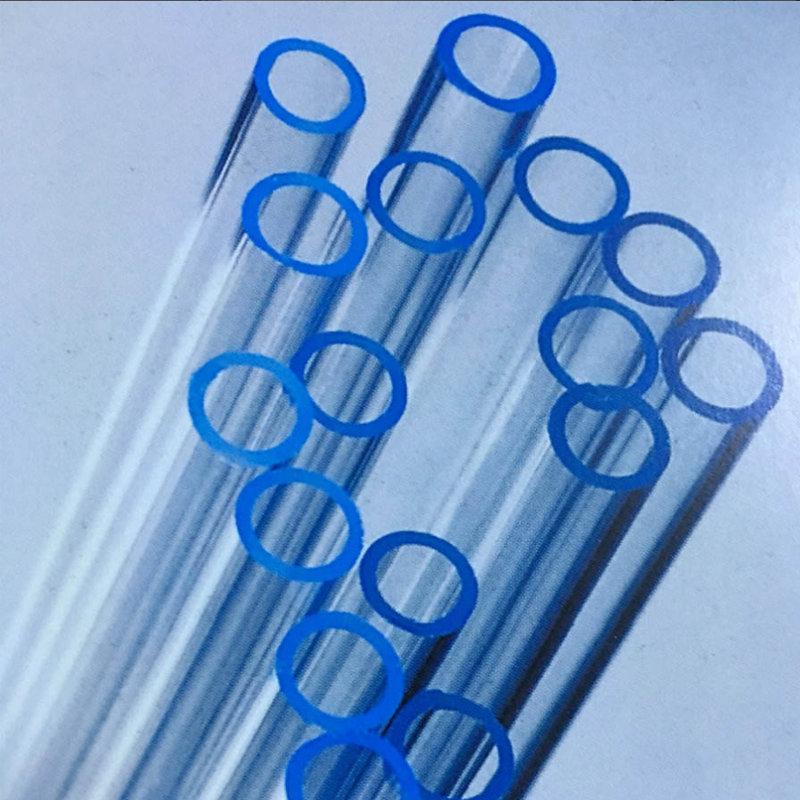


If you need any help, please feel free to contact us
 Products & Solutions
What Is a Quartz Glass Tube and What Is It Used For?
Content
- 1 What Is a Quartz Glass Tube: The Direct Answer
- 2 Key Physical and Chemical Properties That Define Quartz Glass Tubes
- 3 Primary Industrial and Scientific Applications
- 4 Quartz Glass Tube Types and Dimensional Specifications
- 5 How High Temperature Performance Is Achieved and Maintained
- 6 Selecting and Specifying a Custom Quartz Glass Tube
- 7 Handling, Cleaning, and Storage Guidelines
- 8 About Yancheng Mingyang Quartz Products Co., Ltd.
- 9 Frequently Asked Questions
What Is a Quartz Glass Tube: The Direct Answer
A Quartz Glass Tube is a hollow cylindrical component manufactured from high-purity silicon dioxide (SiO2), typically with a purity level of 99.9% or higher. Unlike ordinary borosilicate or soda-lime glass, quartz glass is produced by fusing natural quartz crystals or synthetic silica at temperatures above 1,700°C, resulting in a material with fundamentally superior thermal, optical, and chemical properties.
In practical terms, a quartz glass tube can operate continuously at temperatures up to 1,100°C and withstand short-term exposure up to 1,300°C without deforming or losing structural integrity. It transmits ultraviolet, visible, and near-infrared light with minimal absorption loss, resists attack from most acids and chemical agents, and has an extremely low coefficient of thermal expansion — just 0.55 × 10⁻⁶/°C — making it highly resistant to thermal shock. These combined properties make it the material of choice across semiconductor manufacturing, laboratory instrumentation, industrial heating, UV sterilization, and optical systems.
Key Physical and Chemical Properties That Define Quartz Glass Tubes
Understanding why quartz glass tubes are specified for demanding applications requires examining the material properties that set them apart from alternative glass types:
| Property | Quartz Glass | Borosilicate Glass | Soda-Lime Glass |
|---|---|---|---|
| Max Continuous Use Temp. | 1,100°C | 450°C | 300°C |
| Thermal Expansion Coeff. | 0.55 × 10⁻⁶/°C | 3.3 × 10⁻⁶/°C | 9.0 × 10⁻⁶/°C |
| UV Transmittance | High (150–4,500 nm) | Limited (>300 nm) | Poor |
| SiO2 Purity | ≥99.9% | ~80% | ~73% |
| Chemical Resistance | Excellent | Good | Moderate |
The combination of low thermal expansion and high thermal resistance means a high temperature quartz glass tube can be heated to 1,000°C and then plunged into cold water without cracking — a property known as thermal shock resistance that no ordinary glass can match.
Primary Industrial and Scientific Applications
Semiconductor and Photovoltaic Manufacturing
Quartz glass tubes are a foundational component in semiconductor fabrication. In diffusion furnaces and chemical vapor deposition (CVD) systems, process tubes made from high-purity quartz hold silicon wafers at temperatures between 800°C and 1,200°C while dopant gases flow through. Quartz's extremely low contamination rate — measured in parts per billion — ensures that the silicon wafers are not contaminated by trace metal ions that would degrade chip performance. Solar cell manufacturers rely on the same process tube designs for phosphorus and boron diffusion in photovoltaic cell production.
UV Sterilization and Germicidal Lamp Envelopes
Germicidal UV lamps — used in water treatment, air purification, medical device sterilization, and food processing — depend on quartz glass tube envelopes because quartz transmits the critical 254 nm germicidal UV wavelength with over 90% transmittance. Standard glass blocks nearly all UV radiation below 300 nm, making it entirely unsuitable for this purpose. Quartz UV lamps are rated for continuous output at this wavelength for 8,000–12,000 operating hours before UV output degrades below effective levels.
Industrial and Laboratory Furnace Components
In tube furnaces used for materials research, catalyst testing, and thermal processing, the reaction tube is almost universally made from quartz glass. The tube must withstand repeated thermal cycling from ambient to 900°C or above, resist chemical attack from process gases such as hydrogen, nitrogen, and reactive organic vapors, and maintain dimensional stability over thousands of hours. A high temperature quartz glass tube meets all three requirements simultaneously, which is why it remains the standard even as alternative materials have been developed.
Infrared and Halogen Heating Systems
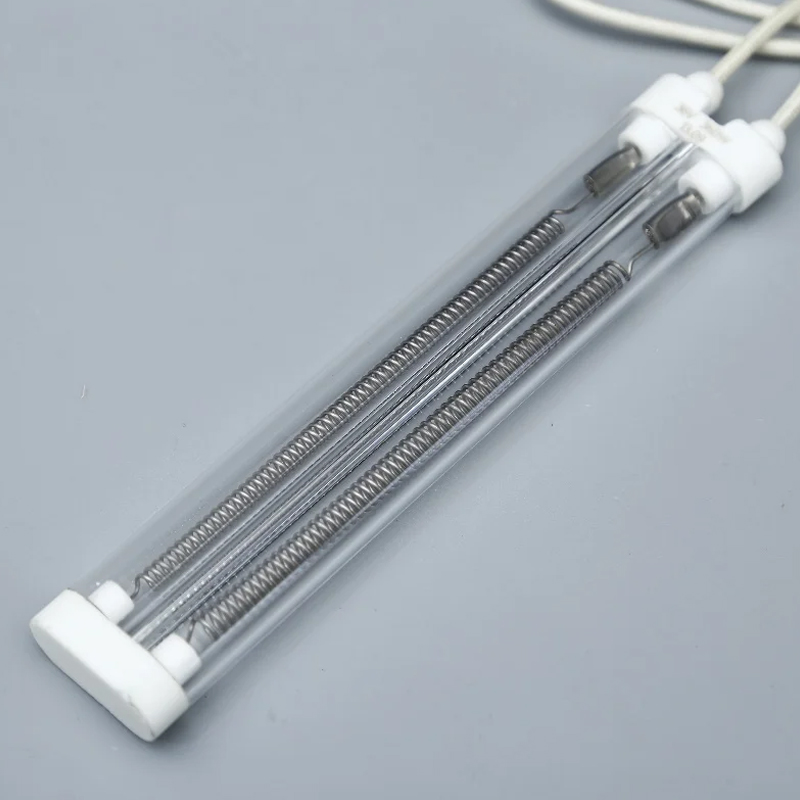
Quartz infrared heating tubes and halogen lamp envelopes use the material's combination of high temperature tolerance and infrared transmittance to deliver radiant heat efficiently. In industrial dryers, paint curing ovens, and food processing lines, quartz heating elements respond within 2–3 seconds — far faster than conventional resistance heaters — enabling precise process control and energy savings. The tube wall conducts heat away from the tungsten filament while transmitting near-infrared radiation (0.8–2.5 μm) directly to the target surface.
Optical Fiber Preform and Specialty Optics Production
The optical fiber industry uses quartz tubes as substrate tubes in the modified chemical vapor deposition (MCVD) process for producing fiber preforms. High-purity synthetic quartz with hydroxyl (OH) content below 1 ppm is required to minimize optical attenuation in the resulting fiber. Beyond fiber optics, quartz tubes serve as housings for optical sensors, spectroscopy cells, and laser gain medium enclosures, where their UV and visible light transmission is essential.
Chemical Processing and Laboratory Glassware
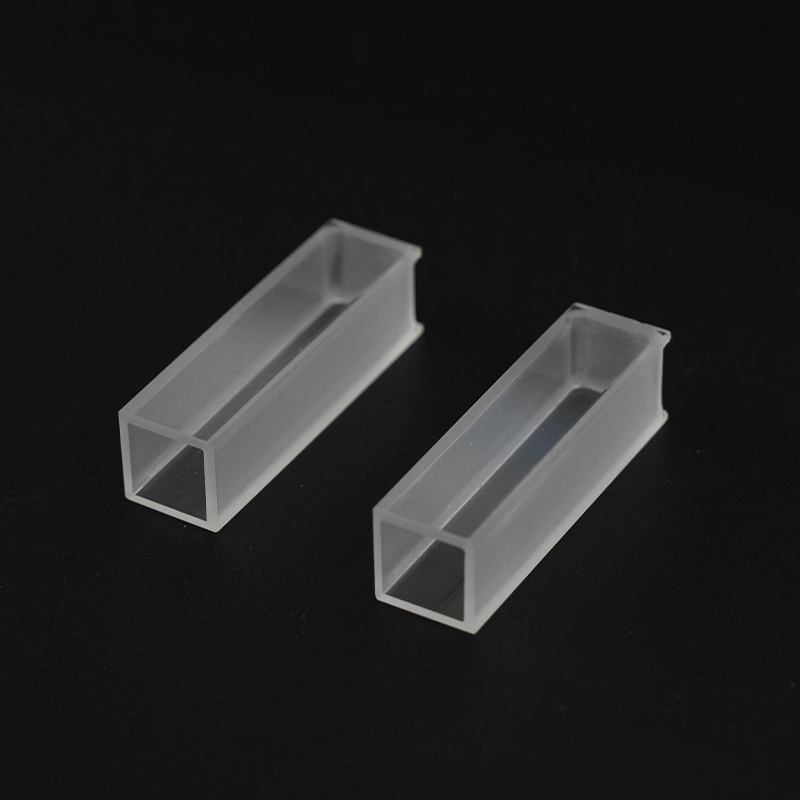
Quartz glass tubes are used in laboratory combustion analysis, flow-through reaction vessels, and high-temperature sample containment because they resist attack from hydrofluoric acid (with limitations), hydrochloric acid, sulfuric acid, and most organic solvents. In analytical chemistry, quartz cuvettes and flow cells provide a contamination-free optical window for UV-Vis spectrophotometry across the full working range of the instrument.
Quartz Glass Tube Types and Dimensional Specifications
Quartz glass tubes are produced in a range of configurations to suit specific application requirements. The most common types include:
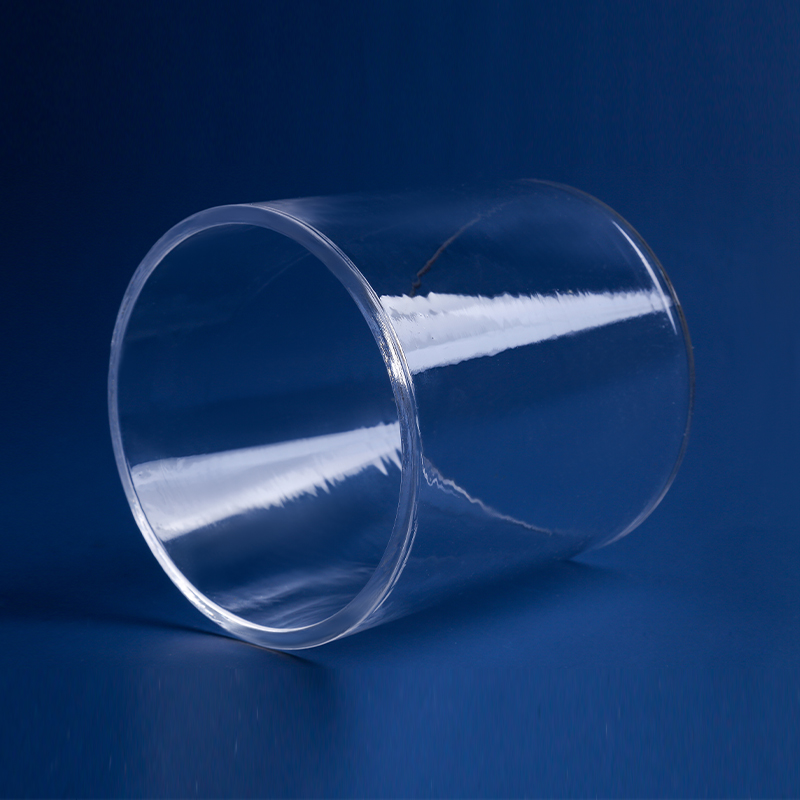
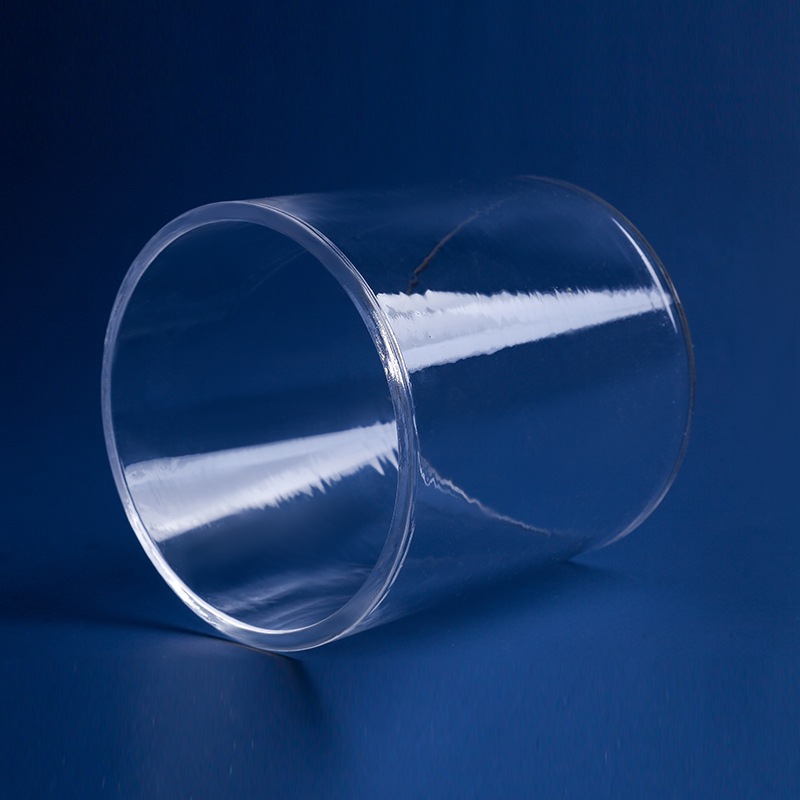
- Clear (transparent) quartz tubes — For optical, UV, and applications requiring light transmission. Suitable for wavelengths from 150 nm to 4,500 nm.
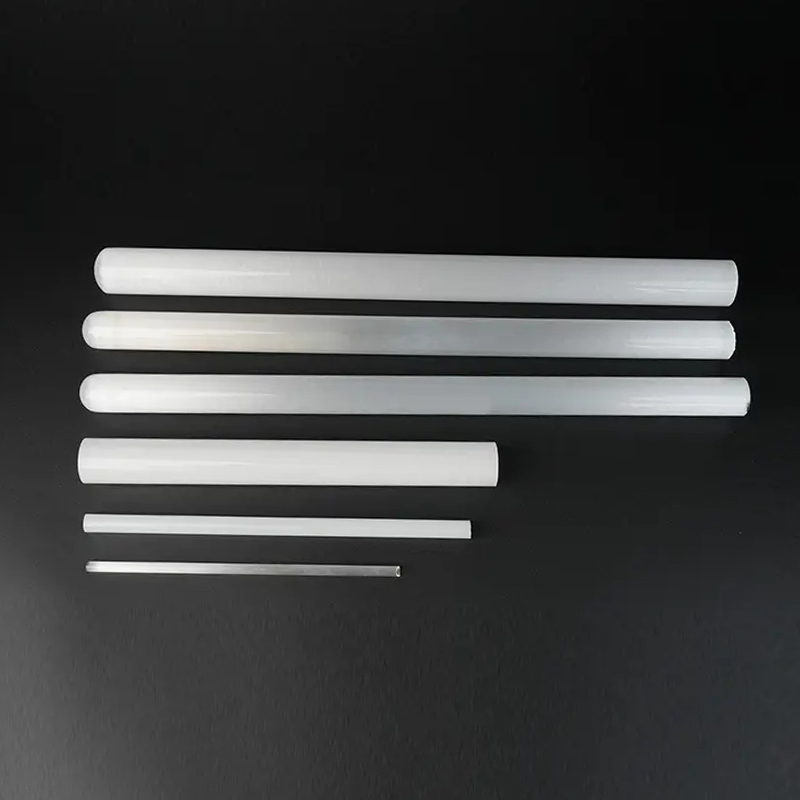
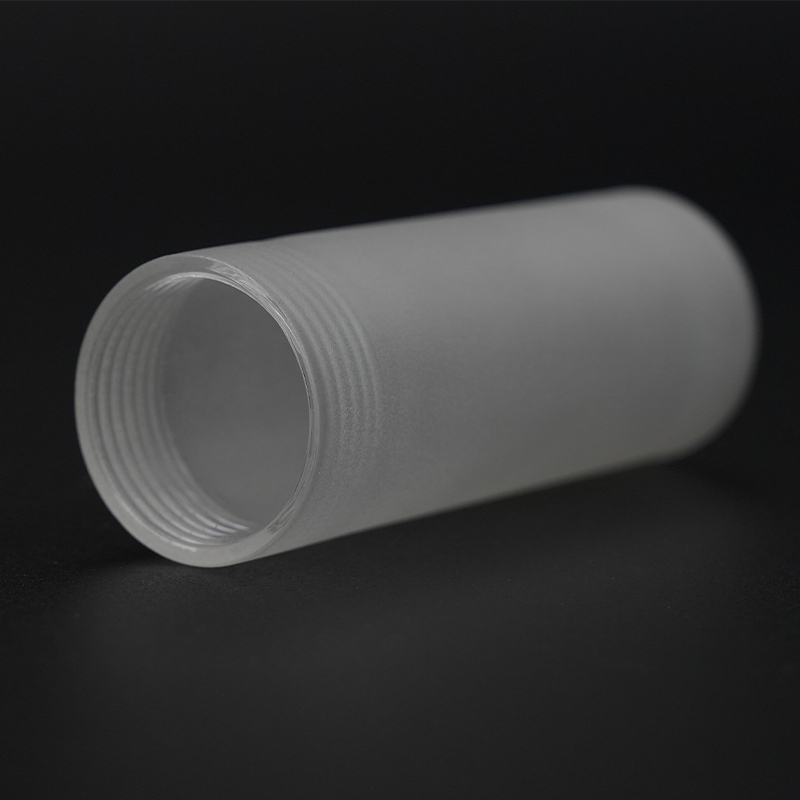
- Opaque (frosted / milky) quartz tubes — For infrared heating applications where a diffuse radiant output is preferred over directional emission.
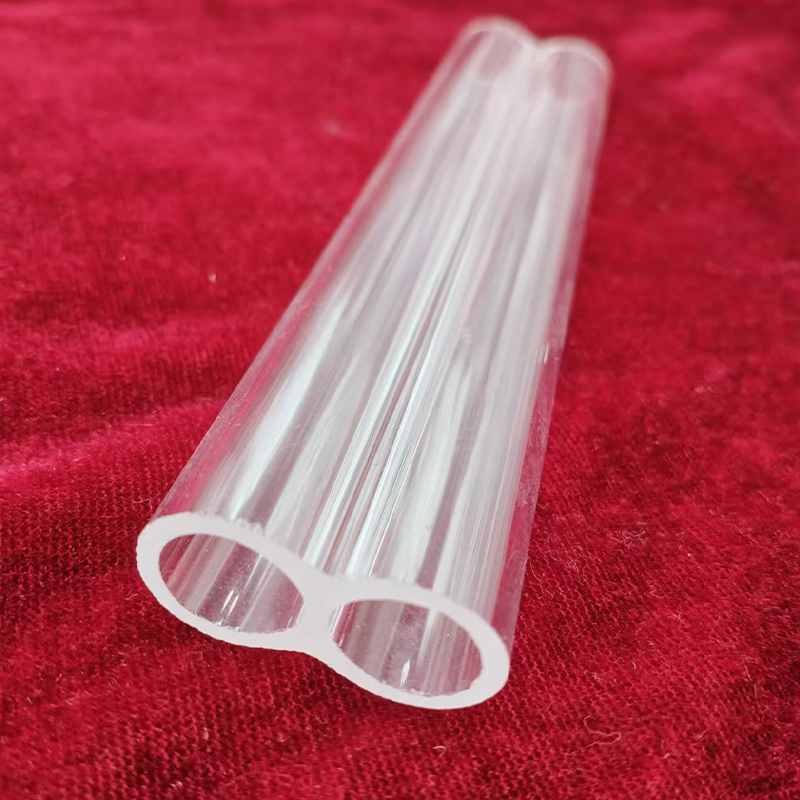
- Double-hole quartz tubes — Two parallel channels within a single tube body, used in thermocouple protection sheaths and dual-channel gas flow systems.
- Gold-coated quartz tubes — A thin reflective gold layer on the outer surface focuses infrared radiation directionally, increasing heating efficiency by up to 60% compared to uncoated tubes in the same fixture.
- Synthetic quartz tubes — Made from high-purity synthetic silica rather than natural quartz crystal, offering superior UV transmission and lower OH content for fiber optic and deep-UV applications.
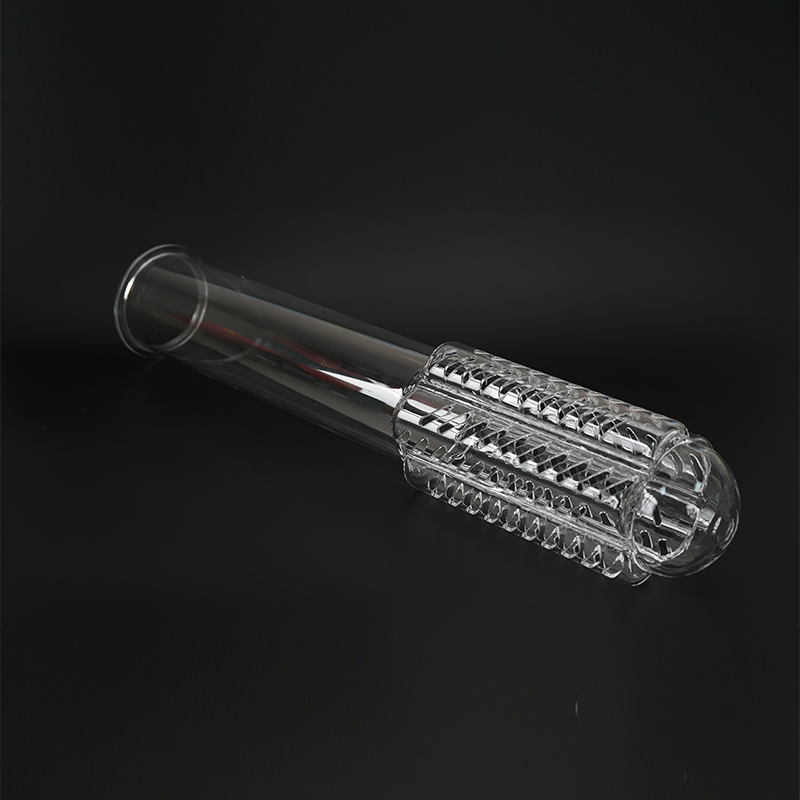
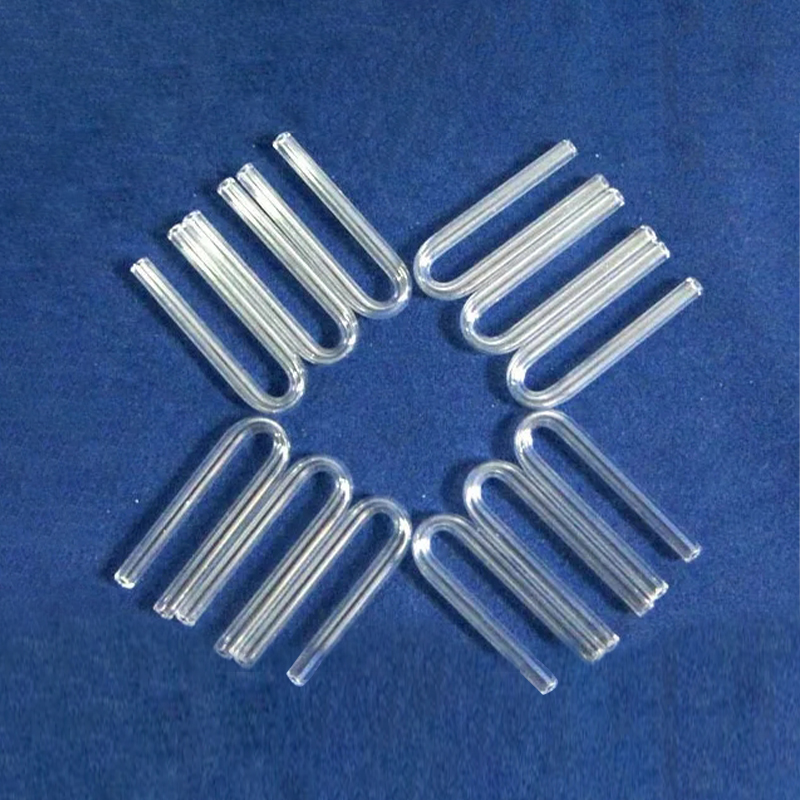
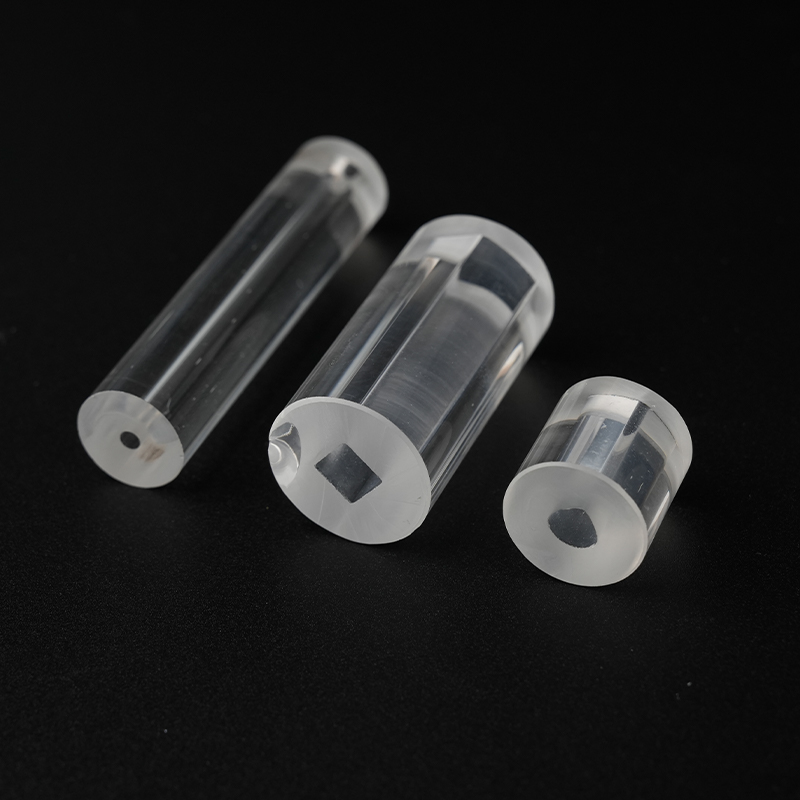
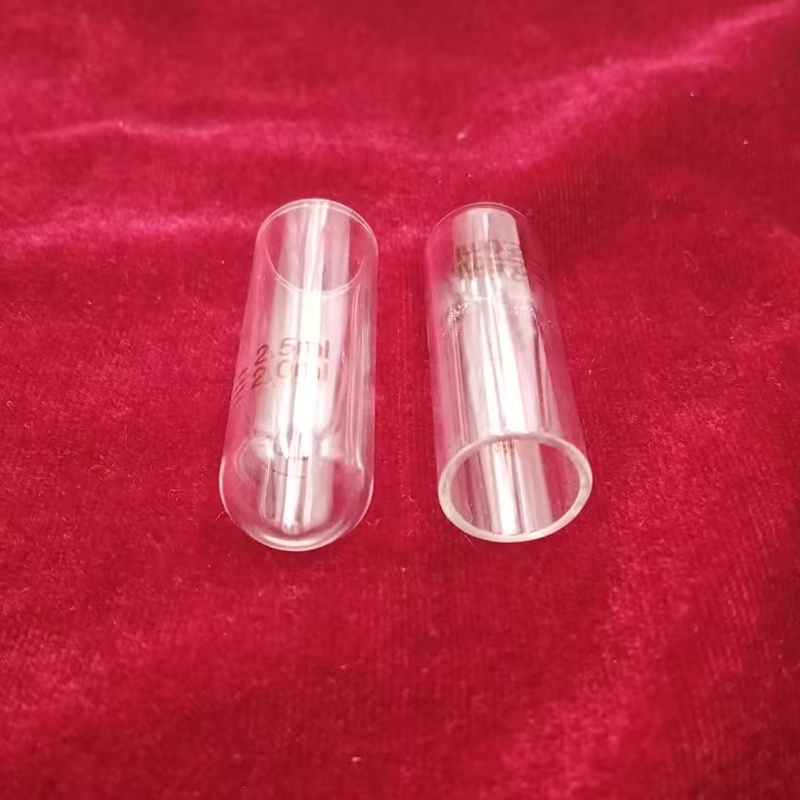
Standard outer diameters range from 2 mm to 300 mm, with wall thicknesses from 0.5 mm to 10 mm and lengths from 100 mm to 3,000 mm. A reliable custom quartz glass tube manufacturer can produce non-standard dimensions, one-end-closed tubes, flanged tubes, and tubes with internal features to meet specific instrument or process requirements.
How High Temperature Performance Is Achieved and Maintained
The exceptional thermal performance of a high temperature quartz glass tube results from the atomic structure of vitreous silica — a non-crystalline (amorphous) network of SiO4 tetrahedra with no long-range order. This structure gives quartz glass its unique combination of low thermal expansion and high softening point. Key thermal specifications to understand:
- Annealing point: ~1,120°C — temperature at which internal stresses are relieved over time
- Softening point: ~1,665°C — temperature at which the material begins to deform under its own weight
- Thermal shock resistance: Can withstand temperature differentials of over 1,000°C without fracture
- Recommended max continuous service temperature: 1,100°C (prolonged use above this causes devitrification — crystallization of the glass surface)
Devitrification — the gradual conversion of amorphous quartz glass to crystalline cristobalite at temperatures above 1,050°C over extended periods — is the primary limitation on service life in high-temperature furnace applications. Once devitrification begins at the tube surface, the material becomes brittle and prone to cracking during thermal cycling. Proper cleaning of the tube surface (removing alkali contamination from fingerprints, for example) before high-temperature use significantly extends service life by delaying the onset of devitrification.
Selecting and Specifying a Custom Quartz Glass Tube
Choosing the correct quartz glass tube for a given application requires specifying several interdependent parameters. Working with a qualified custom quartz glass tube manufacturer ensures these parameters are optimized together rather than selected independently:
- Purity grade: Standard (natural quartz, 99.9% SiO2) vs. high-purity synthetic (99.999% SiO2) — the latter is required for semiconductor and deep-UV applications where trace metal contamination must be minimized.
- OH content: For UV lamp and optical applications, specify low-OH (<5 ppm) to maximize UV transmittance. For infrared heating, high-OH grades are acceptable and often more economical.
- Dimensional tolerances: Outer diameter tolerance is typically ±0.3 mm for standard tubes; tighter tolerances (±0.1 mm or better) are available for precision instrument applications at custom manufacturing cost.
- Surface finish: Fire-polished inner surfaces are standard; ground and polished surfaces are available for optical path applications where surface scatter must be minimized.
- End configuration: Open ends (standard), one end closed, flanged, or tapered to specific fitting geometries for integration into instruments or process systems.
- Coating: Gold-reflective coating, anti-reflective coating for optical use, or opacifying treatment for diffuse infrared emission — each serves a distinct functional purpose.
Handling, Cleaning, and Storage Guidelines
Quartz glass tubes are chemically inert but mechanically brittle. Correct handling significantly extends service life:
- Always handle with clean cotton or nitrile gloves. Skin oils and alkali from fingerprints accelerate devitrification when the tube is used above 900°C.
- Clean the exterior with a 10% hydrochloric acid (HCl) solution followed by a deionized water rinse before high-temperature use in critical applications.
- Store vertically or horizontally on padded supports — do not allow tubes to rest on hard surfaces without cushioning, as point contact stress can cause fracture during thermal expansion.
- Avoid contact with hydrofluoric acid (HF) at any concentration — HF etches quartz glass rapidly and irreversibly.
- When installing in a furnace, allow the tube to reach furnace temperature gradually rather than inserting a cold tube into a hot furnace, even though quartz's thermal shock resistance is high — gradual heating is best practice for maximum tube longevity.
About Yancheng Mingyang Quartz Products Co., Ltd.
Yancheng Mingyang Quartz Products Co., Ltd. is a specialized manufacturer of quartz and special glass products, serving as the Jiangsu production base of Jinzhou Mingde Quartz Glass Co., Ltd. Since its establishment, the company has grown rapidly by integrating advanced domestic and international technology with continuous investment in production equipment and quality systems.
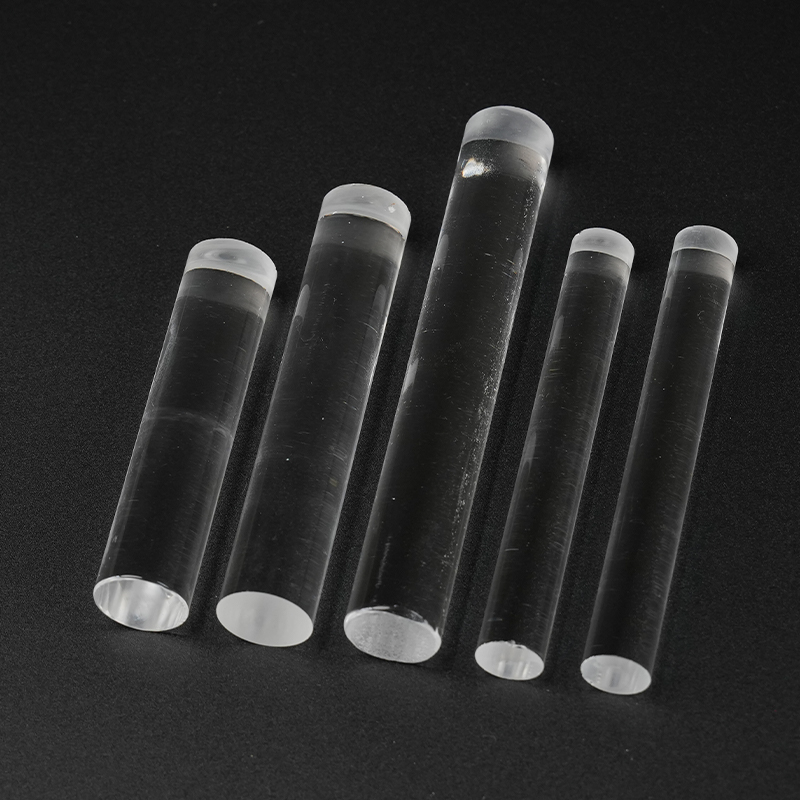
As a comprehensive Quartz Glass Tube supplier, the company's product range covers quartz glass tubes, double-hole quartz glass tubes, quartz glass rods, quartz sheets, sapphire windows, calcium fluoride glass windows, infrared and ultraviolet coatings, high-pressure aluminosilicate glass window panels, quartz glass instruments, high borosilicate glass instruments, quartz crucibles, quartz gold-plated tubes, quartz heaters, quartz infrared heating tubes, far-infrared directional radiation heaters, and ultraviolet germicidal lamps — among other specialty quartz glass products.
With strong technical expertise, advanced equipment, complete testing methods, and professional design capabilities, Yancheng Mingyang operates as a one-stop resource for product development, production, and delivery. The company has consistently upheld the business philosophy of quality and fair service, earning recognition from customers both in China and in international markets. Whether the need is a standard high temperature quartz glass tube for industrial use or a precision-specified component from a dedicated custom quartz glass tube manufacturer, Yancheng Mingyang is positioned to meet the requirement with verified quality and reliable supply.
Frequently Asked Questions
Q1: What is the maximum temperature a quartz glass tube can handle?
Quartz glass tubes can be used continuously at up to 1,100°C and can withstand short-term exposure up to 1,300°C. Prolonged use above 1,050°C may cause devitrification (surface crystallization), which reduces tube life. Always refer to the manufacturer's specification sheet for the specific grade of tube being used.
Q2: Can a quartz glass tube be used in direct contact with chemicals?
Quartz glass is highly resistant to most acids, including hydrochloric, sulfuric, and nitric acids, as well as most organic solvents. It is not resistant to hydrofluoric acid (HF) or hot concentrated phosphoric acid, which will etch and damage the glass surface.
Q3: What is the difference between clear and opaque quartz glass tubes?
Clear (transparent) quartz glass transmits UV, visible, and near-infrared light and is used in optical, UV germicidal, and laboratory applications. Opaque (milky) quartz glass contains microscopic bubbles that diffuse light and emit infrared radiation more uniformly, making it better suited for industrial heating applications where even heat distribution is required.
Q4: How does a quartz glass tube differ from a borosilicate glass tube?
Quartz glass is nearly pure SiO2 (≥99.9%), while borosilicate glass contains approximately 80% SiO2 plus boron oxide and other additives. This gives quartz glass a significantly higher maximum use temperature (1,100°C vs. 450°C), lower thermal expansion, better UV transmittance, and superior chemical resistance — at a higher manufacturing cost.
Q5: Can quartz glass tubes be ordered in custom dimensions?
Yes. A qualified custom quartz glass tube manufacturer can produce tubes to non-standard outer diameters, wall thicknesses, and lengths, as well as with custom end configurations (one end closed, flanged, tapered) and surface treatments. Providing detailed technical drawings ensures the manufactured component meets the required dimensional and performance specifications.
Q6: Why do quartz glass tubes turn milky or white after high-temperature use?
The milky or opaque appearance after high-temperature use is caused by devitrification — the partial conversion of amorphous quartz glass to crystalline cristobalite. It typically begins at surface contamination sites (fingerprints, mineral deposits). Once devitrification is visible, the structural integrity of the tube is reduced and it should be replaced. Keeping the tube surface clean before use is the most effective preventive measure.
Featured Products
Copyright © Yancheng Mingyang Quartz Products Co., Ltd. All Rights Reserved.
Wholesale Quartz Products Manufacturer Quartz Glass Factory