

 +86-0515-86223369
  0
0 en
en English
 日本語
日本語 Español


If you need any help, please feel free to contact us
 Products & Solutions
What is the difference between quartz and silica crucibles?
Content
While the terms are often used interchangeably in casual conversation, the primary difference between quartz and silica crucibles lies in their molecular structure, manufacturing process, and purity levels. Quartz crucibles are typically made from high-purity natural quartz crystals or synthetic precursors, resulting in a crystalline or highly transparent fused structure. Silica crucibles (often referring to fused silica or opaque silica) are generally made from refined sand and possess a non-crystalline (amorphous) structure with a higher tolerance for thermal shock but slightly lower chemical purity.
In short, if your application requires the highest chemical inertness and transparency (such as semiconductor wafer growth), quartz is the standard. If your application involves rapid temperature cycling and melting of non-ferrous metals at a lower cost, fused silica is the preferred industrial choice.
Material Composition and Structural Integrity
Crystalline vs. Amorphous States
Quartz is a naturally occurring crystalline form of silicon dioxide ($SiO_2$). When we talk about quartz crucibles, we are usually referring to fused quartz. This material is created by melting high-purity natural quartz crystals at temperatures exceeding 2000°C. The resulting material retains a high level of structural "memory" and extreme purity, often exceeding 99.99% $SiO_2$.
Silica crucibles, specifically those categorized as fused silica, are made from silica sand. While chemically the same ($SiO_2$), the source material contains more trace elements (like Aluminum, Iron, and Calcium). During production, the silica is melted and cooled rapidly to prevent crystallization, forming a "glassy" amorphous state. This lack of crystalline structure is what gives silica crucibles their superior resistance to thermal expansion.
Purity and Trace Elements
Purity is the deciding factor in high-tech manufacturing. Quartz crucibles used in the Czochralski (CZ) process for pulling silicon ingots must have total impurity levels of less than 50 ppm (parts per million). Any leaching of metals from the crucible into the molten silicon would ruin the electrical properties of the resulting semiconductor. Silica crucibles, while still clean, may have impurity levels in the 100-500 ppm range, making them better suited for foundry work than electronics.
Thermal Performance and Heat Resistance
The ability to withstand extreme heat is a hallmark of both materials, but they respond differently to "thermal shock"—the rapid change in temperature that causes materials to crack.
- Softening Point: Fused quartz has a slightly higher softening point, typically around 1680°C, whereas fused silica may begin to soften closer to 1600°C depending on its impurity content.
- Coefficient of Thermal Expansion (CTE): Both materials have an incredibly low CTE, approximately $5.5 \times 10^{-7} / °C$. This means they barely expand when heated.
- Thermal Shock Resistance: Fused silica is the king of thermal shock. You can heat a silica crucible to 1100°C and plunge it into cold water without it shattering. Quartz crucibles are also resilient but are more prone to "devitrification" (re-crystallizing) if held at high temperatures for too long.
Devitrification is a significant concern for quartz. When heated above 1150°C for extended periods, the amorphous fused quartz begins to transform back into a crystalline state (cristobalite). This transition creates a white, cloudy appearance and makes the crucible brittle, eventually leading to structural failure.
Comparison of Physical and Chemical Properties
| Property | Fused Quartz Crucible | Fused Silica Crucible |
|---|---|---|
| $SiO_2$ Content | > 99.99% | 99.5% - 99.8% |
| Max Working Temp | 1200°C (Continuous) | 1100°C (Continuous) |
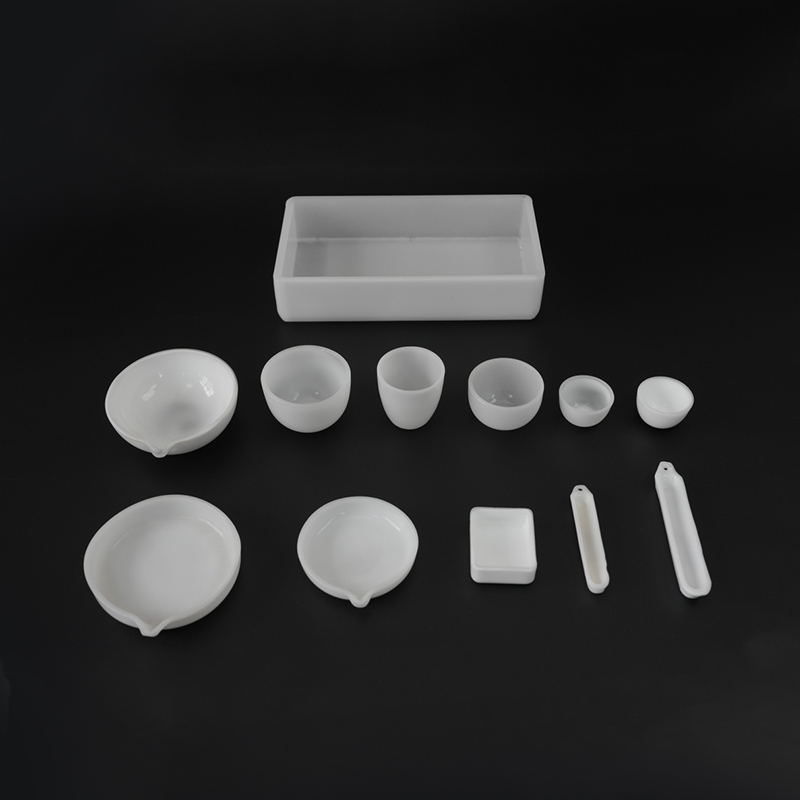
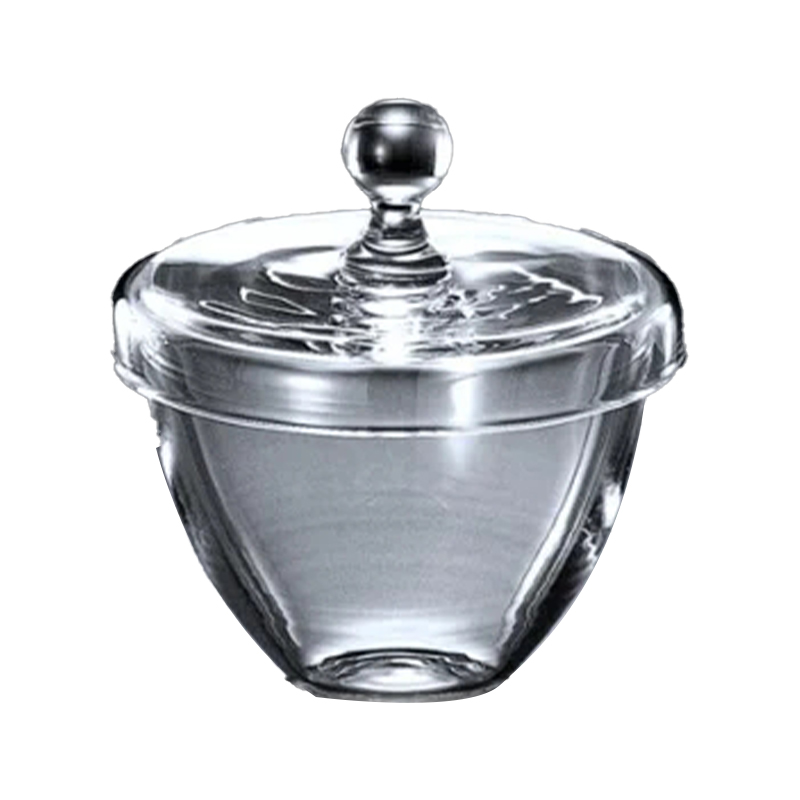
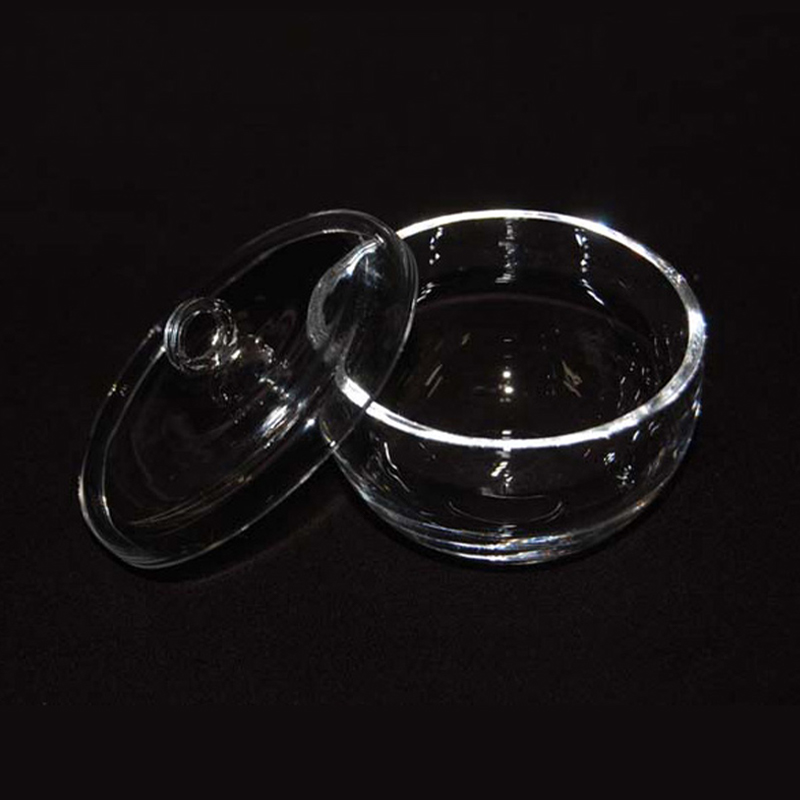
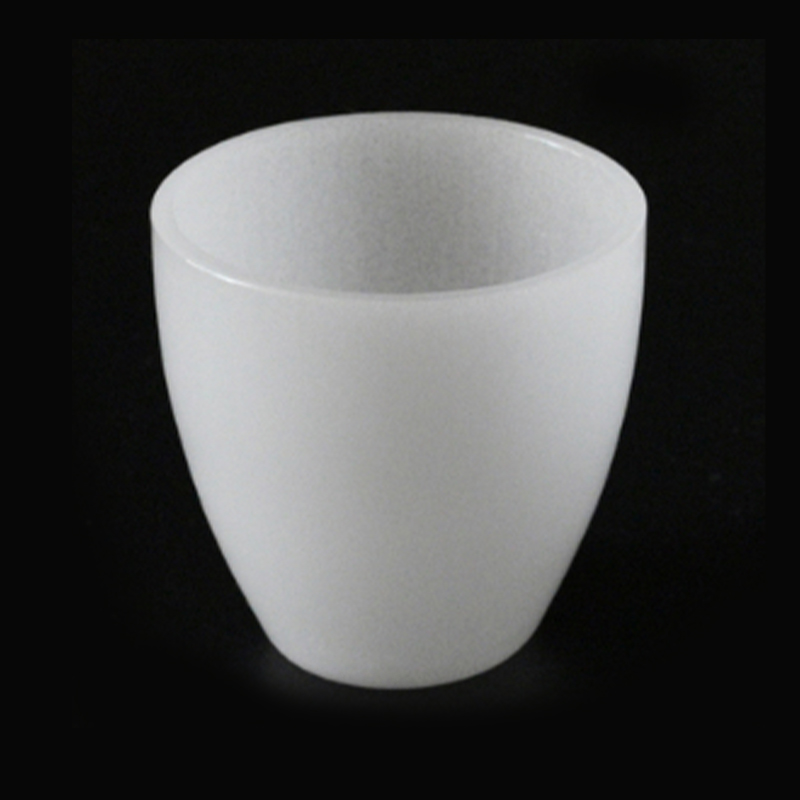
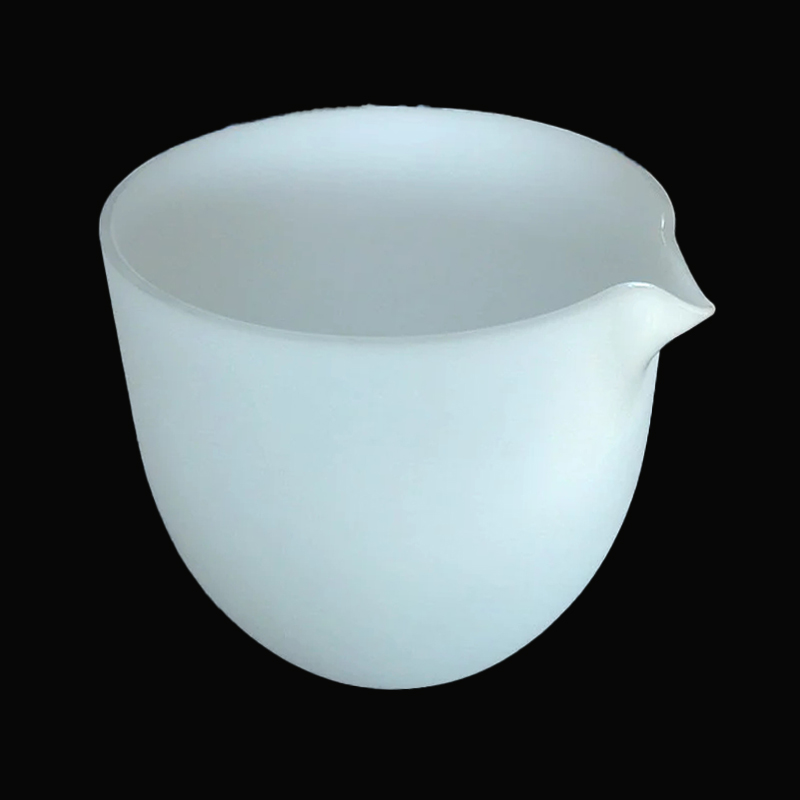
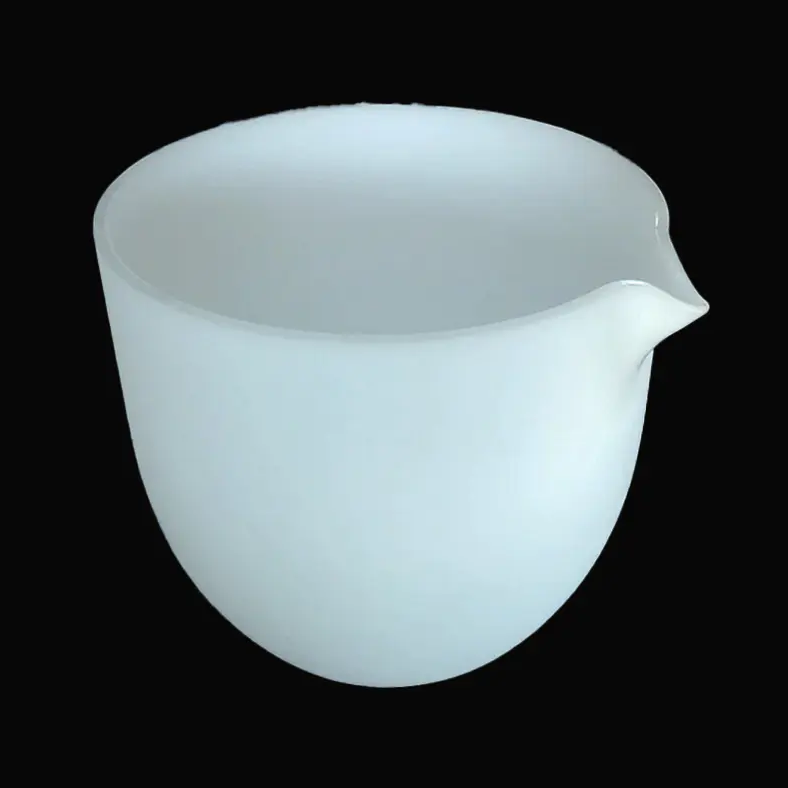
| Visual Appearance | Transparent / Clear | Opaque / Milky White |
| Thermal Shock Resistance | Excellent | Superior |
| Main Application | Semiconductors, Lab Analysis | Foundry, Precious Metal Melting |
Applications and Industrial Use Cases
When to Choose Quartz Crucibles
Quartz crucibles are the gold standard for high-purity chemical reactions. Because they are virtually free of alumina and boron, they do not contaminate the samples inside. Common uses include:
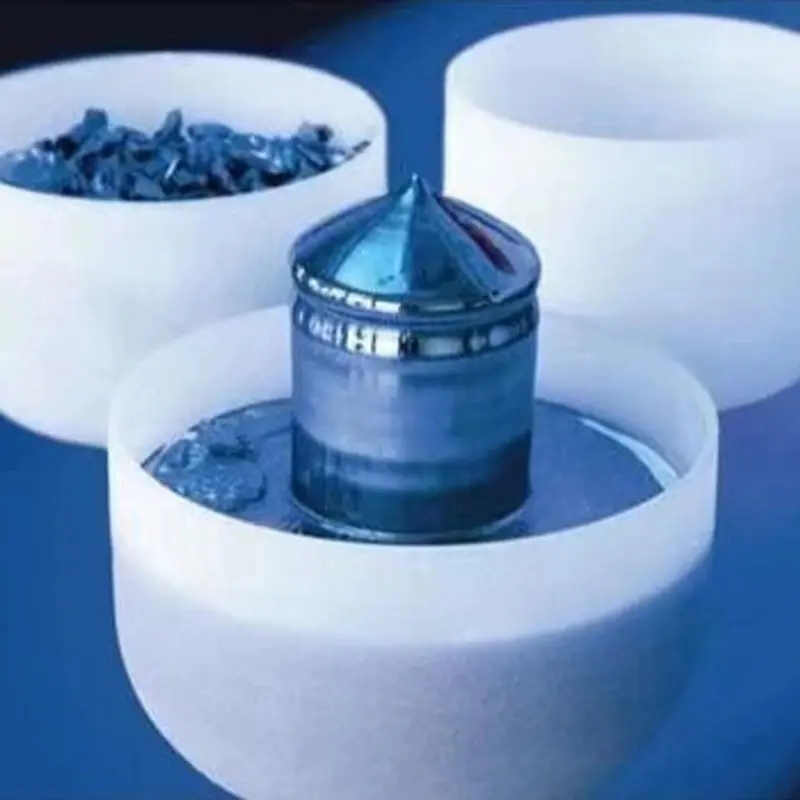
- Monocrystalline Silicon Growth: Large quartz crucibles are used to hold molten silicon at temperatures around 1420°C for days at a time to grow silicon ingots for solar cells and computer chips.
- Laboratory Acid Digestion: Since quartz is resistant to most acids (except hydrofluoric and hot phosphoric acid), it is ideal for dissolving samples in strong mineral acids.
- Optical Fiber Production: The high UV transparency of quartz is essential for melting preforms used in fiber optics.
When to Choose Silica Crucibles
Fused silica crucibles are more mechanically robust and cost-effective for heavy industrial work. Their opaque nature is due to microscopic air bubbles trapped during the melting of silica sand, which actually helps with insulation. Common uses include:
- Precious Metal Refining: Melting gold, silver, and platinum requires a crucible that can handle intense heat from an induction furnace without cracking.
- Glass Manufacturing: Used as small-scale melting pots for specialty glass batches.
- Investment Casting: Silica-based ceramic shells and crucibles are standard in foundries due to their dimensional stability.
Maintenance and Longevity Factors
The lifespan of these crucibles is dictated by their environment. Chemical corrosion and physical handling are the two biggest threats. Quartz crucibles are particularly sensitive to alkaline metals (Sodium, Potassium). Even a fingerprint can introduce enough sodium to act as a catalyst for devitrification, causing the crucible to fail prematurely at high temperatures.
To extend the life of a quartz or silica crucible, follow these steps:
- Wear Gloves: Never touch the interior or exterior of a high-purity crucible with bare hands. Use lint-free gloves to prevent oil and salt contamination.
- Controlled Cooling: While fused silica handles shock well, quartz should be cooled at a rate of no more than 5°C per minute when crossing the devitrification range (around 1000°C to 1200°C).
- Proper Cleaning: Use a 10% nitric acid bath to remove metallic impurities, followed by multiple rinses with deionized water.
Conclusion: Summary of Choice
Choosing between quartz and silica depends entirely on your purity requirements vs. thermal shock needs. If you are working in a cleanroom environment or growing crystals where a single atom of iron could spoil the batch, the high-purity quartz crucible is mandatory. However, for most metallurgy, jewelry making, and general high-heat applications where the crucible is repeatedly moved in and out of a furnace, the fused silica crucible offers better durability and value.
By understanding the 99.99% purity threshold of quartz versus the thermal shock dominance of silica, engineers and technicians can ensure they select the material that maximizes both safety and output quality.
Featured Products
Copyright © Yancheng Mingyang Quartz Products Co., Ltd. All Rights Reserved.
Wholesale Quartz Products Manufacturer Quartz Glass Factory