Abrasion Resistant Quartz

Abrasion Resistant Quartz

-- Steady & Reliable Manufacturer --

Introducing Advanced Abrasion Resistant Quartz Components

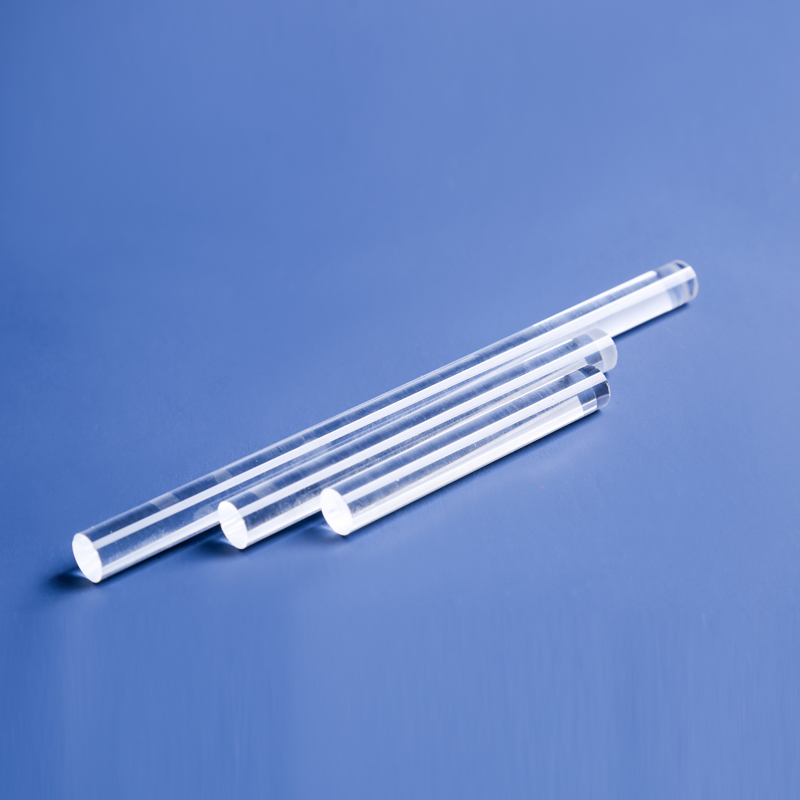
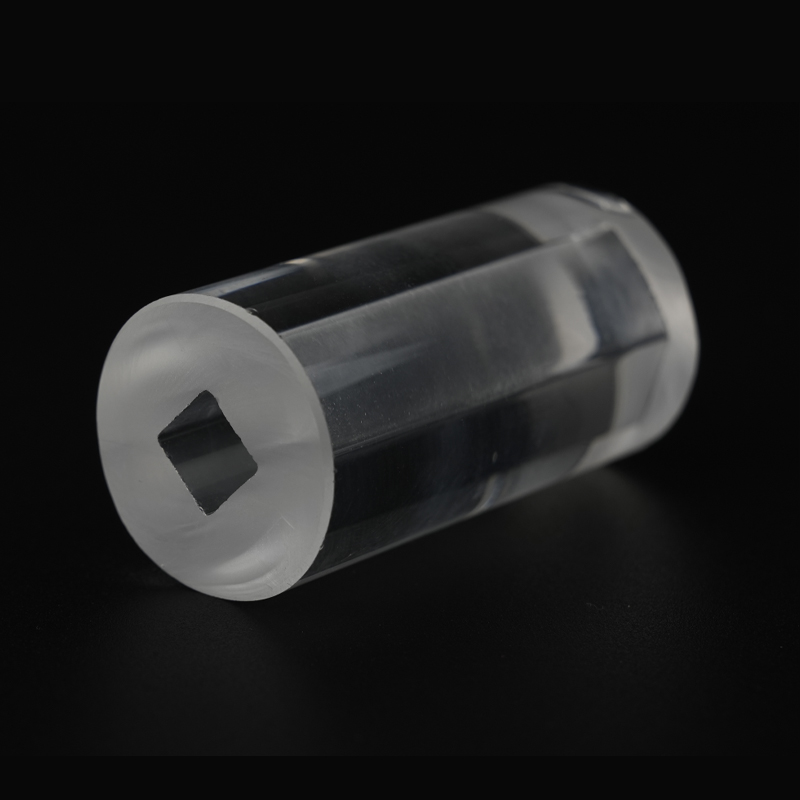
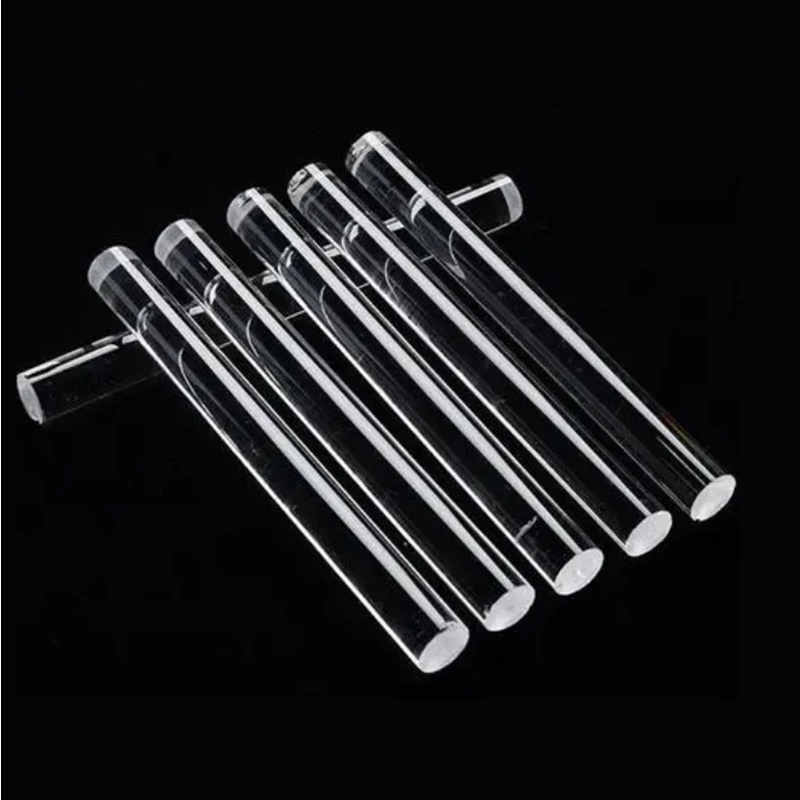
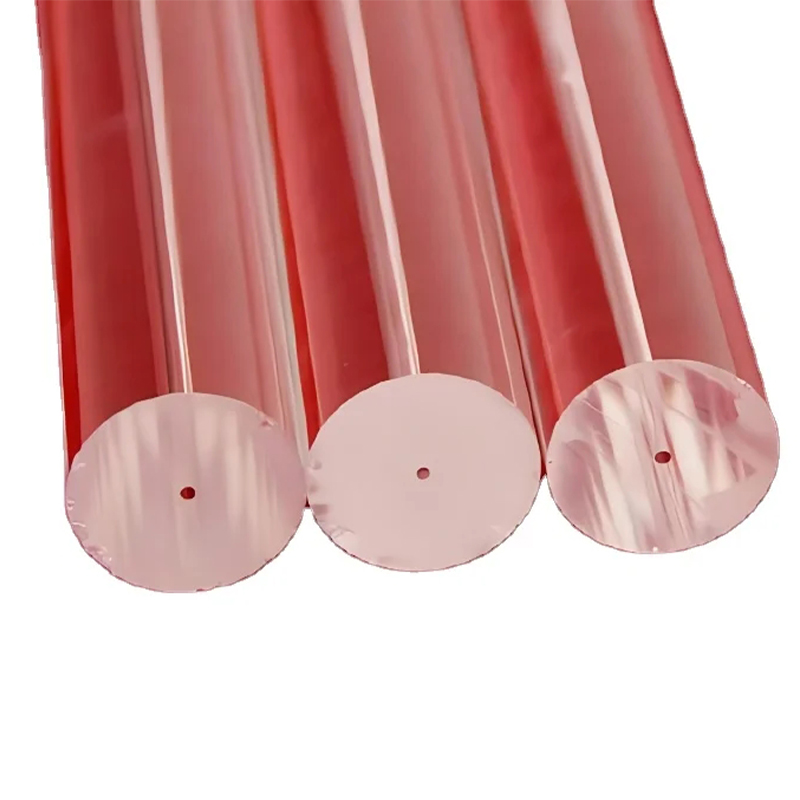
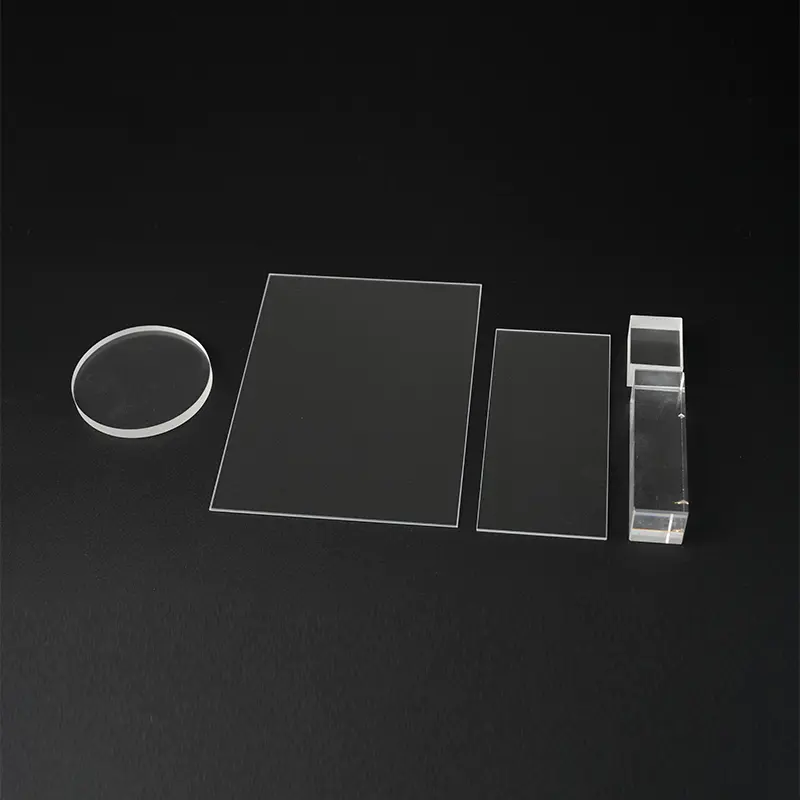
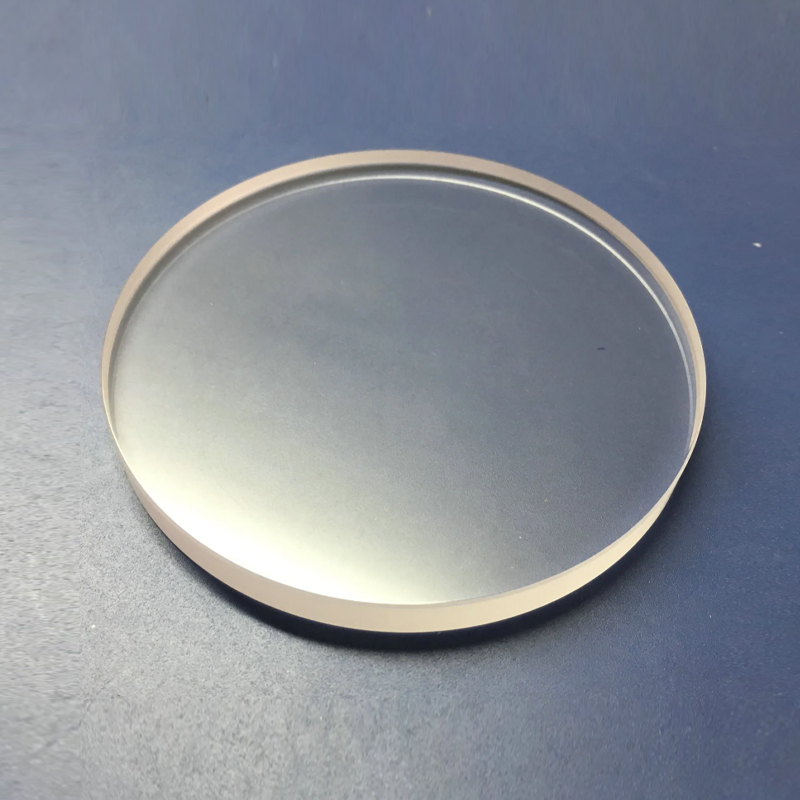
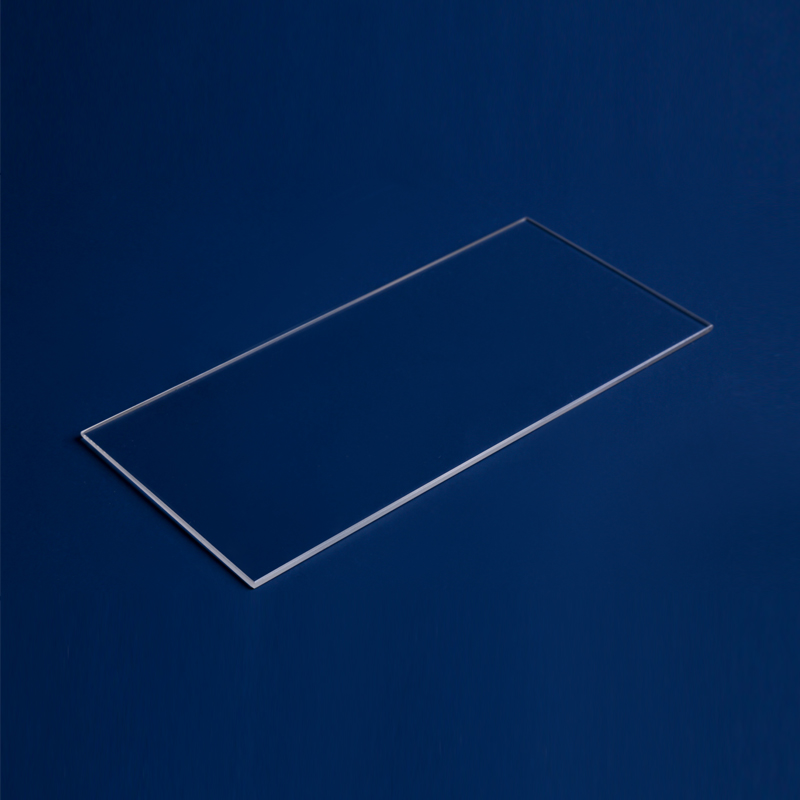
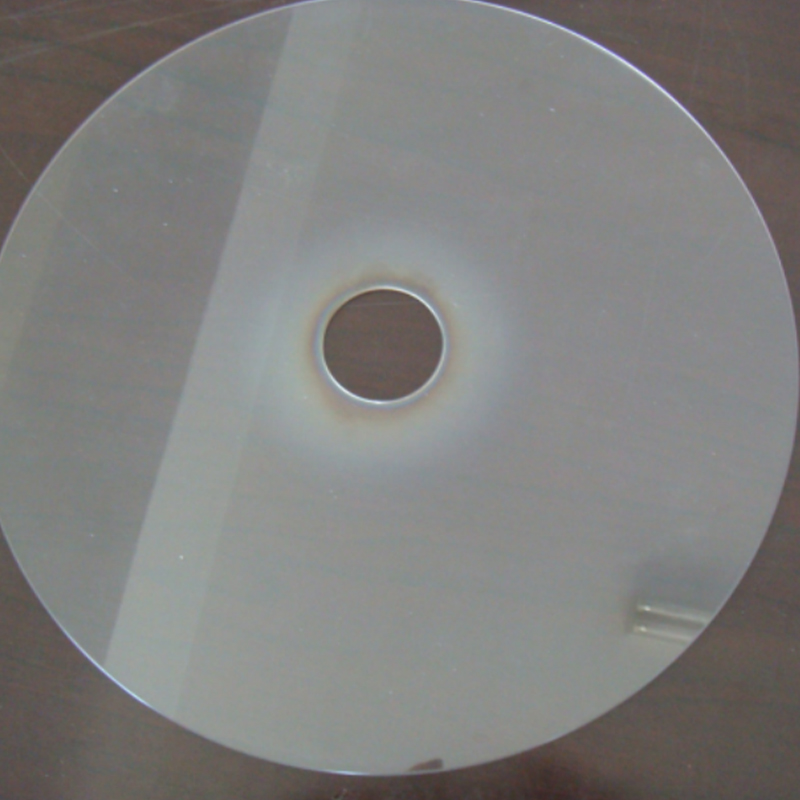
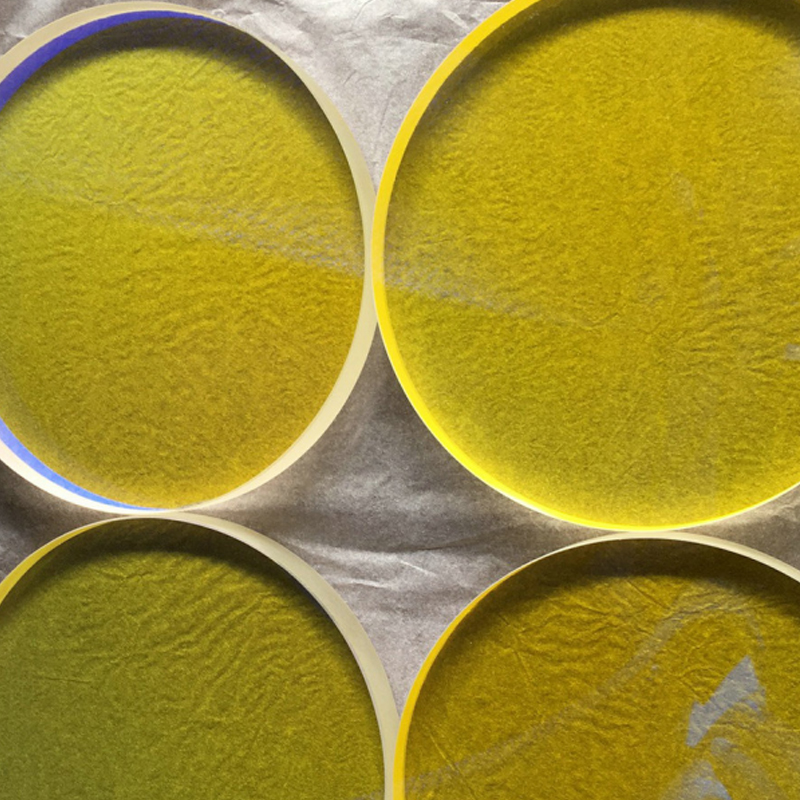
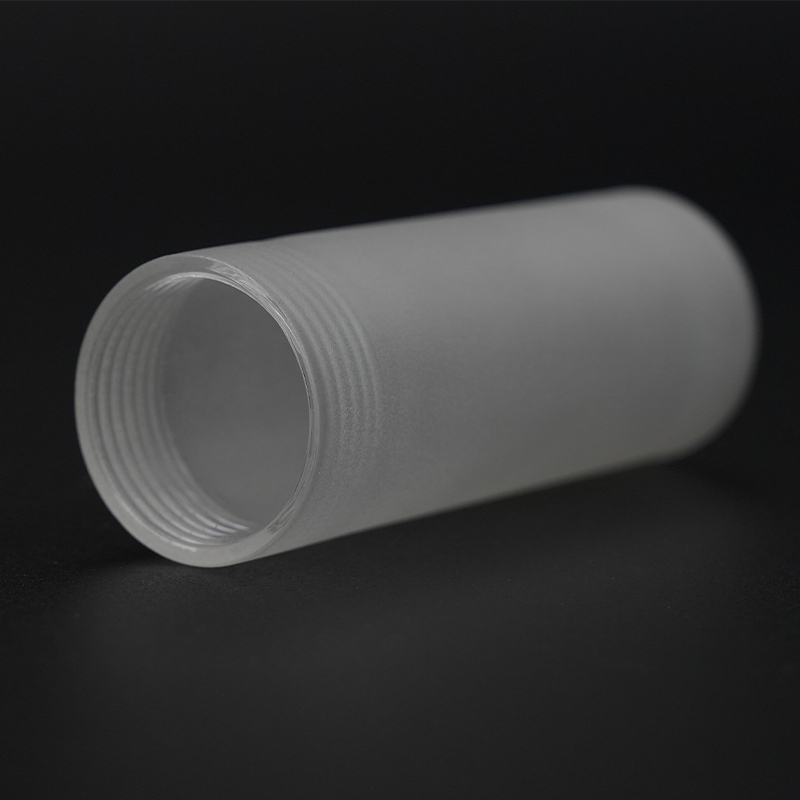
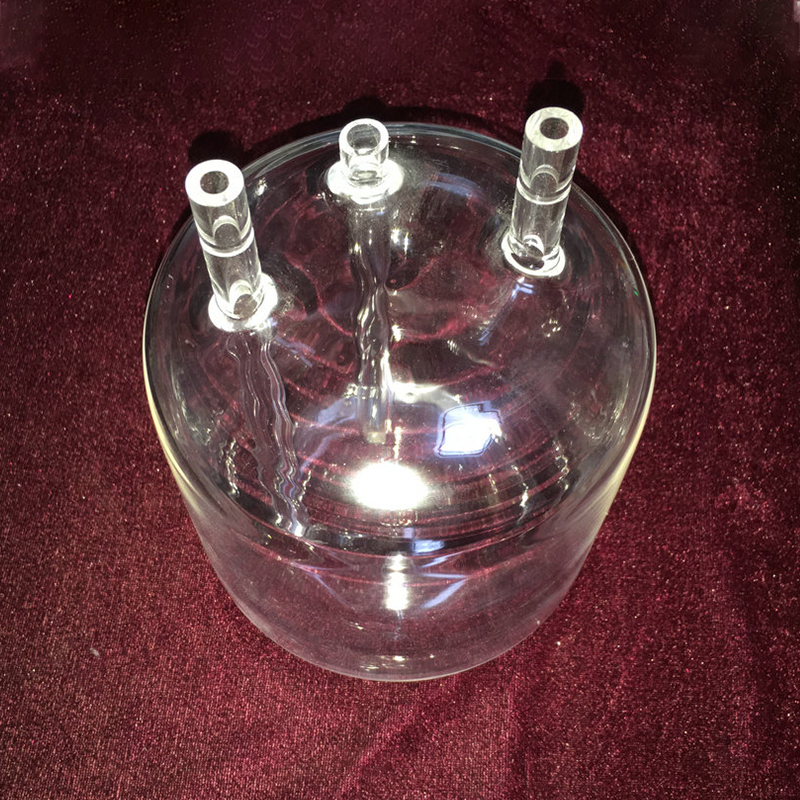
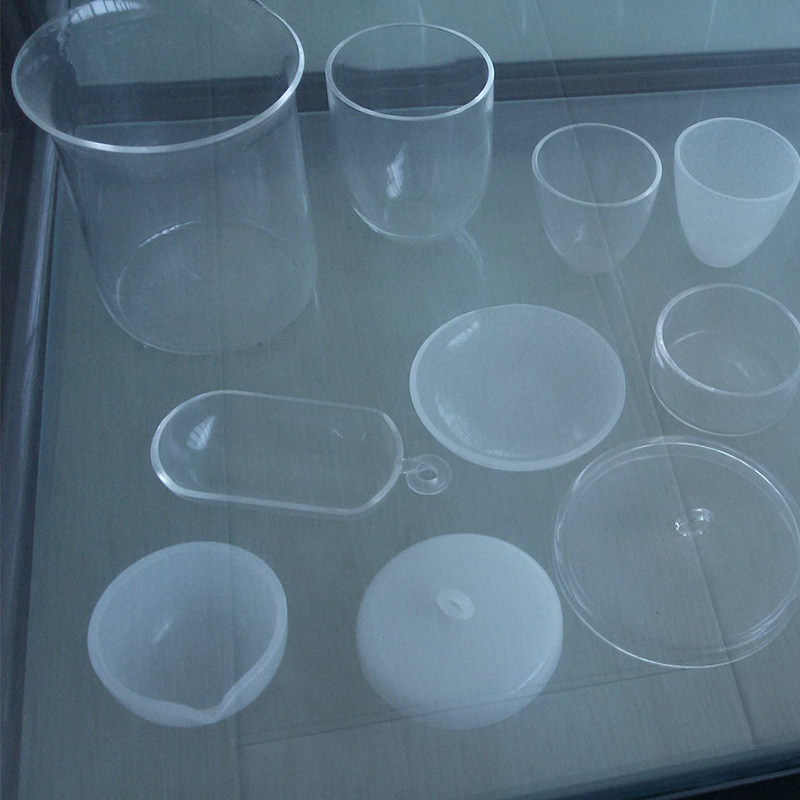
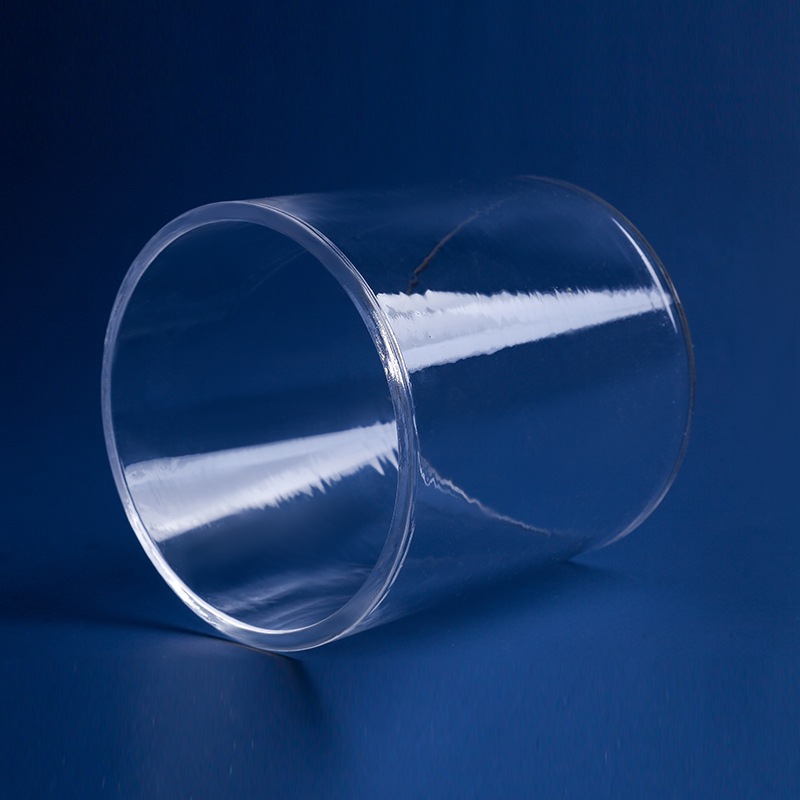
Abrasion resistant quartz refers to specially treated or highly pure fused silica components engineered to maintain their optical clarity and structural integrity despite constant exposure to harsh physical wear, particle impingement, or high-velocity fluid flow. While fused quartz is naturally hard (Mohs scale 7), certain applications, such as sand-blasting windows, high-speed flow cells, and protective covers in dust-prone industrial environments, require enhanced surface robustness. We address this demand by offering two primary solutions: (1) Components made from ultra-high-density synthetic fused silica with minimized micro-cracks and (2) Components that undergo specialized surface hardening treatments. These treatments, which can include chemical strengthening or ion implantation, modify the outermost surface layer of the quartz, increasing its resistance to scratching and pitting without compromising its core optical or thermal properties. This enhanced durability is critical for components used in external sensor housings, protective covers for surveillance and defense cameras, and inspection windows in industrial reactors handling abrasive slurries or high-pressure steam. The core value of abrasion-resistant quartz is its ability to extend the operational lifetime of the component in physically demanding environments, thereby reducing replacement costs and maintenance downtime. This is particularly vital in aerospace (external sensor covers), mining, and heavy manufacturing sectors. Our manufacturing ensures that the increased mechanical resilience does not introduce significant optical distortion or internal stress, verifying that the components maintain the original SiO2​ purity and thermal stability. We provide material consultation to determine the optimal surface treatment based on the specific type of abrasion (e.g., high-impact vs. high-velocity erosion) and the required optical performance, ensuring the final product offers the best balance of robustness and transparency for the operational demands. This niche but critical product line addresses the need for durability in environments where standard optical materials would fail quickly.

Mechanical and Surface Hardness Specifications

Abrasion-resistant quartz requires specialized specifications focused on surface strength, hardness, and resistance to environmental damage.

Parameter Standard Fused Quartz Abrasion-Resistant Grade Tolerance/Remark
Mohs Hardness 7 7.0 (Base Material) Surface treatment enhances effective hardness.
Vickers Hardness (HV) 700−800kg/mm2 Up to 900−1000kg/mm2 (Surface) Achieved via chemical/ion strengthening.
Surface Roughness (Ra) <0.5μm (Polished) <0.05μm (Ultra-Smooth) Reduces sites for abrasion initiation.
Transmission Loss After Abrasion High (Standard) <5% loss (Controlled) Tested via standardized sand-blast test.
Scratch Resistance Moderate Significantly Enhanced Prevents cosmetic and functional scratches.
Base Purity Grade JGS2 or Synthetic JGS1 Synthetic JGS1 (Recommended) Higher purity often correlates with better surface quality.
Coating/Treatment Thickness N/A 5μm to 50μm (Typical) Depth of surface modification layer.
Thermal Cycling Resistance Excellent Excellent (Surface modification does not impair) Maintains low thermal expansion.

While the fundamental quartz hardness (Mohs 7.0) is fixed, the key to abrasion resistance lies in optimizing the surface structure to resist crack initiation and propagation. The two primary methods are: (1) Achieving an ultra-smooth, flawless surface finish (low Ra) which reduces the stress concentration points where abrasion starts; and (2) Applying chemical strengthening which creates a compressive stress layer on the surface, making it much harder to penetrate or scratch. We quantify the performance using standardized abrasion tests, such as falling sand or high-velocity water jet erosion tests, measuring the resulting change in haze, surface roughness, and optical transmission. The use of high-purity synthetic quartz (JGS1) is often preferred as its inherent structural homogeneity, free of micro-bubbles, provides a stronger base material for the surface treatment. The final component must maintain its core optical properties (e.g., UV transmission and parallelism) after the surface modification process. This is ensured by our rigorous post-treatment quality control, including spectroscopic and interferometric testing. We provide data sheets detailing the resistance to specific abrasives (e.g., particle size and velocity) so the client can select the most appropriate grade for their application's operational envelope.

Niche and High-Demand Applications

Abrasion-resistant quartz is vital in applications where extreme mechanical durability must be combined with high optical performance.

  • Industrial Process Observation:
    • Sight Glasses and Viewports: Used on reactors or pipelines transporting abrasive slurries, powders, or high-velocity particles (e.g., coal dust, cement).
  • Environmental Monitoring:
    • External Sensor Covers: Protecting UV sensors, cameras, or meteorological equipment exposed to sandstorms, heavy rain, or corrosive exhaust fumes (e.g., stack monitoring).
  • Aerospace and Defense:
    • External Housings and Domes: Protecting sensitive optical components on drones, surveillance systems, or missiles from high-speed particle impact and aerodynamic friction.
  • Laser Material Processing:
    • Protective Windows: Shielding expensive focusing lenses from spatter and debris generated during high-power laser cutting and welding operations.
  • Food and Beverage Processing:
    • Inspection Windows: Used on bottling or mixing lines where high-pressure washing or abrasive cleaning agents are used frequently.
  • Flow Cytometry and Analytical:
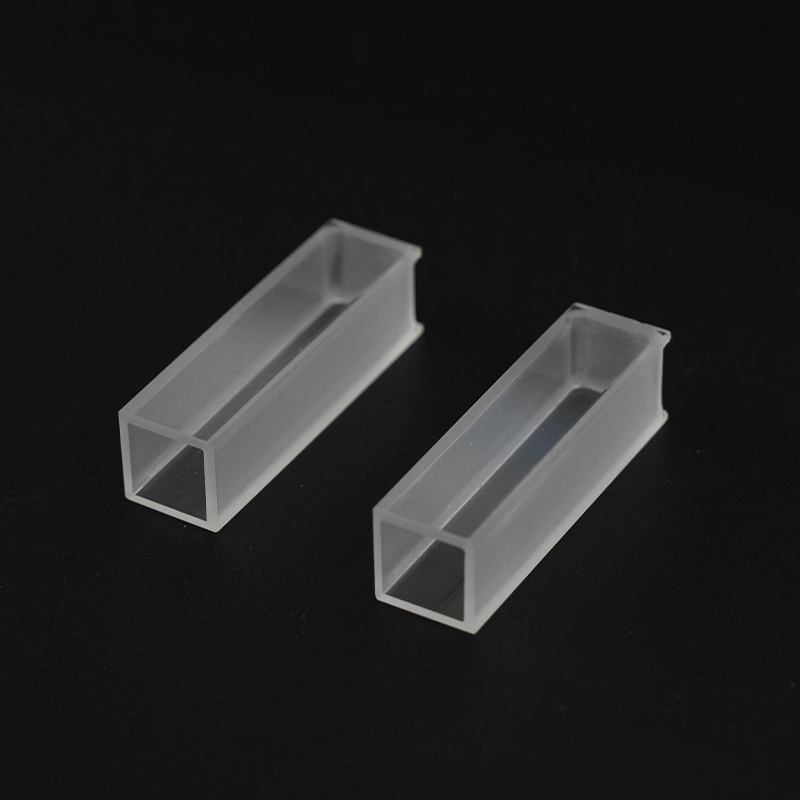
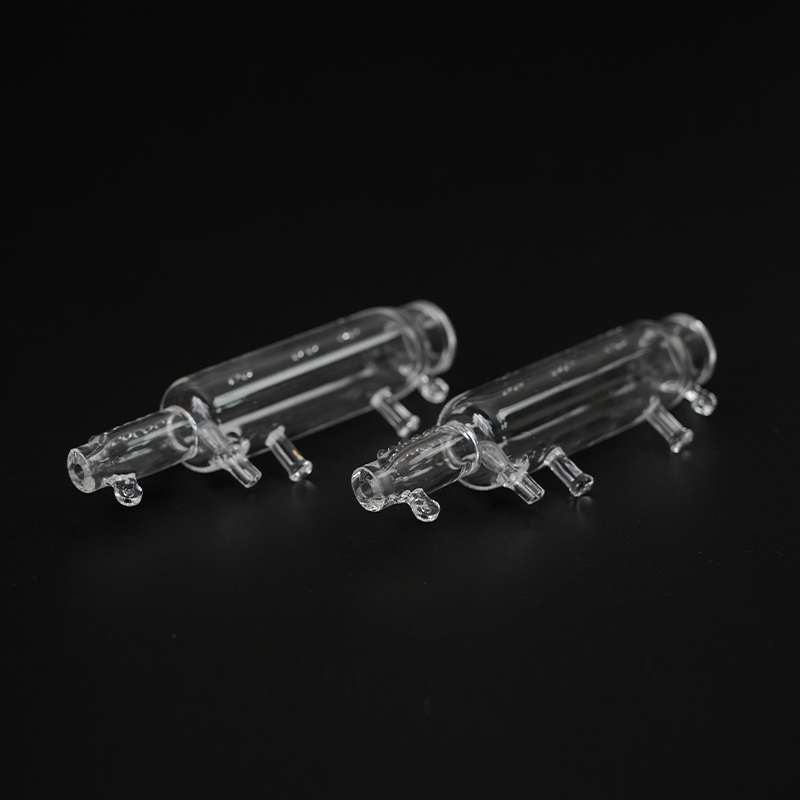
    • Flow Cells: Specially hardened cells designed to resist erosion from high-speed, particle-laden liquid samples while maintaining optical flatness for precise measurement.

In all these critical roles, the primary concern is preventing degradation of the viewing surface. A scratched or pitted window not only reduces light transmission but also scatters light, leading to sensor noise, poor image quality, or inaccurate process control readings. Our enhanced quartz ensures that the sensor or camera integrity is maintained over extended periods in hostile environments, often far outlasting standard borosilicate glass or less-treated quartz alternatives. This makes them a cost-effective, high-reliability solution for systems where component replacement is difficult or costly.
Key Benefits of Surface Enhanced Quartz

Our specialized abrasion-resistant quartz provides functional benefits that directly translate into improved system performance and reduced operational expenses.
  • Significantly Extended Service Life: The hardened surface layer drastically increases resistance to scratching, pitting, and erosion compared to standard quartz, leading to fewer replacements and lower maintenance costs in abrasive environments.
  • Sustained Optical Clarity: The treated surface is highly resistant to haze and light scatter caused by surface damage, ensuring the components maintain high optical transmission and minimal distortion over their lifespan.
  • Chemical and Thermal Resilience Maintained: The chemical strengthening process only affects the surface layer and does not compromise the inherent thermal stability, low thermal expansion, or chemical inertness of the core fused quartz material.
  • Customized Hardening Depth: We can tailor the depth and intensity of the surface modification (chemical or ion treatment) to match the severity of the abrasive environment, ensuring maximum protection for continuous or high-impact applications.
  • Reduced Particle Adhesion: The ultra-smooth final surface finish achieved through special polishing techniques resists the adhesion of process residue and foreign particles, further enhancing clarity and reducing cleaning frequency.
  • High Purity Protection: Using high-purity base quartz (JGS1) ensures that, despite surface modification, the component remains chemically inert and does not introduce contaminants into the process, critical for applications like high-purity chemical processing.
  • Cost-Effective Reliability: Although the initial cost may be higher than standard materials, the massive increase in durability and reduction in operational downtime make abrasion-resistant quartz a superior long-term investment for harsh industrial and outdoor environments.

We stand by the ruggedness of our abrasion-resistant products, offering tested and proven solutions that secure the performance integrity of your high-value sensors and viewing systems against relentless mechanical wear.

From Made-in-China to
Global Smart Manufacturing

Yancheng Mingyang Quartz Products Co., Ltd. is a company specializing in the production of quartz and special glass products. Yancheng Mingyang Quartz Products Co., Ltd. is the production plant of Jinzhou Mingde Quartz Glass Co., Ltd. in Jiangsu, Since its establishment, the company has developed rapidly, introduced advanced technology and production equipment at home and abroad, and continuously improved and improved product quality. Relying on its own advantages, we have developed a variety of products suitable for the market and meet the needs of different customers, and solved many urgent production problems for our customers.

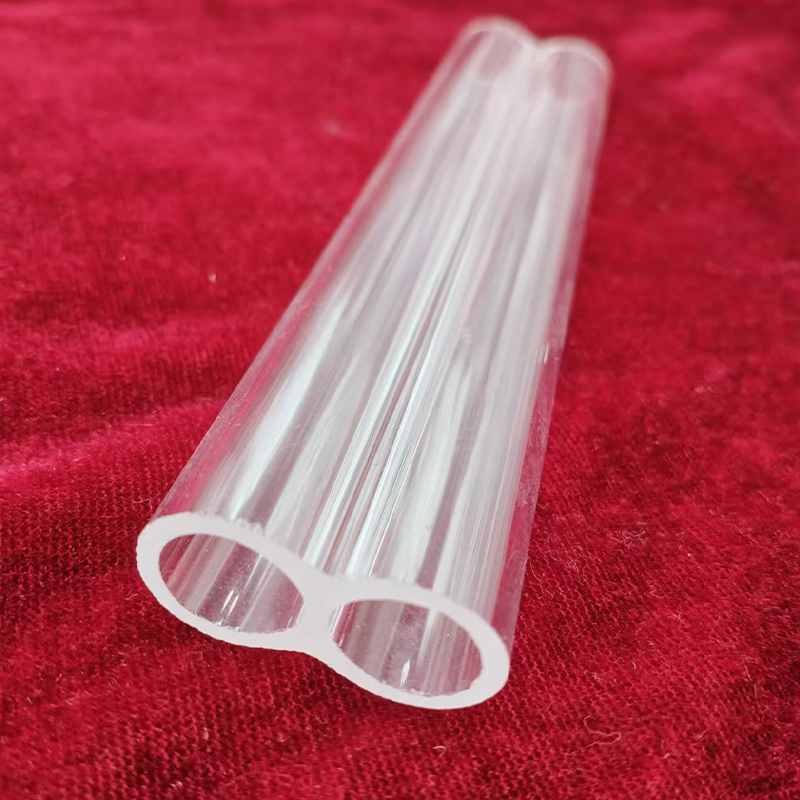
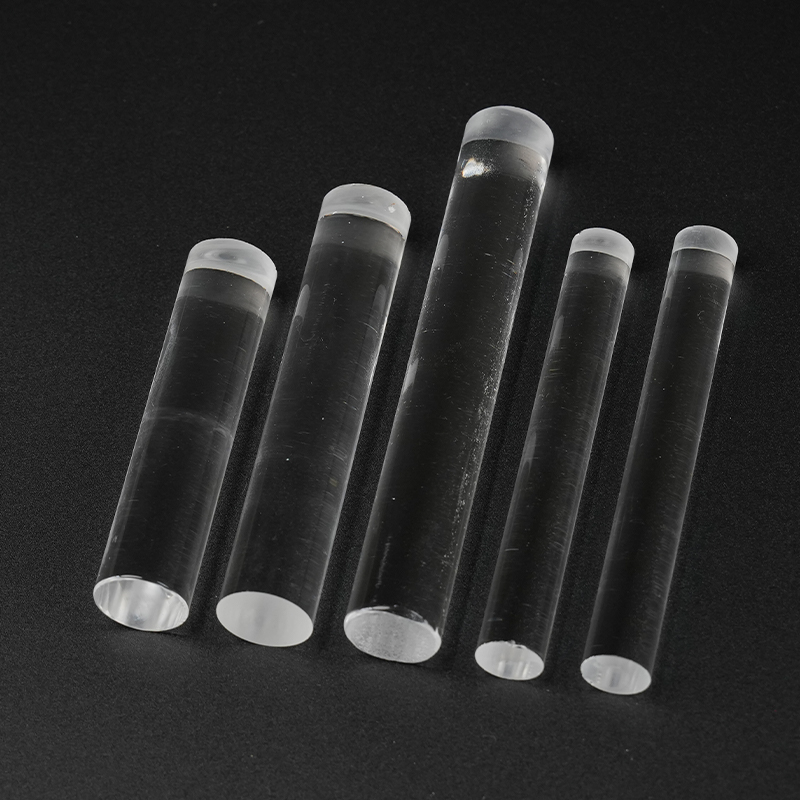
The company's products include quartz glass tubes, double-hole quartz glass tubes, quartz glass rods, quartz sheets, sapphire windows, calcium fluoride glass windows, infrared ultraviolet coatings, high-pressure resistant aluminosilicate glass window panels, quartz glass instruments, high borosilicate glass instruments, quartz crucibles, quartz gold-plated tubes, quartz heaters, quartz infrared heating tubes, far-infrared directional radiation heaters ultraviolet germicidal lamps and other special types of quartz glass products.
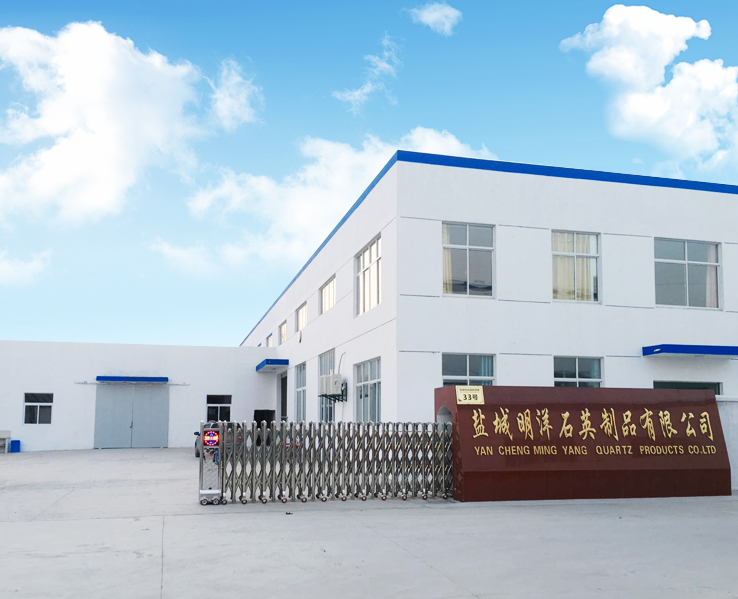

Yancheng Mingyang Quartz Products Co., Ltd.
Message Feedback