

 +86-0515-86223369
  0
0 en
en English
 日本語
日本語 Español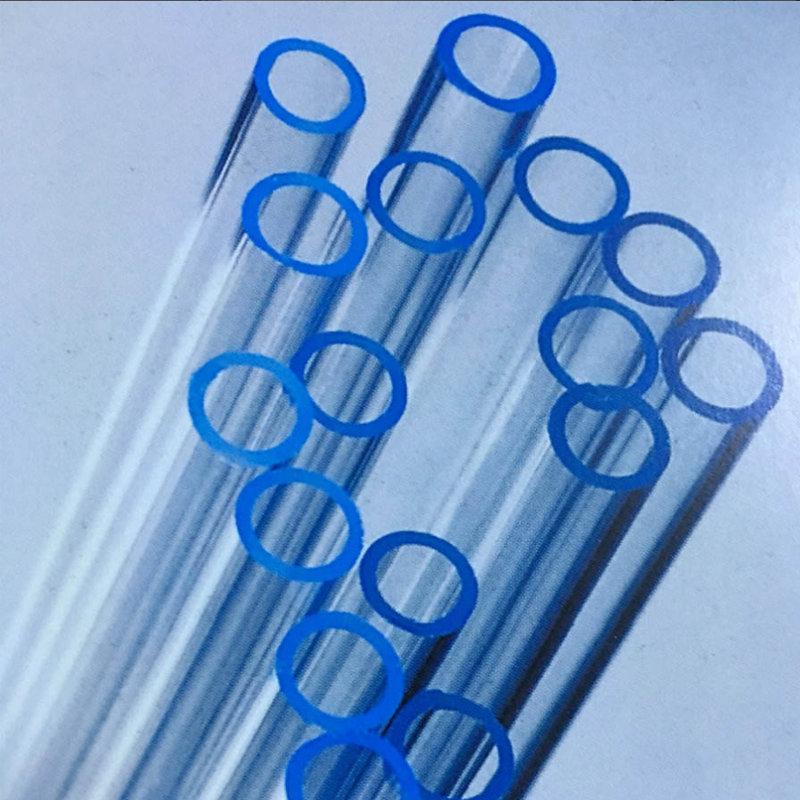



If you need any help, please feel free to contact us
 Products & Solutions
What Is a Red Quartz Tube Used For?
Content
- 1 Core Applications of Red Quartz Tubes Across Industries
- 2 Full Technical Specifications of the Mingyang Red Quartz Tube
- 3 Red Quartz Tube vs Other Heating Tube Materials: A Performance Comparison
- 4 The Broader Quartz Glass Product Ecosystem
- 5 How to Specify a Custom Red Quartz Tube for Your Application
- 6 About Yancheng Mingyang Quartz Products Co., Ltd.
- 7 Frequently Asked Questions
Direct Answer: A red quartz tube is a high-purity fused silica glass tube (SiO₂ ≥ 99.99%) that has been specially processed to emit or transmit infrared radiation in the mid-to-near infrared spectrum. Its characteristic red or ruby color is the result of a specific manufacturing treatment applied to the quartz surface or through the material itself, which optimizes the tube's infrared energy absorption and emission profile. It is primarily used as the protective outer envelope or active element in infrared quartz heating tubes, quartz heater tubes, and radiant heating systems across industrial, commercial, and domestic environments.
Beyond heating, red quartz glass tubes with their exceptional chemical purity, thermal stability up to 1250°C operating temperature (softening point above 1700°C), and resistance to thermal shock make them applicable in laboratory environments, UV-infrared optical systems, and specialty industrial processes. This guide covers all key applications, technical specifications, and what to look for when choosing a red quartz tube manufacturer or red quartz tube supplier.
Core Applications of Red Quartz Tubes Across Industries
The unique combination of high infrared transmittance, extreme heat resistance, and chemical inertness makes the infrared quartz tube one of the most versatile heating and optical components available. The following sections cover the primary application categories.
Industrial Infrared Heating Systems
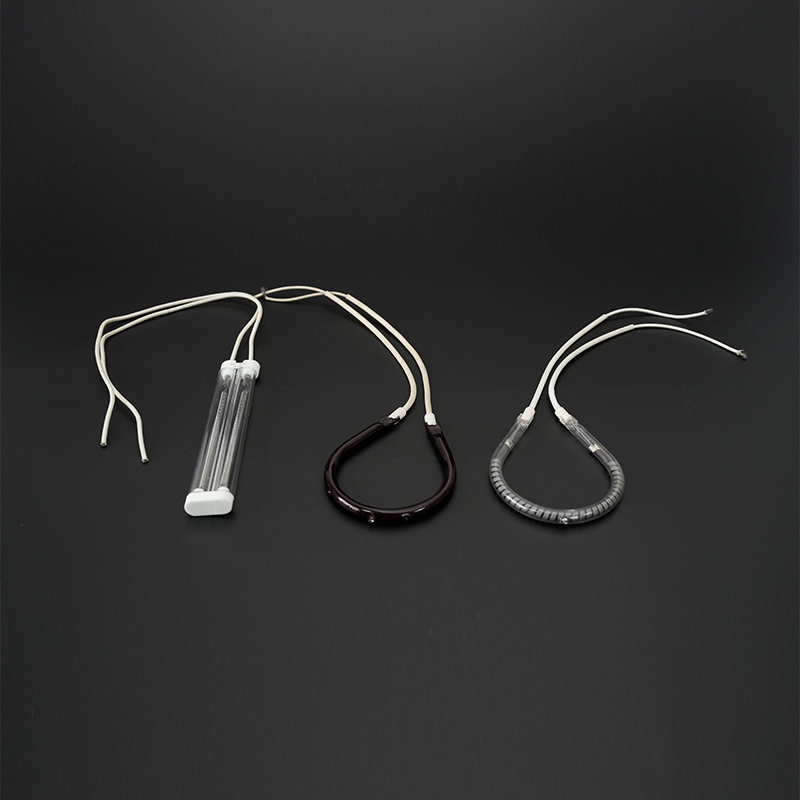
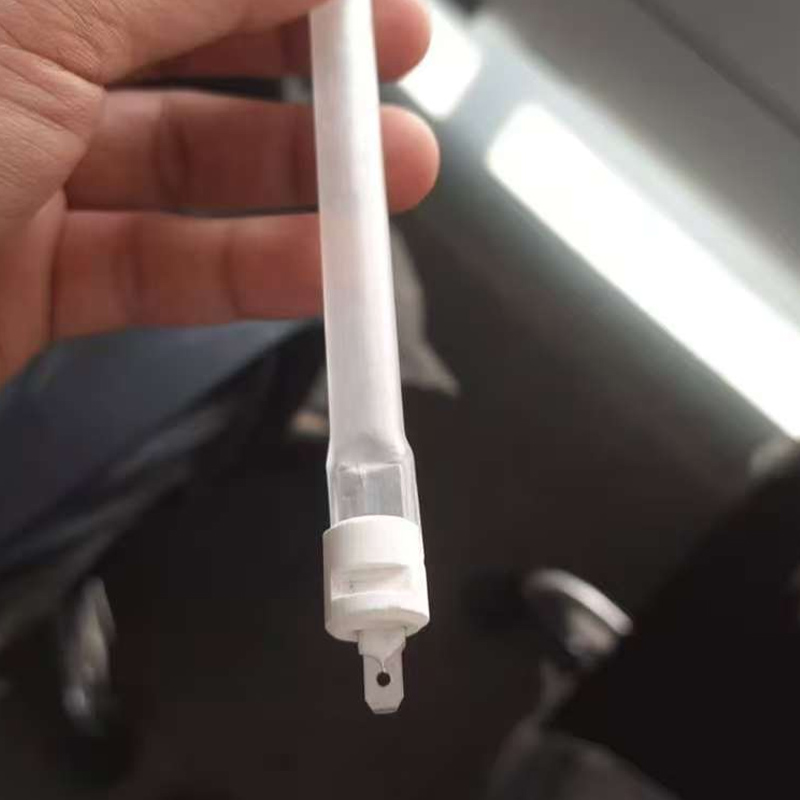
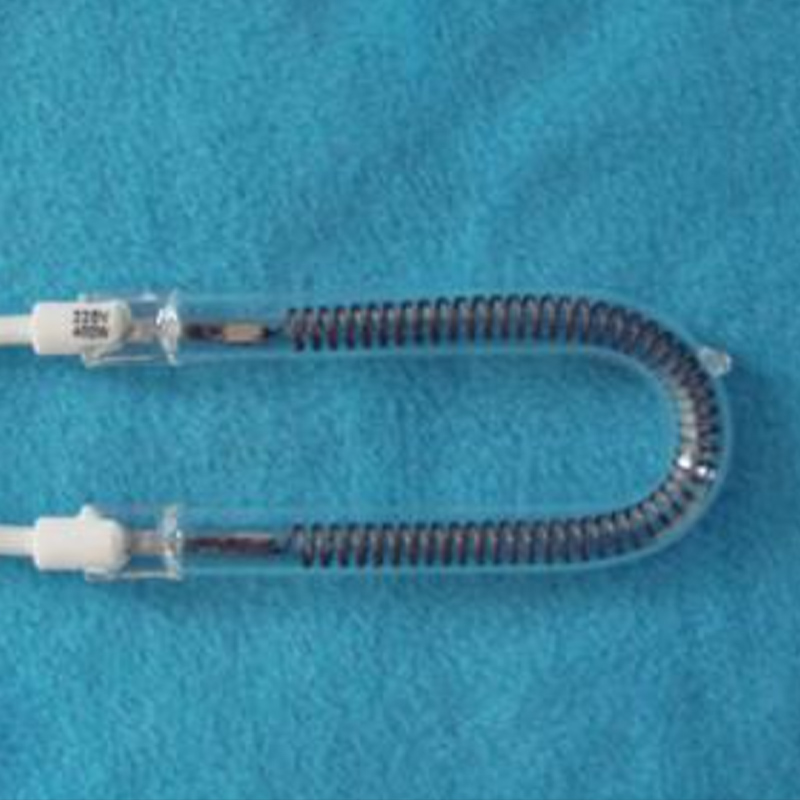
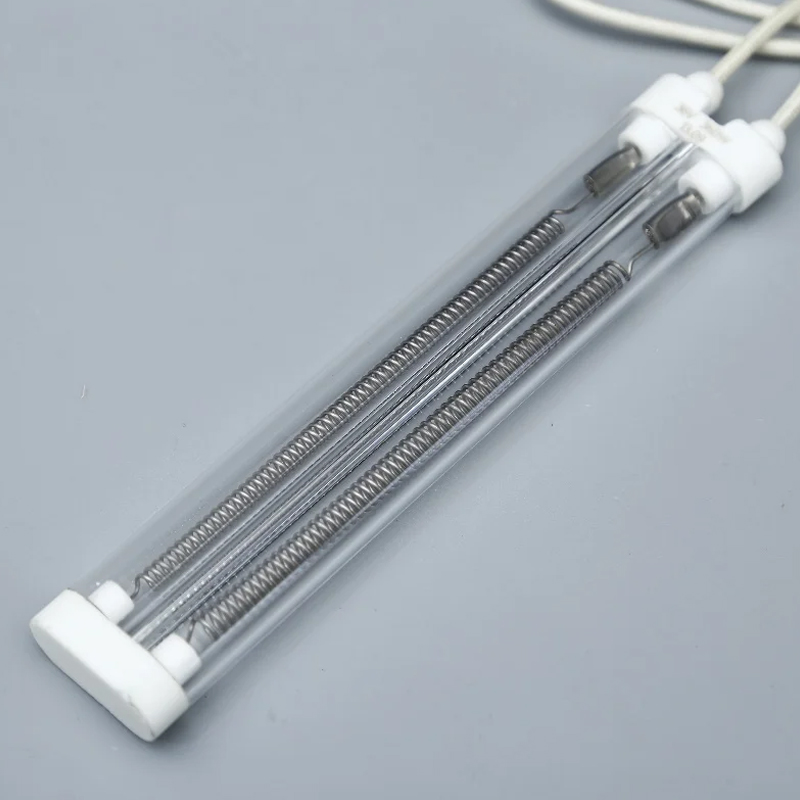
The most widespread use of red quartz heating tubes is in industrial radiant heating systems. The tube encases a tungsten or carbon fiber heating element that generates radiant energy in the near-infrared and mid-infrared spectrum. The red quartz envelope transmits this energy efficiently while protecting the heating element from oxidation and mechanical damage. Applications include paint curing ovens, powder coating lines, plastic thermoforming equipment, food processing warmers, textile drying systems, and semiconductor wafer processing furnaces.
An infrared quartz heating tube of the red type typically reaches operational temperature within seconds of activation — far faster than conventional convective heating elements — making it energy-efficient and highly responsive for process control. Industrial-grade ruby quartz heater tubes in OD ranges from 3 mm to 450 mm can be manufactured to custom lengths for integration into large-format heating panels and zone-controlled industrial ovens.
Domestic and Commercial Heating Appliances
Quartz heater tubes with red coloring are the active heating elements in patio heaters, bathroom radiant heaters, garage warmers, and halogen floor lamps. Their instant-on characteristic and silent operation make them preferred over fan heaters in comfort heating applications. The red glow emitted during operation also serves as a visual indicator that the heater is active, improving user safety awareness.
Laboratory and Scientific Applications
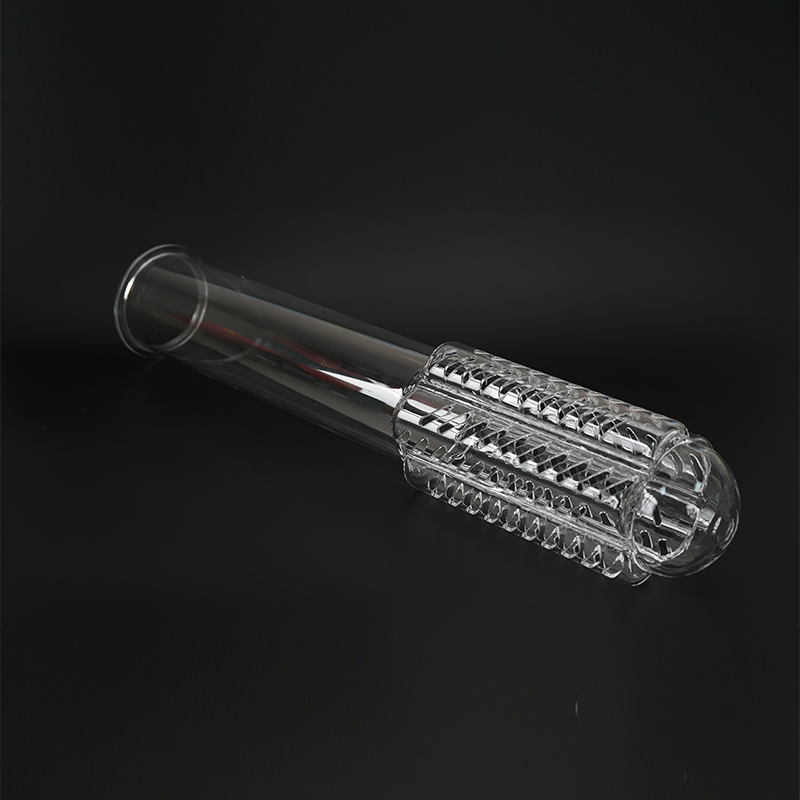
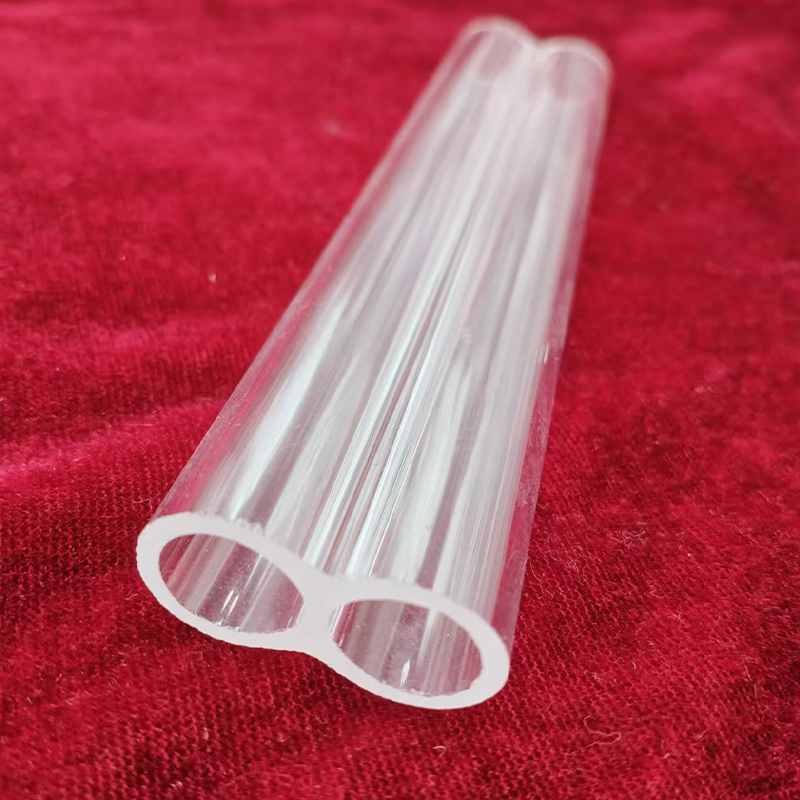
In laboratory settings, high purity quartz glass tubes — including the red variety — serve as containment vessels for high-temperature reactions, optical waveguides, and sample holders in spectroscopy. The >99.99% SiO₂ purity eliminates contamination risks in sensitive chemical and materials research. Specialty configurations such as one-end-closed tubes and double-hole tubes support thermocouple housings and gas-flow experiments at temperatures exceeding 1000°C.
The chart above shows the distribution of red quartz tube and infrared quartz tube usage across major end-use sectors. Industrial heating systems account for the largest share at 38%, driven by the extensive use of far infrared quartz tube heaters and carbon fiber quartz heaters in manufacturing processes. Commercial comfort heating represents 24% of demand, reflecting the popularity of quartz-based radiant heating in hospitality, retail, and residential settings. Laboratory and R&D applications come in at 18%, underpinned by demand for high-purity quartz glass tubes in chemical analysis and materials science. Semiconductor processing accounts for 12%, where ultra-high-purity quartz tubes serve as furnace components and wafer boats. The remaining 8% covers specialty applications including UV systems and optical instrumentation. This distribution illustrates the broad industrial relevance of high temperature quartz tubes across both thermal and precision application domains.
Full Technical Specifications of the Mingyang Red Quartz Tube
The following specification tables are drawn directly from the Mingyang product data sheets and represent the performance parameters of the MQ-series quartz glass tube platform, including the red (opaque/ruby) variant used in infrared heating applications.
Product Parameters
| Item | Details |
|---|---|
| Product Name | Red Quartz Pipe / Clear large diameter quartz glass tube (red option) |
| Application | Heater / Infrared Heating / Industrial / Laboratory |
| Outside Diameter | 3 – 450 mm |
| Material | >99.99% SiO₂ |
| Color | Opaque / Clear (red available) |
| Surface Treatment | Grinded |
| Shape | One End Closed / Both Ends Open (customizable) |
| Ozone Content | Ozone Free |
| Density | 2.2 g/cm³ |
| Operating Temperature | 1250°C |
| Size / Length | Fully Customizable |
| Certification | ISO 9001 |
| Place of Origin | Jiangsu, China |
| Package | Standard Export Packing |
Dimensional Tolerances for Transparent Quartz Tubes
| OD (mm) | OD Tol. | Wall Tol. | Length Tol. | Max. Siding | Max. Ovality | Max. Bow |
|---|---|---|---|---|---|---|
| <10 | ±0.15 | ±0.10 | ±1.0 | 0.10 | 0.15 | 2% |
| 10–15 | ±0.20 | ±0.10 | ±1.0 | 0.12 | 0.20 | 2% |
| 15–20 | ±0.30 | ±0.15 | ±1.0 | 0.13 | 0.25 | 2% |
| 20–30 | ±0.40 | ±0.15 | ±1.0 | 0.15 | 0.30 | 2% |
| 30–40 | ±0.60 | ±0.15 | ±1.0 | 0.25 | 0.40 | 2% |
| 40–50 | ±0.80 | ±0.20 | ±1.0 | 0.30 | 0.50 | 2% |
| 50–65 | ±1.00 | ±0.20 | ±2.0 | 0.40 | 0.60 | 2.5% |
| 65–85 | ±1.20 | ±0.30 | ±2.0 | 0.50 | 0.80 | 2.5% |
| 85–100 | ±1.50 | ±0.30 | ±2.0 | 0.60 | 1.00 | 2.5% |
Physical and Thermal Properties by Grade
| Property | MQ-T100/101/102 | MQ-T110/111/112 | MQ-R300/R400 | MQ-R200 |
|---|---|---|---|---|
| Density | 2.2×10³ kg/m³ | 2.2×10³ kg/m³ | 2.22×10³ kg/m³ | 2.21×10³ kg/m³ |
| Hardness | 570 KHN100 | 580 KHN100 | 585 KHN100 | 580 KHN100 |
| Tensile Strength | 4.8×10⁷ Pa | 4.9×10⁷ Pa | 5.0×10⁷ Pa | 4.9×10⁷ Pa |
| Compression Strength | >1.1×10⁹ Pa | >1.1×10⁹ Pa | >1.1×10⁹ Pa | >1.1×10⁹ Pa |
| Thermal Expansion (20–300°C) | 5.5×10⁻⁷ cm/cm°C | 5.5×10⁻⁷ cm/cm°C | 5.5×10⁻⁷ cm/cm°C | 5.5×10⁻⁷ cm/cm°C |
| Thermal Conductivity | 1.4 W/m°C | 1.4 W/m°C | 1.4 W/m°C | 1.4 W/m°C |
| Softening Point | 1630°C | 1680°C | 1690°C | 1700°C |
| Annealing Point | 1180°C | 1215°C | 1220°C | 1210°C |
Red Quartz Tube vs Other Heating Tube Materials: A Performance Comparison
When selecting heating tube materials for infrared heating systems, engineers typically evaluate fused quartz (red or clear), borosilicate glass, ceramic, and metal-sheathed options. The following radar chart compares key performance parameters across these material types.
The radar diagram presents a direct five-axis comparison between fused red quartz tubes, borosilicate glass tubes, and ceramic tubes across heat resistance, IR transmittance, chemical purity, thermal shock tolerance, and operational lifespan. Red quartz achieves near-maximum scores across all five axes, reflecting its material superiority in multi-criteria heating and optical applications. Borosilicate glass — while useful for moderate-temperature laboratory work — shows significantly lower heat resistance and IR transmittance scores, limiting its suitability as an infrared heating envelope. Ceramic tubes offer moderate heat resistance but score considerably lower in IR transmittance, making them unsuitable for applications requiring high radiant energy output. The near-perfect polygon area of the red quartz profile demonstrates why it has become the standard envelope material for industrial red quartz heating tubes and carbon fiber quartz heater systems. For engineers specifying materials in high-performance heating or optical systems, this comparison reinforces the selection of high-purity fused quartz as the technically superior choice in virtually all demanding applications.
The Broader Quartz Glass Product Ecosystem
The red quartz tube is one component within a broad family of quartz glass products and special optical glass items that share the same high-purity SiO₂ material platform. Understanding the broader ecosystem helps buyers source efficiently from a single qualified supplier.
Structural Quartz Glass Forms
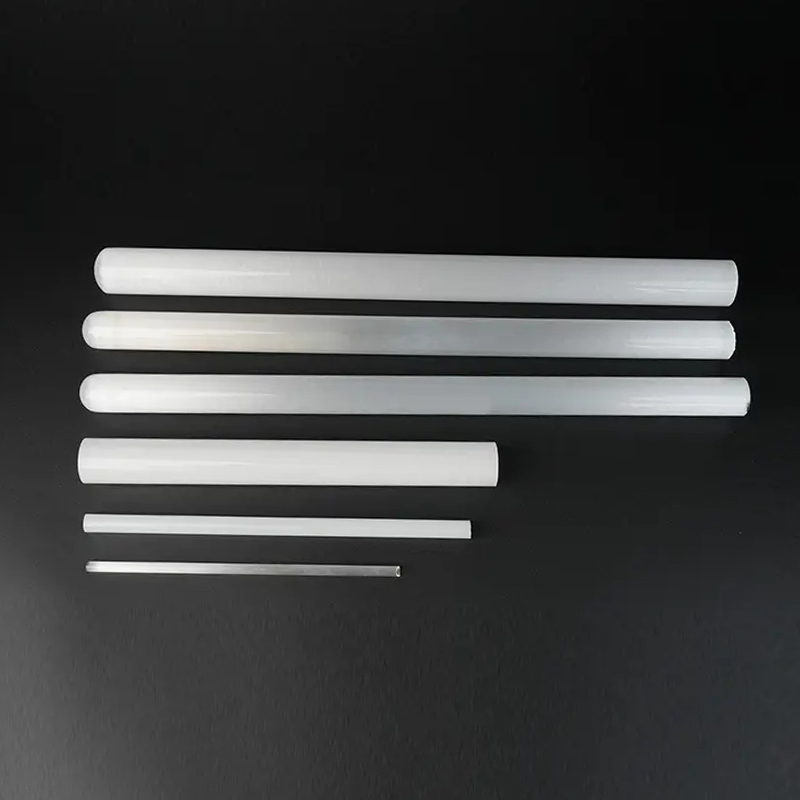
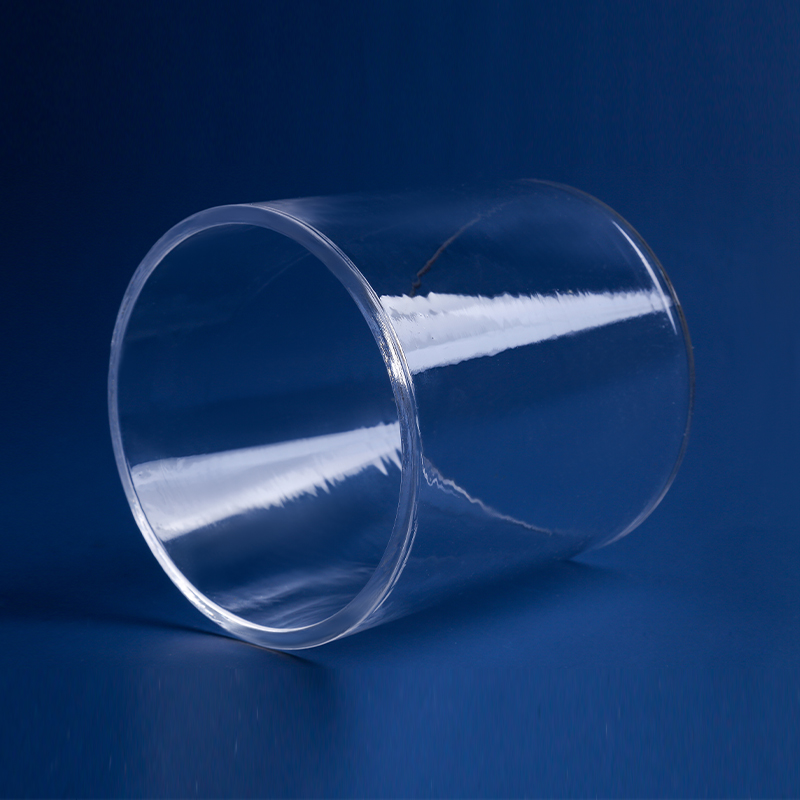
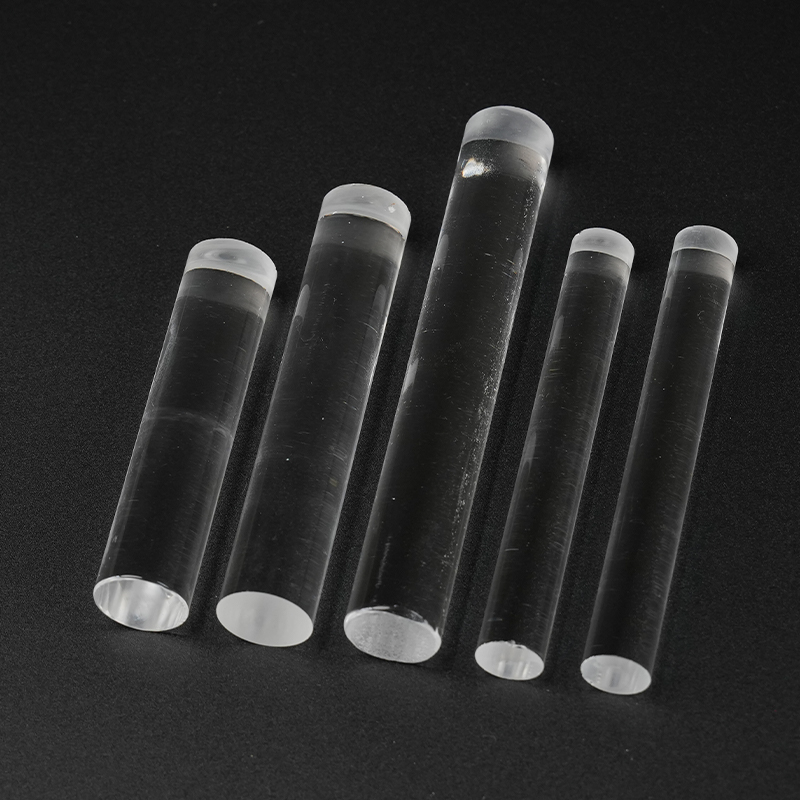
Quartz glass tubes (clear, opaque, double-hole), quartz glass rods and fused quartz rods, quartz glass sheets, and quartz glass windows form the core structural product family. These include double-hole configurations for thermocouple protection, large-diameter tubes used as glass pipe in chemical reactors, and precision-ground flat plates used as UV quartz plates and UV round quartz plates with holes in optical systems.
Laboratory and Analytical Instruments
The laboratory quartz product range includes quartz crucibles, laboratory quartz crucibles, opaque fused silica crucibles, clear quartz crucibles, and silica crucibles for high-temperature fusion and sample preparation. UV fused quartz cuvettes and quartz cuvette rectangular cells serve UV-visible spectroscopy applications where borosilicate glass would absorb UV wavelengths. High purity heat resistant fused quartz glass boats are used in semiconductor diffusion furnaces as wafer-carrying trays.
Heating and Infrared Products
The heating product range includes halogen heater tubes, far infrared quartz tube heaters, carbon fiber quartz heaters, and quartz carbon fiber infrared heating tubes. These products use the red or clear quartz envelope to house tungsten halogen or carbon fiber heating elements, producing highly efficient radiant heating with rapid thermal response times of under 5 seconds to full operating temperature.
Sound Healing and Specialty Glass Instruments
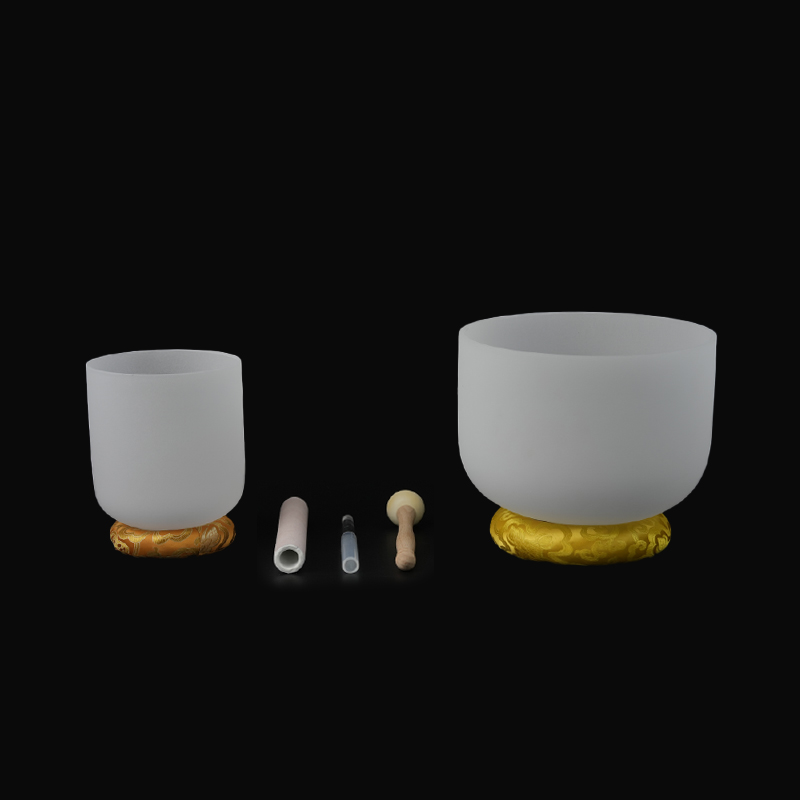
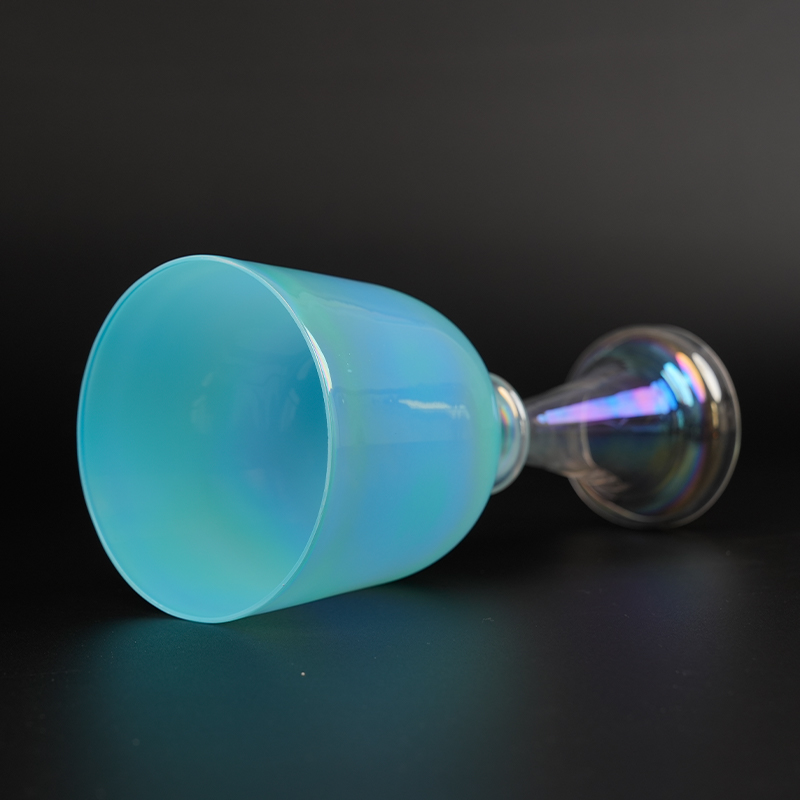
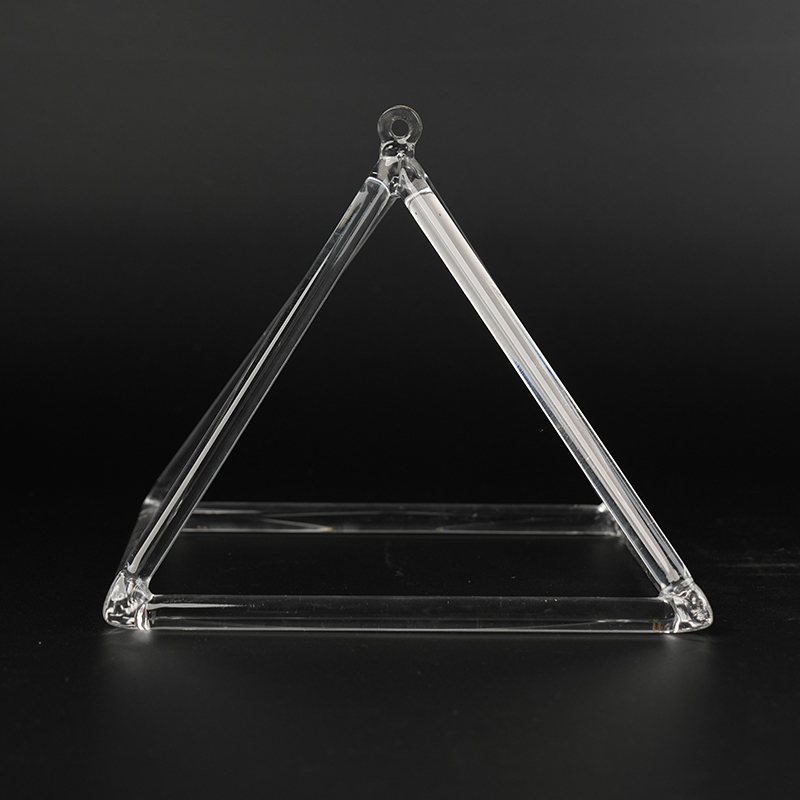
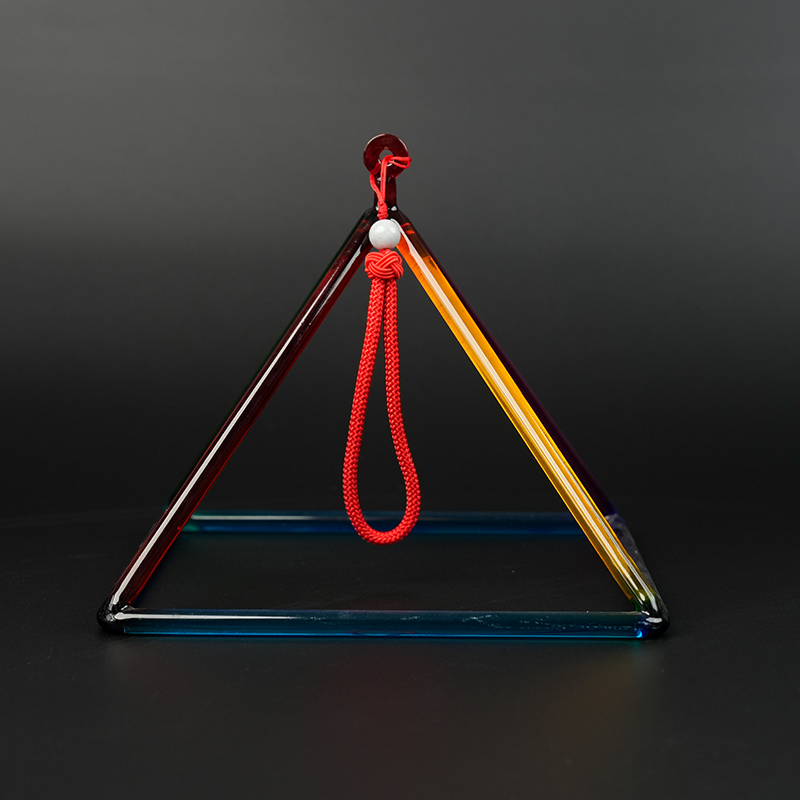
High-purity fused quartz is also the material of choice for sound healing instruments including singing bowls, crystal alchemy bowls, quartz crystal tuning forks, crystal singing triangles, crystal harps, and crystal singing holy grail instruments. The material's molecular purity produces exceptionally clear, sustained tones used in therapeutic and meditative applications. Complementary laboratory glassware including high borosilicate measuring cups, triangular shaped funnels, triangular flasks for chemistry, bell glass domes, and heat-resistant glass tubes round out the product offering.
The 3D column chart visualizes the relative demand index across the five main quartz and specialty glass product categories. Heating products — including red quartz heating tubes, far infrared quartz heaters, and carbon fiber quartz heaters — score the highest demand index at 95, reflecting their widespread industrial and domestic use globally. The tubes and rods category, encompassing standard quartz glass tubes, quartz glass rods, and high purity quartz glass tubes, scores 88, driven by semiconductor, chemical, and research demand. Laboratory and crucible products score 72, with consistent demand from universities, analytical labs, and metallurgical facilities. Sound healing instruments — including crystal alchemy bowls, crystal singing triangles, and quartz crystal tuning forks — score 55, reflecting a growing but still niche wellness market. Specialty glass items including bell glass domes, high borosilicate measuring cups, and triangular flasks score 48. The overall chart confirms that heating and structural tube products drive the majority of quartz glass procurement volume, while specialty categories represent meaningful secondary growth opportunities for manufacturers with broad product capability.
How to Specify a Custom Red Quartz Tube for Your Application
When sourcing a custom red quartz tube from a red quartz tube manufacturer, providing complete and accurate specifications upfront accelerates sampling and reduces prototyping cycles. The following parameters should be specified in every inquiry.
- Outside diameter and wall thickness — specify in mm with tolerance class (standard or tight tolerance)
- Length — total length and whether one end or both ends should be open or closed
- Color and opacity — clear transparent, opaque (milky), or red/ruby coating
- Operating temperature — maximum sustained working temperature in °C
- Purity grade — standard (≥99.9% SiO₂) or ultra-high purity (≥99.99% SiO₂) as required by the application
- OH content — specify low-OH for IR applications or high-OH for UV transmission applications
- Surface finish — grinded, fire-polished, or as-drawn
- Quantity and packaging — unit quantity and whether standard export packing or custom packaging is required
For OEM red quartz tube procurement and industrial red quartz tube sourcing, also specify the target electrical wattage of the heating element to be housed, as this determines the required thermal load profile of the quartz envelope and may affect wall thickness recommendations.
The line chart illustrates how operating temperature affects the estimated service life of a high temperature quartz tube in continuous-use heating applications. At 600°C, the tube can achieve approximately 50,000 hours of service life — equivalent to over 20 years of continuous operation. As temperature increases to 800°C, estimated life decreases to around 45,000 hours, still representing exceptional durability for industrial systems. At 1000°C — a common operating point for infrared quartz heating tube systems — service life is approximately 36,000 hours, which translates to over 12 years at 8 hours per day. At 1100°C, life reduces to approximately 22,000 hours, and at the rated maximum operating temperature of 1250°C, life is estimated at around 8,000 hours. This data confirms that operating temperatures well below the maximum rating significantly extend tube lifespan and should be factored into system design. The characteristic curve also demonstrates the benefit of using high purity quartz glass tubes whose softening point (1630°C–1700°C depending on grade) provides a large safety margin above all practical operating temperatures encountered in industrial and domestic heating applications.
About Yancheng Mingyang Quartz Products Co., Ltd.
Yancheng Mingyang Quartz Products Co., Ltd. is a company specializing in the production of quartz and special optical glass products, and serves as the Jiangsu production base of Jinzhou Mingde Quartz Glass Co., Ltd. Since its establishment, the company has developed rapidly through the continuous introduction of advanced domestic and international technology and production equipment, maintaining consistent improvements in product quality and manufacturing capability.
The company's product range covers virtually the entire spectrum of quartz glass products: quartz glass tubes, double-hole quartz glass tubes, quartz glass rods, quartz glass sheets, sapphire windows, calcium fluoride glass windows, infrared and ultraviolet coatings, high-pressure resistant aluminosilicate glass window panels, quartz glass instruments, high borosilicate glass instruments, quartz crucibles, quartz gold-plated tubes, quartz heaters, quartz infrared heating tubes, far-infrared directional radiation heaters, and ultraviolet germicidal lamps.
By leveraging its proprietary material expertise, Mingyang has developed a diverse range of products tailored to the specific needs of customers across industrial, scientific, and specialty application markets. As a trusted red quartz tube supplier and custom red quartz tube manufacturer with ISO 9001 certification, the company serves buyers in China and international markets with consistent quality, responsive engineering support, and fully customizable specifications across the complete MQ-series product platform.
Frequently Asked Questions
Featured Products
Copyright © Yancheng Mingyang Quartz Products Co., Ltd. All Rights Reserved.
Wholesale Quartz Products Manufacturer Quartz Glass Factory