

 +86-0515-86223369
  0
0 en
en English
 日本語
日本語 Español


If you need any help, please feel free to contact us
 Products & Solutions
Home / News / Industry News / What is the difference between a quartz crucible and a silica crucible?
What is the difference between a quartz crucible and a silica crucible?
Content
Essentially, a quartz crucible is a high-grade form of a silica crucible; both have silica as their core chemical component. However, in industrial applications, their main differences lie in purity, transparency, and manufacturing process. What is commonly referred to as a silica crucible may contain ceramic-grade or lower-purity fused silica products, while a quartz crucible specifically refers to a precision container made from high-purity natural or synthetic quartz, possessing higher temperature resistance and extremely low impurity content. It is a critical consumable in single-crystal silicon pulling and semiconductor production.
I. Differences between Quartz Crucibles and Ordinary Silica Crucibles
Although they have the same chemical formula, the differences in their physical properties determine their different application scenarios:
- Purity Level: Quartz crucibles require extremely high purity, especially for photovoltaic single-crystal pulling, where the silica content needs to be above 99.9%. Ordinary silica crucibles may contain more metal impurities such as aluminum, magnesium, and calcium, and are mainly used for general metal smelting or primary material processing.
- Appearance and Structure:
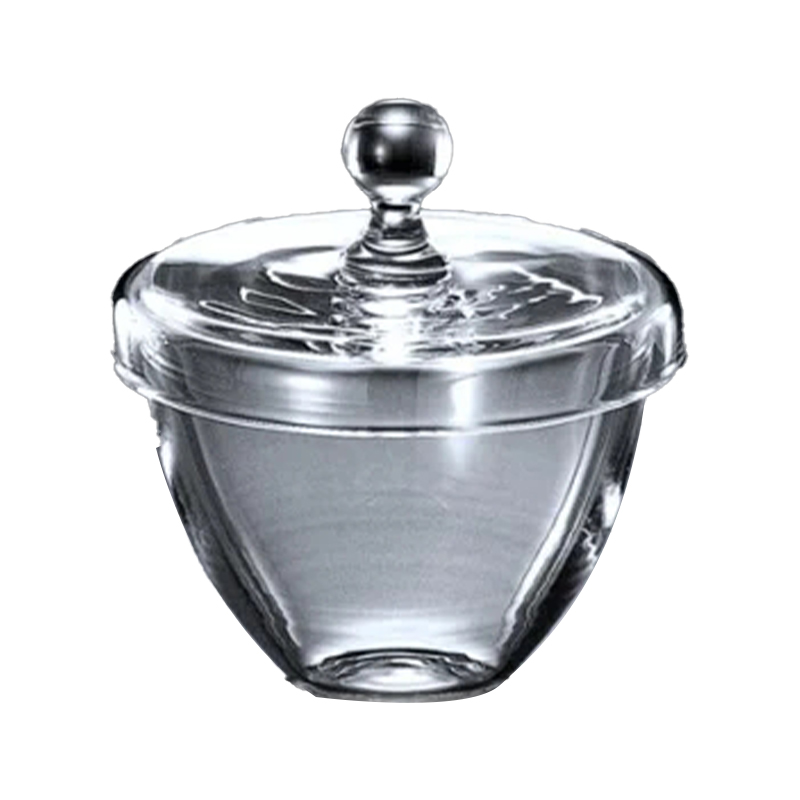
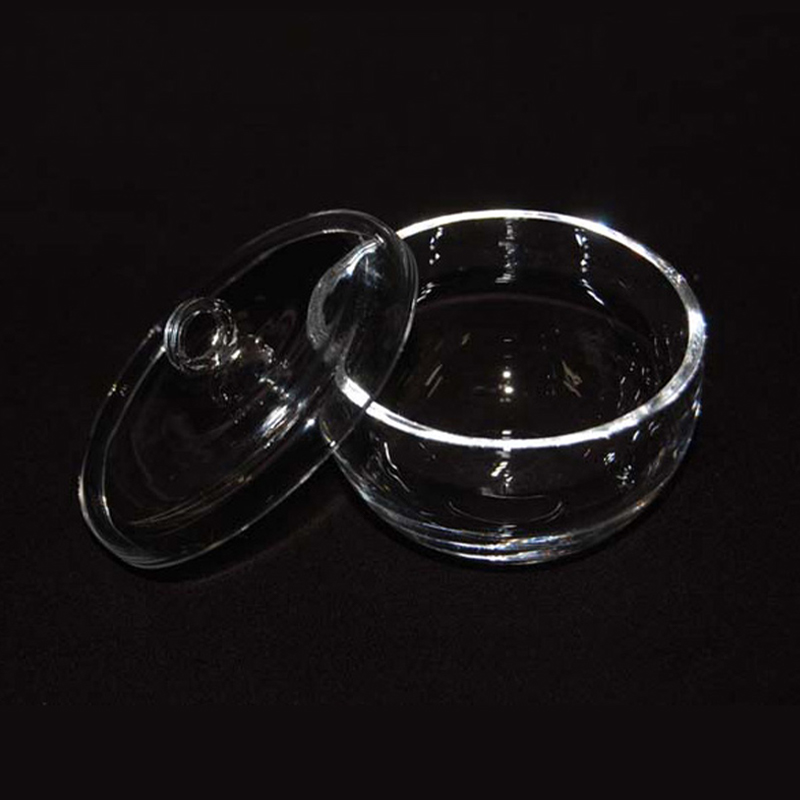
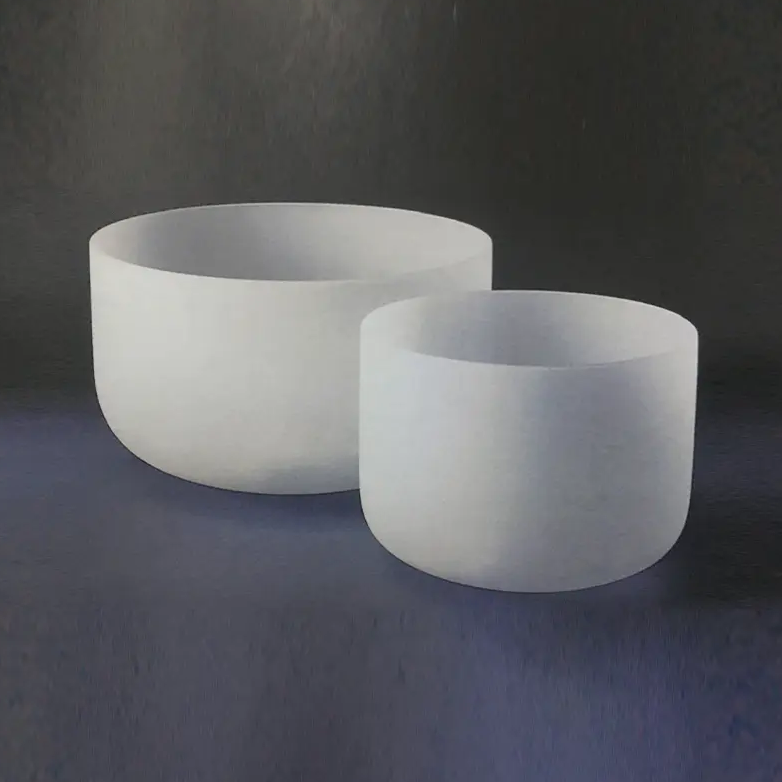
Transparent quartz crucible: Has a completely transparent appearance and more uniform heat conduction.
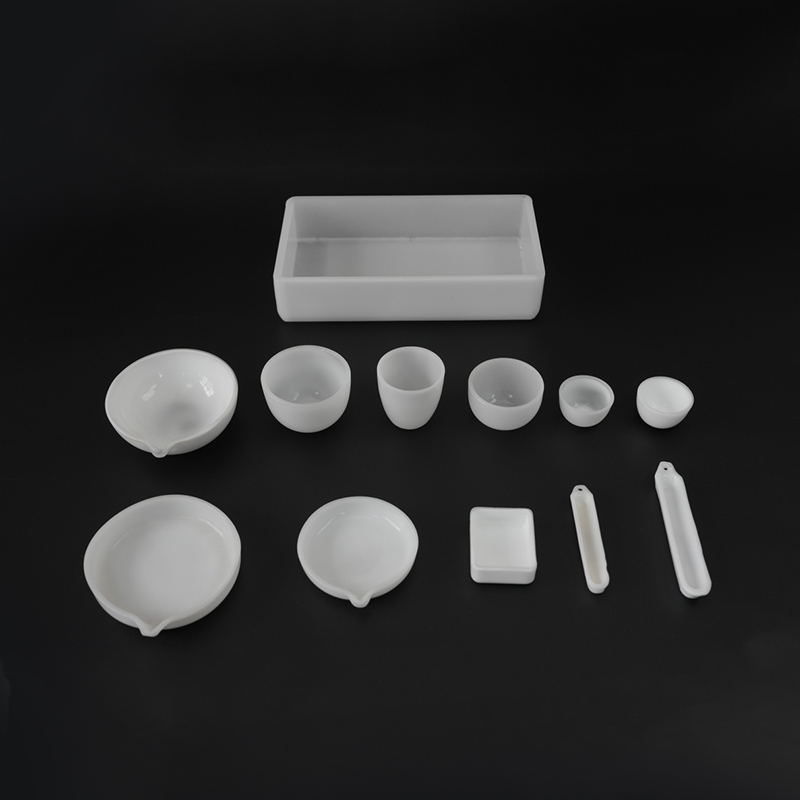
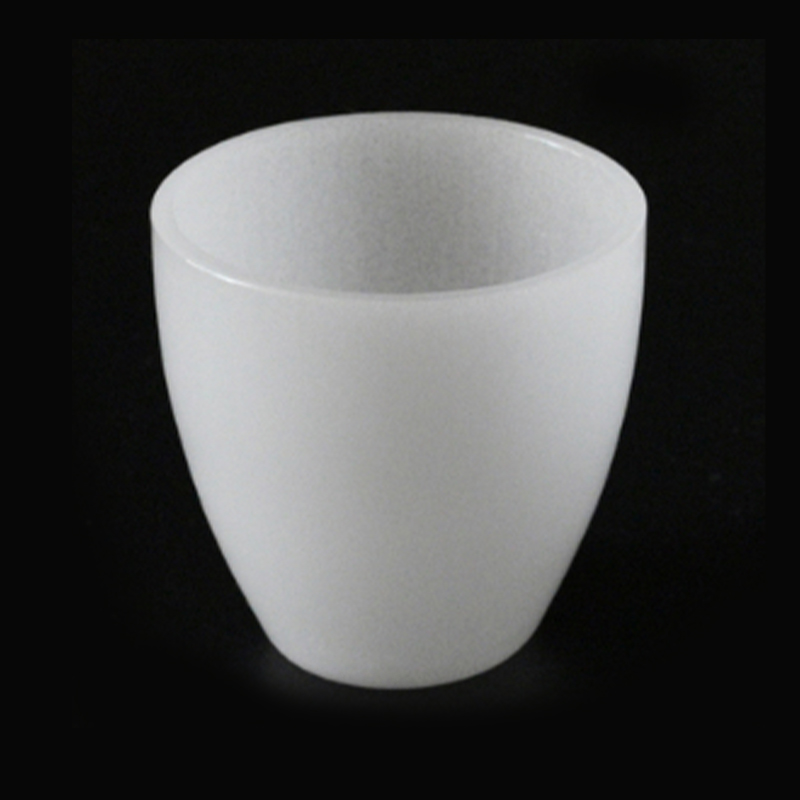
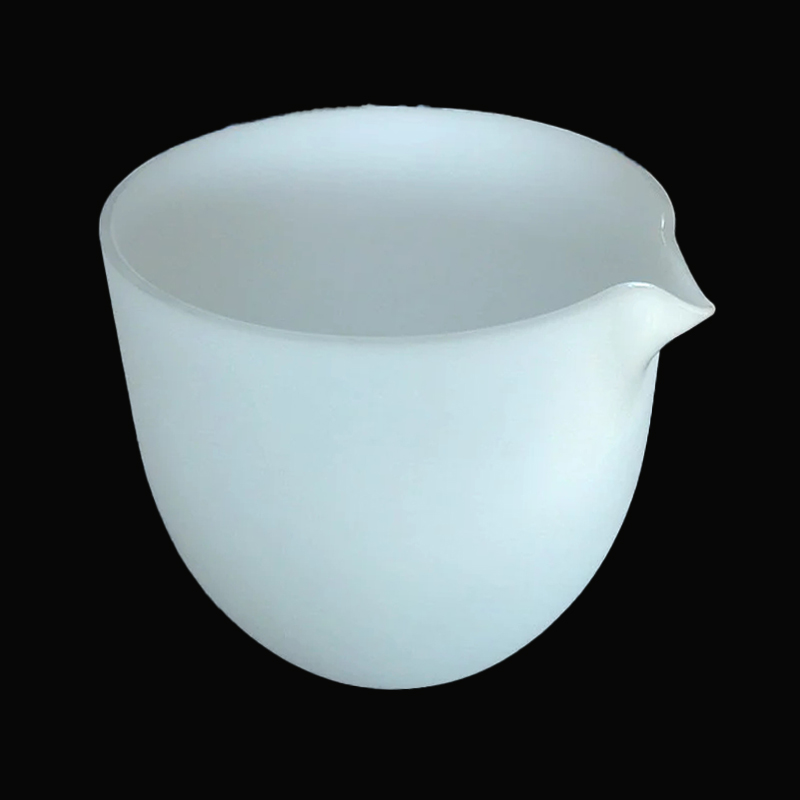
Opaque (milky white) quartz crucible: Contains a large number of air bubbles, mainly used for heat insulation and heat scattering.
Ordinary silica crucibles may have a texture closer to ceramic and lack the crystal-clear transparency of quartz. - Coefficient of Thermal Expansion: Quartz crucibles have an extremely low coefficient of thermal expansion, meaning that they can maintain structural stability and are less prone to cracking under extreme temperature changes (rapid cooling and heating).
II. Core Advantages and Application Scenarios of Quartz Crucibles
As a "behind-the-scenes hero" in the semiconductor and new energy industries, quartz crucibles are irreplaceable in the following fields due to their unique physical and chemical properties:
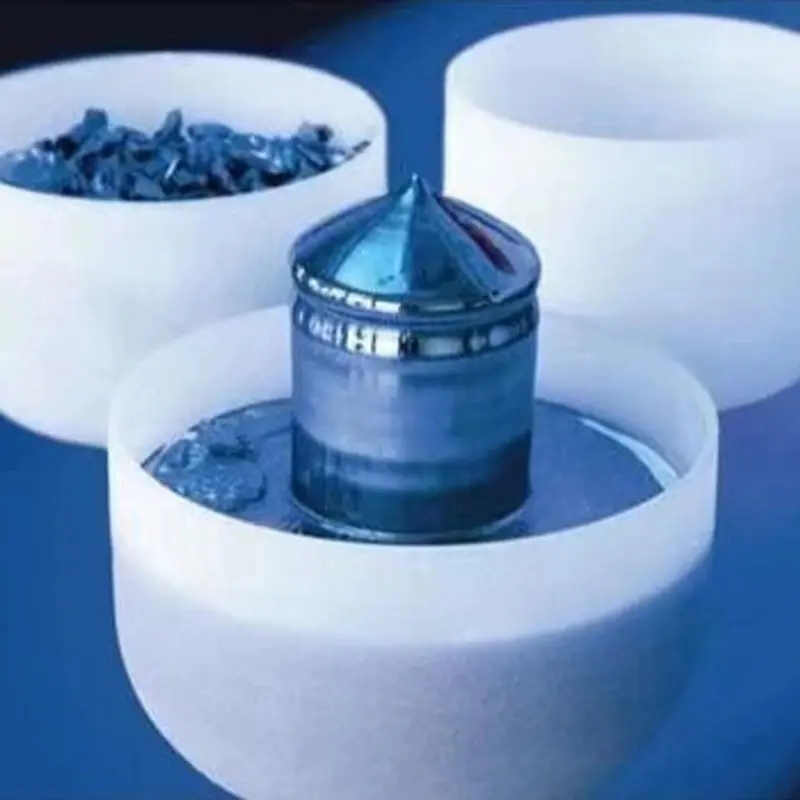
- Photovoltaic Industry: In the single-crystal silicon pulling process, the quartz crucible serves as a container for the molten polycrystalline silicon. Its high purity ensures the electrical performance of the silicon wafers and prevents heavy metal impurities from contaminating the crystal.
- Semiconductor Field: With the development of advanced processes, higher demands are placed on the surface flatness and trace element control of quartz crucibles to accommodate the production of large-sized wafers such as 12-inch wafers.
- High-Temperature Analytical Experiments: In the laboratory, quartz crucibles are resistant to most acids (except hydrofluoric acid), making them an ideal choice for strong acid sample digestion.
III. Selection and Maintenance: How to extend the service life of quartz crucibles?
To ensure production efficiency and reduce costs, the correct use of quartz crucibles is crucial:
- Prevent fingerprint contamination: The salts in hand sweat contain alkali metal ions, which accelerate the crystallization of the quartz crucible at high temperatures (i.e., the appearance of white spots), severely shortening its service life. Dust-free gloves must be worn during installation.
- Strictly control the temperature: Although quartz crucibles are high-temperature resistant, prolonged operation at extreme temperatures can lead to softening and deformation.
- Avoid physical impact: Quartz is brittle, and any minor mechanical damage can develop into cracks during high-temperature heating.
Although silicon dioxide is their common base material, quartz crucibles represent the highest level of this material in industrial applications. In modern high-tech production lines with stringent requirements for purity and temperature resistance, choosing high-quality quartz crucibles is key to ensuring yield.
Featured Products
Copyright © Yancheng Mingyang Quartz Products Co., Ltd. All Rights Reserved.
Wholesale Quartz Products Manufacturer Quartz Glass Factory