

 +86-0515-86223369
  0
0 en
en English
 日本語
日本語 Español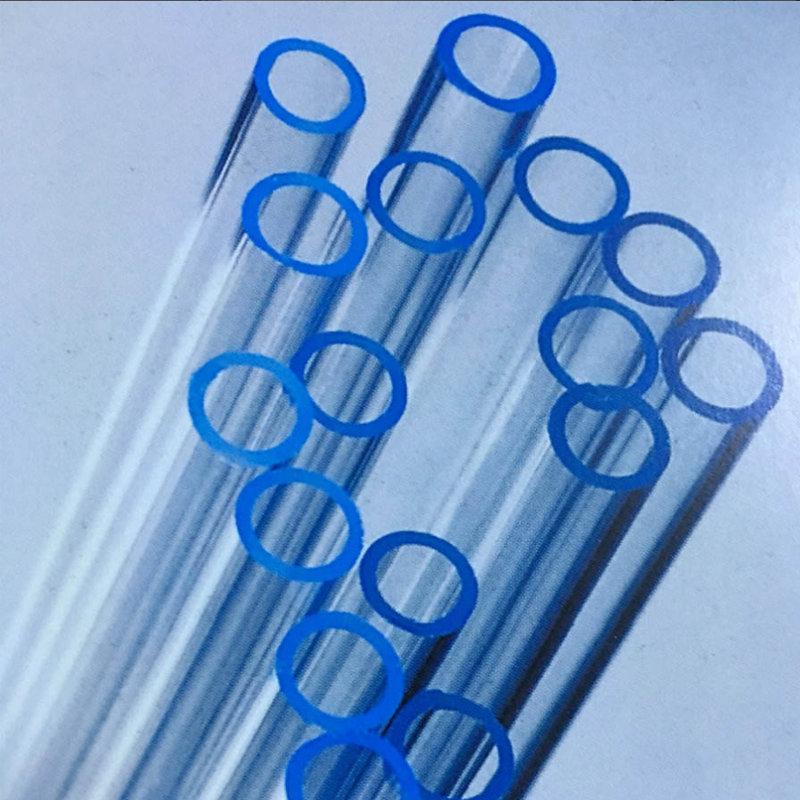


If you need any help, please feel free to contact us
 Products & Solutions
Home / News / Industry News / Devitrification in Glass: Causes, Prevention and Material Selection for Fused Silica
Devitrification in Glass: Causes, Prevention and Material Selection for Fused Silica
Content
- 1 What Is Devitrification in Glass?
- 2 The Science of Devitrification: Nucleation, Crystal Growth and Cristobalite
- 3 Which Glasses Devitrify Most: Susceptibility by Composition
- 4 How Temperature and Time Drive Devitrification in Glass
- 5 Common Causes of Devitrification in Glass
- 6 Devitrification in Kiln-Formed and Art Glass
- 7 Devitrification in Quartz and Fused Silica: A Different Threshold
- 8 Application Scenarios and Selection Points for High-Temperature Glass
- 9 The Hidden Damage: Thermal Expansion Mismatch in a Devitrified Layer
- 10 Prevention Checklist: Handling, Cleaning and Thermal Schedules
- 11 Can Devitrification Be Repaired? Remediation Options
- 12 Maintenance and Service-Life Planning for Quartz Components
- 13 How a Quartz Manufacturer and Supplier Helps Control Devitrification
- 14 Frequently Asked Questions About Devitrification in Glass
- 14.1 What is devitrification in glass, in simple terms?
- 14.2 At what temperature does fused silica start to devitrify?
- 14.3 How can I tell devitrification apart from dirt, kiln wash residue or bubbles?
- 14.4 Can devitrification be removed or reversed?
- 14.5 Why did my quartz tube or lamp envelope fail after a single overheat?
- 14.6 Does devitrification matter if the part is not optical?
- 14.7 Should I choose quartz or borosilicate for high-temperature service?
- 14.8 How do I extend the life of quartz furnace tubes?
- 15 Related Resources on Our Site
Devitrification in glass is the process by which a smooth, amorphous surface slowly reorganizes itself into crystalline material, and the practical way to control it is to manage three variables: material purity, surface cleanliness, and time at temperature. A maintenance technician who pulls a quartz furnace tube out of a diffusion furnace after a long campaign will often find a milky, faintly rough ring around the hottest zone. A kiln worker who opens the lid a few minutes too late may see a dull, chalky film on what should have been a glossy tile. Both are looking at the same physics: silica units that were frozen into a random network during manufacturing have found enough thermal energy, and enough surface defects to seed them, and have begun stacking into ordered crystals. The result is rarely sudden failure on the first day, but it quietly changes how a part looks, how it transmits light, how it expands with heat, and when it will eventually break. The sections below explain what devitrification actually is, why some glasses shrug it off while others suffer within hours, how temperature, time and contamination drive it, and what buyers of quartz tubes, crucibles and custom quartzware can specify to keep it under control.
Key takeaway: devitrification is surface crystallization driven by heat, time and contamination, and all three levers sit in the hands of the buyer and the manufacturer.
What Is Devitrification in Glass?
Glass is an amorphous solid: a material cooled so quickly from the melt that its atoms never had time to settle into a repeating crystal lattice. The word comes from the Latin vitreus, meaning glassy, and devitrification literally means the loss of that glassy character. Thermodynamically, the amorphous state is metastable - the same atoms would be more comfortable in a crystalline arrangement - but at room temperature they are kinetically trapped. Add heat, and the trap opens. Nuclei form, almost always on the surface where defects and impurities lower the energy barrier, and they grow into crystalline phases such as cristobalite in silica-based glasses.
Visually, devitrification shows up as a whitish or grayish haze, a dull scum-like film, or a rough orange-peel texture that was not there before firing. Studio glass workers call it simply devit, and one of its defining features is that it will not wash off, because it is not a deposit sitting on the glass - it is the glass itself, chemically the same material but structurally transformed. Severe cases develop fine cracks and eventually flake, because the crystal layer and the glass underneath no longer move together during heating and cooling.
It helps to know what devitrification is not. Trapped bubbles sitting just below the surface, kiln-wash residue, and certain atmospheric deposits can all produce a cloudy look that gets blamed on devit. A quick check helps: true devitrification feels slightly rough or scummy, survives aggressive cleaning, and in furnace parts concentrates in the hottest zones, while bubbles are smooth to the touch and residue either wipes away or sits under a still-glossy surface. In other words, look closer before you diagnose, because the remedy is completely different.
- A whitish or grayish haze that appears only after firing or extended heating.
- A dull, scummy film that does not respond to cleaning.
- A rough, orange-peel texture on a surface that was glossy before.
- Fine crazing or flaking after repeated thermal cycles in advanced cases.
- In quartz furnace components, a milky band concentrated in the hot zone.
Key takeaway: devitrification is the glass itself beginning to crystallize, not dirt on the surface, which is why no amount of washing will ever remove it.
The Science of Devitrification: Nucleation, Crystal Growth and Cristobalite
Devitrification needs two things at once: a thermodynamic reason for the atoms to reorder, and kinetic freedom for them to actually move. Fused silica provides the first automatically - amorphous SiO2 is metastable, and the crystalline polymorphs such as cristobalite and tridymite sit at a lower energy state. What pure silica lacks, at least at moderate temperatures, is the second: without network-modifying ions, the atoms barely migrate below about 1000 degrees C, so the disorder persists indefinitely. That is the kinetic wall that keeps glass a glass.
Contamination punches holes in that wall. Alkali ions such as sodium and potassium - carried by fingerprints, dust, kiln wash, refractory particles or vapors from neighboring materials - act as fluxes. Locally, they loosen the silica network, lower its viscosity, and give silicon and oxygen atoms the mobility they were missing. Every salt residue, every scratch, and every ground surface with micro-damage becomes a potential nucleation site. Once a few crystals exist, growth accelerates, because crystal edges present ready-made templates for further ordering.
The phase that forms in silica glass is cristobalite, and it brings two unwelcome gifts. First, its coefficient of thermal expansion is roughly twenty times that of fused silica, so the devitrified layer and the substrate pull against each other during every thermal cycle. Second, cristobalite undergoes a rapid inversion between its alpha and beta forms in the 200 to 275 degrees C range, with an abrupt dimensional change of a few percent. Together these effects micro-crack the transformed layer, which is why long-used furnace tubes look milky, feel rough, and eventually shed flakes.
The same physics operates on far longer timescales in nature. Volcanic glasses such as obsidian devitrify over geological time, and geologists read the crystallization state of natural glasses to reconstruct thermal histories - a reminder that the amorphous state is always a frozen race between temperature and time, whether the timescale is a firing cycle or a million years.
| Amorphous fused silica - the glass you want | Cristobalite layer - what forms when it fails |
|---|---|
|
|
Key takeaway: alkali contamination plus heat is the classic recipe for devitrification, so purity and surface condition buy most of the real-world resistance.
Which Glasses Devitrify Most: Susceptibility by Composition
Not all glasses are equally exposed. The single most important compositional factor is the amount of network-modifying oxides - chiefly the alkali and alkaline-earth oxides such as sodium, potassium, calcium and barium - that a glass contains. These ions loosen the silica network, lower the working temperature, and, as a side effect, make crystallization far easier once the glass sits in its vulnerable temperature window. This is why soda-lime glass, the most common commercial glass, is also the most devitrification-prone of the everyday families, and why certain opaque and opalescent art-glass colors, which contain more crystallization-friendly components, earn a reputation among fusers for turning scummy.
Borosilicate glass sits a clear step higher. With far less alkali and a boron-containing network, it resists crystallization much better than soda-lime, which is one reason it dominates laboratory glassware. It is not immune: lampworkers know that holding borosilicate too cool for too long in the flame, or repeatedly reheating the same zone, produces a dull haze that then needs grinding or sandblasting to remove.
At the top of the ranking sit fused quartz and synthetic fused silica. With roughly 99.9 percent or more pure SiO2 and essentially no alkali modifiers, high-purity fused silica is one of the most devitrification-resistant commercial glasses available - provided the surface stays clean. Synthetic fused silica, made from high-purity chemical precursors, carries even lower metallic impurity levels than quartz melted from natural crystal, which translates into slightly better stability at extreme temperatures. Doped quartz tubing, for example titanium-bearing grades used for UV filtration, trades a small amount of that stability for tailored optical transmission, which is a rational engineering choice when the application needs it.
| Glass family | Typical hot-use window | Devitrification tendency | What drives it |
|---|---|---|---|
| Soda-lime (float, container, most fusing glass) | Fusing work around 760 to 820 degrees C | High, especially on long holds | Alkali and lime fluxes, surface contamination, repeated firing |
| Borosilicate (COE 33 laboratory and lampworking glass) | Torch work around 1100 to 1300 degrees C; kiln use far lower | Moderate when worked cold or reheated repeatedly | Sub-optimal working temperature, long local heats |
| Fused quartz (melted from natural quartz crystal) | Continuous service around 1000 to 1100 degrees C; short excursions toward 1300 | Low on clean surfaces; accelerates above roughly 1150 to 1200 | Alkali contamination, water vapor, cumulative hours at temperature |
| Synthetic fused silica | Similar ratings with better high-temperature stability | Lowest of the group | Residual metallic impurities, surface condition |
Key takeaway: the fewer alkali modifiers a glass contains, the harder it is to crystallize, which is why high-purity fused silica tops the stability ranking and soda-lime sits at the bottom.
How Temperature and Time Drive Devitrification in Glass
Temperature by itself does not decide whether devitrification in glass will occur; the deciding factor is how long the surface is held inside the range where crystals can nucleate and grow. For every silicate glass there is a window - for fused silica roughly between about 1000 and 1500 degrees C - in which atomic mobility is high enough for cristobalite to form but the glass is not fully fluid. Below that window the structure is effectively frozen in place, and above it a fully molten surface can actually dissolve small crystals back into the melt. The line chart below uses indicative values on a logarithmic scale to show how sharply the tolerable dwell time collapses as holding temperature rises, and how far a contaminated surface shifts the same curve. Treat the numbers as a pattern to reason with rather than a specification for any individual part.
On the clean, high-purity fused silica curve, a surface held near 1000 degrees C can log days or even weeks of continuous exposure before visible crystals appear, which is why properly specified quartz furnace tubes serve for many months. Move up to around 1200 degrees C and the same onset compresses into tens of hours; near 1300 to 1400 degrees C it can happen within a single working shift. The logarithmic vertical axis makes the pattern explicit: every gridline represents a tenfold change, and the curve drops through several of them across a temperature span that real equipment routinely reaches. The dashed curve tells the more important story for daily operations. With only a fingerprint's worth of alkali on the surface, the tolerable dwell time falls by one to two full decades - a week of margin becomes an afternoon. That is the reason cleanroom-style glove handling of quartz parts is not fussiness but failure prevention. Two further patterns deserve attention. First, ramping matters as much as soaking: passing quickly through the nucleation window does far less damage than dwelling inside it, which is why firing schedules for art glass call for brisk movement through the 700 to 900 degrees C range. Second, damage is cumulative and self-accelerating, because any crystals that have already formed act as seeds for the next cycle. Water vapor behaves like a milder version of alkali contamination, which is why dry atmospheres and proper venting measurably extend service life. Actual numbers vary with purity grade, hydroxyl content, wall thickness and furnace atmosphere, so the right habit is to log cumulative hours at temperature for each critical part and confirm grade-specific limits with your quartz supplier rather than relying on generic charts.
Key takeaway: devitrification risk rises exponentially with temperature and dwell time, and surface contamination can shorten the safe window by a factor of ten or more.
Common Causes of Devitrification in Glass
When a part comes back milky or scummy, the cause is almost always on a short list. Listing the mechanisms side by side with their countermeasures makes prevention concrete rather than abstract, and it also gives purchasing and maintenance teams a shared vocabulary for failure investigations.
| Cause | Mechanism | Practical prevention |
|---|---|---|
| Fingerprints and skin contact | Salts and organics on the surface act as fluxes and nucleation seeds | Powder-free gloves for all handling; solvent wipe before use |
| Dust, kiln wash and refractory particles | Foreign particles create heterogeneous nucleation sites | Clean, covered storage; freshly cleaned shelves and furniture |
| Long dwells at peak temperature | Once nucleated, crystals grow with every additional hour of soak | Shorten peak holds; ramp briskly through the vulnerable range |
| Repeated re-firing of the same part | Each cycle re-exposes the surface and adds seeds | Track firing history; use devitrification spray on refires |
| Alkali vapors from neighboring materials | Sodium from other glass or compounds migrates to the surface | Separate incompatible materials; use barrier layers in shared furnaces |
| Water vapor and humid atmospheres | Hydroxyl enhances atomic transport in the silica network | Dry process gases; vent kilns appropriately during critical ranges |
| Scratches and ground surfaces | Micro-damage lowers the nucleation barrier locally | Specify fire-polished surfaces for critical hot zones |
Fingerprints deserve special emphasis in quartz service. A quartz lamp envelope or furnace tube that runs above roughly 900 degrees C can fail from a single bare-handed touch, because the alkali salts left by skin seed cristobalite right where the glass is hottest and most stressed. The failure pattern is so consistent that lamp and tube makers treat fingerprint-induced devitrification as a handling defect rather than a material fault. Cleaning habits, glove discipline and covered storage cost almost nothing compared with the parts they protect.
Key takeaway: nearly every devitrification failure traces back to contamination, excess dwell time or both, so prevention is mostly a handling and scheduling discipline rather than a mystery.
Devitrification in Kiln-Formed and Art Glass
Kiln workers meet devitrification more often than any other community, because most fusing glass is soda-lime based and fusing schedules deliberately park the work inside its most vulnerable temperature window. The signature signs are a dull, whitish scum on the fired surface, an orange-peel texture, and a finish that no amount of cleaning restores. Opaque and opalescent colors are frequent offenders, and large open surfaces devit more readily than small pieces because there is more exposed area available for nucleation.
Prevention in the studio follows the same physics as prevention in industry. Clean the glass with alcohol or a dedicated glass cleaner just before loading, wear gloves from that point on, and keep kiln shelves washed and free of flaking debris. Firing schedules do the rest: move briskly through the 700 to 900 degrees C range rather than crawling, hold at peak only as long as the design actually requires, and avoid stacking repeated full-fuse cycles on the same piece. A devitrification spray - a thin ceramic-type parting coat applied before firing - gives vulnerable colors and refired pieces a cheap insurance policy by physically occupying the surface sites where crystals would otherwise nucleate.
When devit does appear, it can often be worked back. Light cases respond to diamond hand pads or sandblasting followed by a fire-polish pass; a re-fire to full fuse with devitrification spray on the surface usually restores gloss. A few studios even embrace the texture deliberately, letting a controlled matte crust become part of the design - a legitimate choice, as long as it is a decision and not an accident.
Key takeaway: in kiln work, devitrification is beaten by clean glass, clean shelves and brisk schedules, with devitrification spray as inexpensive insurance on the pieces you cannot afford to lose.
Devitrification in Quartz and Fused Silica: A Different Threshold
Because fused silica contains almost no network modifiers, its devitrification behavior sits in a different league from ordinary glass. On clean, high-purity surfaces, crystallization below about 1000 degrees C is so slow that it is practically unmeasurable over normal service lifetimes, which is why quartz tubes, rods and plates are trusted for continuous duty that would destroy soda-lime or borosilicate parts. Most suppliers rate clear fused quartz for continuous service around 1000 to 1100 degrees C, with short excursions toward 1200 to 1300 degrees C. Push past that envelope - or contaminate the surface - and the kinetic wall erodes quickly.
The classic failure signature in furnace service is a milky, rough band in the hot zone. Cristobalite crystals form first there, where the part spends its hottest hours, and the transformed layer then cracks during cooldown because it contracts far more than the glass beneath it. In semiconductor and laboratory furnaces this is not merely a cosmetic issue: a flaking devitrified layer releases particles into the process tube, and particle generation is precisely what these furnaces exist to prevent. For that reason, fabs and labs treat a visible milky ring as an end-of-life indicator and replace or rotate tubes on a planned schedule rather than waiting for breakage.
Material grade moves the threshold. Synthetic fused silica, with its lower metallic impurity content, holds out longer at extreme temperatures than quartz melted from natural crystal, and hydroxyl content matters as well - which is why Low-OH fused silica grades exist specifically for sustained high-temperature furnace duty. Doped grades, such as titanium-bearing tubing for UV filtration, deliberately trade a little stability for optical function, and a competent manufacturer will tell you honestly where that trade sits. Whatever the grade, handling rules never change: gloves only, no bare-hand contact with hot-zone surfaces, and covered storage to keep dust off parts waiting for installation.
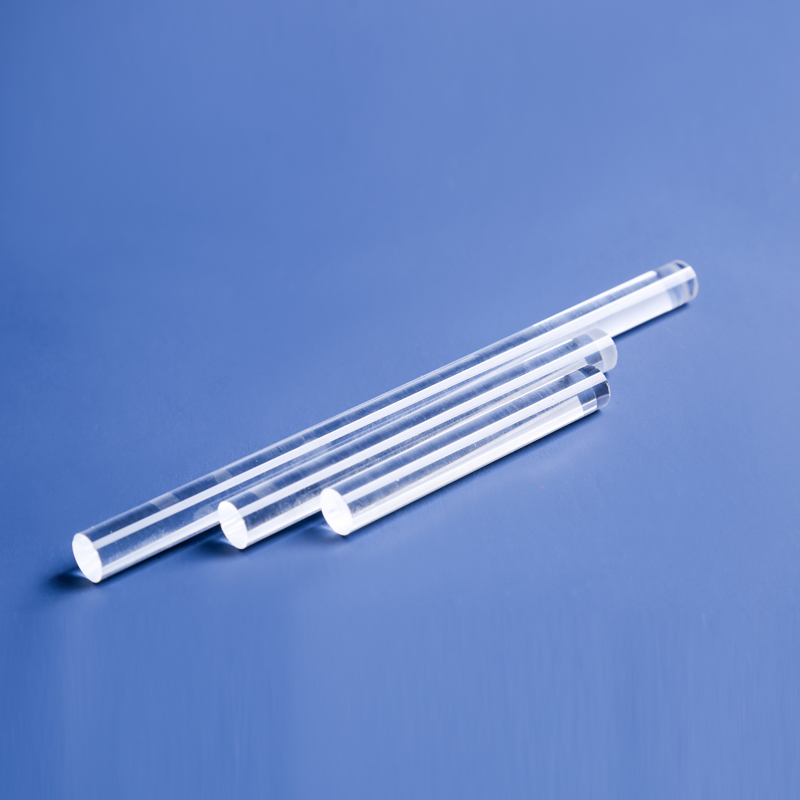
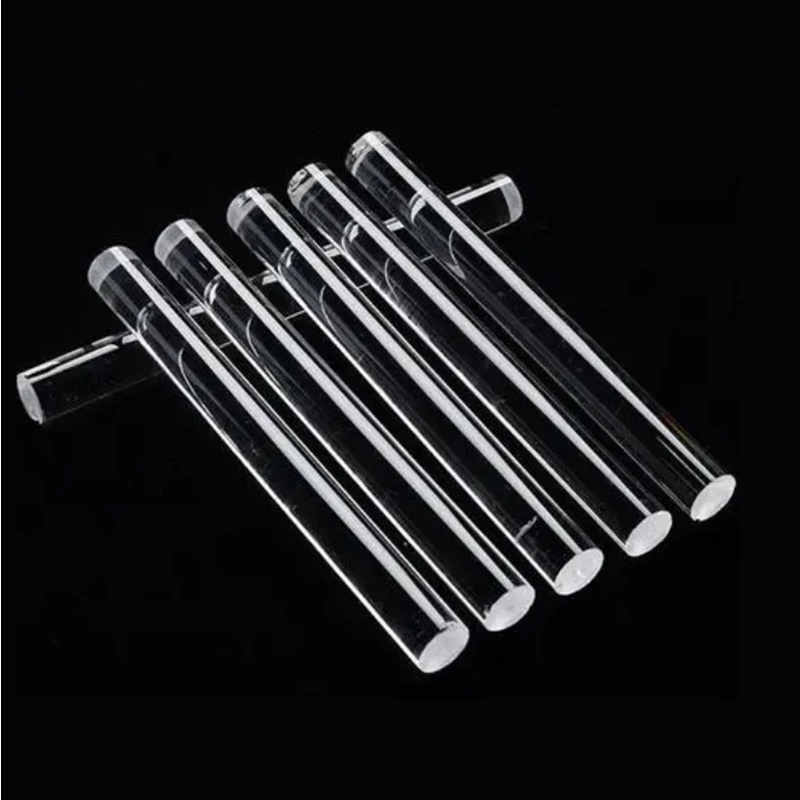
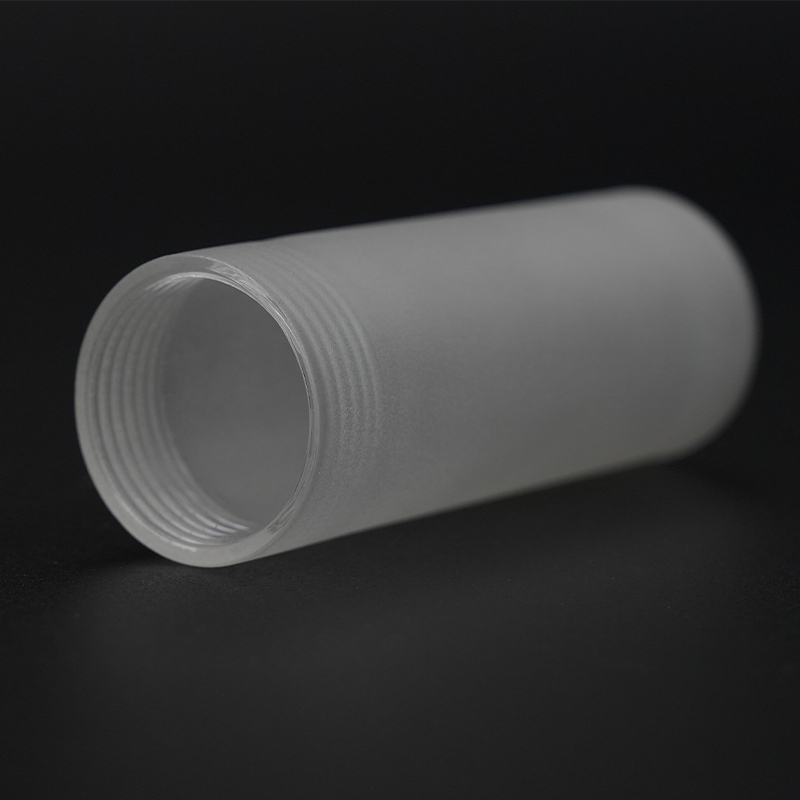
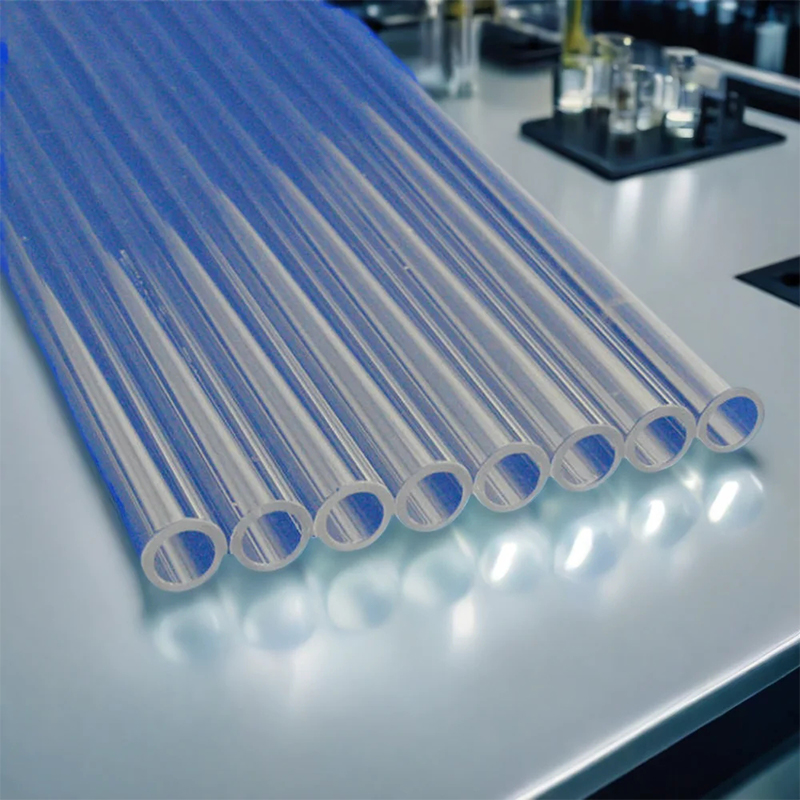 Transparent Quartz TubeThe SiO2 of transparent quartz tube reaches above 99.9, and it has excellent geometric dimensions, chemical stability, thermal stability, resistance to thermal denatur...View Product →
Key takeaway: high-purity fused silica resists devitrification better than almost any commercial glass, but the guarantee is void the moment alkali contamination meets a surface running past roughly 1100 degrees C.
Application Scenarios and Selection Points for High-Temperature Glass
Devitrification is not an academic concern in every application - in some it is the factor that sets service life. Knowing where it bites helps buyers ask the right questions before ordering rather than after a failure, and it turns a vague specification into a concrete purchase checklist.
| Application scenarios where devitrification sets limits | Selection points to discuss with your supplier |
|---|---|
|
|
Geometry matters more than most buyers expect. Wall thickness controls thermal mass and the steepness of gradients near cooled end fittings, and gradient is what turns a surface crystal layer into a cracking layer. Tolerances on large-diameter tubing and custom fabricated shapes determine how uniformly a part heats, and uniform heating is gentler on the glass than hot stripes. A manufacturer that offers custom quartzware fabrication, precision grinding and fire-polished finishing can tune all three levers - thickness, tolerance and surface condition - to the duty cycle you actually run.
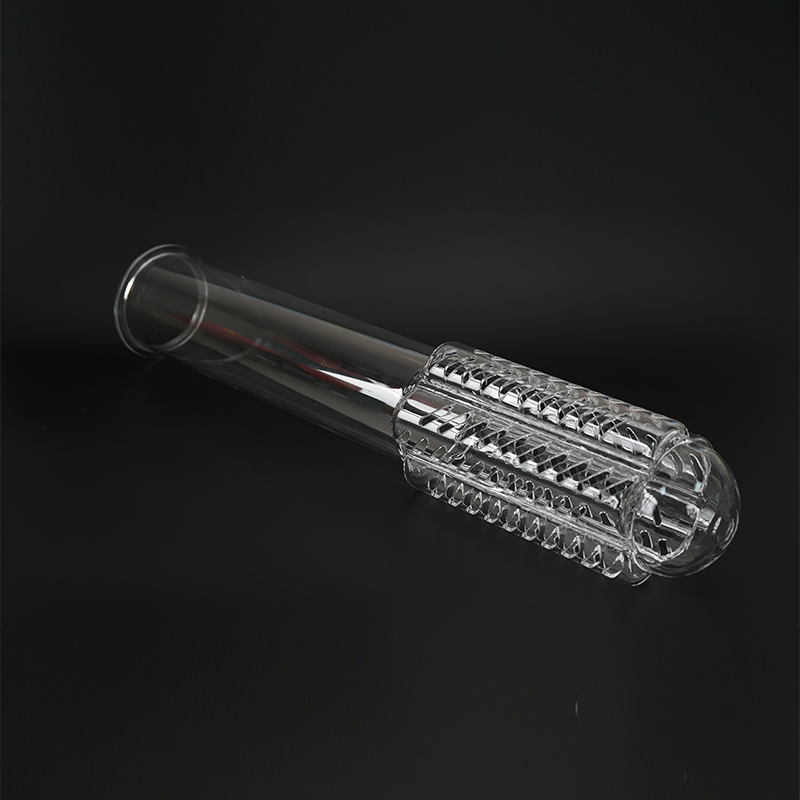
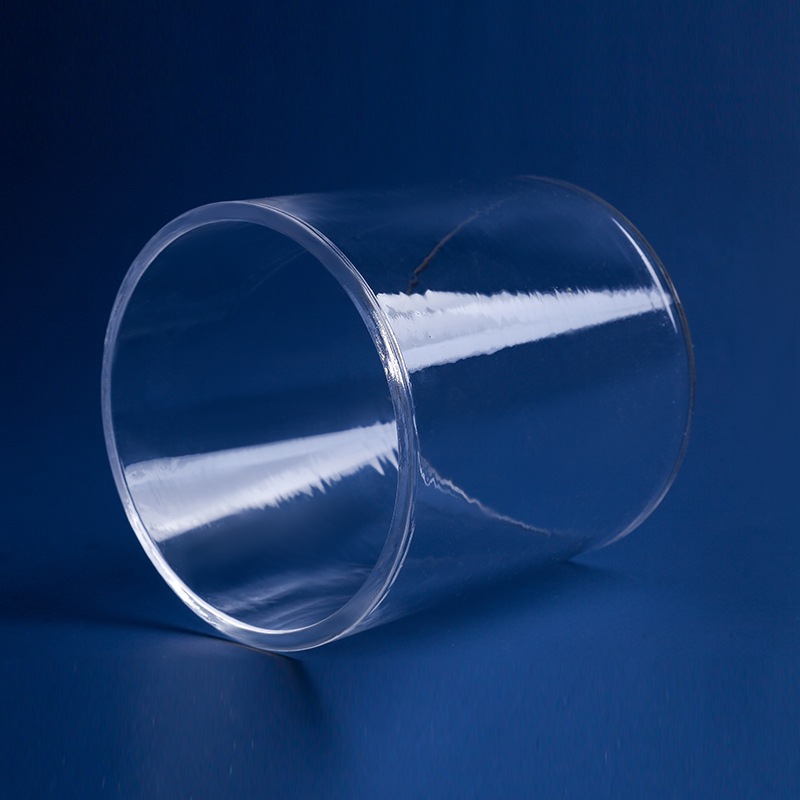
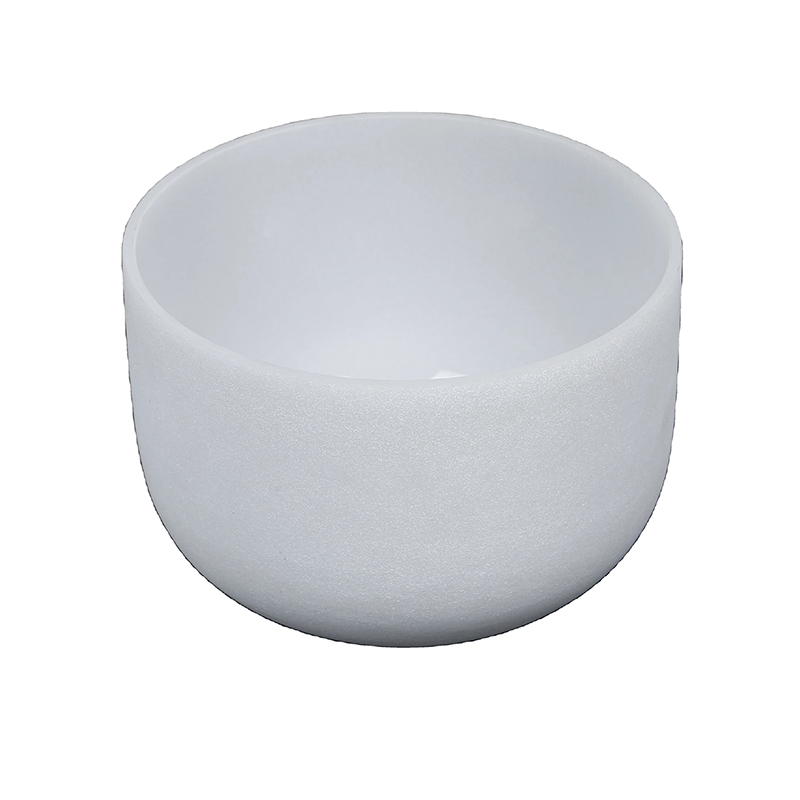 High-Purity Transparent Quartz Tube for Lamp and Thermal ApplicationsMade from SiO2 above 99.9% with over 93% optical transmittance, dehydroxylated grades below 10ppm OH support lamps and sustained high-temperature duty where contamination and devitrification resistance matter most.View Product →
Key takeaway: in the toughest applications, devitrification is a specifiable design parameter - grade, hydroxyl level, wall thickness and surface finish all move the service-life needle.
The Hidden Damage: Thermal Expansion Mismatch in a Devitrified Layer
Most buyers judge a devitrified surface by how it looks, but the expensive damage happens where the crystal layer meets the glass beneath it. Crystalline cristobalite and amorphous fused silica expand at very different rates when heated, and the chart below makes that gap visible. It compares typical linear thermal expansion coefficients, expressed in ppm per degree C, for fused silica, borosilicate glass, soda-lime glass and a cristobalite-rich devitrified layer. The bars are drawn to scale from commonly cited typical values for each material family. Once you see the ratio, the way devitrified parts crack and flake stops looking mysterious.
The bar chart explains why a devitrified surface is a structural problem and not just an aesthetic one. Fused silica expands by only about 0.55 ppm per degree C, among the lowest values of any engineering material, and that is the entire secret behind its legendary thermal shock resistance. Borosilicate glass, at roughly 3.3, remains comfortable in most laboratory duty. Soda-lime glass, near 9, needs gentler treatment. A cristobalite-rich devitrified layer, however, expands at around ten to twelve ppm per degree C - roughly twenty times the rate of the fused silica beneath it - and it adds an abrupt inversion-related dimensional jump as it passes through the 200 to 275 degrees C window. Picture the sequence on a furnace tube: the crystal layer and the substrate heat and cool together, but they want to change size by very different amounts, so the interface accumulates stress with every cycle. Given enough cycles, that stress finds relief in micro-cracks running through the transformed layer. The milky appearance of a used tube is often as much crack scattering as it is crystal scattering. The consequences cascade: optical transmission drops as surfaces scatter light, mechanical strength falls because surface cracks are exactly the flaws that initiate breakage, flakes become process particles, and sealed components begin to leak at joints that no longer close cleanly. This is also why a devitrified part cannot simply be run backward - melting the crystals away would require remelting the whole component. For buyers, the practical translation is straightforward: specify wall thickness and geometry that limit gradients, run within the rated temperature envelope, and treat any milky hot-zone band as a scheduled replacement trigger rather than a cosmetic blemish.
Key takeaway: a devitrified layer expands about twenty times faster than the fused silica under it, so every thermal cycle stresses the part until it crazes, flakes or breaks.
Prevention Checklist: Handling, Cleaning and Thermal Schedules
Prevention costs minutes; replacement costs weeks. The checklist below condenses the physics above into habits that plants and studios can apply immediately, without new equipment or capital spending.
- Choose the right grade before anything else - high-purity or synthetic fused silica, Low-OH for sustained furnace duty, and electronic-grade material where particles cannot be tolerated.
- Clean parts immediately before first use with a suitable solvent and lint-free wipes, and never touch hot-zone surfaces with bare hands afterward.
- Store parts covered and off dusty shelving; contamination picked up in the storeroom fires into the surface later.
- Keep the furnace environment clean - fresh kiln wash, debris-free furniture, and dry process gases free of alkali-carrying vapors.
- Design thermal profiles to pass quickly through the nucleation range and to hold at peak only as long as the process truly requires.
- Track cumulative hours at temperature for critical components, not just the number of cycles, and schedule rotation or replacement from that log.
- Apply devitrification spray to vulnerable art-glass colors and to any piece facing a refire.
- Inspect hot zones during routine maintenance for the first milky patches, and act on them before they become flakes and breakage.
Key takeaway: a short list of inexpensive habits - gloves, cleaning, brisk ramps and hours-logging - prevents the majority of devitrification failures seen in real plants.
Can Devitrification Be Repaired? Remediation Options
The honest answer is: sometimes, and the right method depends on the part. In studio practice, light devitrification can usually be worked back. Diamond hand pads, sandblasting or acid-etching creams abrade the crystal layer away, and a re-fire to full fuse with devitrification spray on the surface restores gloss. The material lost is real - refiring a textured piece changes dimensions slightly - but for art glass that trade is usually acceptable.
Industrial quartz components follow stricter logic. Grinding away a devitrified layer is possible, and a quartz manufacturer with precision-grinding and polishing capability can restore a fire-polished-quality surface, but every pass removes wall thickness and changes dimensions, which matters on tubes with matched seals and boats with loading tolerances. Acid etching of fused silica is a professional operation involving hydrofluoric acid and belongs in a factory, never on site. The decisive question is whether inversion micro-cracking has begun: a thin, uniform crystalline haze may be recoverable, while a milky, crazed hot-zone band has already lost its structural integrity and should be retired.
It is equally important to say what remediation cannot do. Crystals cannot be reliably melted back at temperatures the part will see in service, because the nuclei and the transformed layer persist until full remelt, and full remelt is a manufacturing operation, not a repair. This is why well-run facilities keep spare tubes and crucibles on hand and treat devitrification as a planned maintenance event rather than an emergency phone call.
Key takeaway: light surface devitrification can often be ground or refired away, but a cracked, milky hot-zone layer means replacement - no in-service trick reverses it.
Maintenance and Service-Life Planning for Quartz Components
Quartz parts rarely fail without warning; they announce their remaining life if someone looks. A maintenance routine built around devitrification is simple: inspect hot zones for the first milky or rough patches, log cumulative hours at temperature for every tube and crucible, rotate furnace tubes end-for-end on a planned interval so the hot zone does not always sit in the same place, and clean parts gently between runs rather than scrubbing crystals into the surface. Storage discipline completes the loop - covered containers, clean shelving, and gloves for every handling event keep the surface condition that the purchase specification paid for.
Service life also depends on choosing the right configuration for the duty. The cards below summarize the most common quartz tubing configurations and where each one fits in a devitrification-conscious maintenance plan.
Transparent quartz tube
The default choice for general furnace and heater service where clean surfaces and visibility matter.
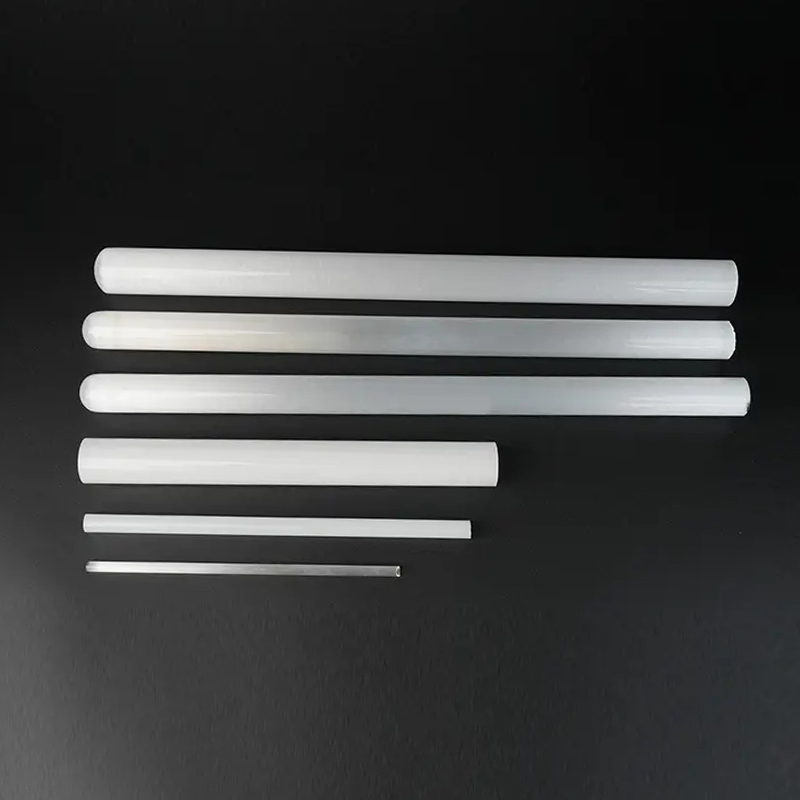
Milky quartz tube
Diffuses infrared radiation and tolerates rougher duty in heater sleeves and reflector applications.
Doped quartz tubing
Titanium-bearing grades filter UV wavelengths while keeping high-temperature performance.
Heavy-wall quartz sleeves
Added heat mass and wall thickness stretch hot-zone service life in the harshest positions.
Low-OH fused silica
Reduced hydroxyl content for sustained furnace duty where stability outranks transmission.
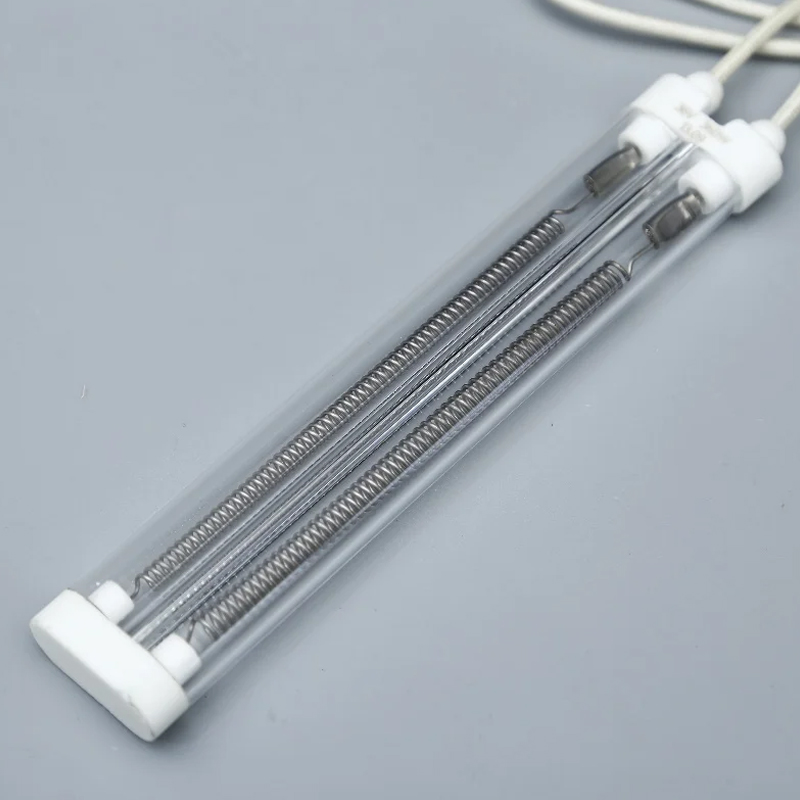
Infrared heating elements are a special case worth planning for, because their sleeves run hot for thousands of hours in dusty or humid environments. Surface contamination on a heating tube does double damage - it seeds devitrification and it changes emissivity, altering the heater's output. Sparing one heating tube per machine and replacing sleeves at planned intervals is far cheaper than an unplanned stop.
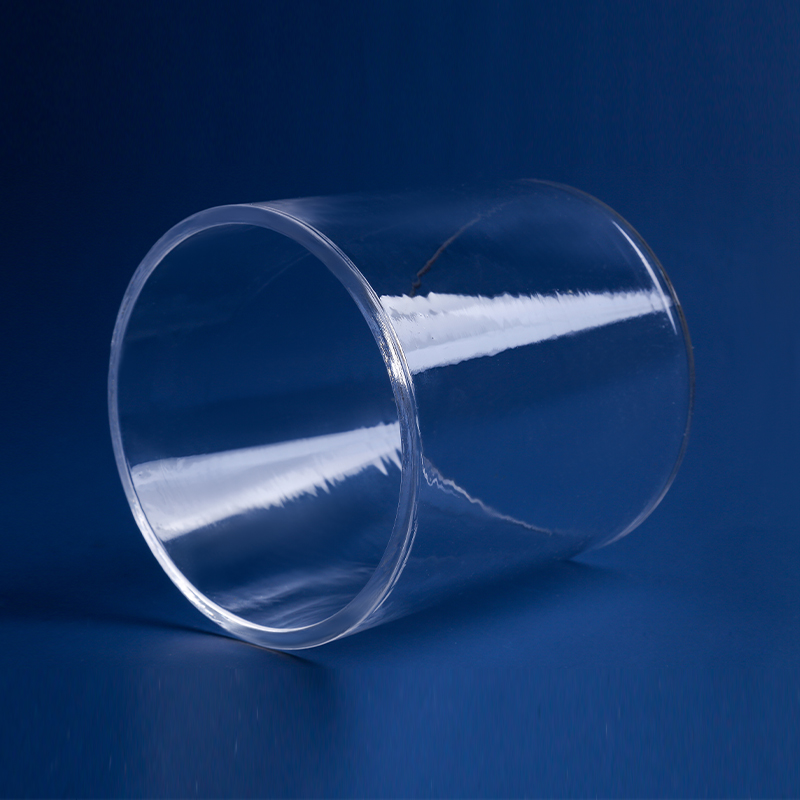
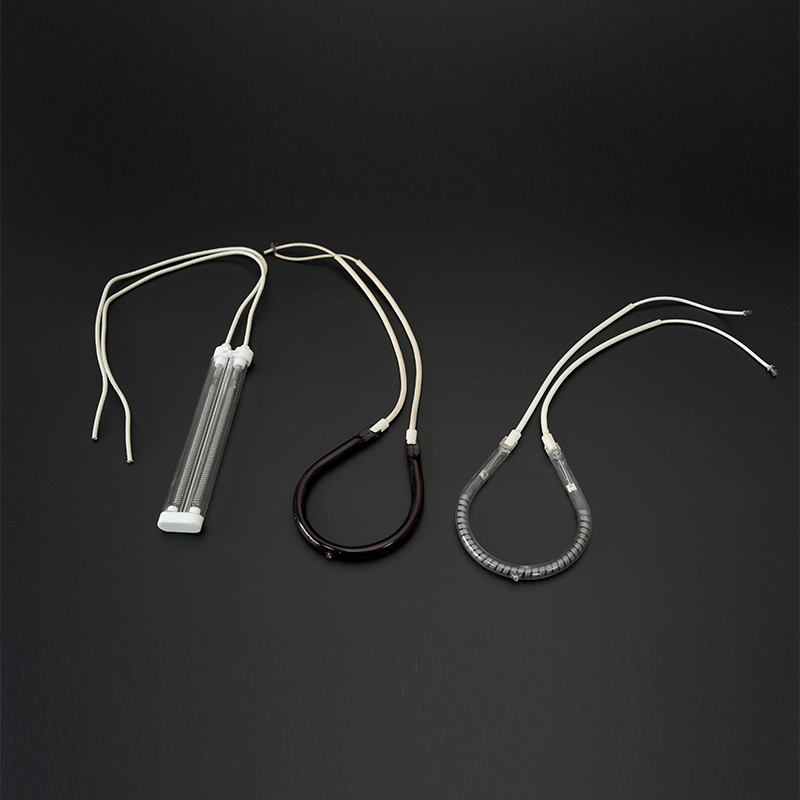 Semiconductor Electronic-Grade Quartz CrucibleRequiring SiO2 purity above 99.998% with impurities under 10ppm, this crucible suits demanding semiconductor processes where wall thickness, tolerance and surface finish directly affect service life.View Product →
Key takeaway: treat devitrification as a maintenance metric - inspect hot zones, log hours at temperature, rotate tubes and keep spares, and the failure mode moves from emergency to calendar entry.
How a Quartz Manufacturer and Supplier Helps Control Devitrification
Everything above converges on a single point: devitrification resistance is built into quartz products long before they reach a furnace, and that is where the manufacturer's discipline shows. It starts upstream with raw material - high-purity quartz powder and ingots with low alkali and metal content - and continues through melting, forming and finishing. Fire-polished surfaces leave fewer nucleation sites than ground ones; uniform wall thickness prevents the hot stripes that turn a surface haze into a cracking layer; and clean packaging and documentation protect the surface condition between the factory and your furnace.
Grade selection is where a capable supplier earns its keep. Semiconductor and electronic-grade quartz crucibles and tubes, solar-grade crucibles for photovoltaic crystal pulling, Low-OH grades for sustained furnace duty, JGS-graded optical plates for wavelength-critical windows, and doped tubing for UV filtration each sit at a different point on the stability-versus-function curve. A manufacturer that runs its own fabrication lines can also adjust the levers buyers rarely think to ask about: wall thickness maps, tolerance bands, fire-polished versus precision-ground finishes, and custom geometries from custom quartz windows to fully fabricated quartzware.
For distributors, wholesalers and OEM buyers, consistency matters as much as peak performance. Batch-to-batch stability in purity and dimensions means that a replacement tube behaves like the one it replaces, which is what makes planned rotation programs workable. Add responsive quotation, technical documentation, factory certification and multilingual export support, and the supplier relationship becomes an extension of your own maintenance engineering. That is the model we work to at Yancheng Mingyang Quartz Products: a manufacturing base for quartz tubes, rods, plates, crucibles, laboratory glassware and heating elements, backed by custom fabrication services for buyers whose duty cycles demand more than a catalog part.
Key takeaway: devitrification control is a supply-chain property - purity at the melt, finish at the bench and consistency between batches determine how long your parts survive the furnace.
Frequently Asked Questions About Devitrification in Glass
What is devitrification in glass, in simple terms?It is the process by which an amorphous glass surface begins to form crystals, usually a whitish or grayish haze with a slightly rough, scummy feel. In silica glass the crystal that forms is cristobalite. Because the crystals are part of the glass itself rather than a deposit, the haze cannot be washed off, and in severe cases the surface develops micro-cracks and begins to flake. |
At what temperature does fused silica start to devitrify?On a clean, high-purity surface, crystallization below roughly 1000 degrees C is so slow that it is negligible for normal service. Measurable cristobalite growth typically appears above about 1100 to 1200 degrees C, and it accelerates sharply with every additional 100 degrees. Contamination changes the picture dramatically: alkali residues from fingerprints or dust can shorten the safe window by a factor of ten in time. Exact limits depend on the purity grade, hydroxyl content and atmosphere, so ask your quartz manufacturer for data on the specific grade you are buying. |
How can I tell devitrification apart from dirt, kiln wash residue or bubbles?True devitrification is part of the glass, so it feels slightly rough, survives aggressive cleaning, and in furnace parts concentrates in the hottest zones. Kiln wash and dirt either wipe off or sit on the surface; bubbles sit below a still-smooth and glossy skin. If a haze appeared only after heating and will not clean away, devitrification is the safe assumption. |
Can devitrification be removed or reversed?Studio pieces can often be recovered by abrading or sandblasting the surface and re-firing with a devitrification spray. Industrial quartz parts can be restored by a manufacturer with precision grinding and polishing capability, as long as the crystal layer is thin and no inversion cracking has begun. Once the surface is milky and crazed, the part should be replaced, because melting the crystals back would require remelting the entire component. |
Why did my quartz tube or lamp envelope fail after a single overheat?The most common culprit is contamination plus heat. Alkali salts from a bare-handed touch or a dusty surface seed cristobalite crystals within hours at elevated temperature, and the resulting layer cracks during cooldown because it expands and contracts far more than the underlying silica. The part then fails at the milky band even though the glass itself was rated for the temperature. |
Does devitrification matter if the part is not optical?Yes. Beyond light scattering, a devitrified layer lowers mechanical strength, sheds particles, changes surface emissivity on heating elements, and compromises vacuum seals. In semiconductor and laboratory furnaces, particle generation from a flaking tube is itself a process failure, which is why such tubes are replaced on schedule rather than run to breakage. |
Should I choose quartz or borosilicate for high-temperature service?Let the thermal budget decide. Borosilicate serves reliably to roughly 450 to 500 degrees C in most designs and offers good chemical durability at moderate cost. Clear fused quartz carries continuous service ratings around 1000 to 1100 degrees C with short excursions higher, plus superior purity and UV transmission. If your process regularly exceeds about 500 degrees C, quartz is usually the only rational choice. |
How do I extend the life of quartz furnace tubes?Handle with gloves, clean before installation, ramp quickly through the nucleation range, keep dwells at peak as short as the process allows, and log cumulative hours at temperature. Rotate tubes end-for-end at planned intervals, inspect hot zones for early milky patches, and keep certified spares on hand. Most premature failures trace to handling contamination or unlogged over-temperature events, both of which are fully preventable. |
Key takeaway: if a question about devitrification has a short answer, it is this - control purity, cleanliness and hours at temperature, and the phenomenon stays under control.
Related Resources on Our Site
For readers planning a purchase or a furnace maintenance program, these pages on our site go deeper into the material grades and product basics mentioned above.
- Low-OH fused silica tubing and rods for sustained high-temperature furnace duty
- What Is a Quartz Glass Tube? A practical introduction for buyers
Our team also supplies semiconductor and solar-grade quartz crucibles, optical plates, laboratory glassware and custom fabricated quartzware, and we are glad to discuss grade selection, tolerances and replacement planning for your specific duty cycle.
Key takeaway: the fastest route to devitrification-resistant parts is a short conversation about grade, geometry and duty cycle with the manufacturer who will make them.
Devitrification in glass rewards buyers who think in hours at temperature instead of catastrophe stories. The phenomenon is well understood, the warning signs are visible early, and the countermeasures are mostly cheap: the right grade, a clean surface, a brisk thermal schedule and a maintenance log. Specify those four things with your quartz supplier and the milky ring in the hot zone becomes a planned calendar event instead of an unplanned outage.
Key takeaway: purity, cleanliness, thermal discipline and planned replacement turn devitrification from an unpredictable failure into a managed variable.
Featured Products
Copyright © Yancheng Mingyang Quartz Products Co., Ltd. All Rights Reserved.
Wholesale Quartz Products Manufacturer Quartz Glass Factory