

 +86-0515-86223369
  0
0 en
en English
 日本語
日本語 Español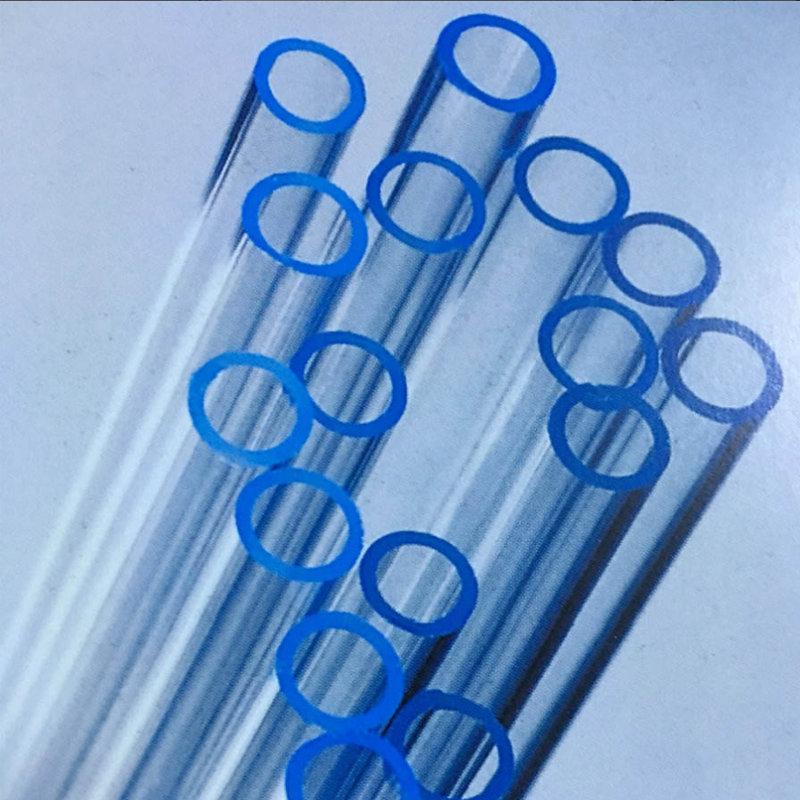


If you need any help, please feel free to contact us
 Products & Solutions
Quartz Glass Products: A Complete Guide to Types and Uses
Content
- 1 Quartz Glass Products: A Direct Overview
- 2 How Quartz Glass Is Made and Why Purity Matters
- 3 Product Category Distribution: A Visual Breakdown
- 4 Comparing Heat Resistance Across Product Groups
- 5 Clarity Improvement Across Processing Stages
- 6 Temperature Resistance of Quartz Heating Elements
- 7 Selection Criteria by Application
- 8 Handling and Maintenance Guidance
- 9 Working with a Quartz Glass Manufacturer
- 10 Frequently Asked Questions
- 10.1 Q1: What makes quartz glass different from ordinary laboratory glass?
- 10.2 Q2: Why is quartz glass used for heating tube housings?
- 10.3 Q3: Are quartz sound healing instruments made from the same material as laboratory quartz glass?
- 10.4 Q4: Can a quartz glass manufacturer support custom product configurations?
Quartz Glass Products: A Direct Overview
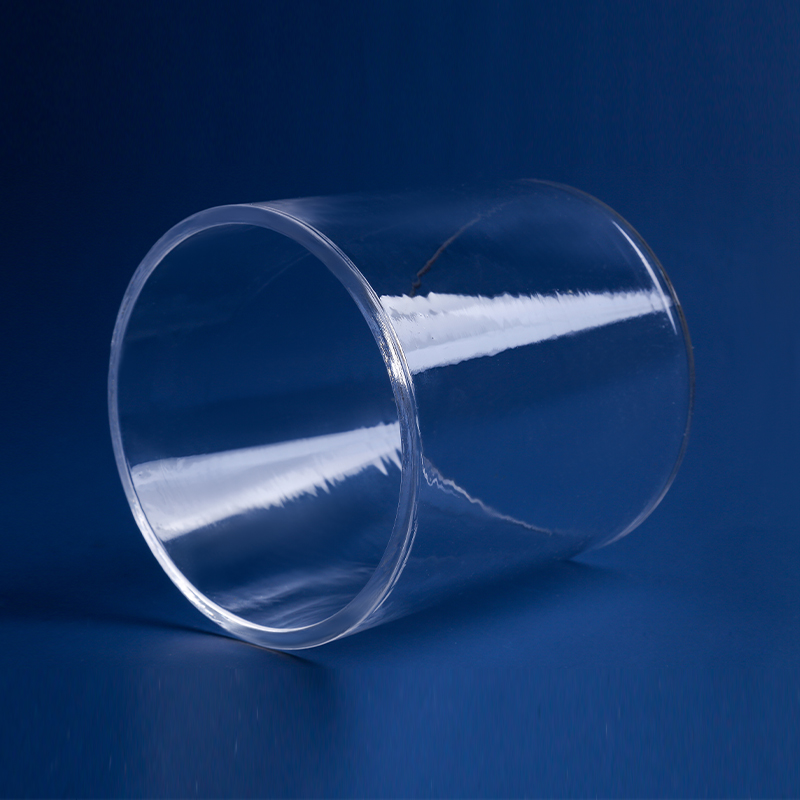
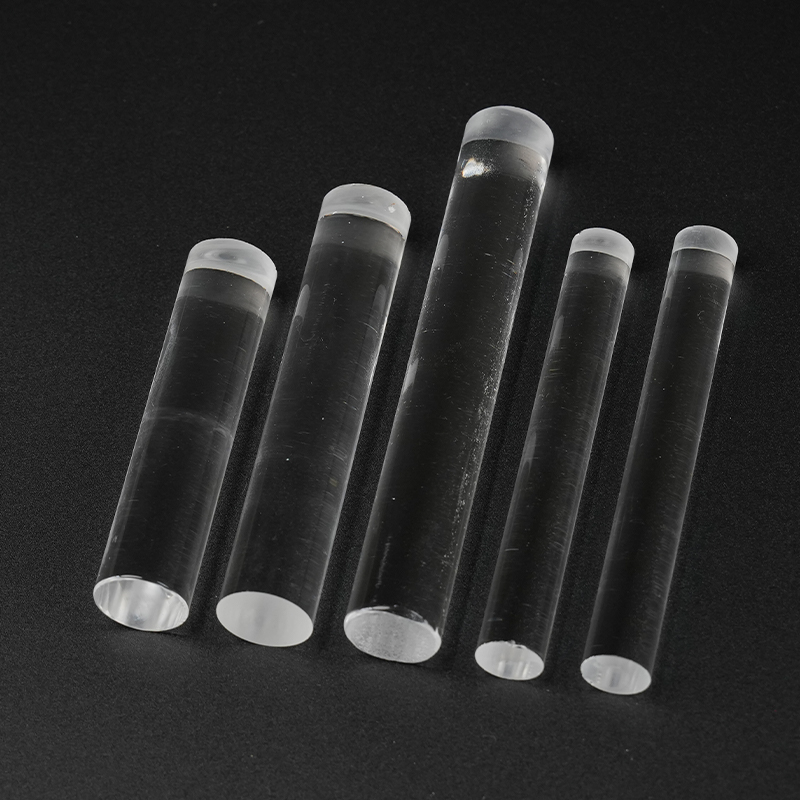
Quartz glass products are chosen over ordinary glass whenever a project needs high thermal stability, strong optical clarity, or resistance to chemical attack. Fused quartz glass can generally withstand much higher operating temperatures than standard borosilicate or soda-lime glass, which is why quartz glass tube, quartz crucible, and quartz glass rod items are the default choice across laboratory, industrial heating, and optical applications. This article works through the main categories of quartz glass products, explains the structural reasons behind their performance, compares product types using simple data visualizations, and closes with a practical selection and maintenance guide.
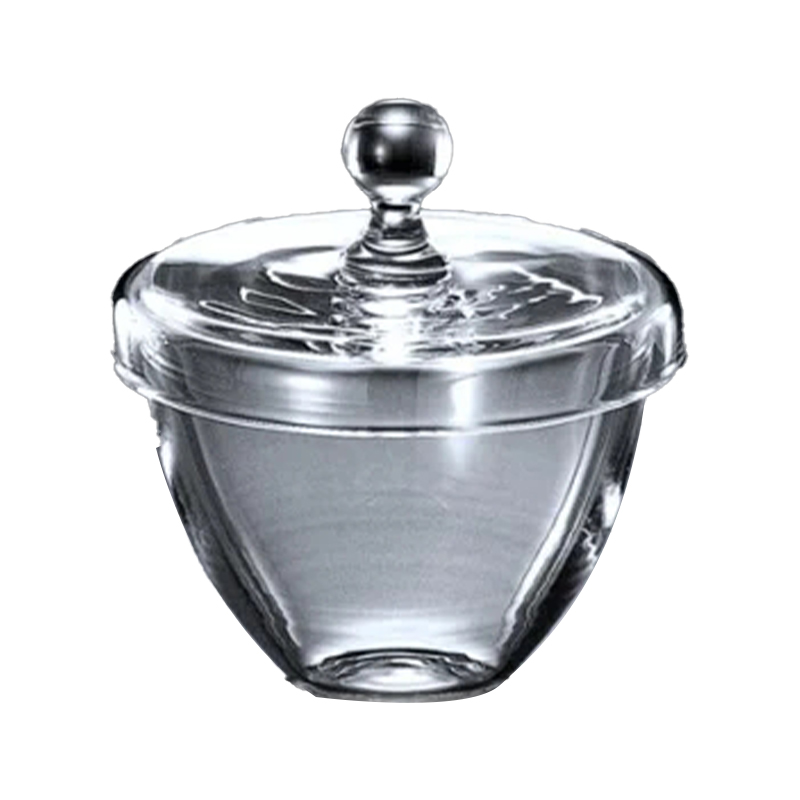
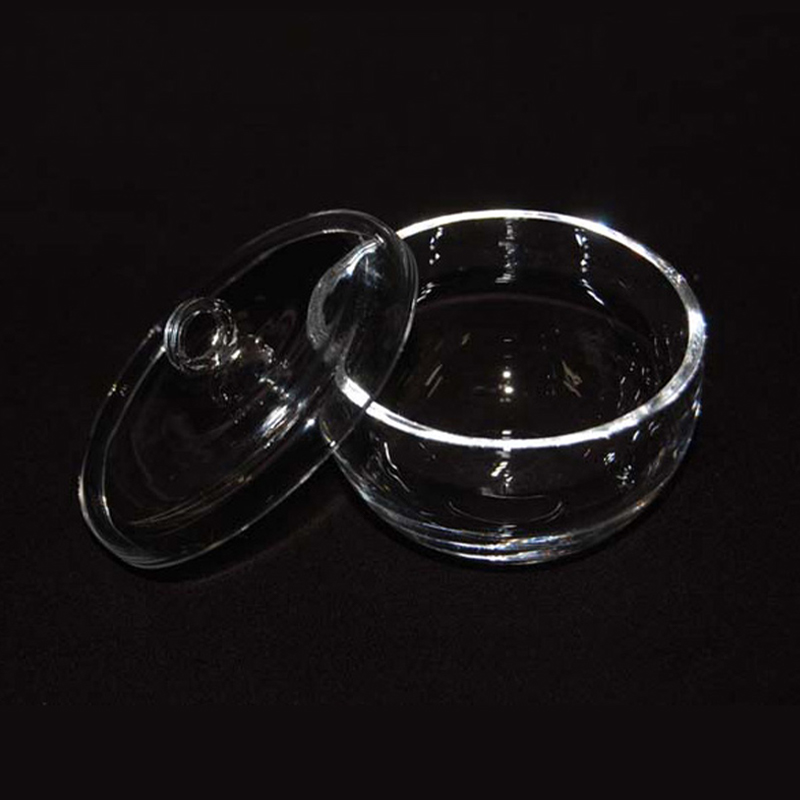
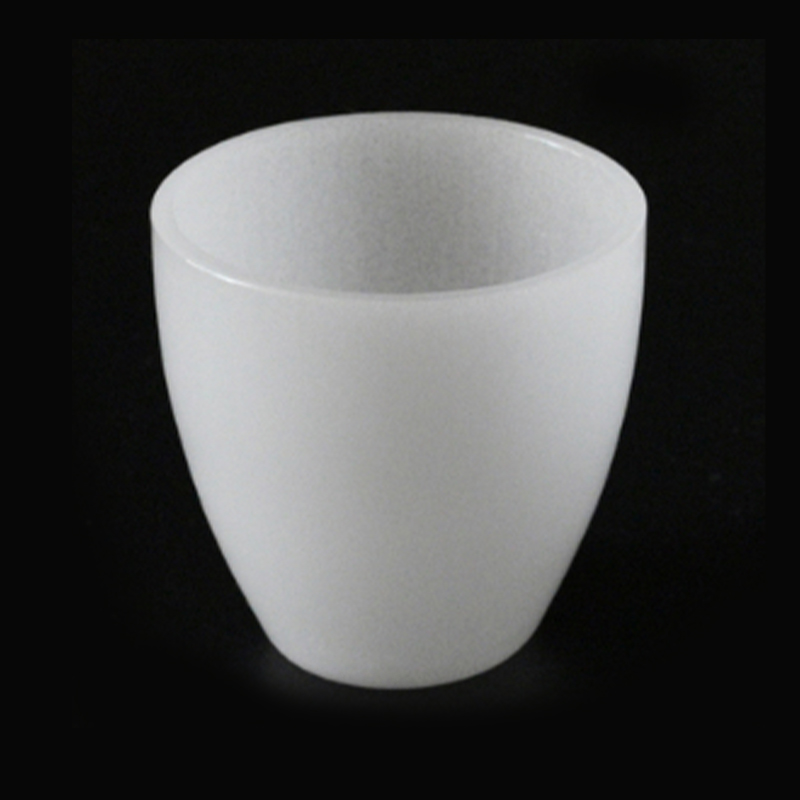
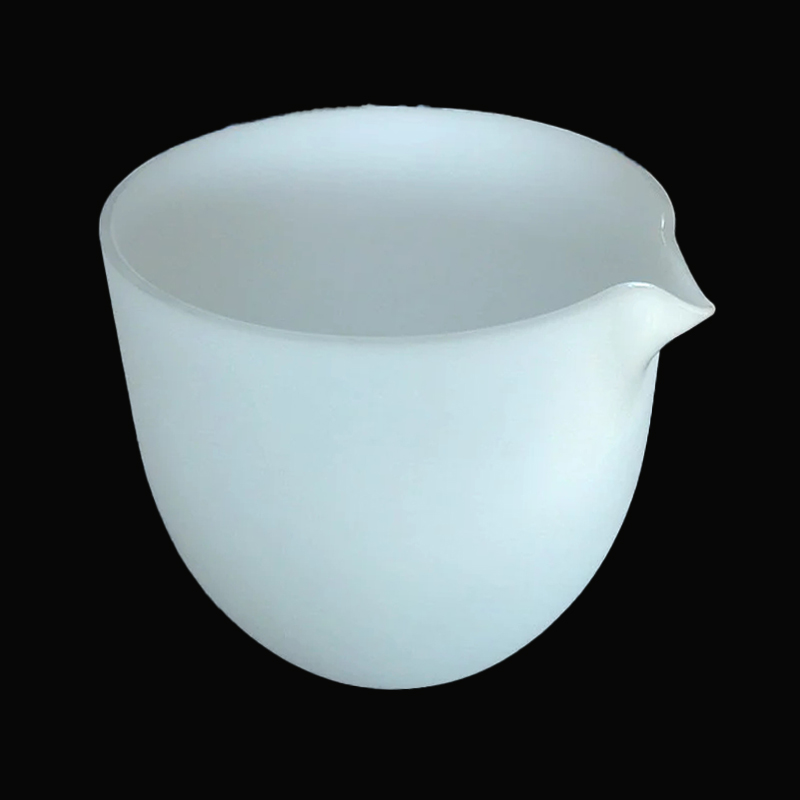
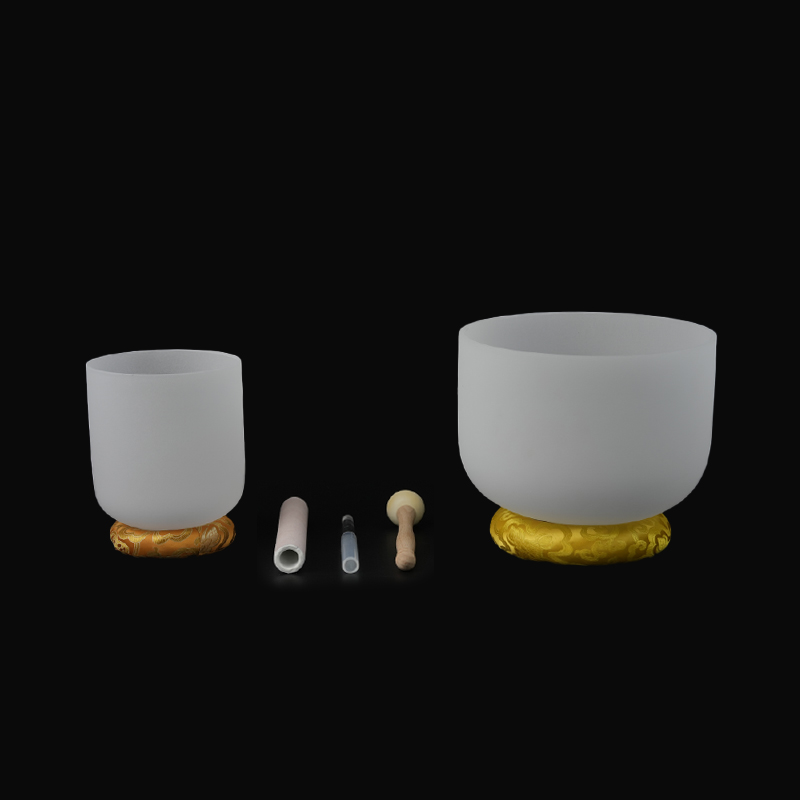
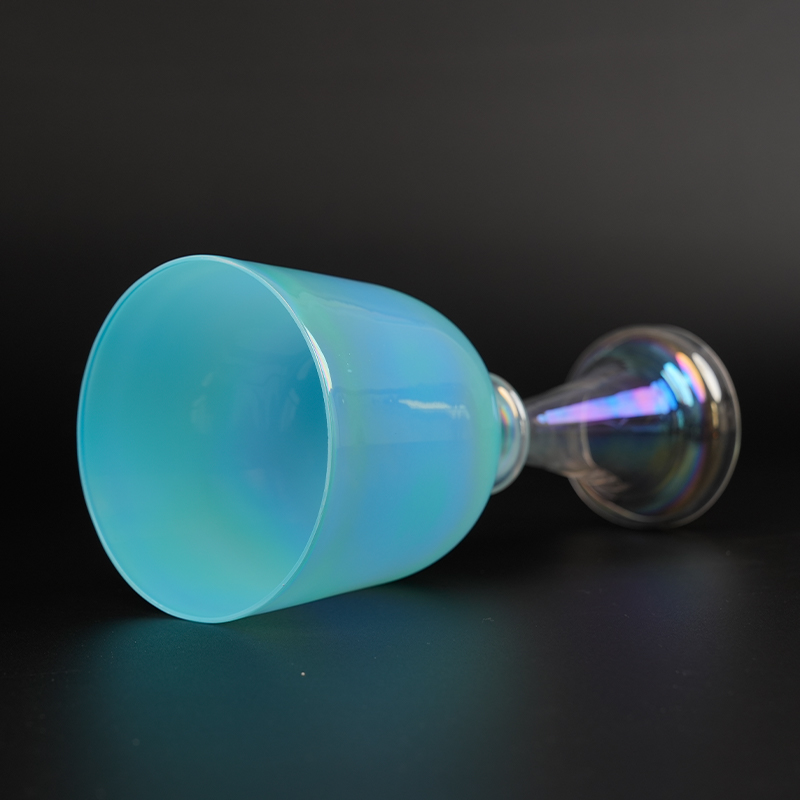
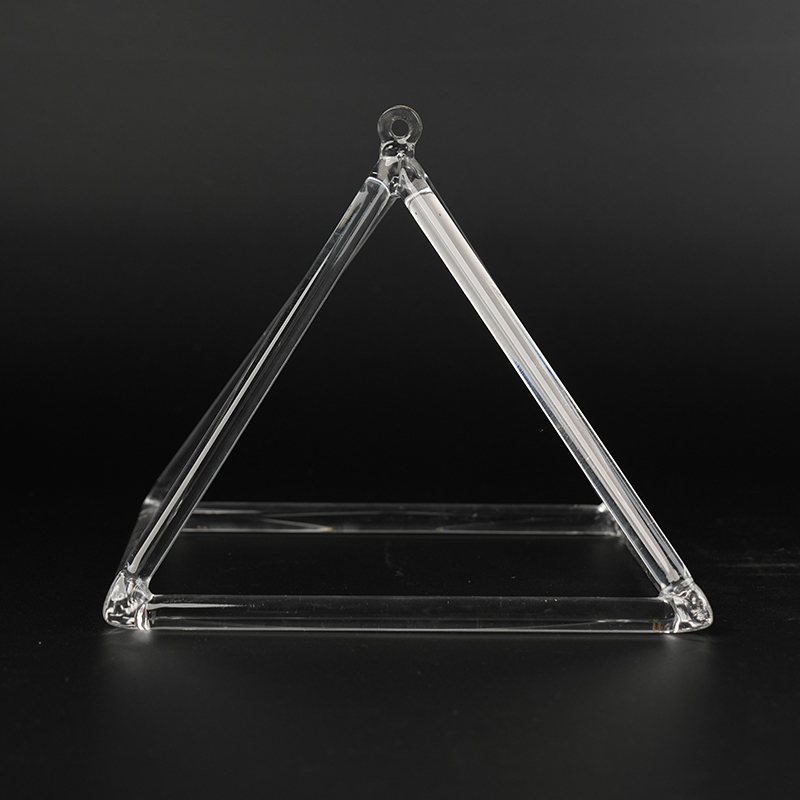
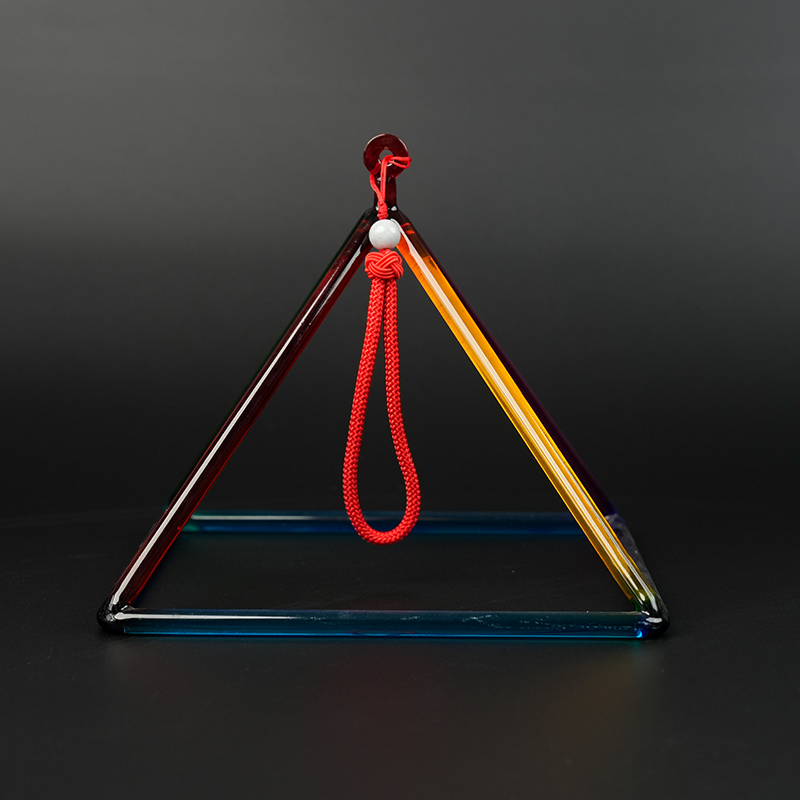
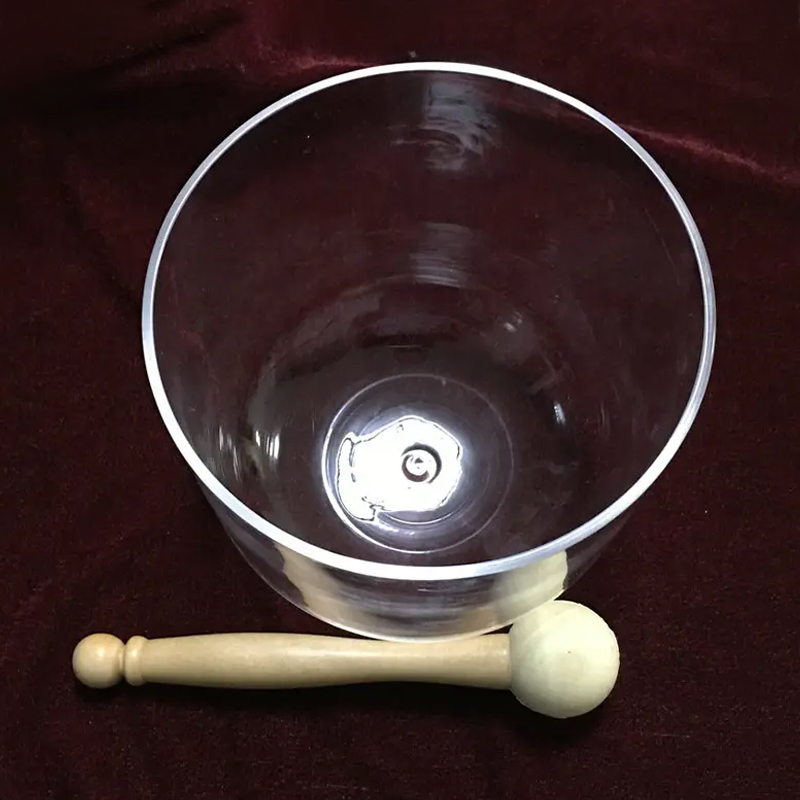
The category is broader than many buyers expect. Beyond laboratory quartz crucible and quartz glass tube items, the same base material is used to produce sound healing instruments such as a singing bowl or a crystal singing triangle, optical components such as a UV quartz plate, and heating components such as an infrared quartz tube heater. Understanding how these product families relate to one another helps a buyer, distributor, or wholesale supplier make a more informed sourcing decision.
How Quartz Glass Is Made and Why Purity Matters
Quartz glass is produced by melting high-purity silica at very high temperatures until it forms a non-crystalline, amorphous structure. This structure is what gives finished quartz glass products their combination of thermal stability, low thermal expansion, and strong transmission of ultraviolet and visible light. The purity of the raw silica used at the start of the process has a direct effect on the optical clarity, chemical resistance, and heat tolerance of the finished item, whether that item is a quartz cuvette used in a laboratory or a quartz glass window used in an industrial system.
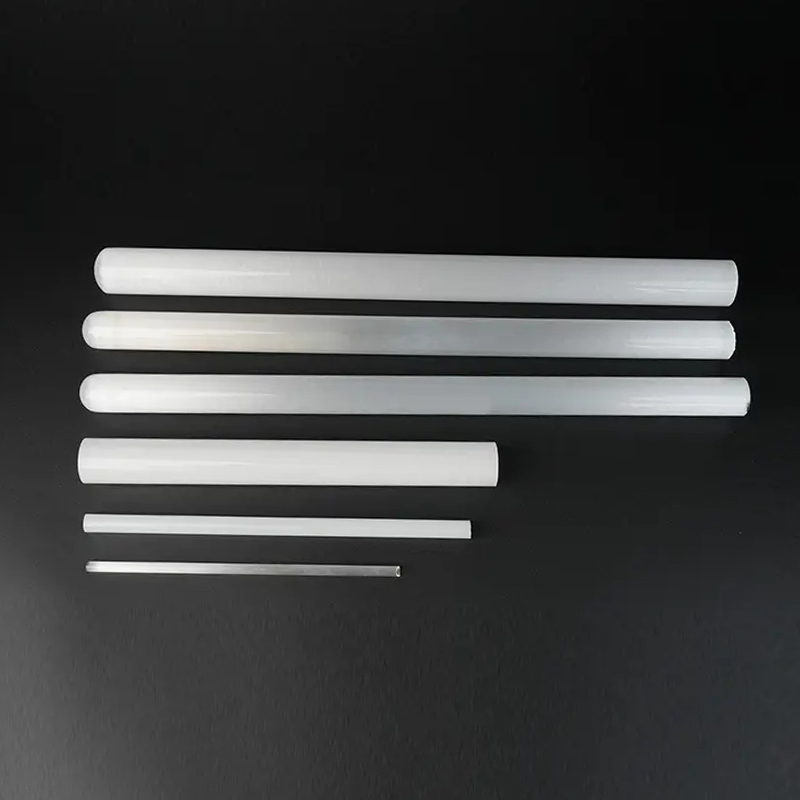
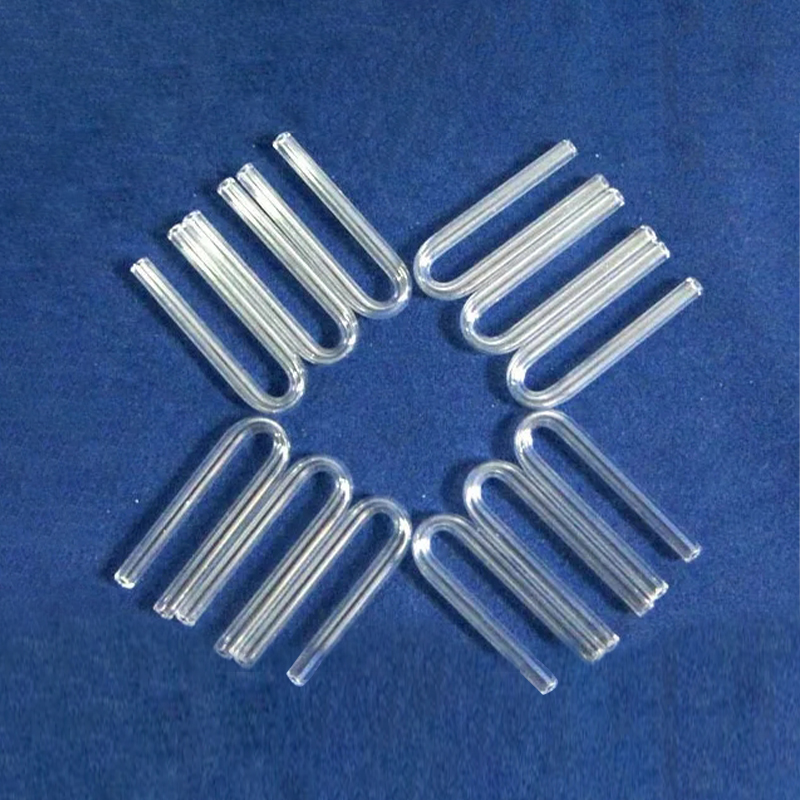
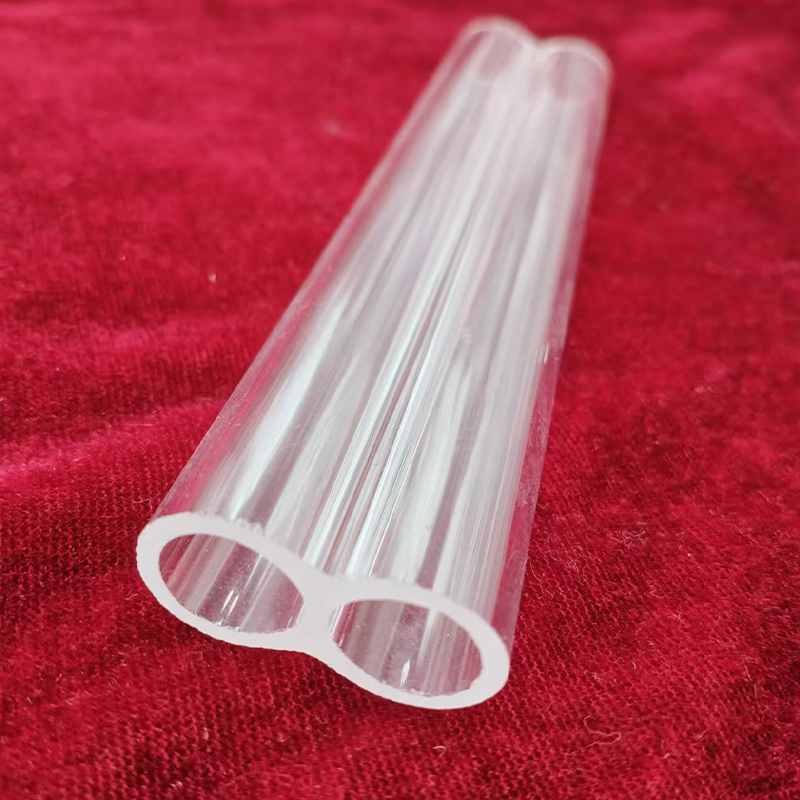
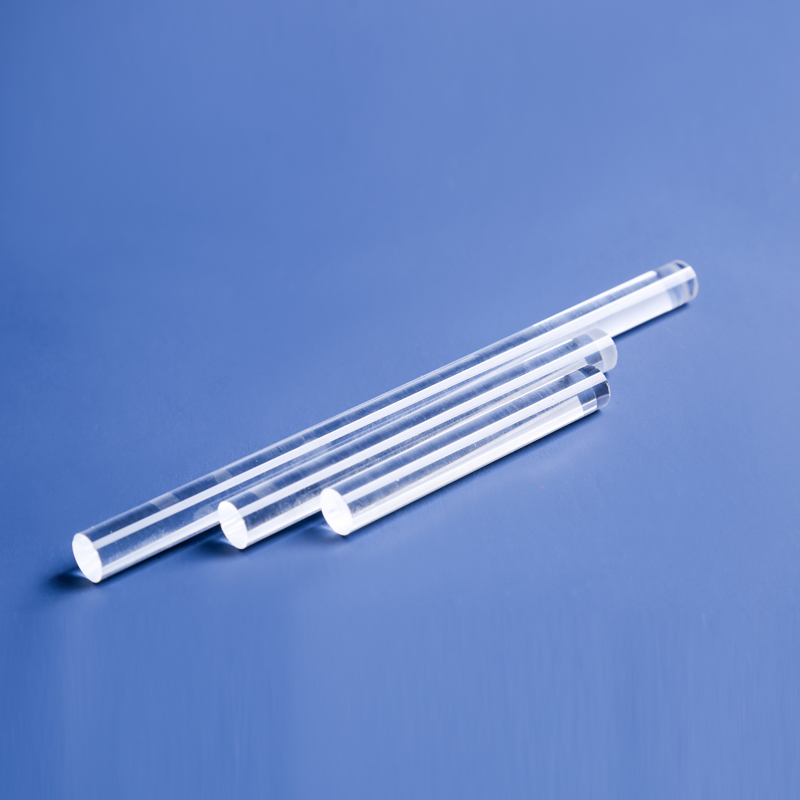
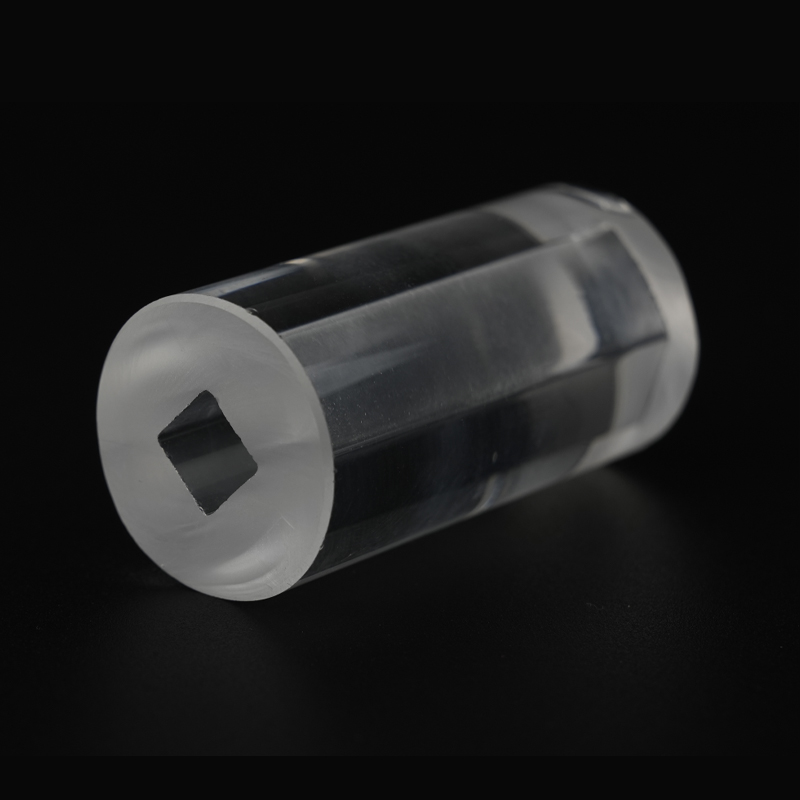
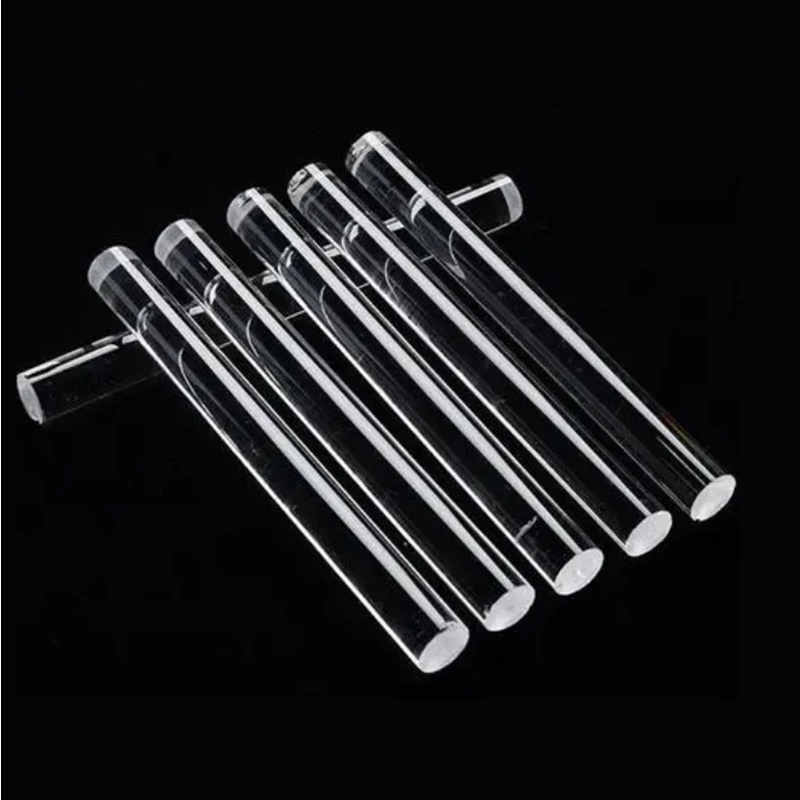
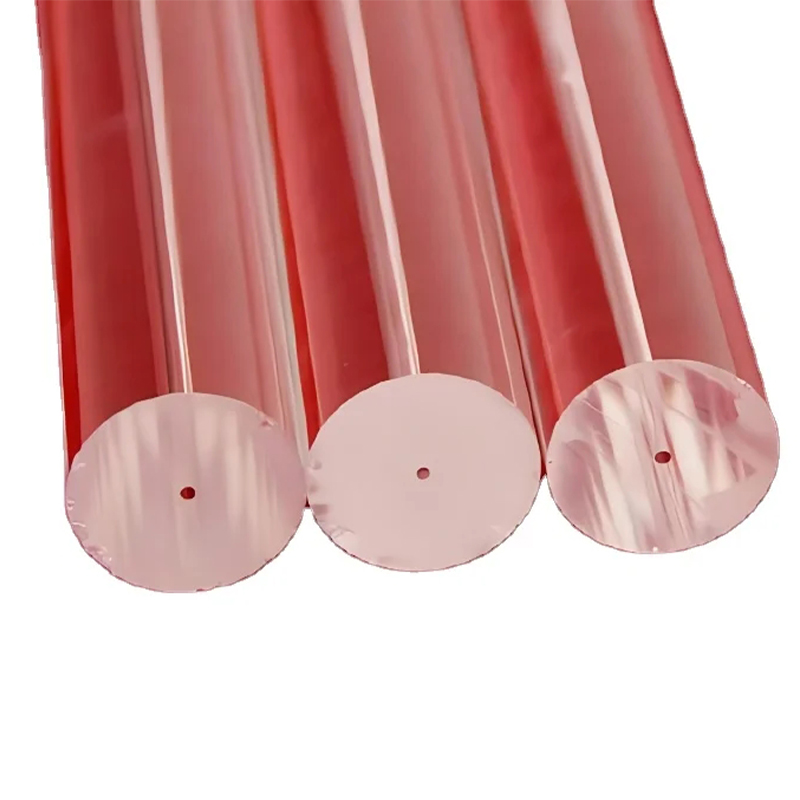
After melting, the material is shaped through drawing, blowing, or molding, depending on whether the final product is a tube, rod, sheet, or crucible. A double-hole quartz glass tube, for example, is drawn to a precise internal geometry so that two separate channels remain isolated within a single piece, which is useful in certain heating and instrumentation applications. Similarly, a quartz gold-plated tube receives a reflective coating step after shaping, which redirects infrared energy back through the tube for heating efficiency. Annealing follows shaping in most processes, relieving internal stress in the glass so the finished quartz glass rod or quartz sheet is less prone to cracking under thermal cycling.
Typical Production Stages
- Raw material selection and purification of silica
- High-temperature melting to form amorphous quartz glass
- Shaping into tube, rod, sheet, plate, or crucible form
- Annealing to relieve internal stress
- Finishing steps such as coating, cutting, or polishing
Key takeaway: raw material purity and controlled annealing are the two production factors most responsible for the durability of a finished quartz glass product.
Product Category Distribution: A Visual Breakdown
Before reviewing the chart below, it is useful to understand how the wider quartz glass product family is generally organized. Quartz glass products are typically grouped into four broad categories: laboratory and process equipment, heating components, optical and UV components, and sound healing instruments. The donut chart that follows presents an illustrative breakdown of how demand is generally distributed across these categories, based on common patterns observed across quartz glass product catalogs rather than a single verified data source. This kind of breakdown helps a buyer, quartz glass wholesaler, or distributor understand which categories tend to represent the largest share of a typical quartz glass manufacturer's output. Reviewing the chart also helps frame the more detailed comparisons that follow later in this article.
The size of each segment is the main pattern worth studying here, since it shows that no single category dominates the overall quartz glass product family. Heating components, including the infrared quartz tube heater and carbon fiber quartz heater lines, represent the largest illustrative share, which reflects how widely quartz-based heating elements are used across industrial and household heating equipment. Laboratory and process equipment, covering items such as the laboratory quartz crucible, quartz glass boat, and quartz cuvette, forms a similarly sized share, consistent with steady ongoing demand from research and testing facilities. Optical and UV components, including the UV quartz plate and UV round quartz plate with holes, make up a comparable portion, reflecting the role of quartz glass in transmitting ultraviolet wavelengths that ordinary glass cannot pass efficiently. Sound healing instruments, such as the singing bowl, crystal harp, and crystal singing holy grail, represent a smaller but distinct share of the overall category, serving a specialized audience that values the acoustic properties of quartz glass. For a quartz glass supplier planning inventory, this kind of distribution suggests that maintaining a broad catalog across categories, rather than focusing narrowly on one product type, tends to align with how demand is generally spread. A wholesale supplier serving multiple regions may find that the relative weight of each category shifts depending on whether the customer base is weighted toward laboratories, industrial heating buyers, or wellness and sound therapy practitioners. Recognizing this general pattern is useful context for the more detailed technical comparisons presented in the sections that follow.
Comparing Heat Resistance Across Product Groups
Heat resistance is one of the most frequently asked-about properties when buyers compare quartz glass products with other glass materials. The stacked bar chart below presents an illustrative comparison of the relative low, medium, and high-temperature operating ranges commonly associated with four product groups: quartz glass tube items, quartz crucible items, high borosilicate glass instruments, and calcium fluoride or sapphire glass windows. Each bar is divided into three segments representing the portion of the operating range considered low, medium, and high temperature capable. This comparison is intended to give a general sense of relative performance rather than to state precise laboratory figures for any specific product. It is a useful reference point for buyers deciding which material fits a heating, laboratory, or optical application.
The proportion of dark blue in each bar is the detail to focus on, since it represents the high-temperature portion of each material's operating range. Quartz glass tube and quartz crucible items both show a substantial high-range segment, which is consistent with why these two product forms are widely specified for furnace linings, heating elements, and other high-temperature laboratory work. Borosilicate glass instruments, by comparison, show a noticeably smaller dark blue segment and a larger share dedicated to the low and medium ranges, reflecting their general suitability for everyday laboratory glassware such as a triangular flask or measuring cup rather than extreme-heat applications. Sapphire and calcium fluoride glass windows display the largest high-range segment among the four groups, which aligns with their common use in optical systems that must maintain transmission performance under demanding thermal conditions. The comparison also illustrates why a high borosilicate measuring cup is well suited to general laboratory use but would not typically be selected for a role that a quartz glass boat or quartz crucible would fill in a high-temperature furnace process. For a laboratory equipment buyer, this chart offers a fast way to match a material to a temperature requirement before reviewing more detailed technical specifications. A quartz glass factory serving industrial heating customers will generally position quartz tube and crucible products as the primary recommendation whenever sustained high-temperature performance is the priority. Recognizing these relative differences also helps explain why sourcing decisions often mix multiple materials within a single facility, using borosilicate glass for general tasks and quartz glass for the more demanding high-temperature steps.
Clarity Improvement Across Processing Stages
Optical clarity is central to many quartz glass applications, particularly for a UV quartz plate, quartz cuvette, or quartz glass window used in light-transmission work. The area chart below offers an illustrative view of how optical clarity generally improves as raw silica moves through the main stages of quartz glass processing described earlier in this article. The horizontal axis represents five general production stages, and the vertical axis represents a relative clarity index rather than a specific measured value. This kind of progression is useful for understanding why finishing steps such as polishing and inspection matter as much as the initial melting stage. It also helps explain quality differences that buyers may notice when comparing quartz glass products from different production sources.
The steady upward direction of the shaded area is the main feature to notice, since clarity does not improve in a single large jump but instead builds gradually across each stage. Raw silica begins at the lowest point on the chart because unprocessed material still contains impurities and structural inconsistencies that scatter light. The melting stage produces a meaningful improvement as impurities are reduced and the material forms its amorphous structure, which is the point at which the glass begins to behave optically like quartz glass rather than raw mineral material. The shaping stage adds a further improvement, particularly for items such as a quartz glass sheet or quartz glass rod, since controlled forming reduces surface irregularities that would otherwise interfere with light transmission. Annealing contributes another rise on the chart because relieving internal stress reduces the small optical distortions that stressed glass can introduce, which is especially relevant for a UV round quartz plate with holes where dimensional precision matters. The final inspection stage represents the highest point on the chart, reflecting the additional polishing, cleaning, and quality review steps that many finished products undergo before leaving a production facility. For buyers of items such as a clear quartz crucible or fused quartz rods, this progression explains why finishing quality can vary meaningfully between suppliers even when the base raw material is similar. A quartz glass manufacturer that maintains tighter process control at each of these stages, rather than only at the final inspection step, is generally more likely to deliver consistent optical performance across an order. This is a useful consideration for any buyer comparing multiple potential suppliers for a UV-sensitive or optically demanding application.
Temperature Resistance of Quartz Heating Elements
Heating applications place particular demands on quartz glass, since the material must tolerate rapid and repeated temperature cycling without cracking. The gauge chart below offers an illustrative representation of the relative temperature resistance level generally associated with quartz-based heating tubes compared with a general reference point for standard heating glass. The gauge scale runs from a lower relative resistance level to a higher one, and the needle position indicates where a typical quartz heater tube sits along that scale. This chart is meant to communicate a general performance position rather than a specific certified rating. It is a helpful reference for buyers comparing a halogen heater, infrared far infrared quartz tube heater, or carbon fiber quartz heater against more general heating glass options.
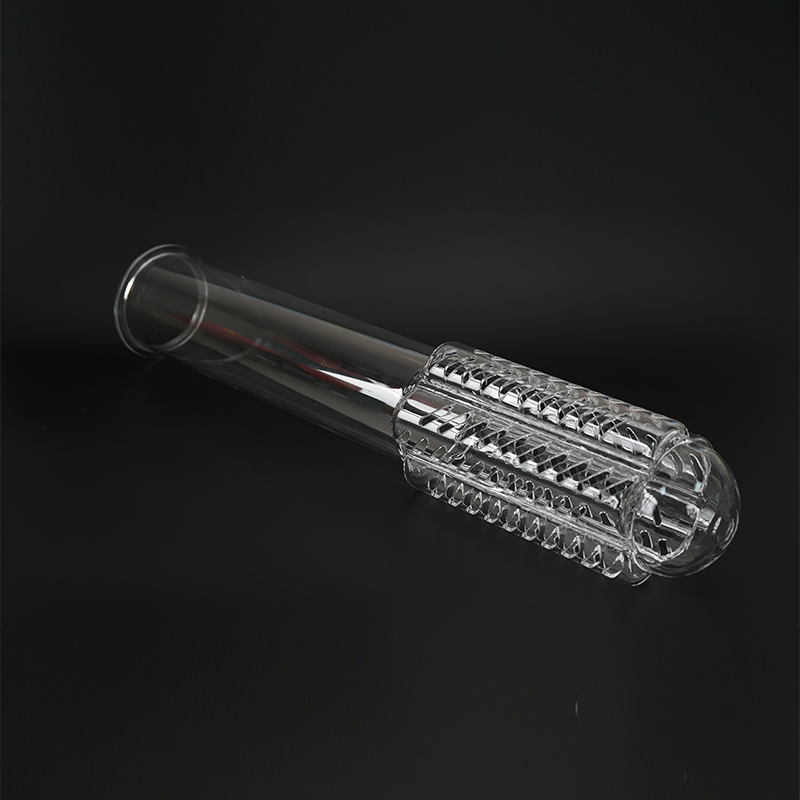
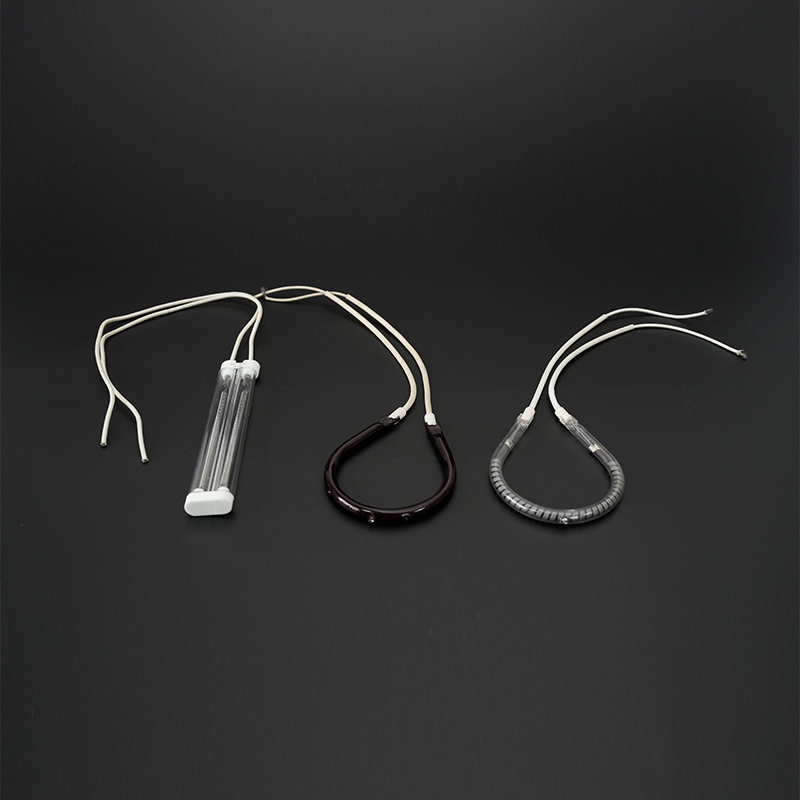
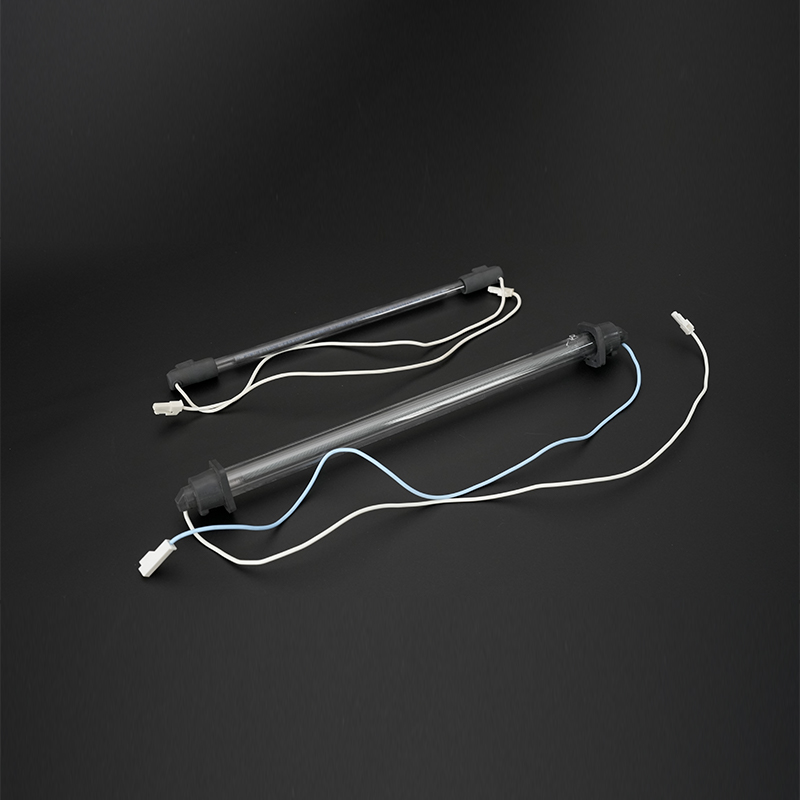
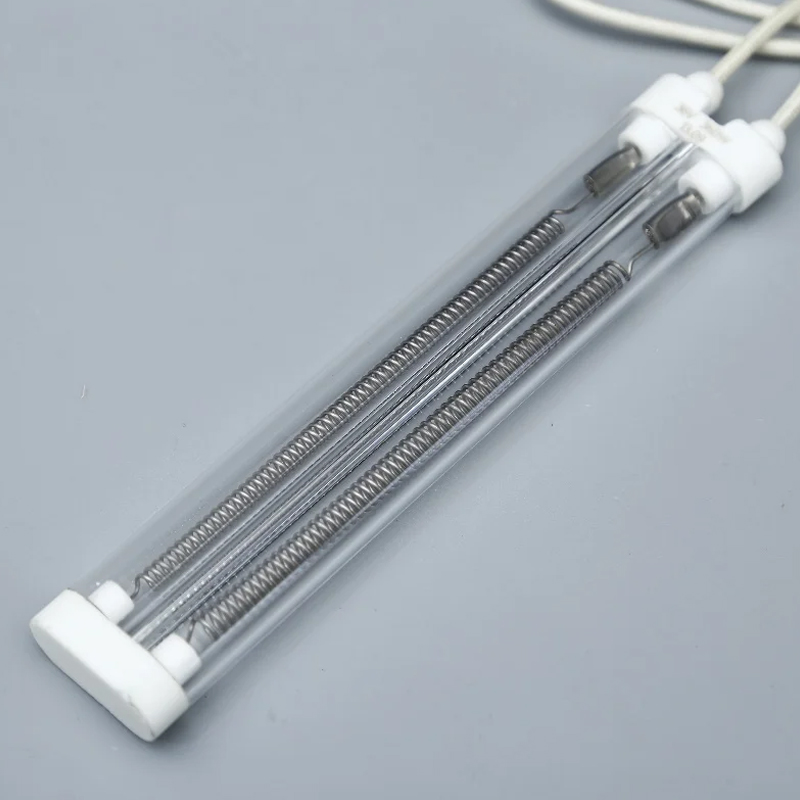
The needle position toward the higher end of the gauge is the central point of this chart, and it reflects the general characteristic of quartz glass maintaining structural integrity under repeated rapid heating and cooling cycles. This resistance to thermal shock is one of the main reasons quartz glass tube material is used as the housing for an infrared quartz tube heater rather than standard heating glass, since the tube must withstand the element inside reaching high temperatures very quickly after being switched on. A carbon fiber quartz heater pairs a carbon fiber heating element with a quartz glass tube specifically because the tube can tolerate the rapid heat-up and cool-down cycle typical of this heating technology without developing stress cracks over time. Far-infrared directional radiation heaters rely on a similar principle, using the quartz tube both as a protective housing and as a material that allows a useful portion of infrared energy to pass through toward the target area. A quartz gold-plated tube extends this concept further by adding a reflective coating that redirects infrared output rather than allowing it to dissipate in unwanted directions, improving the practical heating effect of the assembly. For buyers comparing heating technologies, this gauge illustrates why quartz-based tube heaters are frequently positioned as a durable option for applications involving frequent on-off cycling, such as spot heating in industrial or drying processes. A halogen heater built around a quartz envelope benefits from the same thermal shock resistance, which supports consistent performance across repeated use. Recognizing this relative position on the gauge is useful context when a buyer is deciding between different heating element housings for a new product design or an OEM heating assembly order.
Selection Criteria by Application
Selecting the right quartz glass product depends heavily on the intended application. The table below outlines general selection considerations across two broad application groups: laboratory and industrial use, and sound healing or wellness use.
Laboratory and Industrial Use
|
Sound Healing and Wellness Use
|
General Glassware
Triangular flask, triangular shaped funnel, and high borosilicate measuring cup for everyday laboratory tasks.
Heat-Resistant Ware
Heat-resistant glass tube and bell glass dome for applications involving direct heat exposure.
General Multiuse Glass
Round multiuse glass and glass water bottle for restaurant items suited to everyday service use.
Key takeaway: matching product form, thickness, and finish to the intended application is the most reliable way to select the right quartz or specialty glass item.
Handling and Maintenance Guidance
Quartz glass is durable under thermal stress but still requires careful handling to avoid mechanical damage. The following practices generally help extend the working life of quartz glass tube, crucible, and instrument products.
| Product Form | Recommended Practice |
|---|---|
| Quartz Glass Tube / Rod | Avoid sudden impact and support the full length when moving longer pieces |
| Quartz Crucible | Preheat gradually and allow gradual cooling to reduce thermal shock |
| UV Plate / Cuvette | Clean optical surfaces with lint-free materials to preserve transmission clarity |
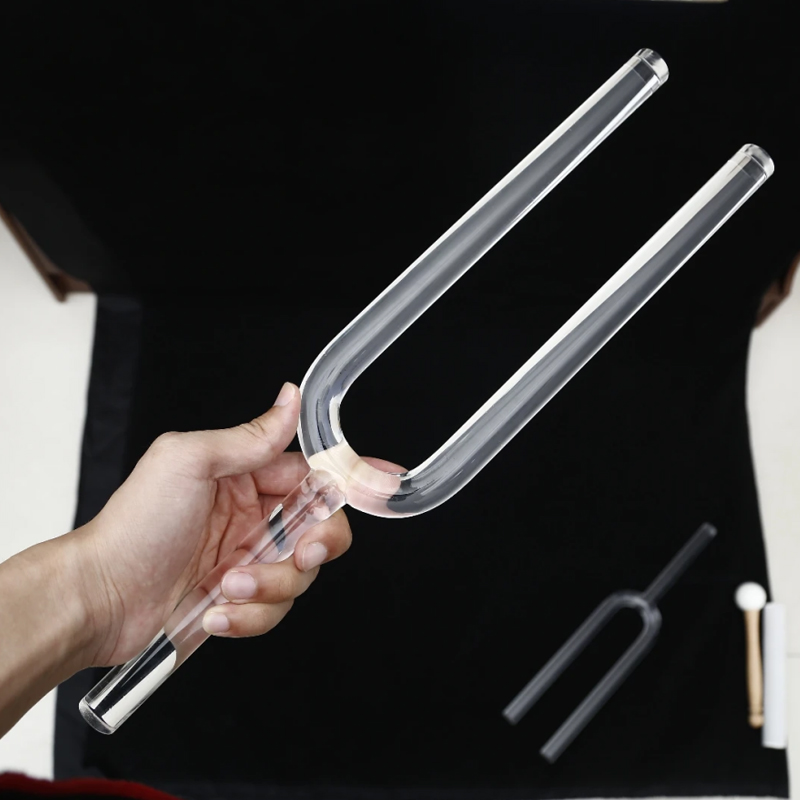
| Sound Healing Instruments | Store singing bowl and tuning fork items away from surfaces that could chip the rim or tines |
Following consistent handling practices helps preserve both the mechanical strength and the optical or acoustic performance of finished quartz glass products, which matters for laboratories, heating equipment integrators, and sound healing practitioners alike.
Working with a Quartz Glass Manufacturer
Yancheng Mingyang Quartz Products Co., Ltd. specializes in the production of quartz and special glass products, and operates as the production plant of Jinzhou Mingde Quartz Glass Co., Ltd. in Jiangsu. Since its establishment, the company has introduced production equipment and technology from both domestic and international sources, and has continued to refine product quality across its catalog. The company's product range includes quartz glass tubes, double-hole quartz glass tubes, quartz glass rods, quartz sheets, sapphire windows, calcium fluoride glass windows, infrared and ultraviolet coatings, high-pressure resistant aluminosilicate glass window panels, quartz glass instruments, high borosilicate glass instruments, quartz crucibles, quartz gold-plated tubes, quartz heaters, quartz infrared heating tubes, far-infrared directional radiation heaters, and ultraviolet germicidal lamps.
As a China quartz glass manufacturer, the company has developed a broad range of products intended to serve different customer needs, drawing on its production experience to help address specific manufacturing requirements raised by its customers. For buyers evaluating a China supplier for laboratory equipment, heating components, or specialty optical glass, working with a producer that maintains a wide product range across tubes, rods, sheets, crucibles, and coated components can simplify sourcing by consolidating multiple product needs with a single quartz glass factory. This kind of broad manufacturing base is also useful for buyers seeking OEM or ODM support, since a manufacturer with established tooling across several product families is generally better positioned to adapt existing designs or develop new configurations.
Key takeaway: a quartz glass manufacturer with a broad, well-established product range offers buyers more flexibility when sourcing across laboratory, heating, optical, and specialty glass categories.
Frequently Asked Questions
Q1: What makes quartz glass different from ordinary laboratory glass?Quartz glass is generally produced from higher-purity silica and can withstand a wider temperature range than standard borosilicate or soda-lime glass, which is why it is commonly used for a quartz crucible, quartz glass tube, or other high-temperature application. |
Q2: Why is quartz glass used for heating tube housings?Quartz glass generally tolerates rapid heating and cooling cycles better than many other glass types, which is why it is commonly chosen as the housing material for an infrared quartz tube heater or carbon fiber quartz heater. |
Q3: Are quartz sound healing instruments made from the same material as laboratory quartz glass?Items such as a singing bowl, crystal tuning fork, or crystal harp are generally produced from the same base quartz glass material as laboratory items, though they are shaped and finished differently to achieve their acoustic properties. |
Q4: Can a quartz glass manufacturer support custom product configurations?Many established quartz glass manufacturers can adapt tube diameter, coating type, or crucible dimensions to a buyer's specific requirements, particularly when working through OEM or ODM arrangements with a qualified supplier. |
Featured Products
Copyright © Yancheng Mingyang Quartz Products Co., Ltd. All Rights Reserved.
Wholesale Quartz Products Manufacturer Quartz Glass Factory