

 +86-0515-86223369
  0
0 en
en English
 日本語
日本語 Español


If you need any help, please feel free to contact us
 Products & Solutions
Quartz Glass Rod vs Quartz Crystal Rod: Complete Guide
Content
- 1 Quartz Glass Rod and Quartz Crystal Rod: Direct Answer and Core Differences
- 2 Common Types and Structural Characteristics of Quartz Rods
- 3 Manufacturing Principle and Internal Structure of a Quartz Rod
- 4 Material Purity and Thermal Performance of Fused Quartz Rods
- 5 Thermal Expansion Behavior and Why It Matters for Rod Selection
- 6 Application Scenarios and Selection Guidelines
- 7 Performance Comparison Between Standard and High-Purity Rod Grades
- 8 Where Quartz Rods Are Used: Industry Distribution
- 9 Detailed Comparison of Quartz Rod and Related Quartz Glass Components
- 10 Maintenance, Handling, and Storage Guidance
- 11 Manufacturing Capability and Sourcing Quartz Rod as a B2B Buyer
- 12 Frequently Asked Questions About Quartz Glass Rod and Quartz Crystal Rod
- 12.1 Q1: What is the main difference between a quartz glass rod and a quartz crystal rod?
- 12.2 Q2: What diameter and length options are typically available for quartz rods?
- 12.3 Q3: Can quartz glass rods be custom cut, ground, or polished to specification?
- 12.4 Q4: Is the material used in a quartz crystal rod for a singing bowl the same as a quartz glass rod?
- 12.5 Q5: What purity grade of quartz rod is suitable for UV or high-temperature applications?
Quartz Glass Rod and Quartz Crystal Rod: Direct Answer and Core Differences
A quartz glass rod is a solid cylindrical component made from fused silica (SiO2) that is chosen for laboratory, optical, and industrial heating applications because of its high softening point, low thermal expansion, and strong chemical inertness. A quartz crystal rod, by comparison, is typically a solid quartz rod shaped and finished for acoustic, decorative, or wellness-oriented uses, including components used inside sound healing instruments such as singing bowls, tuning forks, and crystal wands. Buyers researching quartz rods should first decide which functional category matters most: thermal and chemical performance for a laboratory or industrial setting, or acoustic resonance and surface finish for a sound healing or instrument-related application.
In practical B2B sourcing, the terms quartz glass rod and quartz crystal rod are sometimes used interchangeably by buyers, even though the underlying selection criteria differ. A quartz glass rod supplier generally describes the product using purity grade, diameter tolerance, and softening temperature, while a quartz crystal rod used in wellness instruments is more often described using diameter, length, tone or resonance characteristics, and surface polish. Both product forms are produced from the same base family of fused quartz material, which is why understanding the manufacturing process helps clarify why the two naming conventions overlap in commercial listings.
This article walks through the common types of quartz rods, how they are structured and manufactured, where each type is typically applied, how the main variants compare on measurable properties, how to maintain quartz rod products after purchase, and the most frequently asked questions from laboratory buyers, instrument makers, and wholesale purchasers. Throughout the article, data visualizations are used to illustrate purity ranges, thermal behavior, and comparative performance so that technical buyers can evaluate quartz glass rod and quartz crystal rod options without relying on marketing language alone.
Key takeaway: choose a quartz glass rod for thermal, optical, or chemical performance, and a quartz crystal rod when acoustic or wellness-instrument characteristics are the primary requirement.
Common Types and Structural Characteristics of Quartz Rods
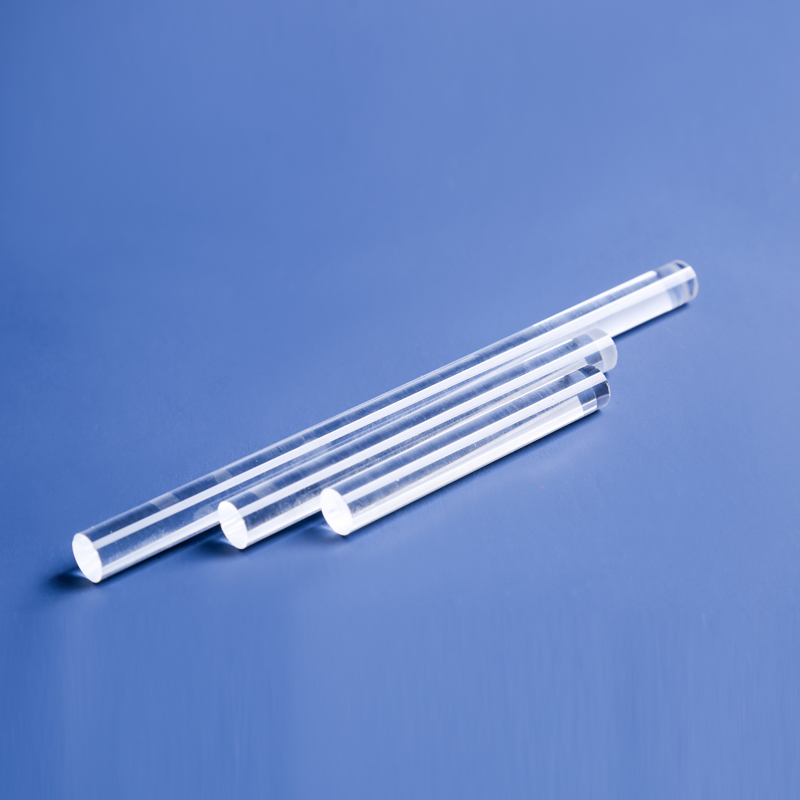
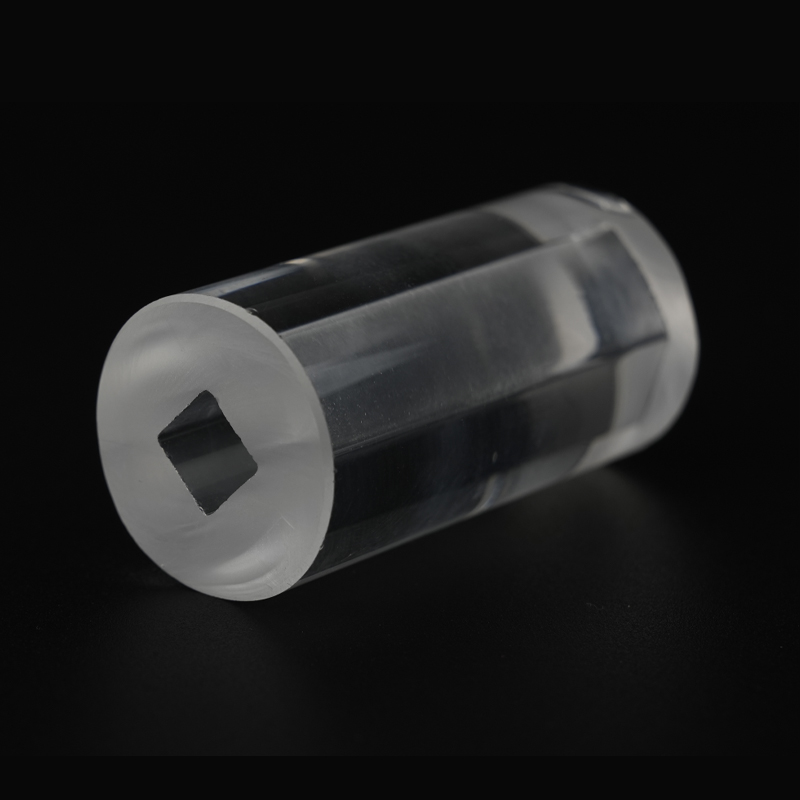
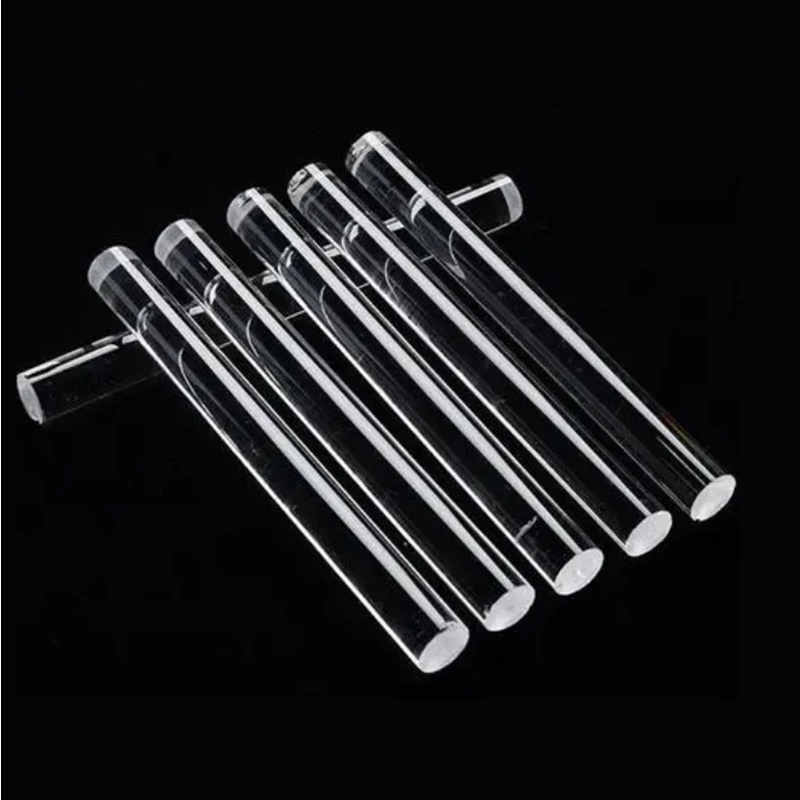
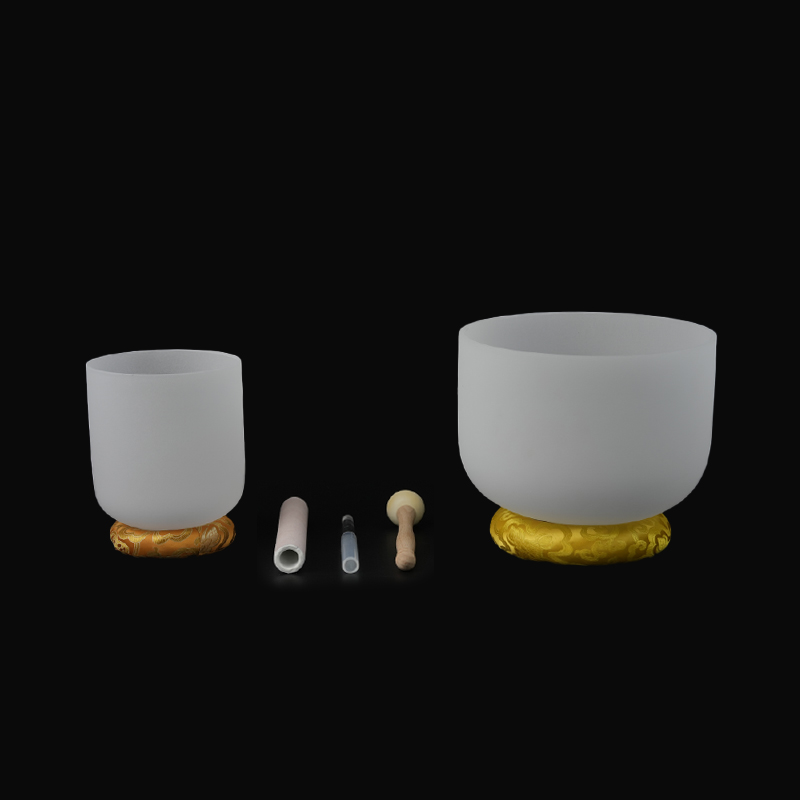
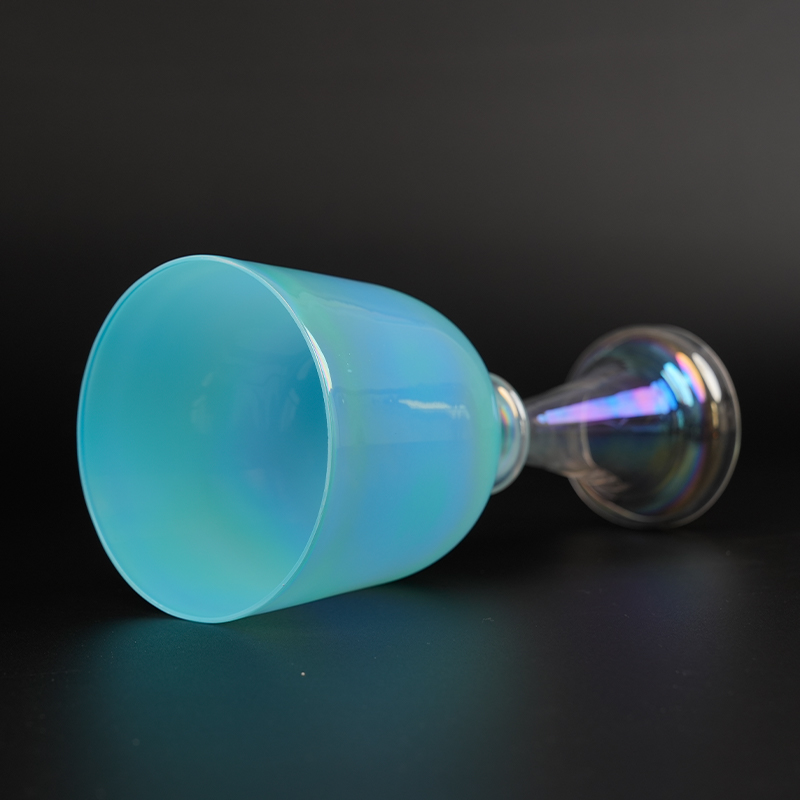
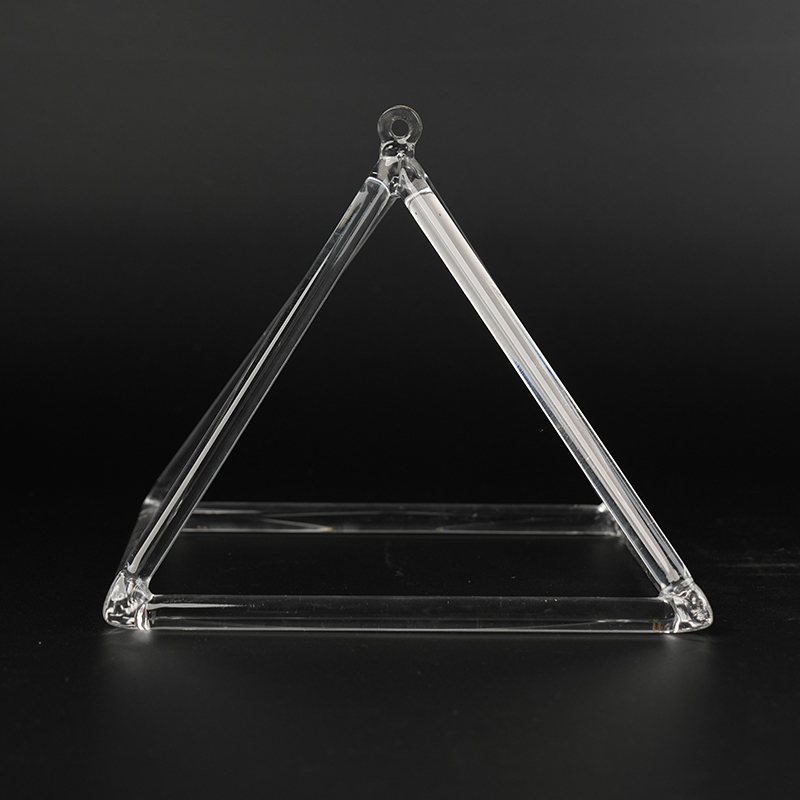
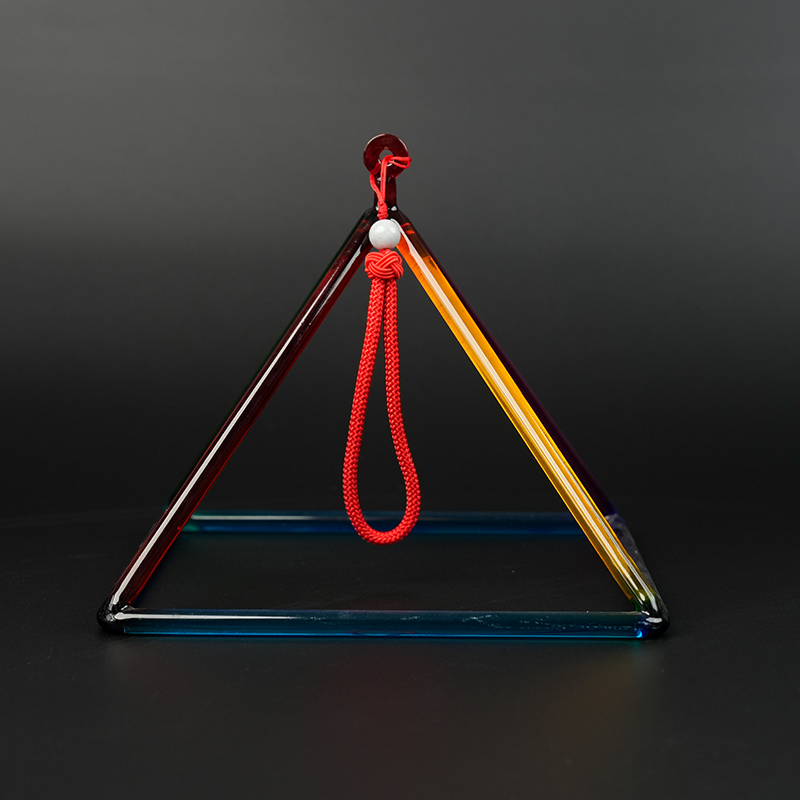
Quartz rod products are generally grouped into a small number of recognizable types, each defined by surface finish, transparency, and intended function. A clear fused quartz glass rod has a fully transparent body and a fire-polished or precision-ground surface, and it is the most common form used in laboratory fixtures, sight glasses, and structural supports inside high-temperature equipment. A frosted or satin-finish quartz rod has a matte surface produced through controlled surface treatment, which is often preferred where light diffusion rather than direct transmission is desired. A UV-grade quartz rod is manufactured to allow a wider transmission range into the ultraviolet spectrum and is associated with the same UV Quartz Plate and UV Fused Quartz Cuvettes family used in optical testing. A quartz crystal rod for sound instruments is shaped, sized, and tuned for use in crystal singing bowls, a Quartz Crystal Tuning Fork, a Crystal Singing Triangle, a Crystal Harp, or a Crystal Singing Holy Grail, where resonance and finish quality affect tone.
Laboratory and Optical Grade Rods
|
Wellness and Acoustic Grade Rods
|
The horizontal list below summarizes five common rod configurations that a quartz glass rod manufacturer typically offers to B2B buyers, allowing quick comparison of finish and primary use case before moving to diameter and length selection.
Clear Fused Quartz Rod
Transparent, fire-polished, general laboratory and structural use. Frosted Quartz Rod
Matte surface, light-diffusing, decorative or optical diffusion use. UV-Grade Quartz Rod
Extended UV transmission, paired with UV Quartz Plate items. Colored or Tinted Quartz Rod
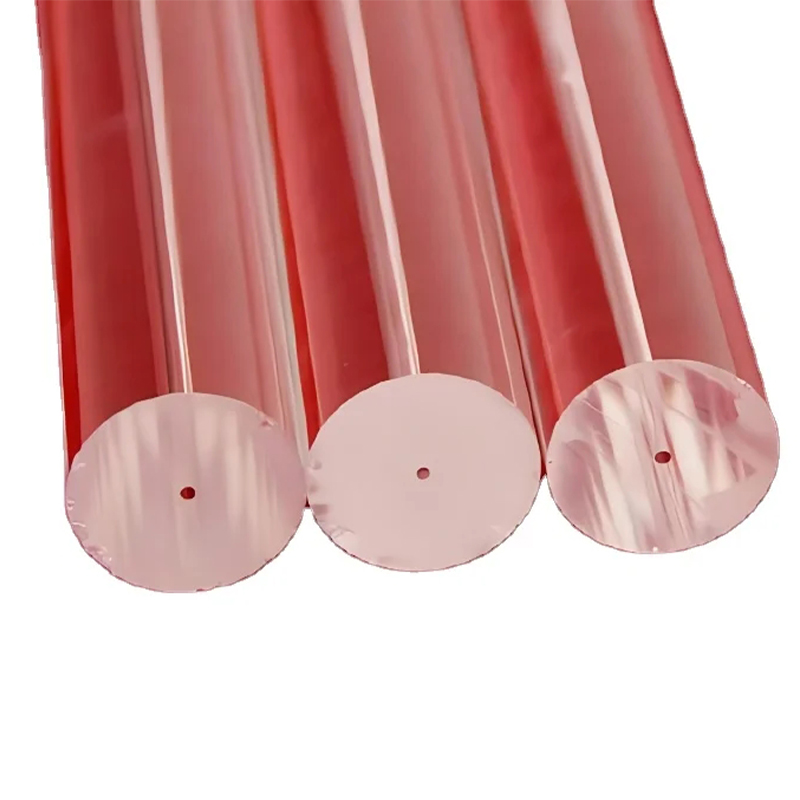
Surface or body tint, used for decorative and instrument accents. Quartz Crystal Rod
Shaped for singing bowls, tuning forks, and sound instruments.
Key takeaway: matching rod type to end use starts with surface finish and transparency, not just diameter and length.
Manufacturing Principle and Internal Structure of a Quartz Rod
A quartz glass rod begins as high purity quartz sand or quartz raw material that is melted at very high temperature and drawn or molded into a continuous cylindrical form. After forming, the rod is annealed to relieve internal stress, then the ends and outer surface are fire-polished or precision-ground depending on the target application. The internal structure of a fused quartz rod is amorphous rather than crystalline in most industrial fused quartz glass rod products, which is part of why the material shows very low thermal expansion and high resistance to thermal shock compared with many conventional glass materials. A quartz crystal rod intended for acoustic instruments follows a similar base process but places additional emphasis on dimensional consistency along the rod length, since even finish affects resonance behavior once the rod is shaped into a bowl, fork, or triangle form.
The diagram below is a labeled structural illustration of a typical quartz glass rod, showing the cylindrical body, the fire-polished end faces, and the ground outer surface that a laboratory quartz crucible support or an instrument-grade rod would share as a base form before further shaping.
Rod diameter and overall length are the two dimensions most frequently specified by buyers, and both are typically produced to a stated tolerance range so that a quartz glass rod can be fitted into an existing fixture, or so that a quartz crystal rod can be matched to a target tone when built into a sound healing instrument. Beyond dimensions, purity grade determines how the rod performs under continuous heat, ultraviolet exposure, or chemical contact, which is the subject of the next section.
Key takeaway: rod diameter tolerance and surface finish quality directly affect both mechanical fit and, for instrument-grade rods, tonal consistency.
Material Purity and Thermal Performance of Fused Quartz Rods
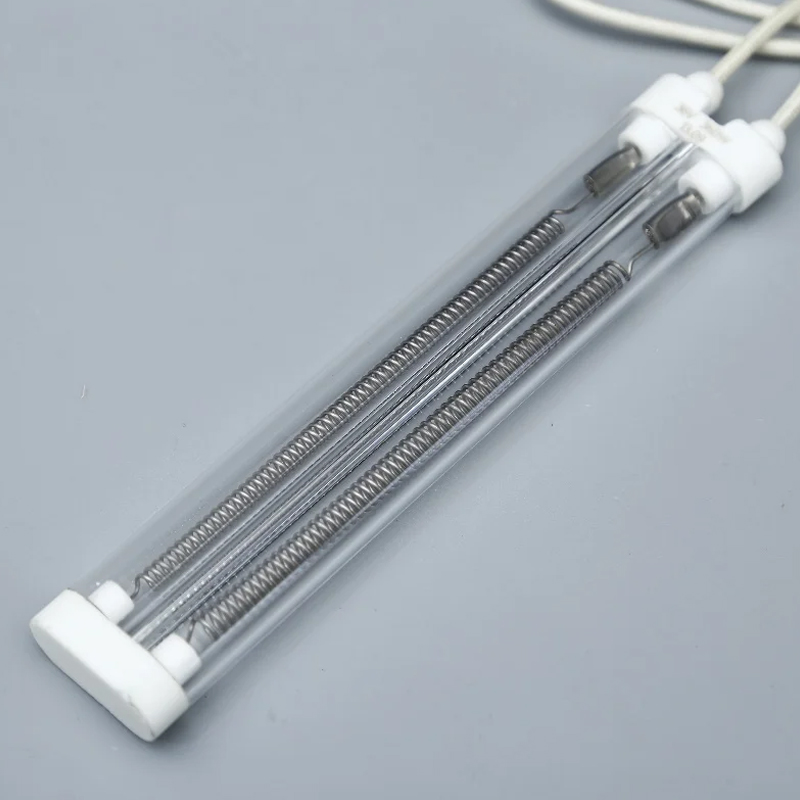
Fused quartz rod material is generally recognized in the glass and ceramics industry for a very high silicon dioxide content, which is the main reason it tolerates continuous high temperature better than most conventional glass compositions. Before reviewing the chart below, it is useful to understand that softening point is the temperature at which a glass material begins to deform under its own structure, and a higher softening point generally means the rod can be used closer to high-temperature process equipment without losing shape. Fused quartz glass rod material typically has a softening point well above that of high borosilicate glass, which itself has a higher softening point than standard soda-lime glass used in general glassware. This gap in thermal tolerance is one of the main reasons a Fused Quartz Rods product line is specified for halogen heater, infrared heater, and Far Infrared Quartz Tube Heater components rather than ordinary glass tubing. The bar chart compares typical softening point ranges across three common glass material families so that buyers can see the relative thermal margin fused quartz provides.
The chart shows that fused quartz glass rod material carries a substantially wider thermal margin than high borosilicate glass and standard soda-lime glass, which explains why quartz rod stock is the preferred base material for quartz glass tube heaters and infrared heating tube assemblies. This margin also matters for laboratory quartz crucible supports and silica crucible laboratory fixtures that experience repeated heating and cooling cycles during testing. Because the softening point of fused quartz is so much higher, the rod retains its shape and mechanical support function in furnace-adjacent fixtures where borosilicate components would begin to deform. High borosilicate glass remains a reasonable choice for general laboratory glassware and measuring equipment, such as a High Borosilicate Measuring Cup, where extreme continuous heat is not expected. Standard soda-lime glass, in contrast, is generally reserved for lower-temperature general purpose items rather than heat-cycling laboratory or heating-element applications. For buyers selecting between a quartz glass rod and a Fused Quartz Rods alternative made from a different base glass, softening point is one of the first specifications worth requesting from a supplier. The wide thermal margin also supports repeated thermal cycling without the material weakening as quickly as lower-softening-point glass, which is relevant for equipment that is heated and cooled on a daily production schedule. This is one reason quartz carbon fiber infrared heating tube assemblies and Carbon Fiber Quartz Heater components rely on a quartz rod or tube base rather than conventional glass. In applications such as a quartz glass window or an Opaque Fused Silica Crucible, thermal margin also reduces the likelihood of stress cracking when a fixture is moved between a heated zone and ambient conditions. Overall, the purity and resulting softening point of fused quartz rod material is a central reason it is specified across laboratory, semiconductor, and industrial heating equipment rather than general glass alternatives.
Key takeaway: fused quartz rod material offers a substantially higher softening point than borosilicate or soda-lime glass, supporting continuous high-temperature and thermal cycling use.
Thermal Expansion Behavior and Why It Matters for Rod Selection
Thermal expansion describes how much a material changes dimension as temperature rises, and it is a separate property from softening point that still strongly affects rod performance in a process environment. A material with low thermal expansion changes size only slightly across a wide temperature range, which reduces internal stress when a rod is heated and cooled repeatedly inside equipment such as a Halogen Heater Infrared assembly or a laboratory furnace fixture. Fused quartz rod material is widely recognized for an unusually low coefficient of thermal expansion compared with most other glass families, which is part of why it resists cracking under rapid temperature change rather than gradual heating alone. Before reviewing the line chart, note that the vertical axis represents relative dimensional change rather than an absolute measurement, so the comparison is meant to show trend shape rather than exact figures. The chart below plots how a quartz glass rod and a high borosilicate glass rod behave across a temperature range from ambient conditions up to a high process temperature.
The two lines in the chart illustrate that both materials expand as temperature increases, but the fused quartz glass rod line stays much flatter across the same temperature range than the high borosilicate glass rod line. This flatter curve is the visual representation of a lower thermal expansion coefficient, and it is the main reason quartz rod and quartz tube components are selected for equipment that cycles between hot and cold conditions frequently. A lower expansion rate means less internal stress builds up inside the rod during heating and cooling, which lowers the likelihood of thermal shock cracking compared with a higher-expansion material under the same temperature swing. This property is directly relevant to Halogen Heater Infrared and Far Infrared Quartz Tube Heater designs, where the heating element itself cycles on and off repeatedly during normal operation. It is also relevant to laboratory quartz crucible and silica crucible laboratory fixtures that are moved in and out of a furnace multiple times during a single testing session. For a quartz glass rod manufacturer supplying process equipment builders, thermal expansion data is often requested alongside softening point data because the two properties together describe how a rod will behave under real operating conditions rather than under a single static temperature. Instrument makers working with a quartz crystal rod for a singing bowl or tuning fork are less concerned with extreme thermal cycling, but the same base low-expansion property contributes to long-term dimensional stability of the finished instrument. Buyers comparing a quartz glass rod supplier against a general glass rod source should treat thermal expansion as a practical selection criterion rather than a background technical detail, since it affects service life in cycling applications. In equipment such as a quartz carbon fiber infrared heating tube, the rod or tube component experiences hundreds of heating cycles over its service life, making low thermal expansion a meaningful contributor to long-term reliability. Overall, the flatter expansion curve shown for fused quartz rod material is one of the clearest technical reasons it is specified over conventional glass in cycling thermal environments.
Key takeaway: a flatter thermal expansion curve is a primary reason fused quartz rod and tube products resist stress cracking during repeated heating and cooling cycles.
Application Scenarios and Selection Guidelines
Selecting between a laboratory-grade quartz glass rod and an instrument-grade quartz crystal rod starts with identifying the primary functional requirement rather than starting from diameter or finish alone. In laboratory and research settings, quartz glass rod stock is used as structural support inside furnace fixtures, as a base material for laboratory quartz crucible mounts, and alongside quartz glass tube and Quartz Cuvette Rectangular components in optical testing setups. In semiconductor and electronics manufacturing, high purity quartz glass rod material is selected for process fixtures where chemical inertness and dimensional stability under repeated thermal cycling are required. In optical and ultraviolet systems, UV-grade quartz rod stock is paired with a UV Quartz Plate or UV Fused Quartz Cuvettes to support consistent transmission across the required wavelength range. In industrial and infrared heating equipment, quartz rod and quartz glass tube material forms the structural base for a Halogen Heater Infrared assembly, a Far Infrared Quartz Tube Heater, or a Carbon Fiber Quartz Heater. In sound healing and wellness instrument manufacturing, a quartz crystal rod is shaped into a singing bowl, a Quartz Crystal Tuning Fork, a Crystal Singing Triangle, a Crystal Harp, or a Crystal Singing Holy Grail, where finish quality and dimensional consistency affect resonance.
Application Scenarios
|
Selection Checklist
|
Buyers sourcing from a quartz glass rod wholesaler for repeat production use generally request a written specification sheet covering diameter tolerance, length tolerance, purity grade, and surface finish before placing a bulk order, since these four parameters determine whether the rod will function correctly in the target fixture or instrument. For instrument makers working with a Quartz Crystal Tuning Fork or Crystal Harp product line, requesting sample rods before a full production run helps confirm that resonance characteristics match design expectations.
Key takeaway: define the functional requirement first, then confirm diameter, purity grade, and finish with the supplier before committing to a bulk quartz rod order.
Performance Comparison Between Standard and High-Purity Rod Grades
Not every quartz rod project requires the highest available purity grade, and understanding where standard and high-purity grades differ helps buyers avoid over-specifying or under-specifying a rod for their application. Standard fused quartz glass rod material is generally suitable for structural laboratory support, general heating tube bases, and instrument-grade quartz crystal rod uses where extreme optical clarity is not the primary requirement. High-purity UV-grade quartz rod material is generally reserved for applications where optical transmission consistency, chemical inertness, or dimensional stability under aggressive process conditions is critical, such as semiconductor process fixtures or UV Fused Quartz Cuvettes assemblies. The radar chart below compares five performance dimensions between a standard fused quartz glass rod and a high-purity UV-grade quartz rod on a relative scale, without including cost as a factor. Reading the chart from the center outward, a data point positioned further from the center represents a stronger relative performance on that dimension for the grade it represents.
The radar chart shows the high-purity UV-grade quartz rod extending further outward on optical transmission, chemical purity, and dimensional stability, which reflects the tighter control applied during raw material selection and forming for that grade. The standard fused quartz glass rod still performs reasonably across all five dimensions, which is why it remains a practical choice for general laboratory support and heating tube base applications rather than only premium optical uses. Thermal shock resistance and mechanical hardness show a smaller gap between the two grades on the chart, indicating that both grades share the core fused quartz base properties responsible for withstanding rapid temperature change and everyday handling. This pattern is useful for buyers because it shows that purity grade primarily affects optical and chemical performance rather than fundamentally changing the mechanical behavior of the rod. For a laboratory quartz crucible or silica crucible laboratory application where chemical contact is frequent, the added chemical purity of the higher grade is often the deciding factor. For a quartz crystal rod destined for a singing bowl or Crystal Singing Holy Grail instrument, standard grade material is generally sufficient because optical transmission is not a functional requirement for acoustic performance. For UV Round Quartz Plate With Holes and UV Quartz Plate assemblies used in ultraviolet testing equipment, the higher optical transmission and dimensional stability shown on the chart directly support consistent measurement results. Buyers working with a quartz glass rod supplier on a new project can use a comparison of this type to avoid paying for optical-grade purity when a structural or acoustic application does not require it. Conversely, semiconductor and precision optical buyers can use the same comparison to confirm that a standard grade rod would not meet their chemical purity or transmission requirements. This grade-based decision process applies equally to related products such as Clear Quartz Crucible and Opaque Fused Silica Crucible items, where purity grade is matched to the chemical sensitivity of the process rather than selected by default. Matching grade to application in this way generally supports more predictable performance without over-specifying material that the end use does not require.
Key takeaway: purity grade mainly affects optical transmission, chemical purity, and dimensional stability, while thermal shock resistance and mechanical hardness remain broadly similar across standard and high-purity fused quartz rod grades.
Where Quartz Rods Are Used: Industry Distribution
Quartz rod and related quartz glass products are used across a wide range of industries, and understanding the typical distribution of demand helps new buyers benchmark their own project against common use cases. Laboratory and scientific research remains one of the largest consumers of quartz rod, quartz glass tube, and laboratory quartz crucible products because of the material's chemical inertness and thermal stability during repeated testing cycles. Semiconductor and electronics manufacturing represents a significant share of demand for high purity quartz glass rod material used in process fixtures and support components. Optical and ultraviolet systems, including UV Quartz Plate and Quartz Cuvette Rectangular products, form another meaningful category of use. Industrial and infrared heating equipment, including Halogen Heater Infrared and quartz carbon fiber infrared heating tube assemblies, along with sound healing and wellness instruments built from quartz crystal rod material, complete the picture of common application areas. The donut chart below presents an illustrative distribution across these five categories.
The donut chart indicates that laboratory and research use, together with semiconductor and electronics manufacturing, accounts for slightly more than half of typical quartz rod and quartz glass product demand, which aligns with the emphasis on purity grade and thermal performance discussed earlier in this article. Optical and ultraviolet systems form the next largest category, reflecting steady demand for UV Quartz Plate, UV Round Quartz Plate With Holes, and Quartz Cuvette Rectangular components used in analytical instruments. Industrial and infrared heating applications, including Halogen Heater Infrared and Carbon Fiber Quartz Heater assemblies, represent a smaller but consistent share of overall demand tied to manufacturing and drying processes. Sound healing and wellness instruments made from quartz crystal rod material represent the smallest segment in this illustrative distribution, but the category has grown as interest in singing bowl, Crystal Alchemy Bowls, and Crystal Singing Triangle products has expanded among wellness practitioners and retailers. This distribution is useful context for a quartz glass rod supplier deciding how to allocate production capacity across product lines, since laboratory and semiconductor demand tends to require tighter purity and dimensional tolerances than instrument-grade rod production. For wholesale buyers new to the category, recognizing which segment their project falls into helps set realistic expectations for lead time and specification detail, since optical and semiconductor grade orders generally involve more detailed technical review than general laboratory or instrument orders. The relative size of each segment can also shift by region and by season, particularly for wellness instrument demand, which is influenced by retail and event cycles rather than industrial production schedules. Overall, the chart reinforces that quartz rod material serves a genuinely cross-industry role rather than being tied to a single application category.
Key takeaway: laboratory, semiconductor, and optical uses together represent the majority of quartz rod demand, while industrial heating and sound healing instruments form smaller but steady categories.
Detailed Comparison of Quartz Rod and Related Quartz Glass Components
Because quartz rod is often purchased alongside other quartz glass items, it helps to see how a quartz glass rod and a quartz crystal rod compare with related components such as quartz glass tube and laboratory quartz crucible products on the attributes buyers care about most.
| Product | Typical Form | Purity Focus | Primary Application |
|---|---|---|---|
| Quartz Glass Rod | Solid cylinder | Standard to high purity | Laboratory and structural support |
| Quartz Crystal Rod | Solid, shaped and finished | Standard purity, finish-focused | Sound healing instruments, wellness |
| Quartz Glass Tube | Hollow cylinder | Standard to high purity | Heating elements, process piping |
| Laboratory Quartz Crucible | Open container | High purity, chemical grade | Sample melting and analysis |
| UV Quartz Plate | Flat sheet or window | UV-grade, high transmission | Optical and UV testing systems |
This comparison shows that although quartz glass rod, quartz crystal rod, quartz glass tube, laboratory quartz crucible, and UV Quartz Plate products share the same base material family, their form and purity focus are tailored to their function. A quartz glass rod supplier working with laboratory customers will typically stock several purity grades of rod alongside quartz glass tube and Clear Quartz Crucible items, since these products are frequently specified together for a single piece of test or process equipment.
Key takeaway: form factor and purity focus, not just material family, determine which quartz glass product is correct for a given application.
Maintenance, Handling, and Storage Guidance
Proper handling extends the useful life of both quartz glass rod and quartz crystal rod products, and most of the practical guidance is straightforward once the material's sensitivity to sudden temperature change and surface abrasion is understood. Rods should be cleaned with a soft, lint-free cloth and a mild, non-abrasive cleaning solution, since abrasive materials can scratch the polished or fire-polished surface and reduce optical clarity over time. Sudden temperature change should be avoided wherever possible, meaning a heated rod should be allowed to cool gradually rather than being placed directly into cold water or a cold surface, since a rapid temperature swing increases the risk of stress cracking even in low-expansion fused quartz material. When a quartz rod is used as a structural or heating element component, periodic visual inspection for surface chips, cracks, or discoloration helps identify wear before it affects performance. Storage in a padded case or rack that prevents rods from contacting each other directly reduces the risk of chipping during transport or shelf storage, which is particularly relevant for quartz crystal rod products used in singing bowl or Crystal Harp assemblies where a chipped edge can alter resonance.
- Allow heated rods to cool gradually before cleaning or handling.
- Use a soft, non-abrasive cloth for routine surface cleaning.
- Store rods separated in padded racks to prevent chipping.
- Inspect surfaces periodically for chips, cracks, or discoloration.
- Avoid direct contact between a hot rod and a cold surface or liquid.
Key takeaway: gradual temperature transitions and gentle, non-abrasive cleaning are the two most important habits for extending quartz rod service life.
Manufacturing Capability and Sourcing Quartz Rod as a B2B Buyer
For B2B buyers evaluating a quartz glass rod manufacturer or quartz crystal rod supplier, production capability and process consistency matter as much as the material specification sheet itself, since a supplier's forming and finishing process determines how consistently rods meet stated diameter and purity tolerances across a full production order. Yancheng Mingyang Quartz Products Co., Ltd. is a company specializing in the production of quartz and special glass products, and it operates as the production plant of Jinzhou Mingde Quartz Glass Co., Ltd. in Jiangsu. Since its establishment, the company has introduced production technology and equipment and has continued refining product quality across its quartz glass rod, quartz glass tube, and related product lines. The company's product range includes quartz glass tubes, double-hole quartz glass tubes, quartz glass rods, quartz sheets, sapphire windows, calcium fluoride glass windows, infrared and ultraviolet coatings, high-pressure resistant aluminosilicate glass window panels, quartz glass instruments, high borosilicate glass instruments, quartz crucibles, quartz gold-plated tubes, quartz heaters, quartz infrared heating tubes, and far-infrared directional radiation heaters, alongside ultraviolet germicidal lamp components and other special quartz glass products.
This breadth of product range is relevant to buyers because a quartz glass rod wholesaler that also manufactures quartz crucible, quartz glass tube, and heater components is generally able to support a single project that requires several related quartz glass parts, rather than requiring a buyer to coordinate multiple suppliers for a single piece of equipment. For laboratory customers, this can mean sourcing quartz rod stock alongside a laboratory quartz crucible or Clear Quartz Crucible from a single production plant. For instrument makers, it can mean sourcing quartz crystal rod material alongside finishing guidance drawn from the same manufacturer's broader quartz glass processing experience. When evaluating a manufacturer or supplier for a wholesale quartz rod order, buyers are generally well served by requesting sample rods, confirming diameter and purity tolerance in writing, and clarifying lead time expectations before committing to a full production run, since these steps reduce the likelihood of specification mismatches later in the project.
Key takeaway: a manufacturer with a broad quartz glass product range can often support related rod, tube, and crucible needs for a single project from one production source.
Frequently Asked Questions About Quartz Glass Rod and Quartz Crystal Rod
Q1: What is the main difference between a quartz glass rod and a quartz crystal rod?A quartz glass rod is generally specified for laboratory, optical, and industrial heating use based on purity grade and thermal performance, while a quartz crystal rod is generally shaped and finished for sound healing instruments and wellness products where resonance and surface finish are the main considerations. |
Q2: What diameter and length options are typically available for quartz rods?Quartz rod stock is generally available across a range of standard diameters and lengths, and most manufacturers can also cut, grind, and polish rods to a custom specification for laboratory fixtures or instrument production. |
Q3: Can quartz glass rods be custom cut, ground, or polished to specification?Yes, a quartz glass rod manufacturer can typically cut rods to length, grind diameters to a target tolerance, and apply either a fire-polished or ground surface finish based on the project specification submitted by the buyer. |
Q4: Is the material used in a quartz crystal rod for a singing bowl the same as a quartz glass rod?Both products come from the same base fused quartz material family, but a quartz crystal rod used in a singing bowl, tuning fork, or Crystal Harp is typically finished with resonance and surface quality as the primary focus, rather than optical transmission or extreme purity. |
Q5: What purity grade of quartz rod is suitable for UV or high-temperature applications?UV or high-temperature process applications generally call for a high-purity, UV-grade quartz rod, since this grade offers stronger optical transmission and chemical purity, while general laboratory support and structural uses can typically rely on standard fused quartz glass rod grade. |
Featured Products
Copyright © Yancheng Mingyang Quartz Products Co., Ltd. All Rights Reserved.
Wholesale Quartz Products Manufacturer Quartz Glass Factory